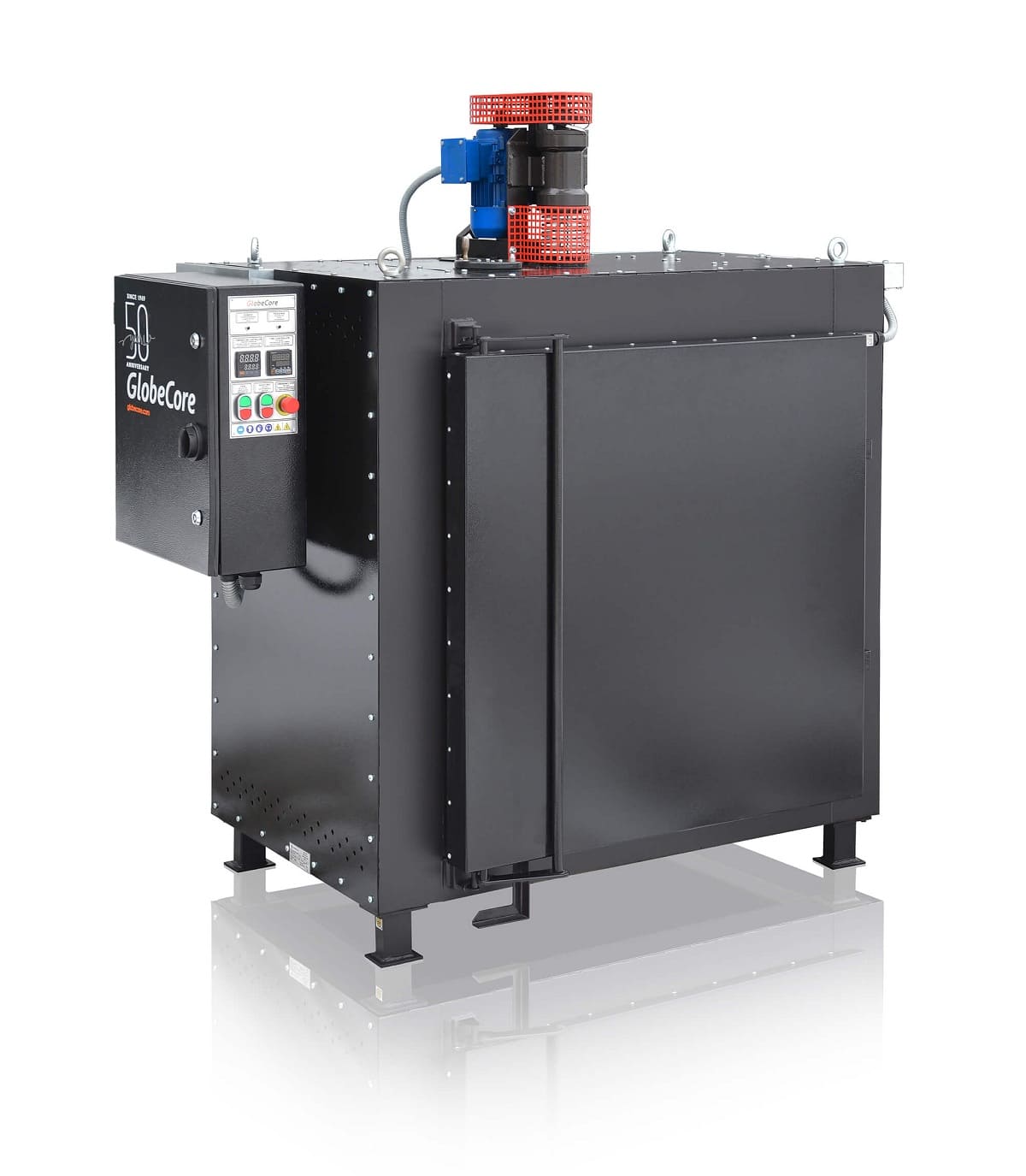


Air drying
What does a transformer oil filtration system include?
- This topic has 3 replies, 4 voices, and was last updated 1 month, 1 week ago by .
Answers
-
September 9, 2025 at 6:58 pm by Linda Jackson
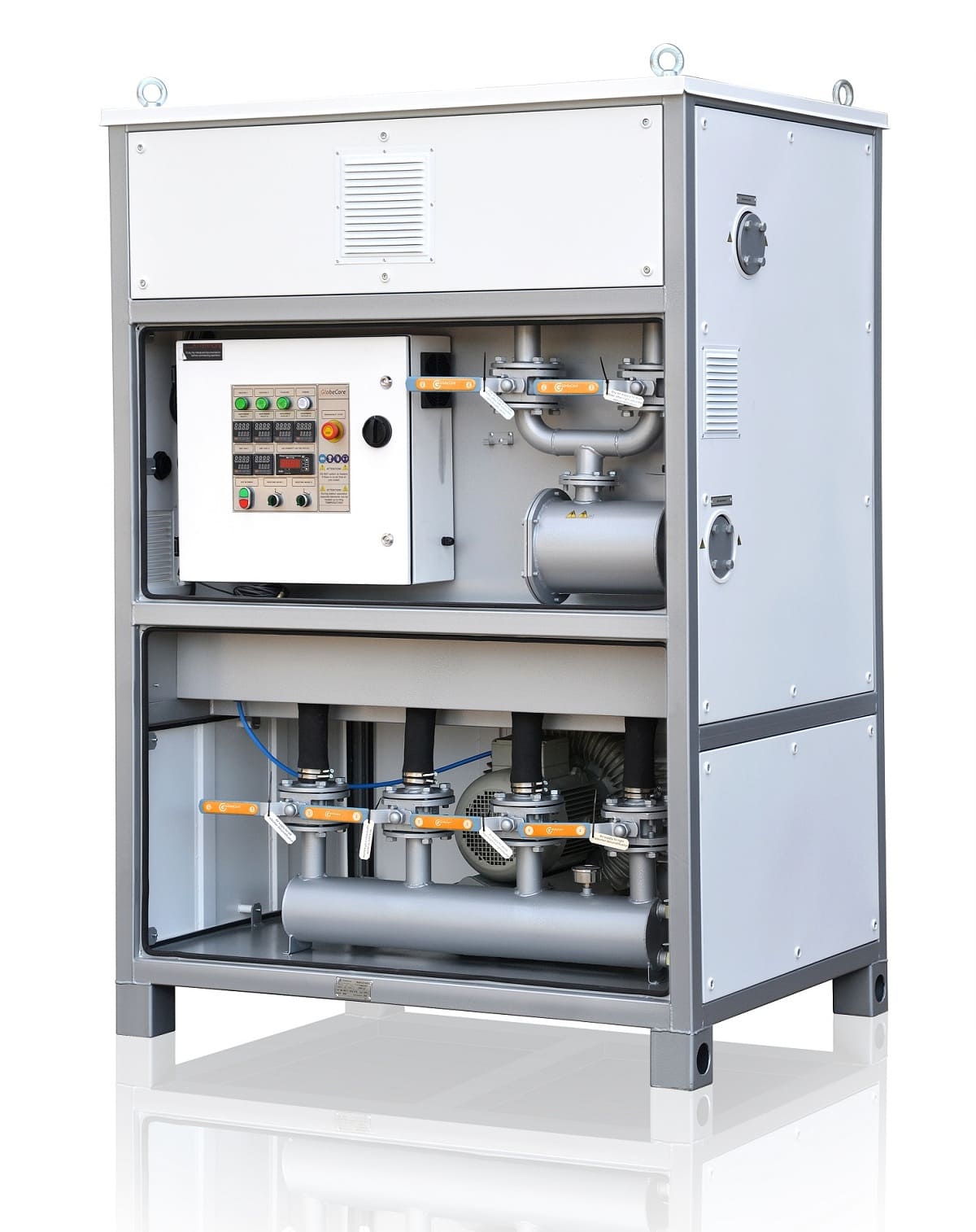
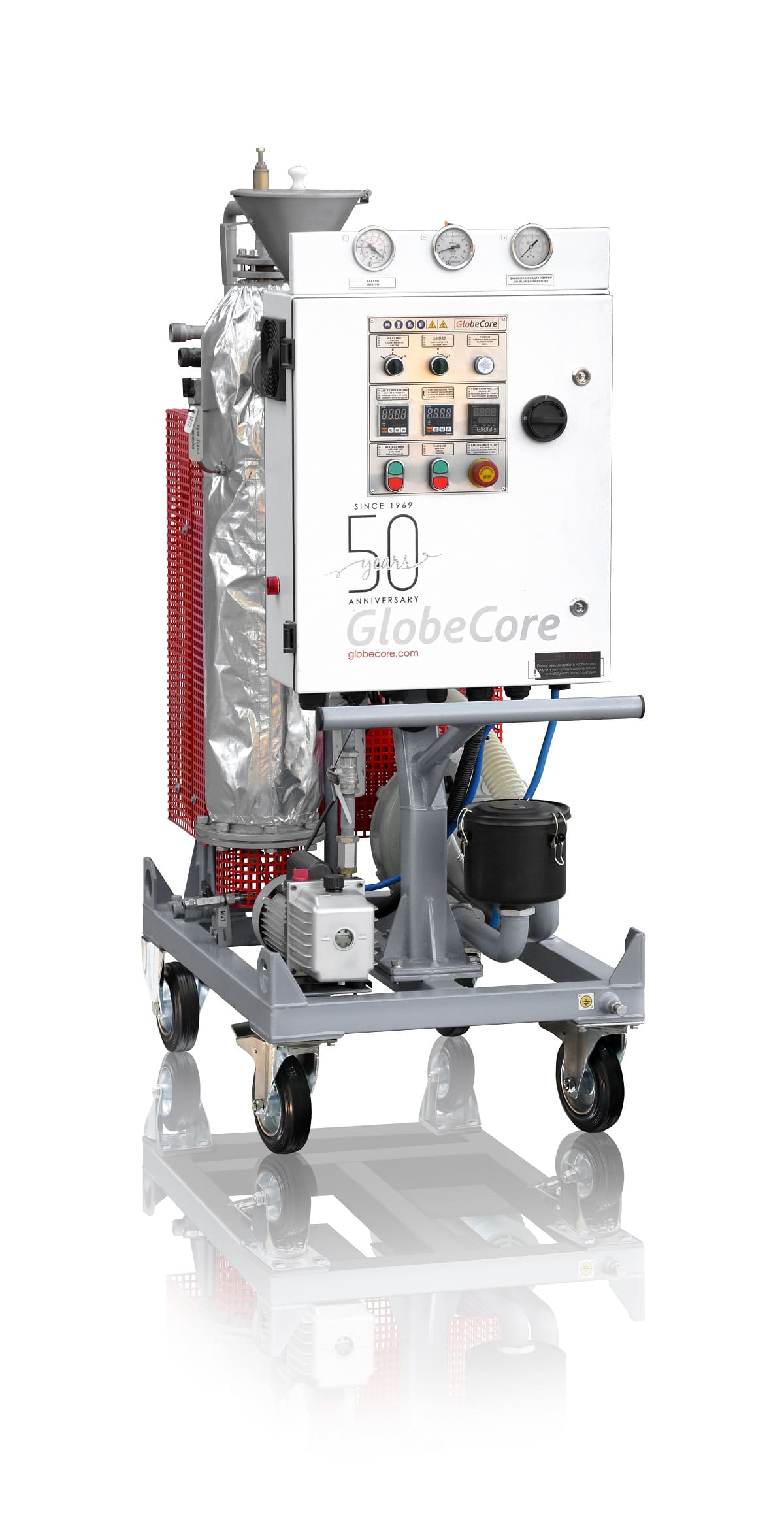
It includes pumps, heaters, filters, vacuum chambers, and control panels. GlobeCore systems are modular and customizable – suitable for substations, power plants, or industrial transformers of any voltage class.
-
February 16, 2026 at 7:02 am by Craig Price
In addition to the core components already mentioned, it is worth highlighting how the sequence and integration of these elements affect overall performance. For example, proper preheating of oil before filtration improves viscosity and enables the removal of finer particles, while the vacuum section is essential for degassing and moisture reduction — both of which significantly extend the service life of transformers.
Another important aspect comprises maintenance and serviceability. Systems with easy-to-change cartridges and clear control logic help in shortening the downtime and reducing the operating costs, especially in high-demand environments, such as power substations and power generation facilities. Automation and remote monitoring capabilities are also increasingly common in modern designs.
For a more detailed look at how these subsystems work together, particularly the role of vacuum filtration technology and its impact on oil quality, check out this article as a useful technical overview:
https://globecore.com/oil-processing/vacuum-oil-filter-machine/. -
February 16, 2026 at 7:06 am by Ryan Adams
You’re exactly right — the way the subsystems are sequenced and integrated has as much impact on final oil quality as the individual components. In a typical modern transformer oil filtration system the oil is preheated to lower viscosity so fine filtration (often down to 3–4 µm or via self‑cleaning elements) is more effective, then routed through thermal/vacuum processing where a two‑stage vacuum degassing/drying section removes dissolved gases and moisture. Combining heating with vacuum substantially improves dehydration and gas removal, producing oil that meets tighter cleanliness targets (ISO 4406 classes often cited for purified oil) and lowers dissolved gas levels, which directly extends transformer life and reliability.
From an operational standpoint, serviceability and controls matter for uptime and operating cost. Systems with easy‑change cartridges or self‑cleaning filters, clear control logic, inlet/outlet moisture monitoring, and automation/remote monitoring capabilities reduce downtime in substations and power plants. Configurations can include transformer safety interfaces for online processing, additional vacuum pump assemblies for transformer evacuation, and mobile/containerized units for field work. For best results follow the recommended sequence — evacuate/vacuum, heat, then circulate and filter — and use continuous monitoring to confirm moisture and particle removal during the job.