

Diesel bleaching
What equipment is used for diesel bleaching?
- This topic has 3 replies, 4 voices, and was last updated 4 weeks, 1 day ago by .
Answers
-
October 7, 2024 at 3:01 pm by Plinio Arcos
Equipment used for diesel bleaching includes mixing tanks, chemical dosing systems, filtration units, and adsorbent materials like bleaching earth or activated carbon. These systems work together to remove impurities, color, and unwanted contaminants from the fuel, improving its quality and appearance.
-
March 2, 2026 at 7:36 am by Craig Price
In addition to common components like mixers, batching systems, and adsorbents, it’s important to consider how the process sequence and operational controls influence the final fuel quality. For example, effective diesel bleaching is not just about having the suitable equipment, but also about optimizing the contact time between the fuel and the bleaching agent, monitoring the temperatures, and ensuring that downstream filtration is tailored to capturing fine particles and spent adsorbents.
Another factor that often gets overlooked is the reclamation or replacement strategy for adsorbent media. Spent bleaching earth or activated carbon tends to be saturated very quickly, which reduces efficiency and can adversely affect fuel stability if not properly managed.
If you’re looking to delve into practical system configurations and performance considerations for treating heavily colored or contaminated diesel fuel, it’s worth taking a look at this article: https://globecore.com/fuel-processing/dark-diesel-fuel-polishing/.
It outlines how advanced polishing systems integrate multiple stages to both improve aesthetic appearance and bring fuel in line with tighter quality specs. -
March 2, 2026 at 7:44 am by Alberico Monicelli
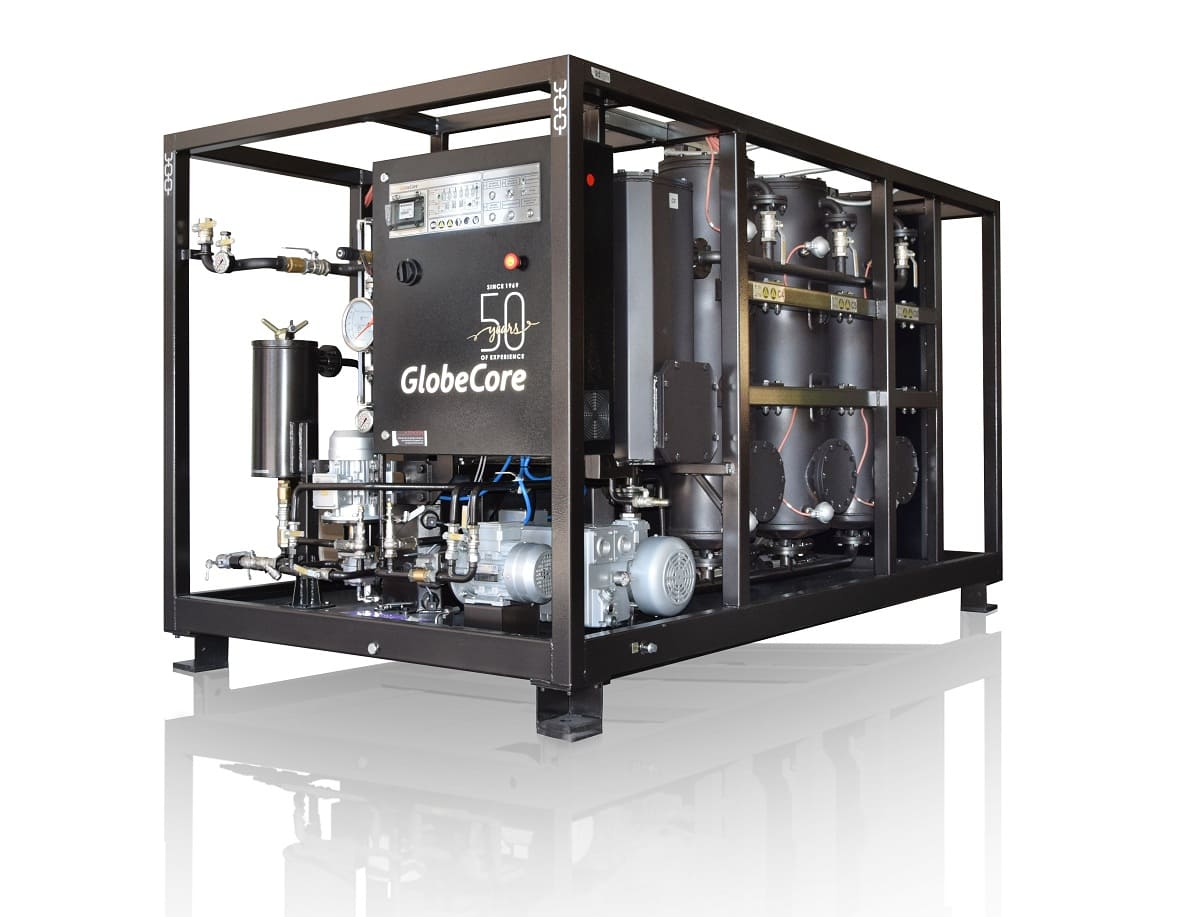
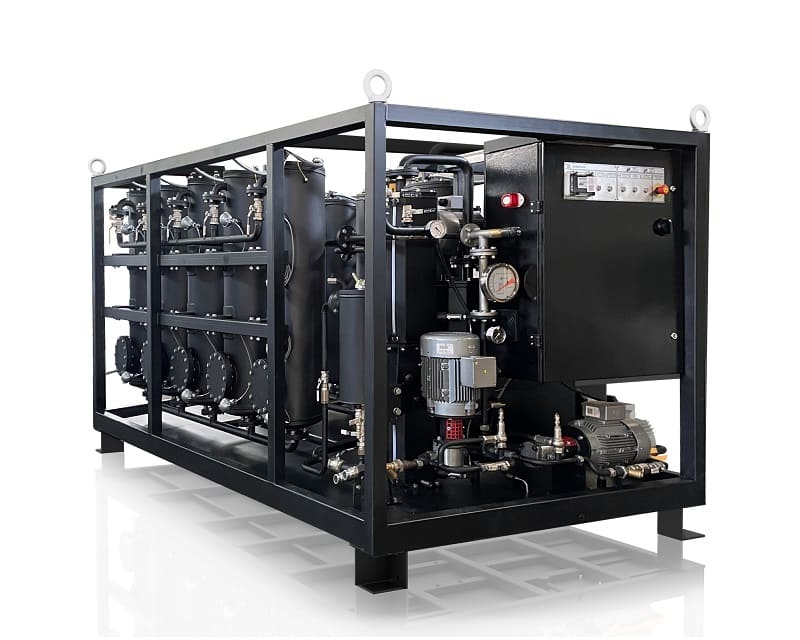
You’re spot on — sequence and operational control make or break diesel bleaching. A practical commercial polishing train pairs a mechanical polishing/purification unit (the CMM family — e.g., CMM-R, CMM-CF or the CMM-6RL variants for dark diesel) with adsorption/drying modules and fine filtration. Adsorbent cartridges (ZP-series such as ZP-130 or ZP-260 loaded with zeolite, Fuller’s earth or silica gel) remove color bodies, gums and water vapour, while downstream depth and micron filters (typical nominal ~5 µm with optional 1 µm polishing) capture spent sorbent fines and particulates. Thermal control and staged contact time — heating where needed, then adequate residence time through the adsorbent beds — are critical to maximize pickup of colorants without degrading fuel stability.
Operationally, watch differential pressure and color/turbidity to time cartridge change or regeneration; spent bleaching earth/activated carbon saturates quickly and must be swapped or regenerated (on-site drying/regeneration rigs such as Mojave-style systems are commonly used) to avoid breakthrough and fuel instability. For sizing, ZP-130 trains treat roughly 2 m3/hr (ZP-260 about 4 m3/hr), so match unit throughput and adsorbent capacity to your required flow and target specs rather than relying on a single-step fix. If you want, I can recommend a compact equipment set (models, adsorbent choice, filtration sequence and approximate sizing) for a specific throughput and target diesel quality.