

Diesel purification
What Hydraulic Oil Filtration System Components are crucial for effective purification?
- This topic has 3 replies, 4 voices, and was last updated 3 weeks, 4 days ago by .
Answers
-
October 5, 2024 at 2:40 pm by Stephanie Lee
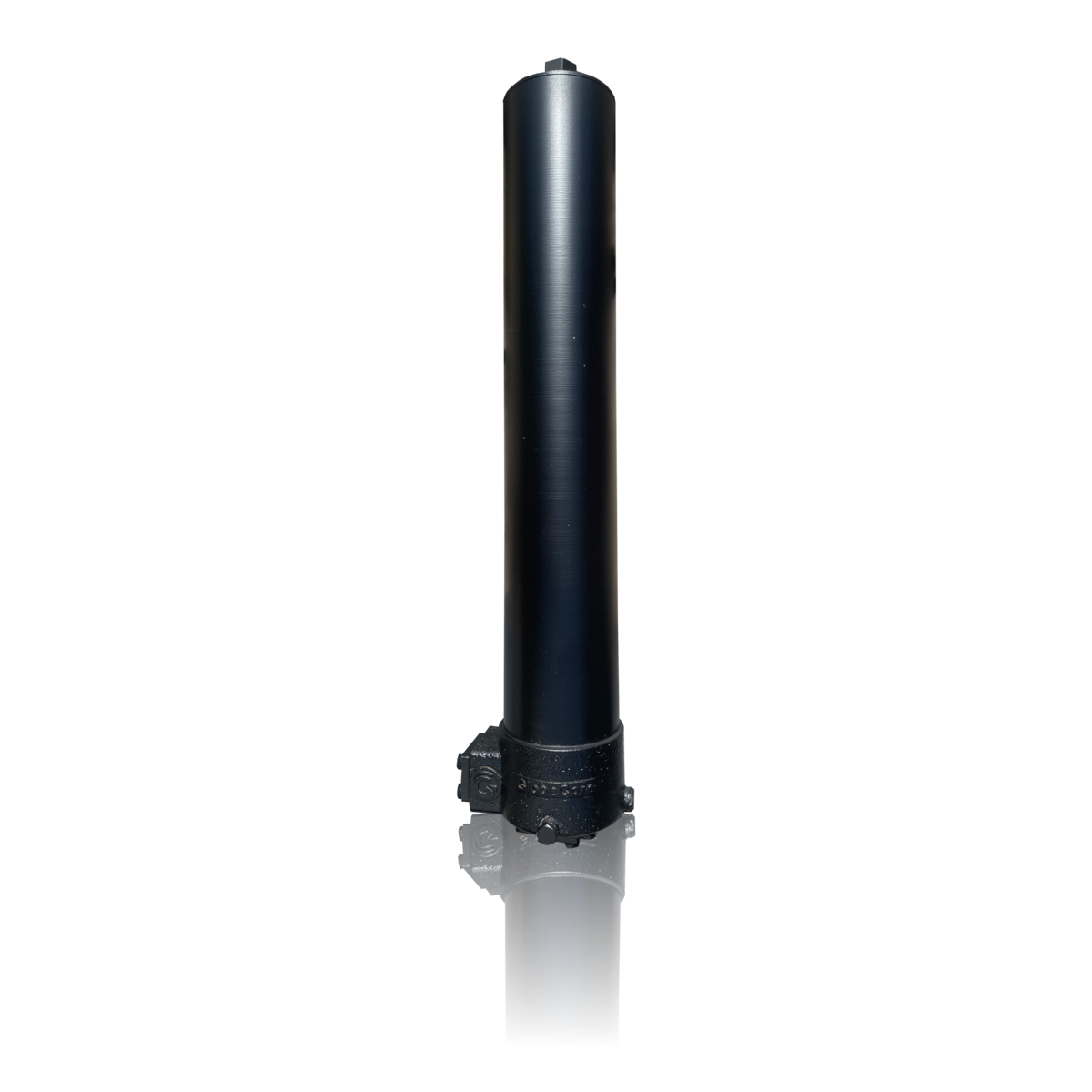
Crucial components of a Hydraulic Oil Filtration System for effective purification include filters, pumps, valves, filter housings, monitoring sensors, and control units. Filters are essential for trapping particulates, contaminants, and water from the hydraulic oil, ensuring clean oil delivery to system components. High-efficiency filter media, such as pleated or coalescing filters, enhance contaminant capture. Pumps circulate the hydraulic oil through the filtration system, maintaining consistent flow and pressure necessary for effective purification. Valves regulate the flow of oil, allowing for adjustments and isolation during maintenance, preventing backflow and ensuring secure connections. Filter Housings protect and contain the filter media, providing a structured environment for filtration and facilitating easy filter replacement. Monitoring Sensors, such as pressure gauges and flow meters, track system performance, detecting issues like filter clogging or pressure drops, and ensuring timely maintenance. Control Units manage the overall operation of the filtration system, automating processes and maintaining optimal purification conditions based on sensor data. Additionally, coolers may be integrated to maintain optimal oil temperature, enhancing filtration efficiency and preventing thermal degradation of the hydraulic oil. Together, these components ensure comprehensive and reliable purification of hydraulic oil, protecting system components from wear and extending the lifespan of the hydraulic system.
-
March 6, 2026 at 8:26 am by Craig Price
Another factor worth considering is the configuration and arrangement of filtration stages within the hydraulic system. In many industrial setups, filtration is not limited to a single filter element, but is organized as a multi-stage process. For example, coarse filters are often installed on the pump suction side to capture larger particles, while finer filters are placed in the pressure or return line to remove smaller impurities before the oil reenters the tank. This staged approach helps protect sensitive components such as servo valves and hydraulic actuators, which operate with very tight tolerances.
It is also important to integrate contamination monitoring and condition-based maintenance into the filtration system. Sensors that track differential pressure, particle counts, or moisture levels allow operators to detect filter saturation or early signs of contamination. Maintaining proper cleanliness levels is critical, because particles and water in hydraulic oil can accelerate wear, corrosion, and oxidation processes, ultimately shortening the service life of pumps, valves, and cylinders.
If you are interested in a broader overview of how hydraulic oil filtration systems are designed and what equipment is typically used for effective purification, this article provides a helpful explanation: https://globecore.com/oil-processing/hydraulic-oil-filter-system/. -
March 6, 2026 at 8:35 am by 後藤 零
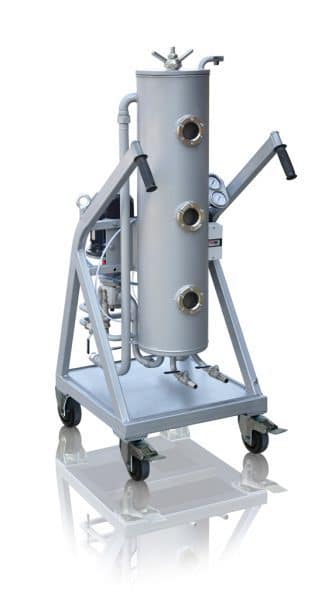
You’re right — stage arrangement and condition monitoring make a big difference. In practice a multistage filtration approach (coarse suction-side prefilters, progressively finer stages in return/pressure lines and a final “polish” stage) protects pumps, servo valves and actuators while minimising pressure drop and filter loading. Modern systems offer configurable micron stacks (common fineness options go from 25 down to 0.3 µm), self‑cleaning media on higher‑flow units, and replaceable mechanical cartridges (typical polishing cartridges in the 3–4 µm range) or portable polishing carts for on‑site maintenance.
Equally important is moisture and gas control plus contamination monitoring. Thermal vacuum dehydration / degassing combined with heating is the standard for removing dissolved water and gases, while adsorbent columns handle oxidation products and acids and can be regenerated for reuse (some units are sized to process tens of m³/h depending on oil condition). For reliable condition‑based maintenance install differential‑pressure gauges, online particle counters and moisture sensors tied to automation and alarms so you meet ISO/NAS cleanliness and moisture targets and avoid premature wear. If you want, tell me your flow rate and target cleanliness and I’ll suggest a stage configuration and monitoring package suited to your system.