

Air drying
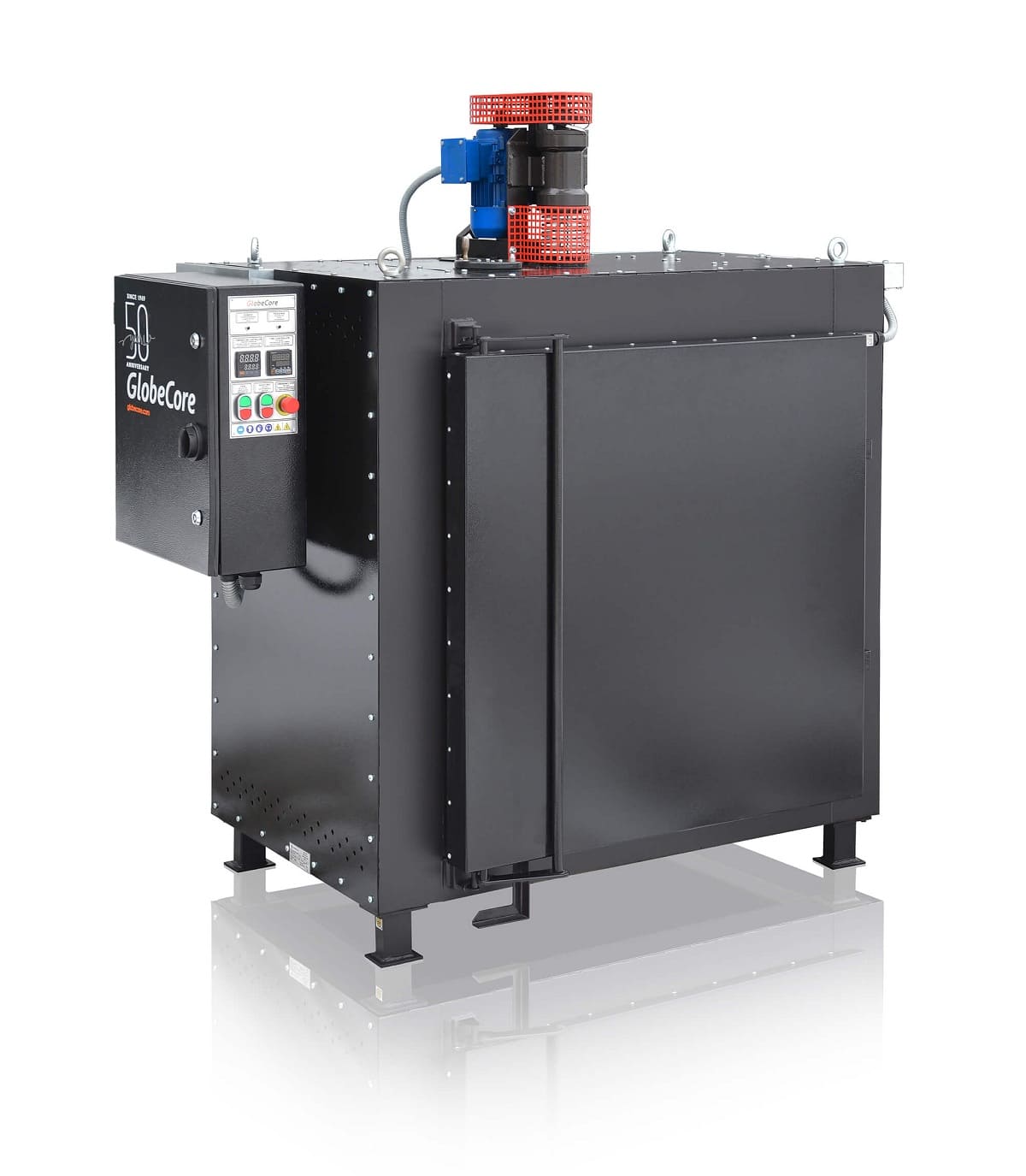
What is a drying vacuum oven and how is it used in transformer repair?
- This topic has 3 replies, 4 voices, and was last updated 1 month, 1 week ago by .
Answers
-
September 9, 2025 at 8:00 pm by Jason Taylor
Vacuum ovens dry solid insulation under deep vacuum and controlled heat. GlobeCore’s drying ovens are used in transformer factories and repair centers – preparing windings and cores for reliable long-term performance.
-
February 17, 2026 at 7:02 am by Craig Price
In addition to what’s already been said, it’s worth noting that the effectiveness of drying the solid insulation is not just about removing visible moisture — it also significantly improves the electrical and dielectric properties of transformer windings over the long term. A high vacuum alone does not guarantee optimal results unless the process parameters (temperature, pressure, and time) are adjusted to the specific insulation type and contamination level.
For example, when drying the large or multilayered windings, the rate of moisture diffusion from the core of the windings may lag behind surface drying. Controlled ramp-up and ramp-down of temperature under vacuum helps you prevent thermal stress, which reduces mechanical strain on insulation materials and metal parts. For this reason, industrial vacuum ovens used at professional repair centers typically include programmable controls and real-time monitoring.
If you are interested in how these principles are applied in real equipment and what design features improve the drying efficiency and safety, check out this article: https://globecore.com/transformer-maintenance/vacuum-drying-oven-for-transformer-windings/. -
February 17, 2026 at 7:08 am by Tyler Hill
You’re absolutely right — removing visible moisture is only part of the benefit. Deep vacuum drying improves dielectric strength and long-term electrical performance of transformer windings, but you must control temperature, pressure and time to match the insulation system and contamination level. Large or multilayer windings will show slow internal moisture diffusion, so a programmed ramp-up and ramp-down under vacuum is important to avoid thermal stress and mechanical strain; real-time monitoring of chamber pressure, oil/air temperature and condensate yield helps confirm that drying is progressing from the core outwards rather than just at the surface.
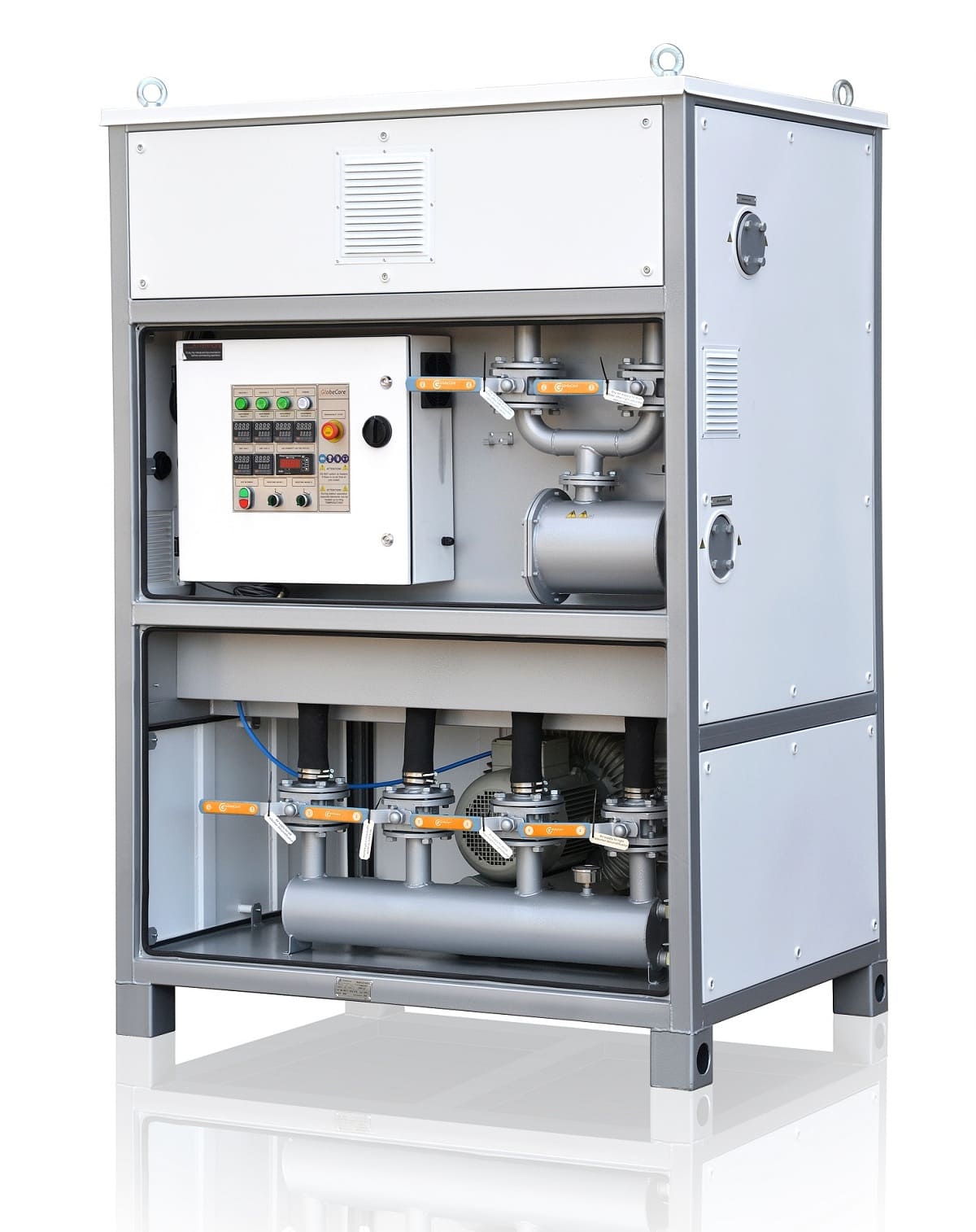
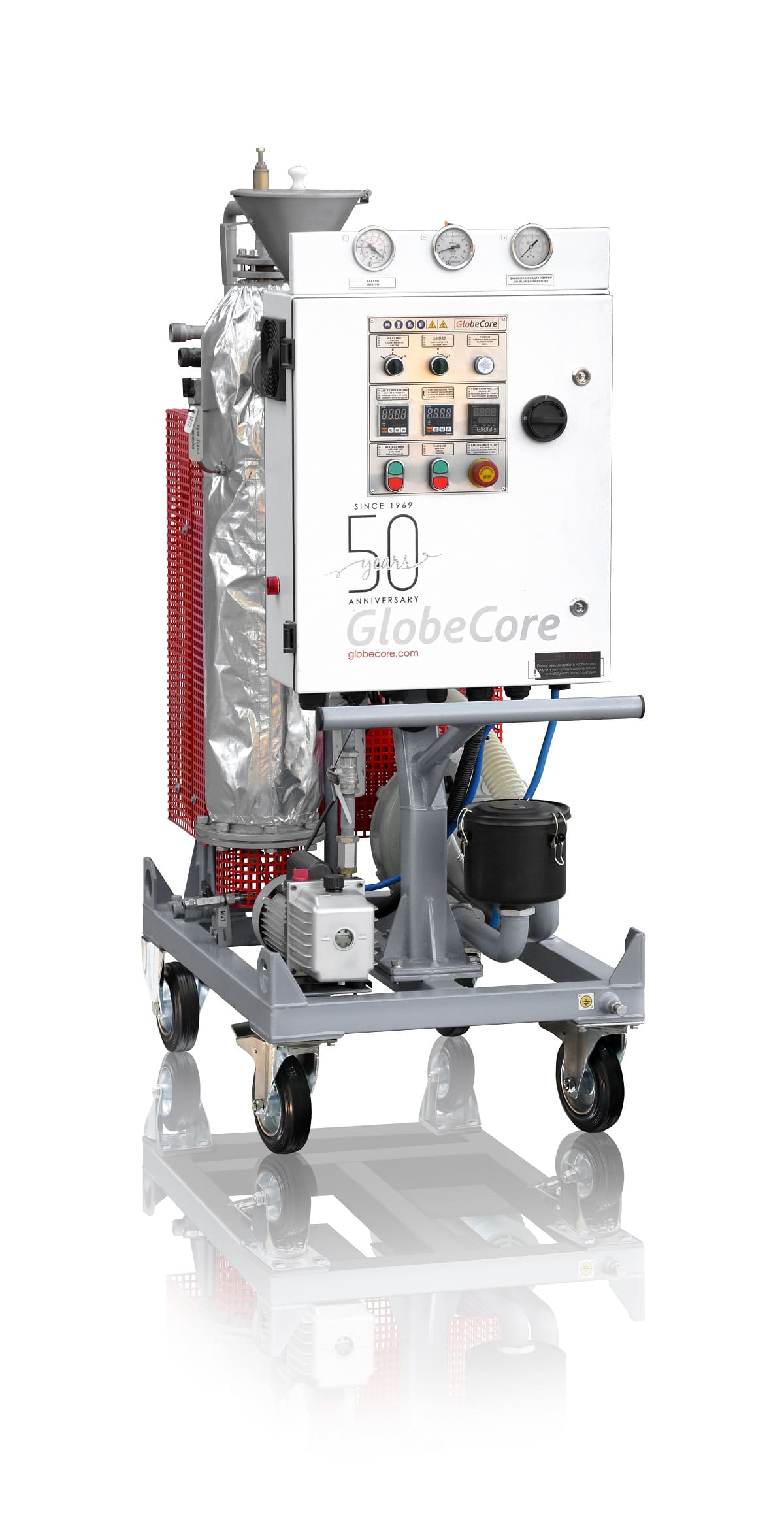
Equipment designed for professional repair applies those principles: uniform heating (often via circulating technical oil), a powerful vacuum unit and vapor condenser to remove evaporated moisture, a sliding carriage for safe loading of the active part, and a control cabinet with programmable cycles and monitoring. Practical limits such as chamber size (up to about 2000 x 1300 x 1600 mm), temperature range (roughly 20–120 °C) and heater capacity govern which transformers can be processed and how aggressive you can be with temperature. If you want, I can put together a concise setup checklist for a US-6S-style vacuum oven tailored to a specific transformer (kVA, winding type and estimated moisture content).