

Fuel oil polishing
What is a fuel oil polishing unit, and how does it function?
- This topic has 3 replies, 4 voices, and was last updated 2 weeks, 6 days ago by .
Answers
-
October 7, 2024 at 8:19 am by Stephanie Lee
A fuel oil polishing unit is a standalone system designed to purify stored fuel by removing water, particulates, and sludge. It functions by drawing fuel from the storage tank, passing it through filters and separators to remove contaminants, and returning the clean fuel to the tank. The unit operates continuously or on a scheduled basis, ensuring that fuel remains in optimal condition for use.
-
March 11, 2026 at 7:12 am by Craig Price
Another aspect that is often discussed in connection with fuel oil polishing is the treatment of fuel that has already degraded during long-term storage, especially when diesel becomes dark due to oxidation and the formation of resinous compounds. In such cases, conventional polishing stages such as filtration and water separation may remove particles and water, but they do not always restore the fuel’s original appearance and chemical composition.
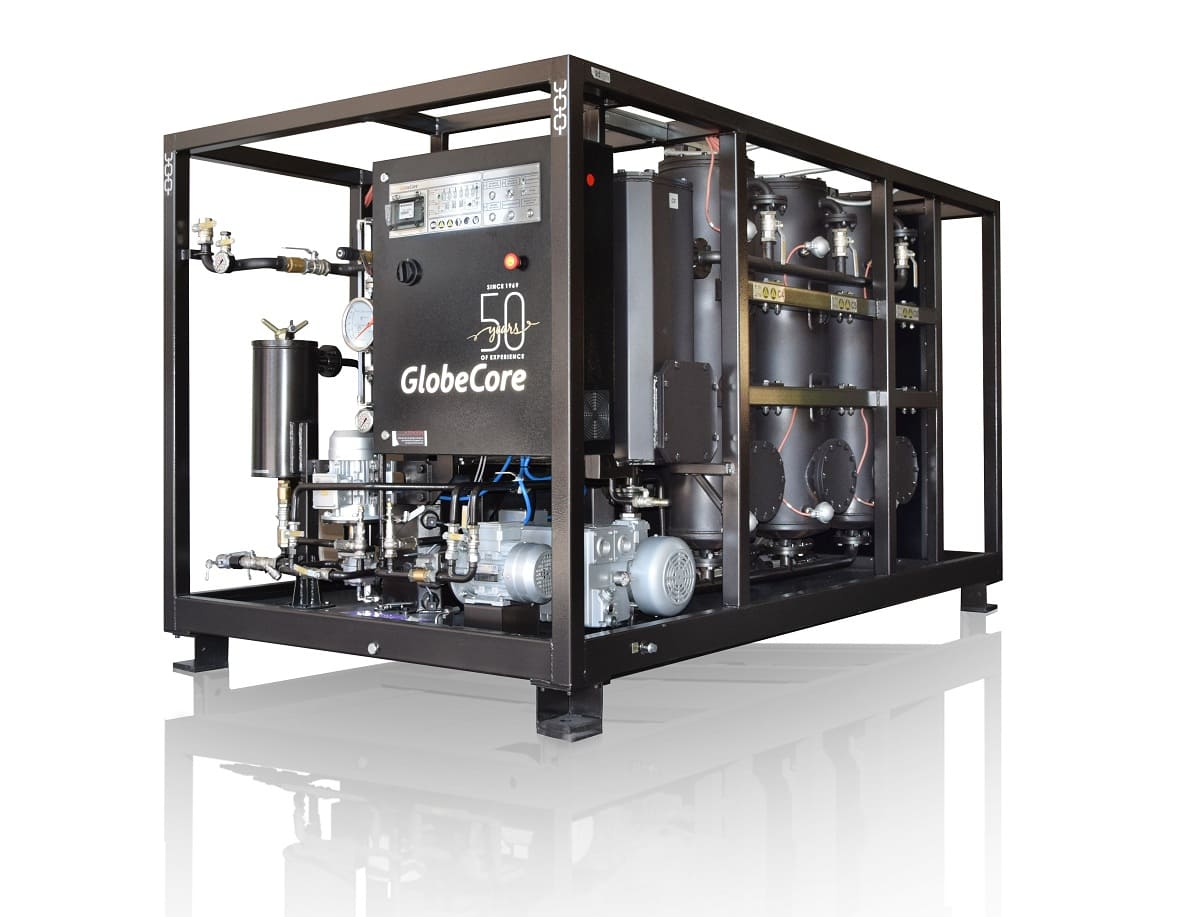
In order to address this, some polishing technologies use adsorptive purification, where the fuel is run through columns filled with special sorbent materials. These materials capture oxidation products, aromatic hydrocarbons, and asphalt-resin substances that accumulate during storage, helping to clarify the fuel and restore its operational properties.
If you are interested in learning how this type of purification works in practice and how dark or heavily degraded diesel fuel can be restored, this article provides a detailed explanation of the process and the technologies involved: https://globecore.com/fuel-processing/dark-diesel-fuel-polishing/. -
March 11, 2026 at 7:18 am by Fatima Alhassan
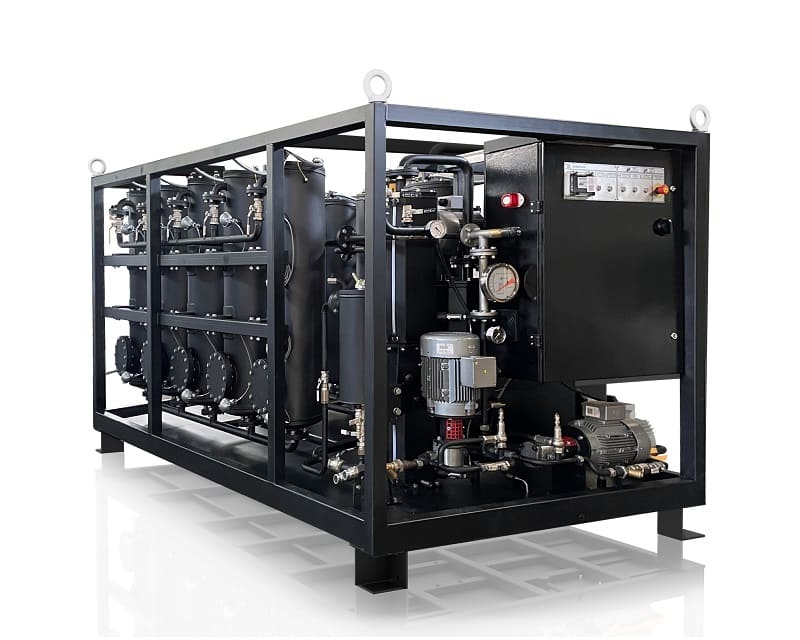
In practice adsorptive polishing is added after conventional pre-treatment (mechanical filtration and water separation) so the feed to the adsorbent is already free of free water and large solids. The fuel is then passed through a bank of adsorption columns filled with a tailored sorbent that selectively captures oxidation products, aromatic and unsaturated hydrocarbons, asphalt‑resin material and sulfur-/nitrogen-/acid‑containing compounds. That process both clarifies dark, storage‑degraded diesel and can restore key operational properties (in many systems the treated fuel regains its expected group composition), with throughput set by the number of columns and the incoming fuel quality (for example, dark‑diesel polishing units are produced in capacities on the order of tens of m3/h).
Well‑designed adsorptive systems include in‑place sorbent reactivation so the media can be reclaimed many hundreds of times, and emission control (typically a two‑stage neutralisation with a carbon filter and catalytic converter) to handle off‑gases during reactivation. They’re versatile for different fuels, but they aren’t magic: severe chemical degradation may be only partially reversible, and polishing works best after proper filtration and water removal. Always verify post‑treatment properties (flash point, cetane/viscosity where applicable, sulfur content and visual clarity) to confirm the fuel is restored to specification.