

Air drying
What is a vacuum oven dryer and where is it used?
- This topic has 3 replies, 4 voices, and was last updated 1 month, 1 week ago by .
Answers
-
September 10, 2025 at 9:06 am by Mohamed Alam
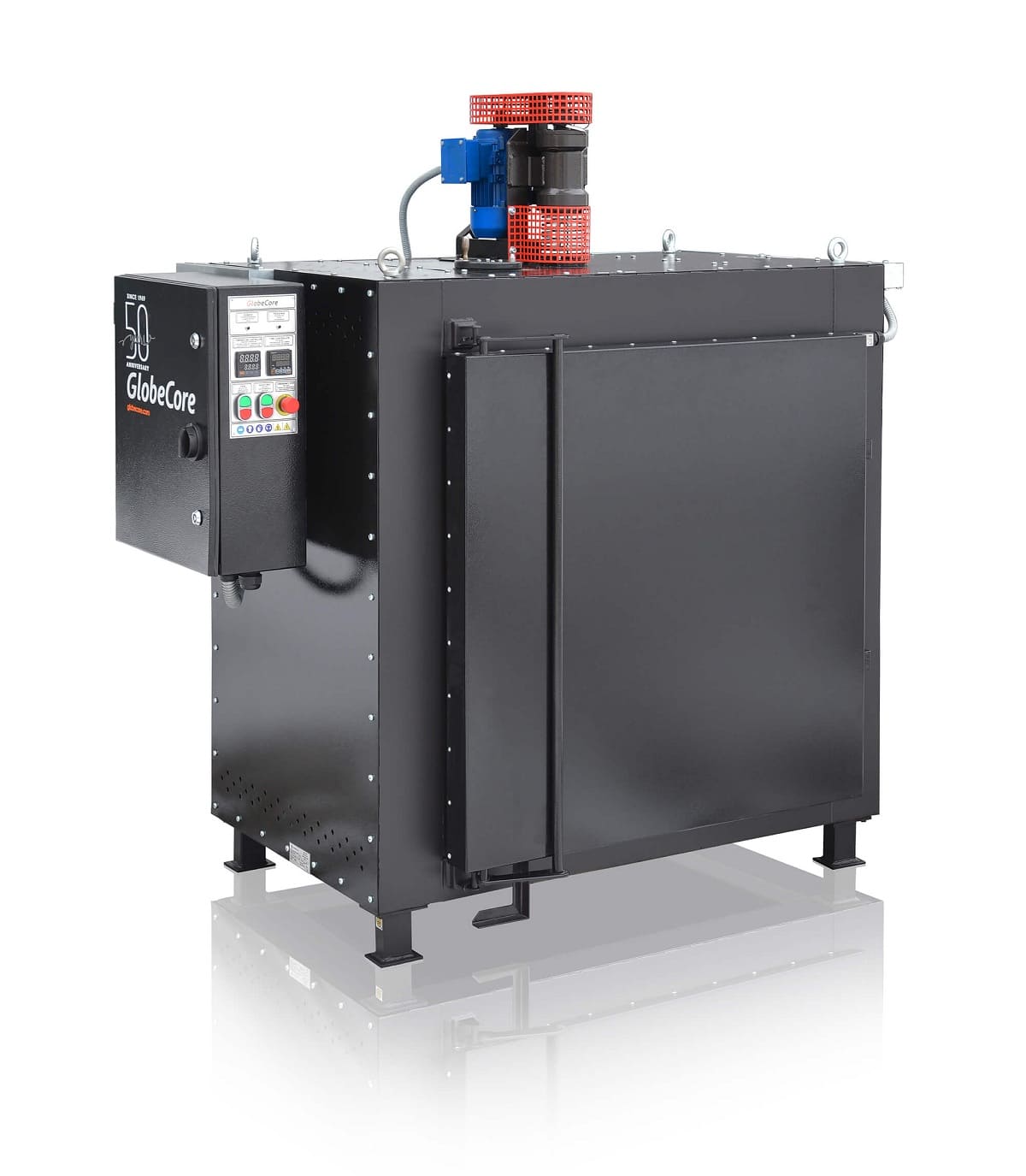
It’s used to remove deep moisture from transformer cores and solid insulation materials. GlobeCore’s vacuum drying ovens are essential for transformer manufacturing and repair – preventing moisture-related failures.
-
February 18, 2026 at 7:33 am by Craig Price
In addition to its primary function of removing moisture, a vacuum oven dryer also plays a crucial role in enhancing the long-term reliability of transformer insulation. Moisture deeply embedded in transformer windings or insulating pressboard can lead to partial discharges and accelerated aging, especially under thermal and electrical stress. For this reason, vacuum drying is often integrated as a standard stage in both the manufacturing of new transformers and the reconditioning of existing units, which is helpful in maintaining the equipment performance and ensuring the stable dielectric strength throughout the service life.
For a clearer understanding of how vacuum ovens are designed specifically for transformer windings and the operational advantages they offer, I recommend reviewing this article:
https://globecore.com/transformer-maintenance/vacuum-drying-oven-for-transformer-windings/. -
February 18, 2026 at 7:41 am by Jessica Mitchell
You’re absolutely right — beyond simple moisture removal, vacuum drying ovens are critical to preserving dielectric strength and preventing long‑term insulation degradation. Removing water from paper insulation, pressboard and windings reduces the risk of partial discharges and thermal/electrical aging, which directly improves transformer reliability and extends service life. For that reason vacuum drying is routinely built into both new transformer manufacture and field reconditioning workflows to restore and stabilize insulation performance.
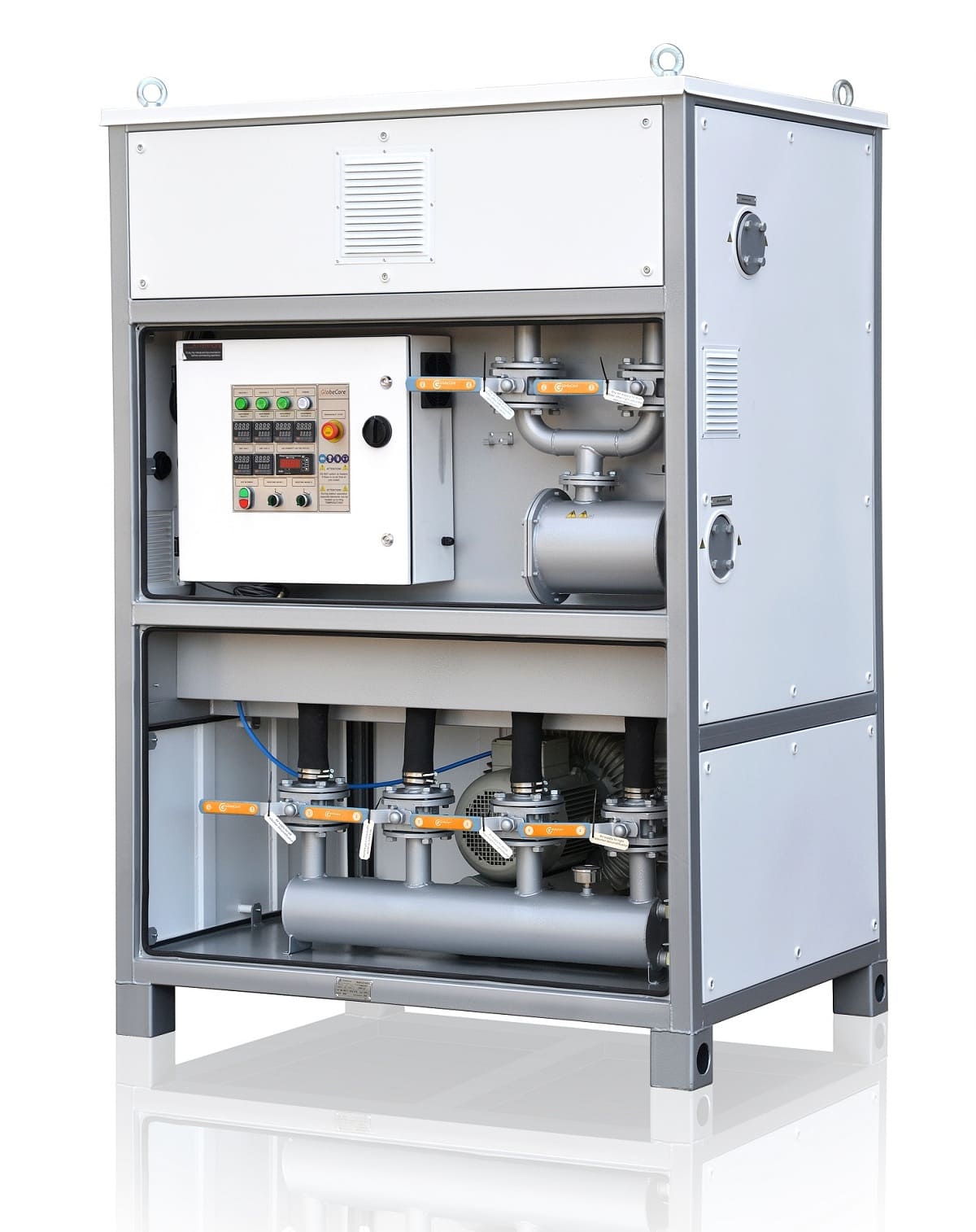
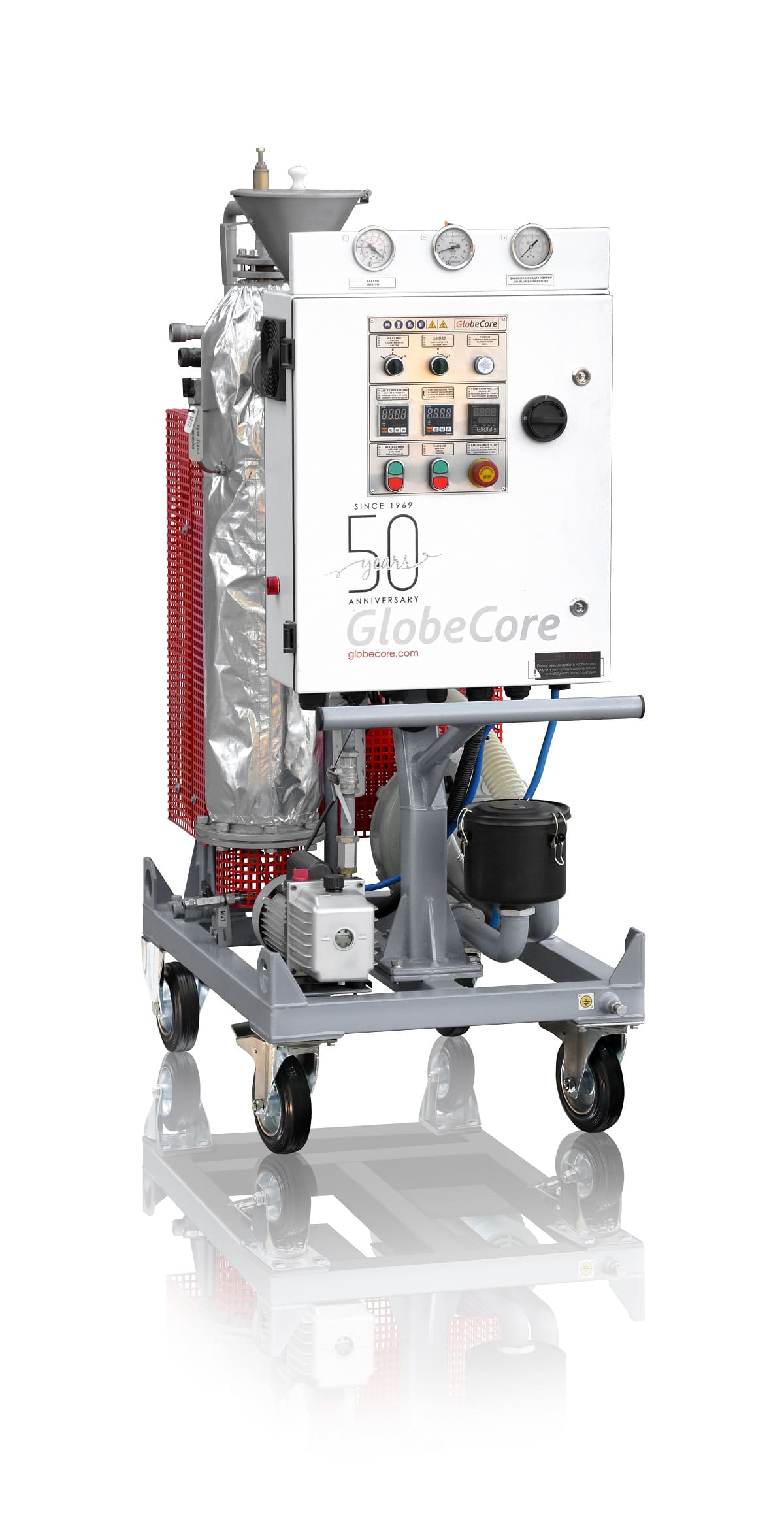
Ovens designed specifically for transformer windings combine controlled heating with vacuum evacuation to drive out deeply bound moisture uniformly through the core and coil volume. Typical design features include a heated chamber (often using circulating technical oil for even temperature distribution), a powerful vacuum unit and vapor condenser to capture and remove evaporated moisture, a condensate collection system, and a loading carriage for safe handling of the active part. These features deliver more intensive evaporation, shorter processing times and uniform drying compared with atmospheric methods, and they allow precise temperature control (commonly from ambient up to about 120 °C) and high heater power to handle large cores. If you want, I can outline typical process steps or adapt recommendations for a specific transformer size or maintenance scenario.