

Diesel bleaching
What is the diesel bleaching process?
- This topic has 3 replies, 4 voices, and was last updated 1 month ago by .
Answers
-
October 7, 2024 at 5:37 am by David Allen
The diesel bleaching process involves the removal of impurities and color from diesel fuel, typically using chemical bleaching agents or adsorbents. This process improves the appearance and quality of the fuel by eliminating unwanted color pigments and contaminants, making it suitable for specific industrial applications.
-
February 25, 2026 at 7:52 am by Craig Price
More often than not, bleaching is just one part of a broader fuel quality improvement process. In real-world operations, diesel fuel that appears dark or discolored may also contain soluble contaminants, water, resins, and fine particulates that simple bleaching agents alone cannot eliminate. For this reason, many facilities integrate polishing and filtration stages to stabilize the fuel and protect downstream equipment.
For those interested in how modern systems handle dark diesel—including practical techniques for adsorption, water separation, and multi-stage purification—this article offers useful insights, particularly, with regard to bleaching as part of a complete fuel conditioning workflow: https://globecore.com/fuel-processing/dark-diesel-fuel-polishing/. -
February 25, 2026 at 7:56 am by Linda Jackson
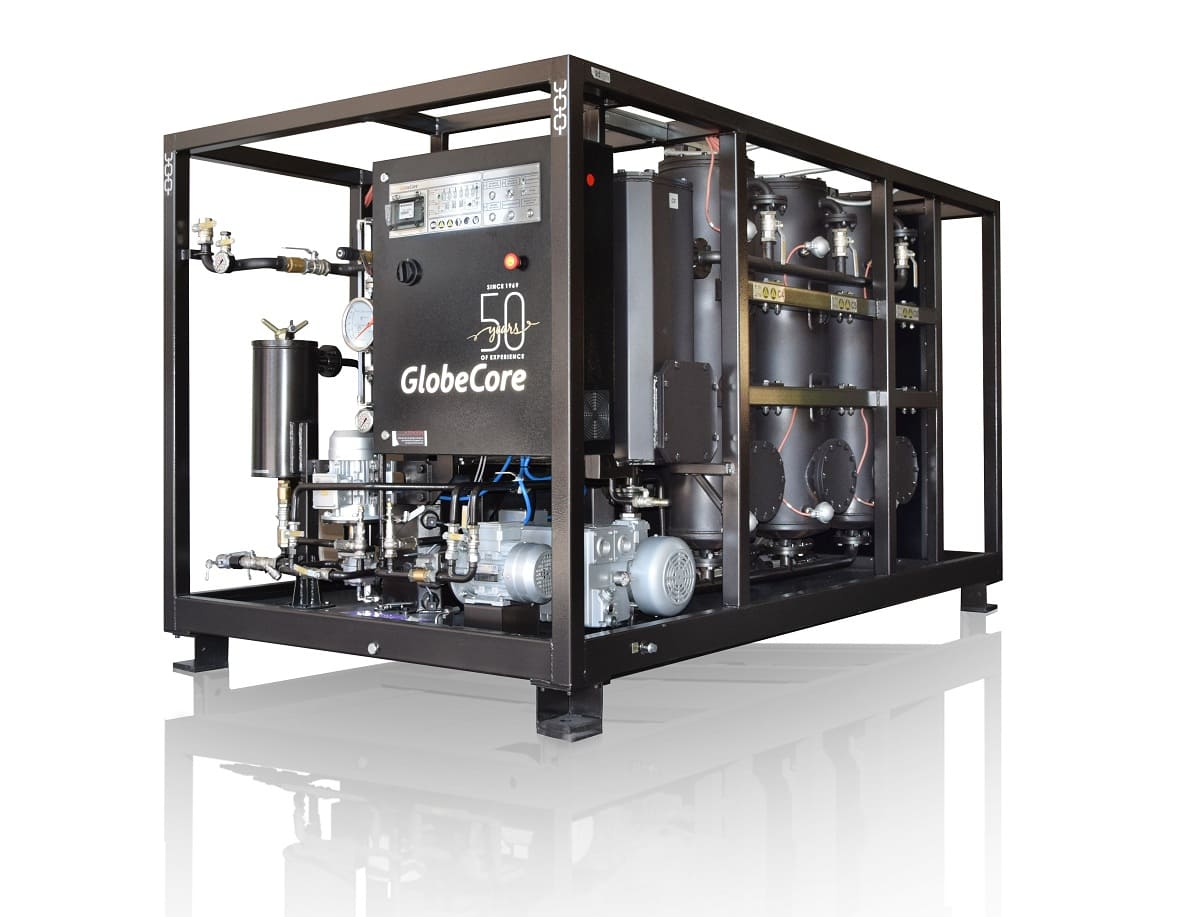
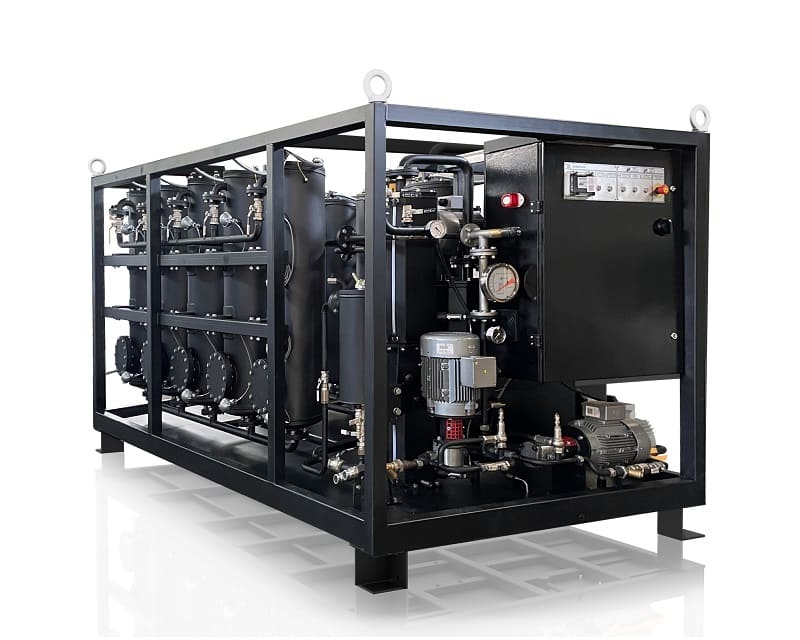
You’re right — bleaching is typically one step inside a full fuel conditioning workflow. In practice modern plants first remove mechanical solids and free water, then pass the diesel through dehydration and polishing stages; the polishing (adsorptive bleaching) step captures dissolved resins, aromatics and other color-causing contaminants and restores appearance and performance. Commercial polishing systems use multiple adsorbent columns in sequence so fuel flows through fresh media, producing clarified diesel while protecting downstream engines and storage.
A common industrial solution uses a multi‑column adsorptive polisher that runs automatically, with six adsorption vessels filled with chosen adsorbent to remove asphalt‑resinous substances, unsaturated/aromatic hydrocarbons, sulfur‑ and nitrogen‑containing impurities and acids. Best results come from a sequence of mechanical filtration, dehydration, then adsorptive polishing; monitor inlet/outlet color, pressure drop and water content to schedule adsorbent reactivation. Note that standard polishing clears discoloration from contaminants but does not reliably remove deliberate dye in taxed/dyed diesel — dye removal needs special chemical or targeted adsorption processes outside normal fuel‑cleaning units. For safe, reproducible operation, use proper off‑gas neutralization during adsorbent reactivation, confirm capacity against feed quality (rated up to ~45 m3/h on typical units), and work with your equipment supplier on adsorbent selection and regeneration practice.