

Fuel oil polishing
What is the filtration process involved in fuel oil polishing?
- This topic has 3 replies, 4 voices, and was last updated 2 weeks, 1 day ago by .
Answers
-
October 7, 2024 at 1:47 pm by Tyler Walker
The filtration process in fuel oil polishing involves multiple stages of filtration to remove water, sludge, and particulates from the fuel. Initially, water separators and coalescers are used to remove free and emulsified water. Next, coarse filters trap large particles like dirt and rust, while fine filters remove smaller particulates to ensure that the fuel is clean. Some systems also use centrifugal separators to enhance filtration efficiency. After the fuel has been filtered, it is returned to the storage tank or sent to the engine, ensuring high-quality fuel for reliable operation.
-
March 16, 2026 at 8:05 am by Craig Price
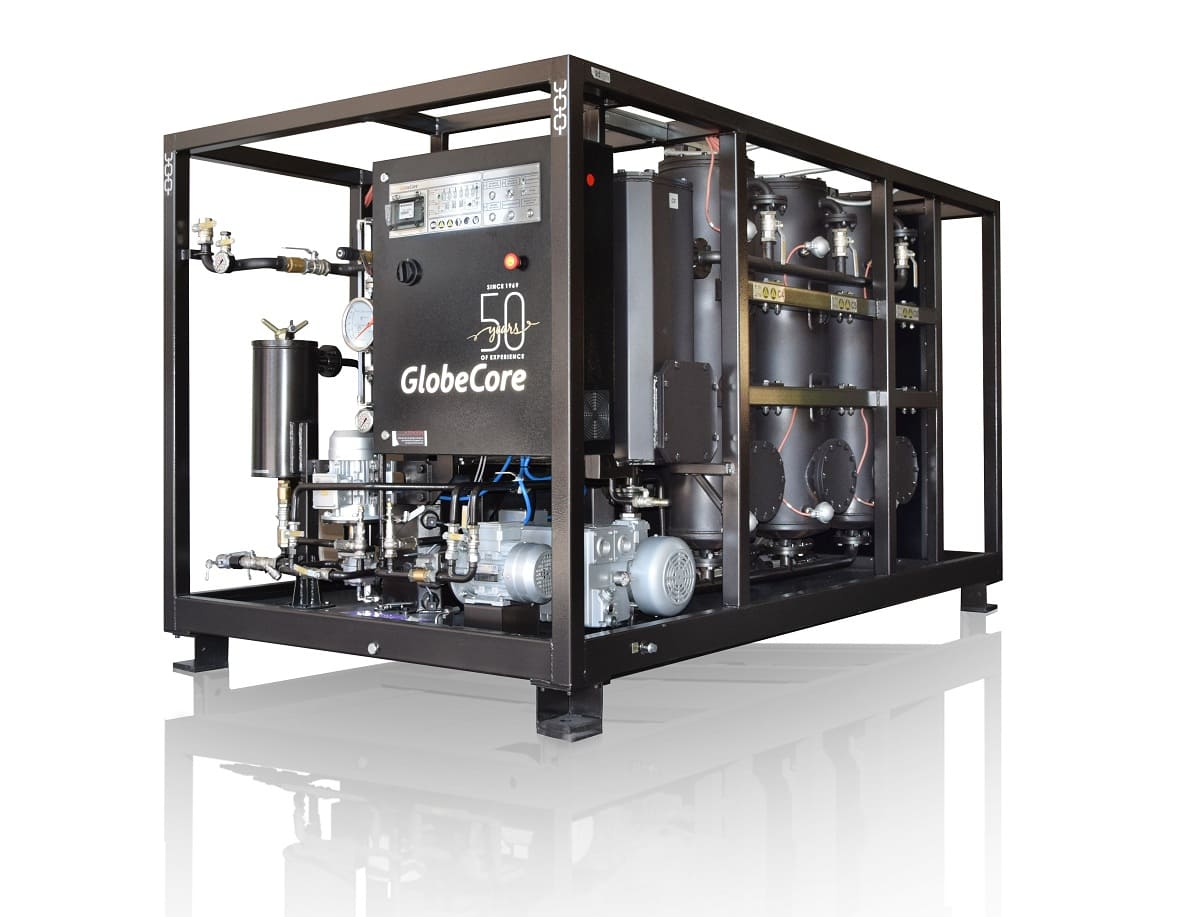
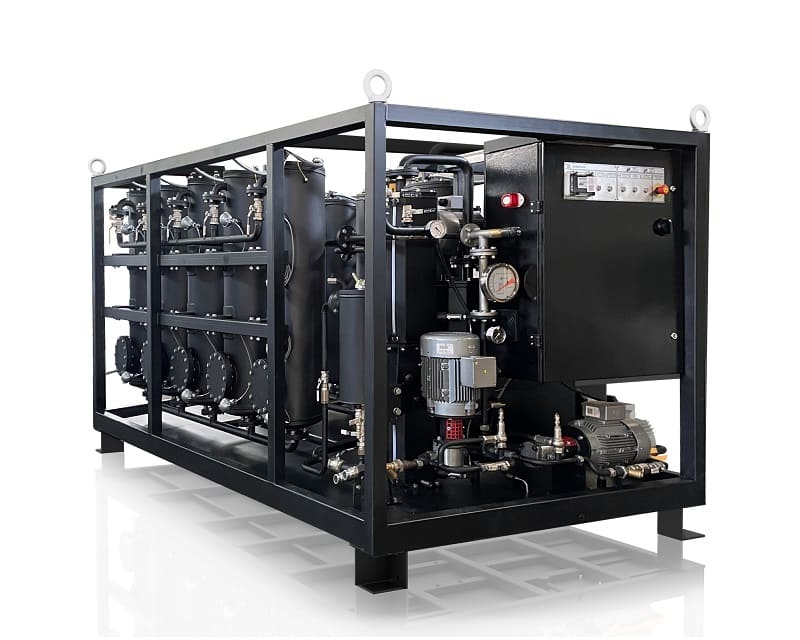
In addition to the filtration stages mentioned above, it’s worth noting that many fuel oil polishing systems are designed to operate in a continuous circulation loop. The fuel is pumped from the storage tank, passed through several separation and filtration stages, and then returned to the tank. This repeated circulation gradually reduces the concentration of contaminants such as water, sludge, and fine particles, helping maintain stable fuel quality during long-term storage.
Another important aspect is that advanced polishing systems may include adsorptive treatment stages. In these systems, the fuel flows through columns filled with adsorbent materials that capture oxidation products, aromatic hydrocarbons, and resinous substances, which are often responsible for fuel darkening and degradation.
If you’d like to see how adsorptive polishing technologies are used specifically to restore darkened diesel fuel and improve its operational properties, this article provides a helpful explanation: https://globecore.com/fuel-processing/dark-diesel-fuel-polishing/. -
March 16, 2026 at 8:10 am by Karen Carter
Exactly — continuous circulation is the standard operating mode for industrial fuel oil polishing, where fuel is pumped from the storage tank through separation stages and filtration and returned, gradually reducing water, sludge and particulates. Advanced systems add adsorptive treatment: fuel is passed through columns filled with adsorbent that capture oxidation products, aromatic and unsaturated hydrocarbons, asphalt-resin substances, sulfur compounds and other contaminants that cause darkening and property degradation. Multi-column designs scale capacity (more columns = higher flow); for example, six-column diesel polishers are commonly used and can deliver roughly 45 m³/h under typical conditions, while multi-column CMM-R style units target dark fuel reclamation and sulfur/hydrogen sulfide removal.
For operation and sizing, choose the number of adsorption columns to meet your required polishing flow while remembering actual capacity depends on feed quality; monitor differential pressure, water content, sediment and colour to trigger filtration or adsorbent regeneration. Many modern polishers support in-place sorbent reactivation (avoiding removal of the media), extending service life for hundreds of reactivation cycles and making long-term diesel fuel polishing and quality maintenance far more economical and reliable.