

Cable oil
What is the process of cable oil filtering and why is it necessary?
- This topic has 3 replies, 4 voices, and was last updated 1 month, 2 weeks ago by .
Answers
-
October 1, 2024 at 9:59 pm by 吉田 陽一
The filtering process involves passing the oil through filters that remove solid particles and impurities. Steps include:
Pre-Filtration: Removes larger particles using coarse filters.
Fine Filtration: Captures smaller particles with fine filters.
Monitoring: Pressure differentials indicate when filters need replacement.
Filtering is necessary because solid contaminants can reduce dielectric strength, cause abrasion within the system, and accelerate oil degradation. Maintaining oil cleanliness ensures effective insulation and prolongs equipment life. -
February 24, 2026 at 7:28 am by Craig Price
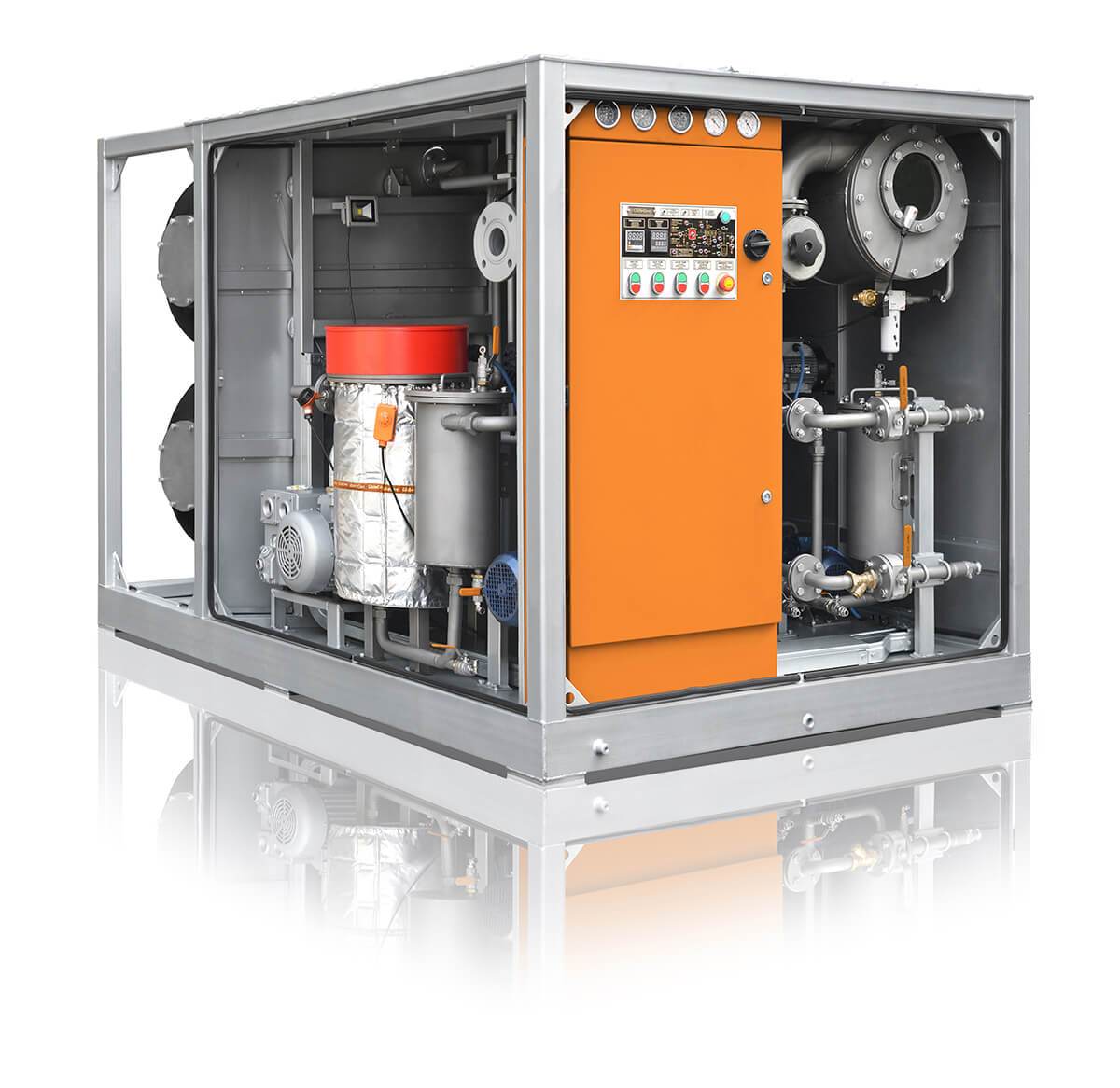
In addition to what’s already been mentioned, it’s worth recognizing that the quality of cable oil doesn’t just affect insulation performance — it also has a direct impact on long-term reliability and failure rates in energized cable systems. Over time, dissolved gases and microscopic degradation byproducts can accumulate in cable oil, and these are not always captured by basic filtration alone. Advanced purification methods often combine degassing and moisture removal with particle filtration, helping restore the oil to near-original dielectric properties rather than merely slowing down its degradation.
Another practical aspect is the economic trade-off: routine oil filtration and purification can result in significant cost savings compared to the expenses associated with premature cable replacement or repairs caused by insulation breakdown. Operators should consider both filter media selection and system contamination rates when tailoring maintenance schedules.
For a deeper look at how modern cable oil purification equipment integrates multiple cleaning stages and which features are most relevant for industrial applications, I’d recommend checking out this article: https://globecore.com/oil-processing/cable-oil-purification-machine-cmm-1co/. -
February 24, 2026 at 7:32 am by Haruto Tanaka
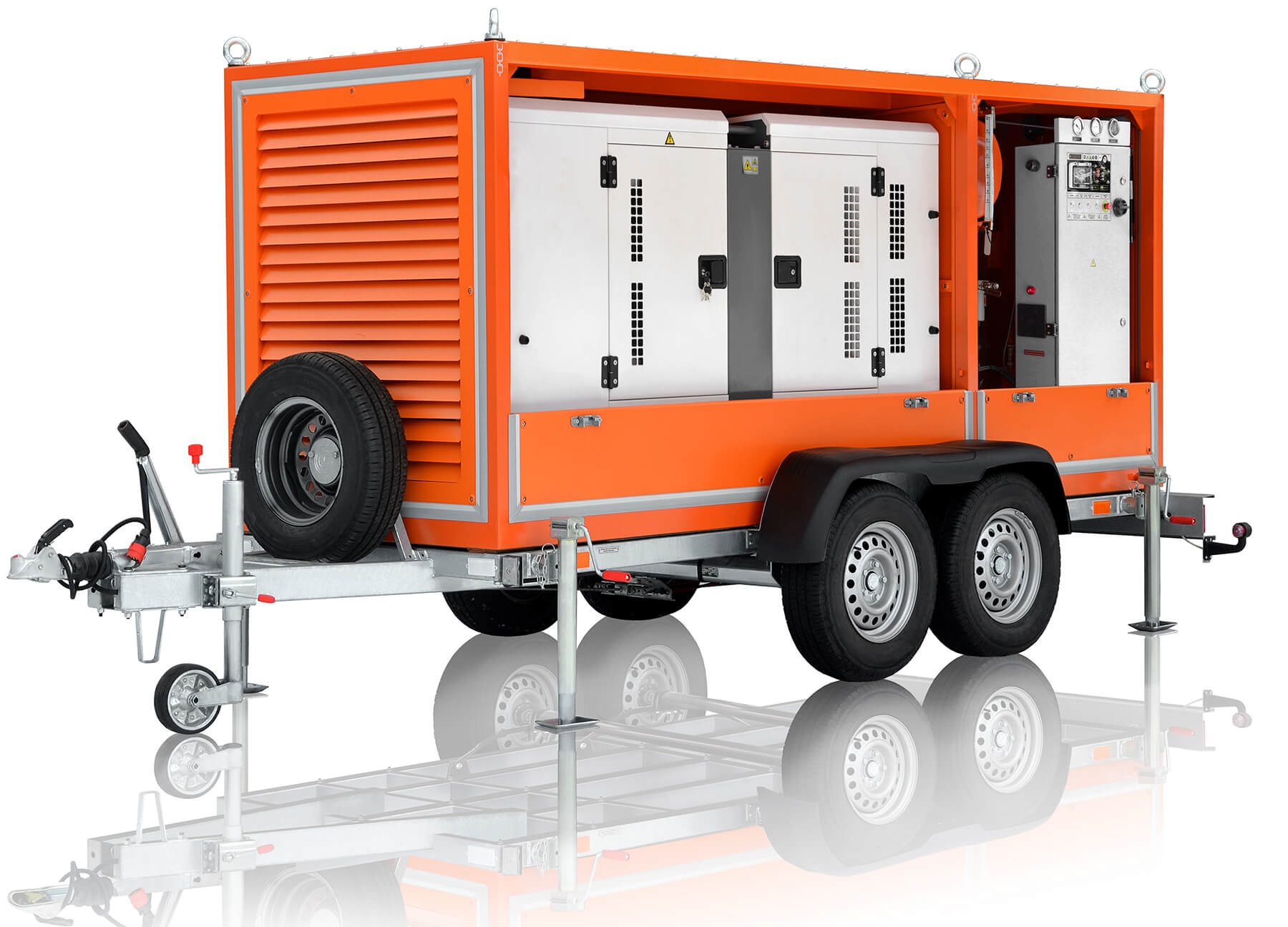
You’re right — microscopic degradation products and dissolved gases are not reliably removed by mechanical filtration alone, and they undermine dielectric strength and long-term reliability in energized cable systems. Effective cable oil purification combines controlled heating, fine mechanical filtration (typically 3–4 µm polishing cartridges), and vacuum degassing/thermal dehydration to strip dissolved moisture and gases as well as particles, restoring oil dielectric properties rather than only slowing contamination. Modern CMM‑style units and CMM‑F variants integrate these stages, offer capacities suitable for industrial work (example: up to ~8 m3/h with outlet temperatures to ~90°C), and can be used with safety systems that permit work on energized equipment.
From a practical and economic standpoint, regular purification pays off: lower failure rates, extended cable life and big savings versus premature replacements or emergency repairs. When planning maintenance, match filter media dirt‑holding capacity and cartridge micron rating to measured contamination rates, monitor pressure differential and oil parameters (BDV, moisture ppm, DGA) to set intervals, and select equipment with adequate vacuum dehydration and throughput for your network.