

Air drying
What is transformer oil purification and how does it help?
- This topic has 3 replies, 3 voices, and was last updated 1 month, 1 week ago by .
Answers
-
September 9, 2025 at 9:37 am by Sonia Patel
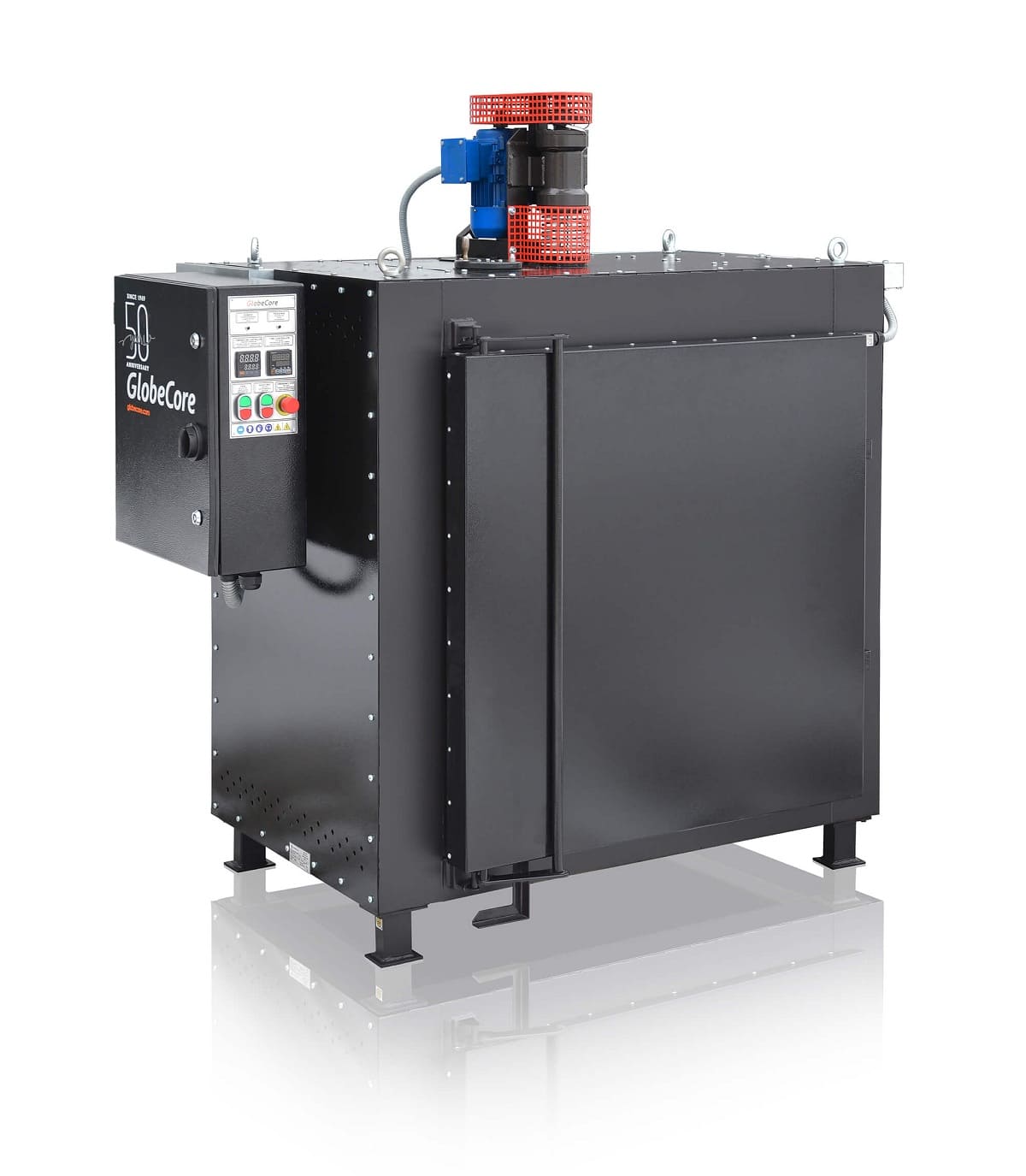
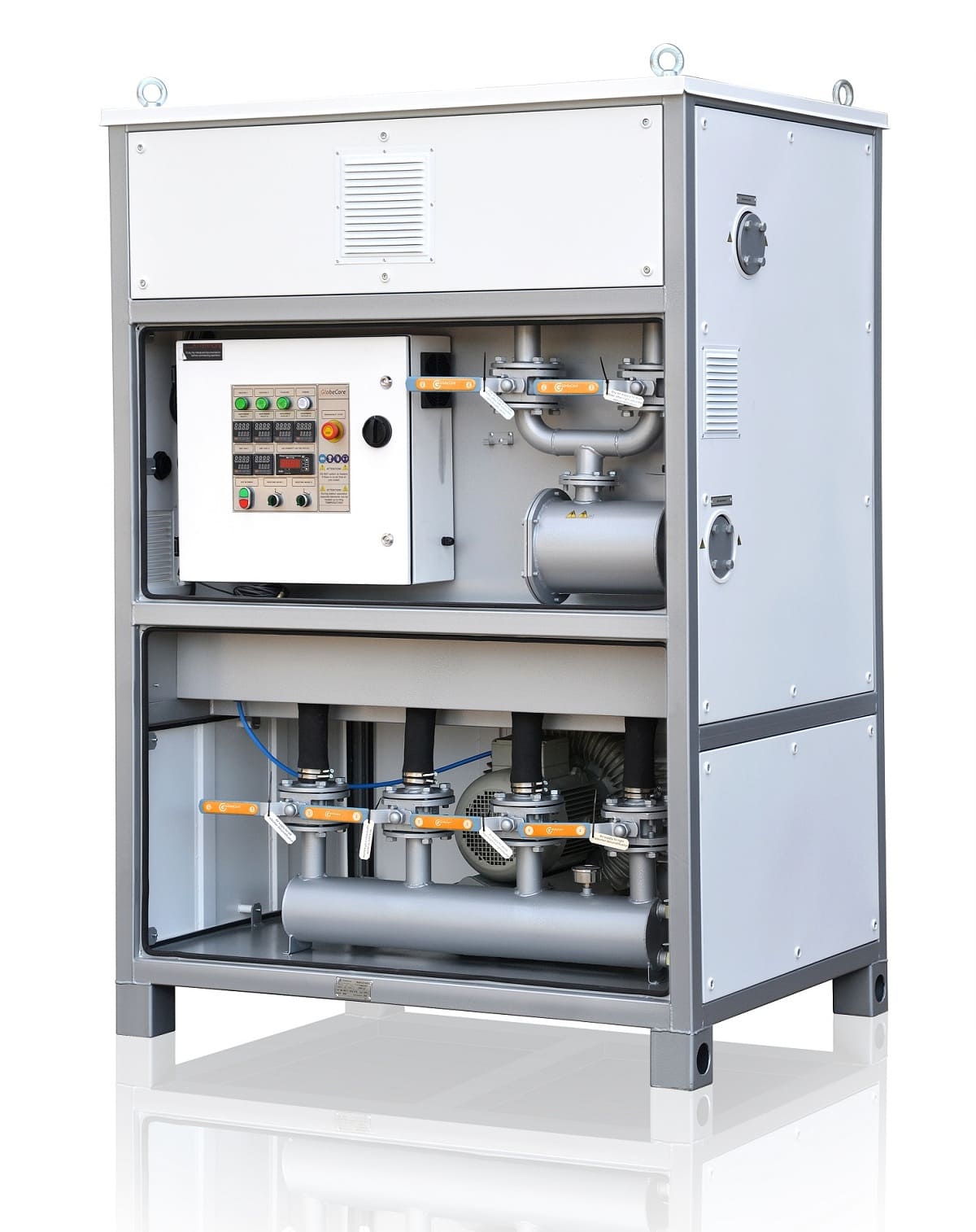
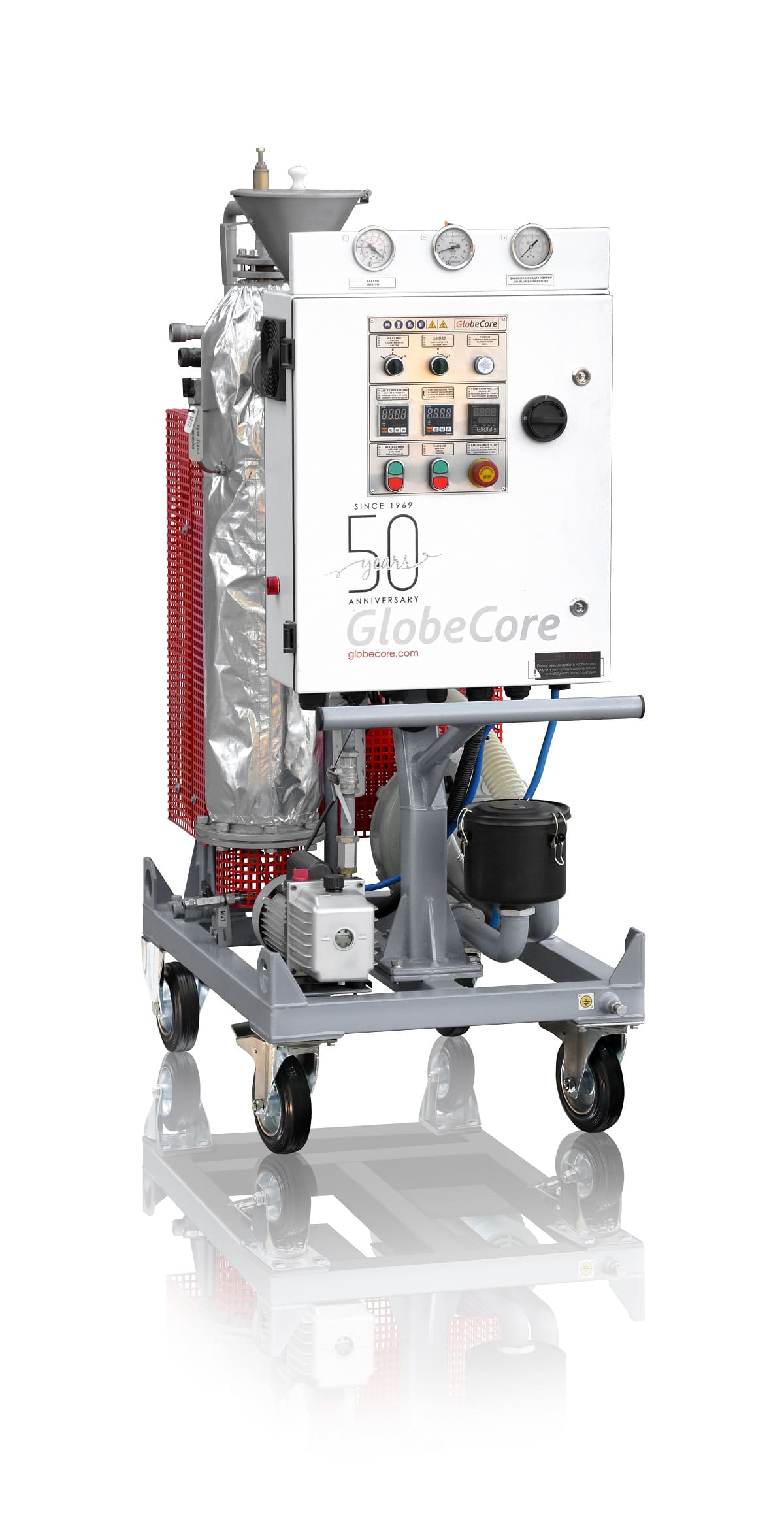
It’s the removal of contaminants from insulating oil using filtration, vacuum dehydration, and degassing. GlobeCore builds high-performance purification units that bring oil back to IEC standards, even under load.
-
February 18, 2026 at 8:25 am by Craig Price
In addition to removing the particulate matter and moisture, transformer oil purification also plays a key role in restoring and maintaining the dielectric and thermal properties of transformer oil over time. Even the initially compliant oil can degrade while in use due to oxidation, sludge development, and gas evolution. These byproducts not only reduce breakdown strength, but also accelerate the aging of paper insulation and other internal components.
Modern purification systems often combine multiple processes, such as vacuum dehydration, electrostatic filtration, and fine particulate removal, to handle a wide range of contaminants efficiently and with minimum interruption to operation. This comprehensive approach helps in extending the transformer service life, reducing the maintenance costs, and maintaining the operational reliability between oil change intervals.
For a deeper look at the different methods used in mineral oil purification and how they compare, I recommend checking out this article: https://globecore.com/oil-processing/classification-of-mineral-oil-purification-methods/. -
February 18, 2026 at 8:31 am by Brian Allen
You’ve summarized the key points neatly. Transformer oil purification not only strips out particulate and dissolved water but also removes oxidation products and dissolved gases that lower dielectric strength and accelerate paper insulation aging; left unchecked these byproducts form sludge, promote further oxidation and reduce heat transfer, shortening transformer life. Modern purification restores both dielectric and thermal performance so the oil can continue to protect windings and cellulose insulation between full oil changes.
Today’s high‑performance systems combine vacuum dehydration/degassing, thermal vacuum processing, multi‑stage mechanical and electrostatic filtration, and online monitoring so conditioning is triggered only when needed. Equipment that can operate on energized units (online) and as regeneration systems will also extract oxidation products from the oil and paper, often taking moisture down to single‑digit ppm, improving ISO 4406 cleanliness classes and restoring dielectric strength (case results have shown jumps from ~30 kV to ~70 kV after treatment). For practical use, monitor moisture and oil‑quality indices continuously and schedule vacuum dehydration/regeneration before gas or moisture levels force outages; if you want, tell me transformer size and oil type and I can suggest typical throughput and treatment options.