

Oil bleaching
What maintenance is required for an oil bleaching system?
- This topic has 3 replies, 4 voices, and was last updated 1 week ago by .
Answers
-
October 7, 2024 at 4:31 pm by Alberico Monicelli
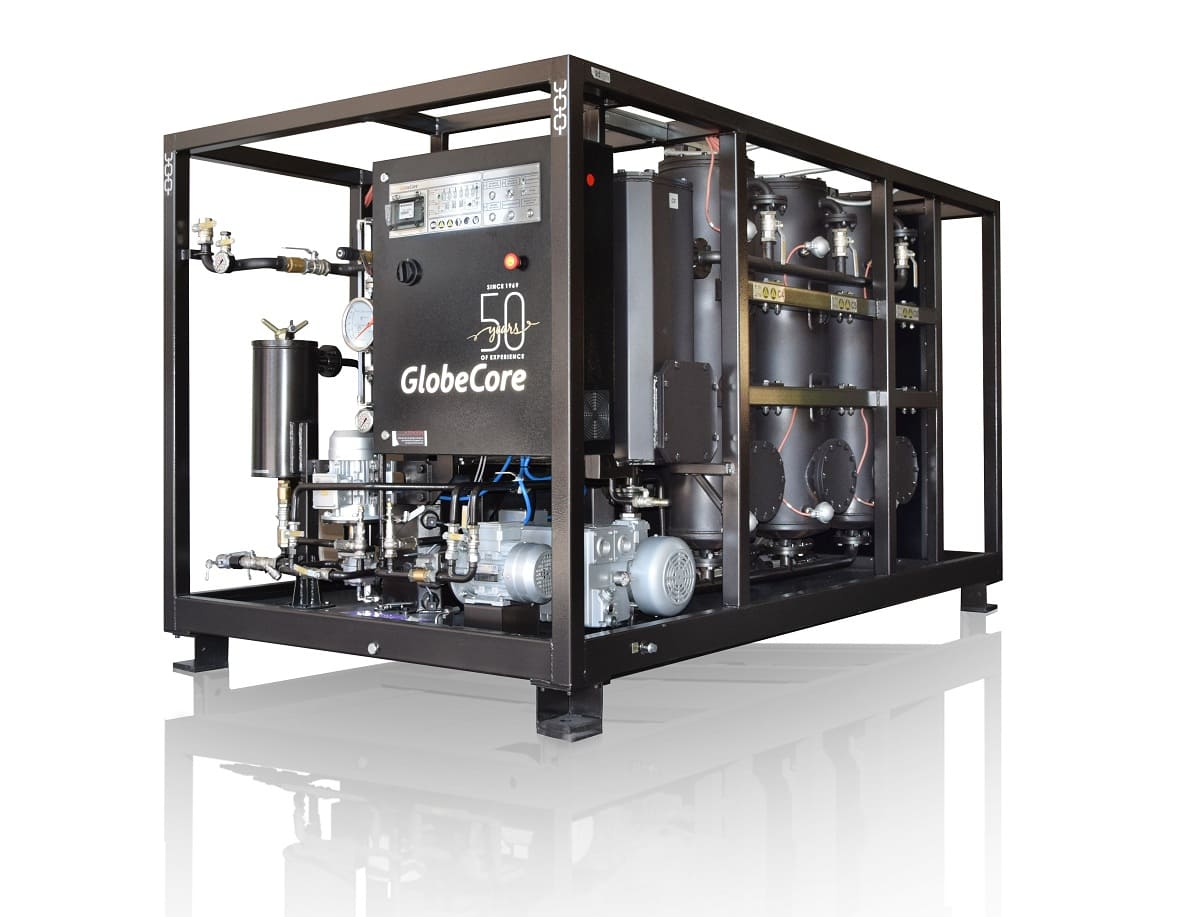
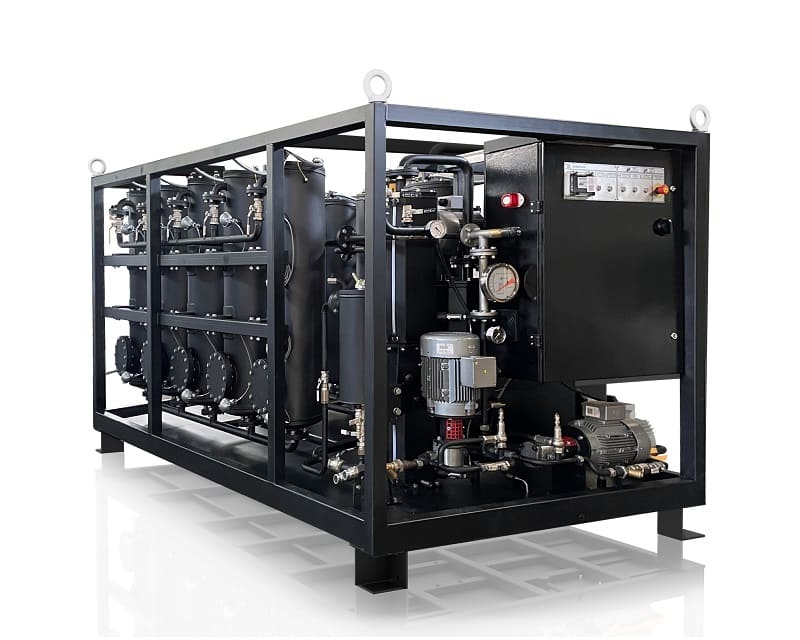
Maintenance of an oil bleaching system includes regular inspection of mixing tanks, heating systems, and filtration units. Filters need to be cleaned or replaced periodically, and the system should be checked for leaks and proper vacuum operation. The bleaching agents should be replaced as needed to maintain efficiency.
-
March 24, 2026 at 8:20 am by Craig Price
A useful addition to the discussion is that maintenance of an oil bleaching system should also focus on process parameter stability, rather than solely on mechanical components. Even when the equipment is in good condition, deviations in temperature, vacuum level, or contact time can significantly reduce bleaching efficiency or even lead to oil degradation. For example, insufficient vacuum may contribute to oxidation, while excessive temperature may adversely affect oil quality.
Another important point is the condition of oil during the filtration stage. Over time, filter media and filter cake buildup can reduce permeability, increasing differential pressure and lowering throughput. Routine monitoring of filtration performance and timely replacement of filter elements help prevent bottlenecks and maintain consistent product quality. Since bleaching relies heavily on adsorption and subsequent filtration, this stage is just as critical as the reactor.
If you want to explore how proper maintenance integrates with overall system design and adsorption processes (including the use of bleaching earth), this article provides a helpful overview: https://globecore.com/oil-processing/oil-bleaching/. -
March 24, 2026 at 8:25 am by Tyler Walker
Exactly — process parameter stability is as important as mechanical upkeep for consistent bleaching performance. Keep tight control and logging of temperature, vacuum level and oil residence/contact time, and use automated controls and alarms with regular calibration. Deviations such as insufficient vacuum can accelerate oxidation, while excessive temperature or too-short contact time will reduce adsorption efficiency or damage the oil, so monitor color index, acid number and peroxide values as part of routine checks to catch process drift early.
Filtration and adsorption stages deserve equal attention: filter media and filter cake progressively reduce permeability, raising differential pressure and cutting throughput, so track pressure differentials and headloss and replace or clean filter elements before flow suffers. Because bleaching depends on Fuller’s earth adsorption, monitor sorbent performance and plan for in-place reactivation to extend sorbent life (reactivation can be done many times — on the order of hundreds of cycles) and eventual safe disposal when capacity is exhausted. Integrating these operational checks with preventive maintenance of pumps, vacuum systems and heaters keeps product quality consistent and minimizes unplanned downtime.