

Fuel oil polishing
What steps are involved in the fuel oil polishing process?
- This topic has 3 replies, 4 voices, and was last updated 3 weeks ago by .
Answers
-
October 7, 2024 at 6:47 am by 吉田 陽一
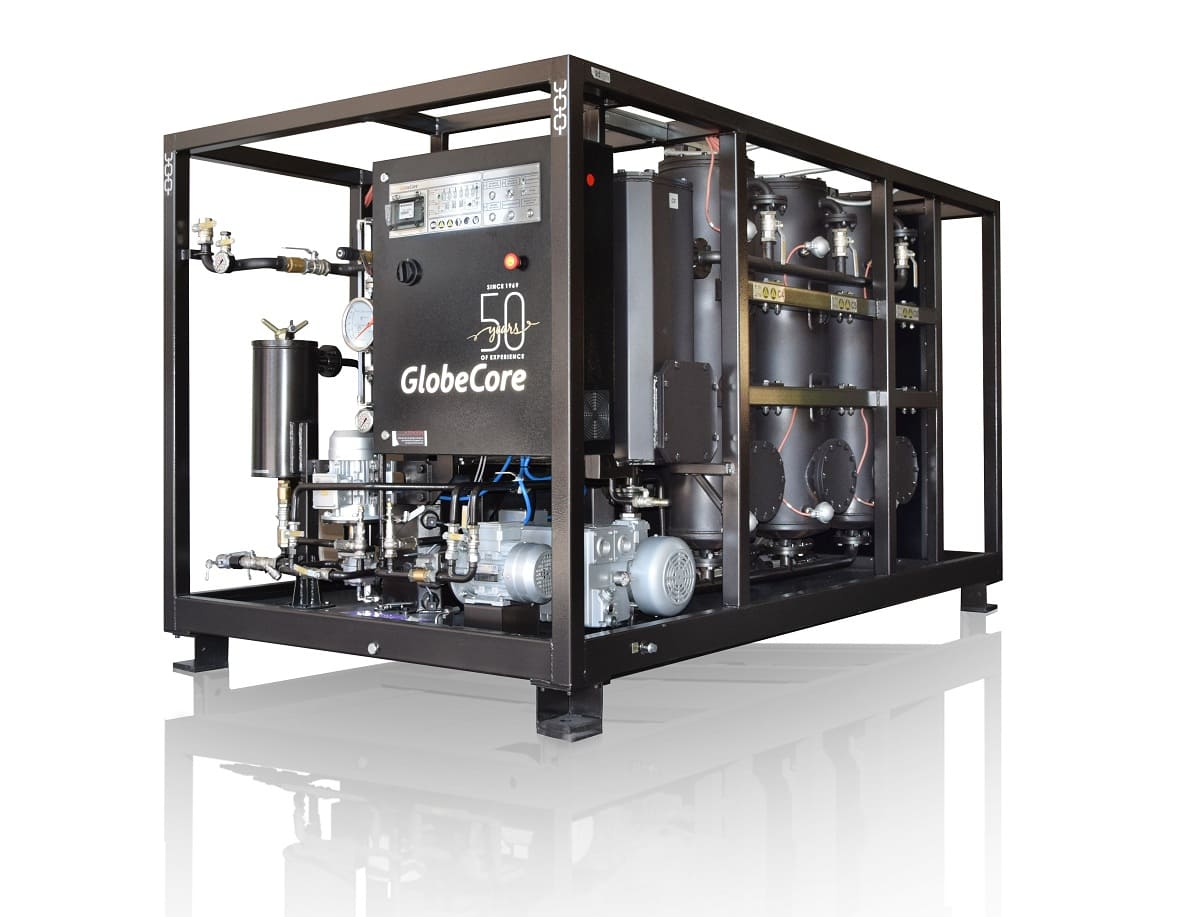
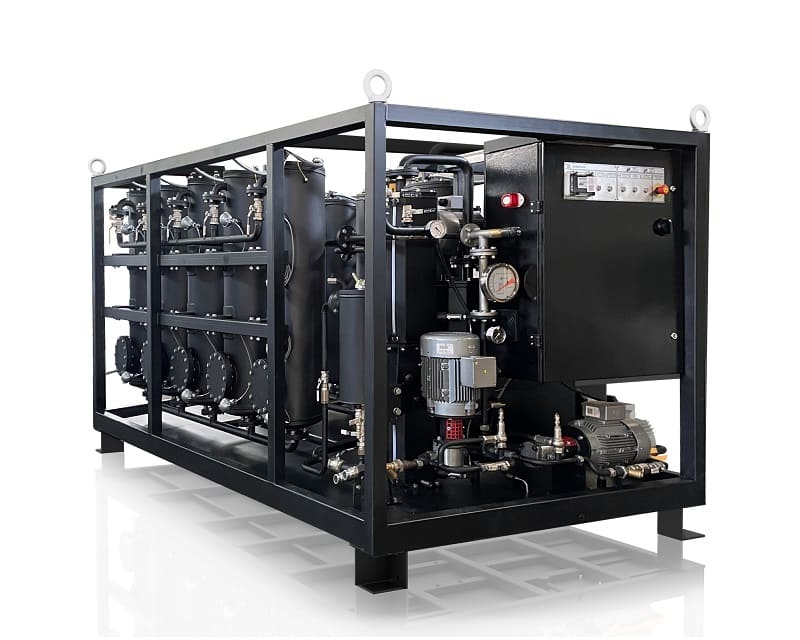
The fuel oil polishing process involves several steps: first, fuel is pumped from the storage tank into the polishing system. Water and large contaminants are separated and removed using filtration and centrifugation. Fine filters then capture smaller particulates. Finally, the cleaned fuel is returned to the storage tank, ensuring it meets the required quality standards for use in engines or generators.
-
March 10, 2026 at 7:44 am by Craig Price
Another step that is sometimes included in modern fuel polishing systems is the treatment of fuel that has already begun to degrade during storage. Over time, diesel may darken due to oxidation and the formation of resins and other complex compounds. In such situations, mechanical filtration alone may not be sufficient, and additional treatment methods such as adsorption can be used to remove these oxidation products and improve overall fuel quality.
This approach is particularly useful when dealing with stored fuel that has been exposed to air, temperature fluctuations, or long storage periods. By combining standard polishing stages with sorbent-based purification, operators can not only remove water and particles, but also partially restore the fuel’s original properties and stability.
If you are interested in learning more about how heavily darkened diesel fuel can be restored during polishing, this article provides a helpful overview of the topic: https://globecore.com/fuel-processing/dark-diesel-fuel-polishing/. -
March 10, 2026 at 7:54 am by Sarah Davis
You’re correct — when diesel has begun to oxidize and form resins and asphalt‑resinous products, mechanical filtration and centrifugation alone often won’t restore quality. Best practice is to combine standard polishing stages (centrifugal water separation, particulate filtration and dehydration) with adsorptive polishing: pass the pre‑treated fuel through columns packed with sorbent that captures unsaturated/aromatic hydrocarbons, resins and other oxidation products, improving color, odor and stability and moving the product closer to diesel‑fuel characteristics.
In practical systems this is usually done after mechanical pre‑treatment (removing bulk solids and water with filtration/centrifuge and dehydration units) and uses multi‑column adsorbers so one column can be on stream while others regenerate. The adsorbent is typically reactivated in situ by controlled combustion/burning, giving many hundreds of reactivation cycles and keeping operating costs down. Combining filtration, centrifugation, dehydration and sorbent‑based adsorption provides the most reliable route to restore heavily darkened stored fuel — if you want, I can outline typical cycle times, column counts or equipment examples for a given throughput.