

Air drying
What Transformer Drying Methods are recommended for different types of transformer maintenance scenarios?
- This topic has 3 replies, 4 voices, and was last updated 1 month, 1 week ago by .
Answers
-
October 4, 2024 at 3:36 pm by Haruto Tanaka
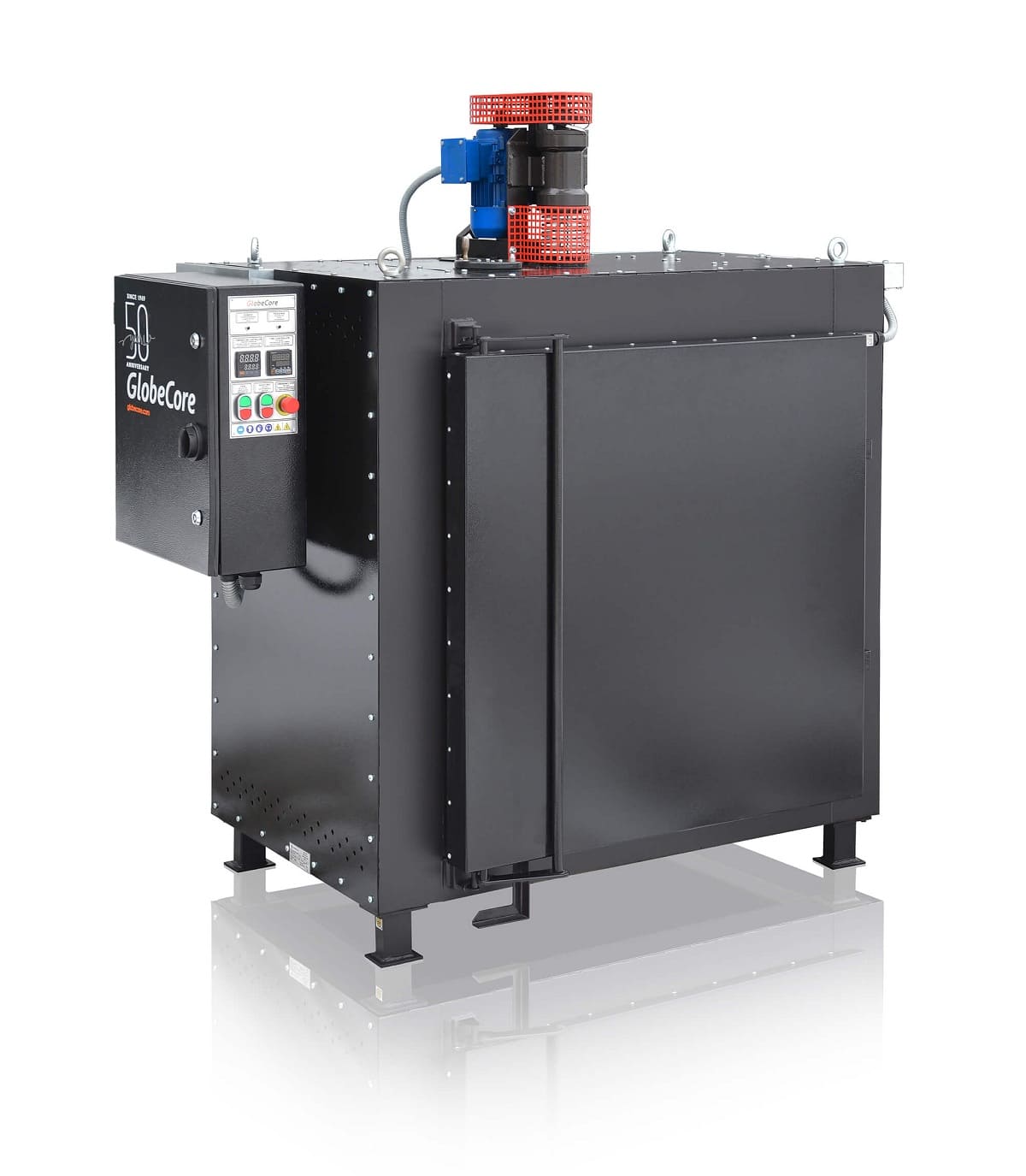
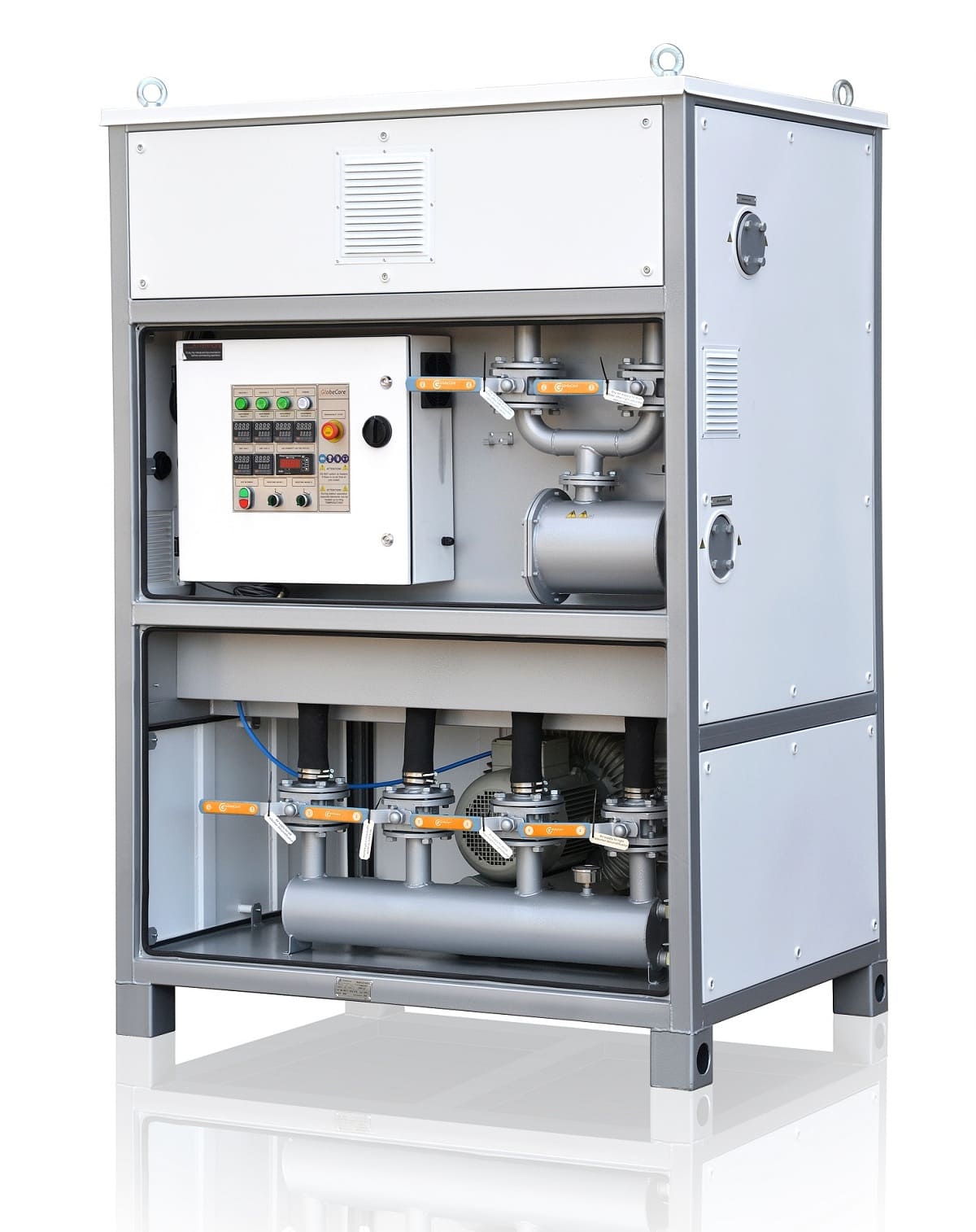
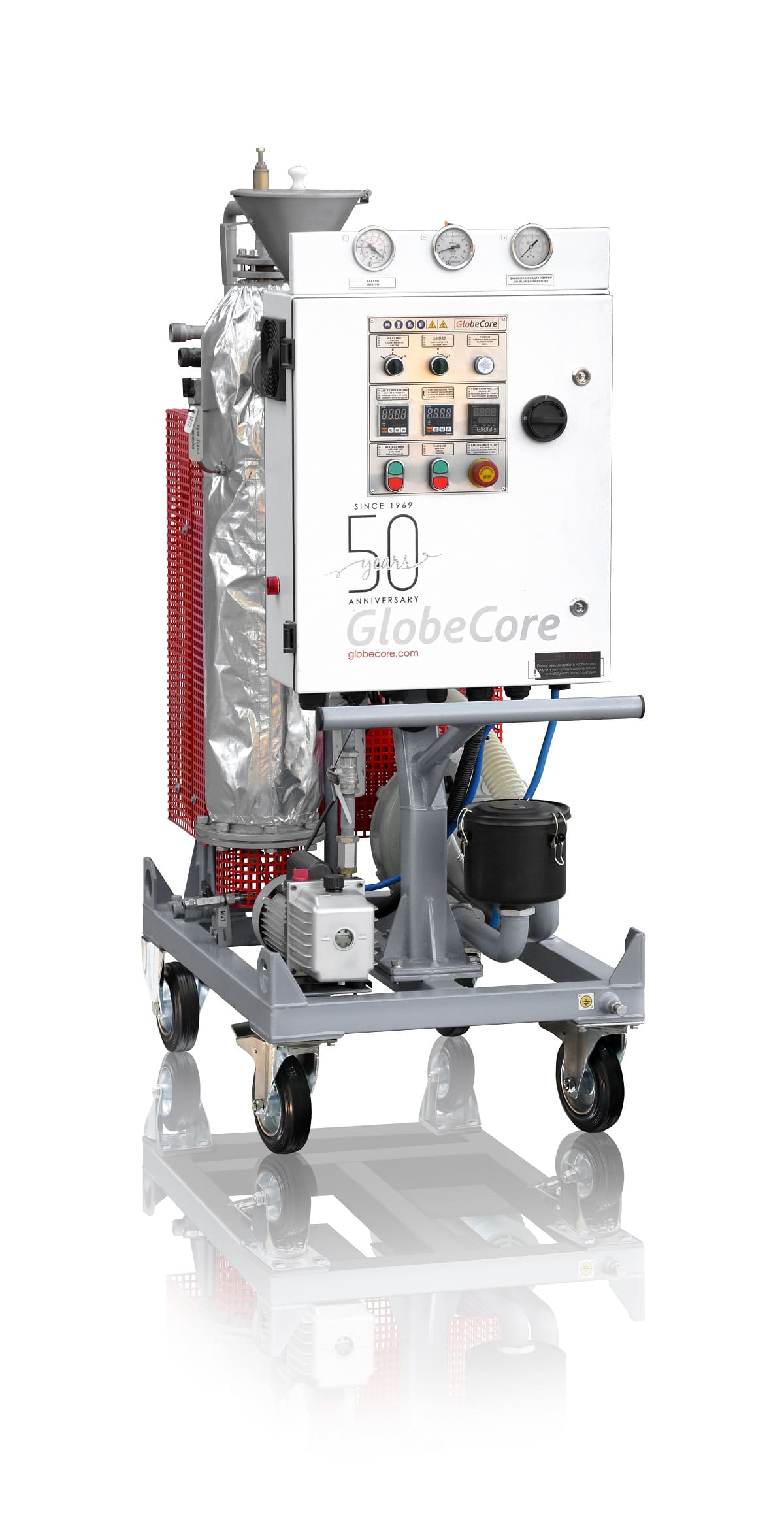
Different Transformer Drying Methods are recommended based on the specific maintenance scenarios and the extent of moisture contamination. Air Drying is suitable for routine maintenance and low to moderate moisture levels, utilizing dry air circulation to gradually remove moisture from the oil. Vacuum Dehydration is recommended for more severe moisture contamination, as it employs reduced pressure to enhance moisture evaporation at lower temperatures, making it more effective in critical situations. Heat Drying combines elevated temperatures with air circulation to accelerate the drying process, suitable for transformers that require rapid moisture removal. Centrifugal Separation can be used in conjunction with drying methods to remove particulate contaminants alongside moisture. For transformers that have undergone significant repairs or are being prepared for commissioning, a combination of these methods may be employed to ensure thorough drying and restoration of oil quality. Selecting the appropriate drying method ensures effective moisture removal tailored to the transformer’s maintenance needs.
-
February 20, 2026 at 8:23 am by Craig Price
Another important consideration when selecting the transformer drying methods comprises operational context and long-term performance goals of the transformer in question. For example, in environments with seasonal humidity fluctuations or where transformers are frequently cycled offline, ongoing moisture ingress can gradually degrade the quality of insulation even after an initial drying cycle. In such cases, a combination of preventive moisture monitoring and periodic redrying with the use of methods like staged vacuum cycles or controlled heating can extend the service life and reduce the risk of insulation breakdown.
Furthermore, different types of transformers, such as oil-immersed distribution units versus large power transformers with complex structure of windings, may respond in different ways to the same drying technique. Large units with tightly packed windings often benefit from hybrid approaches that integrate vacuum drying with pressurized drying phases, ensuring thorough moisture removal from deep internal voids that a simple air drying process might not reach.
Post-drying verification is also essential: moisture analysis, dielectric strength testing, and continuous humidity logging help you confirm that the selected method has achieved the desired result and provide valuable data for future maintenance planning.
For deeper insight into how drying strategies vary depending on insulation type and condition—particularly with regard to transformer insulation drying principles and practices—you may find this article helpful: https://globecore.com/transformer-maintenance/drying-of-transformer-isolation/. -
February 20, 2026 at 8:27 am by Kevin White
You’re exactly right to stress operational context and long-term performance: in humid climates or where assets are frequently cycled offline, continuous moisture monitoring and a planned redrying strategy are as important as the initial drying. For in-service or minimal-downtime intervention, online dry-out systems such as CMM-260C or TOR-4 are well suited because they allow controlled moisture removal while the unit remains energized or with short outages; combine these with continuous humidity logging, oil and paper moisture analysis, and periodic dielectric strength tests to track trends and trigger staged redrying before insulation health degrades.
For deep contamination or complex, tightly wound large power transformers a hybrid, more aggressive approach is usually required. Hot-oil flushing with vacuum (hot oil sprayer such as the CMM‑RM used with a CMM drying plant) heats and flushes windings and, followed by two‑stage high vacuum cycles, pulls moisture from deep insulation (typical targets after cycling are ≤0.5% mass for new units and ≤1.5% for in-service units). If the tank cannot withstand full vacuum, remove windings for vacuum oven drying (transformer vacuum furnace US‑6S provides uniform, intensive drying). Post‑drying verification — oil and paper moisture, dielectric breakdown voltage, and continuous humidity logging — closes the loop and informs future maintenance windows and redrying cadence.