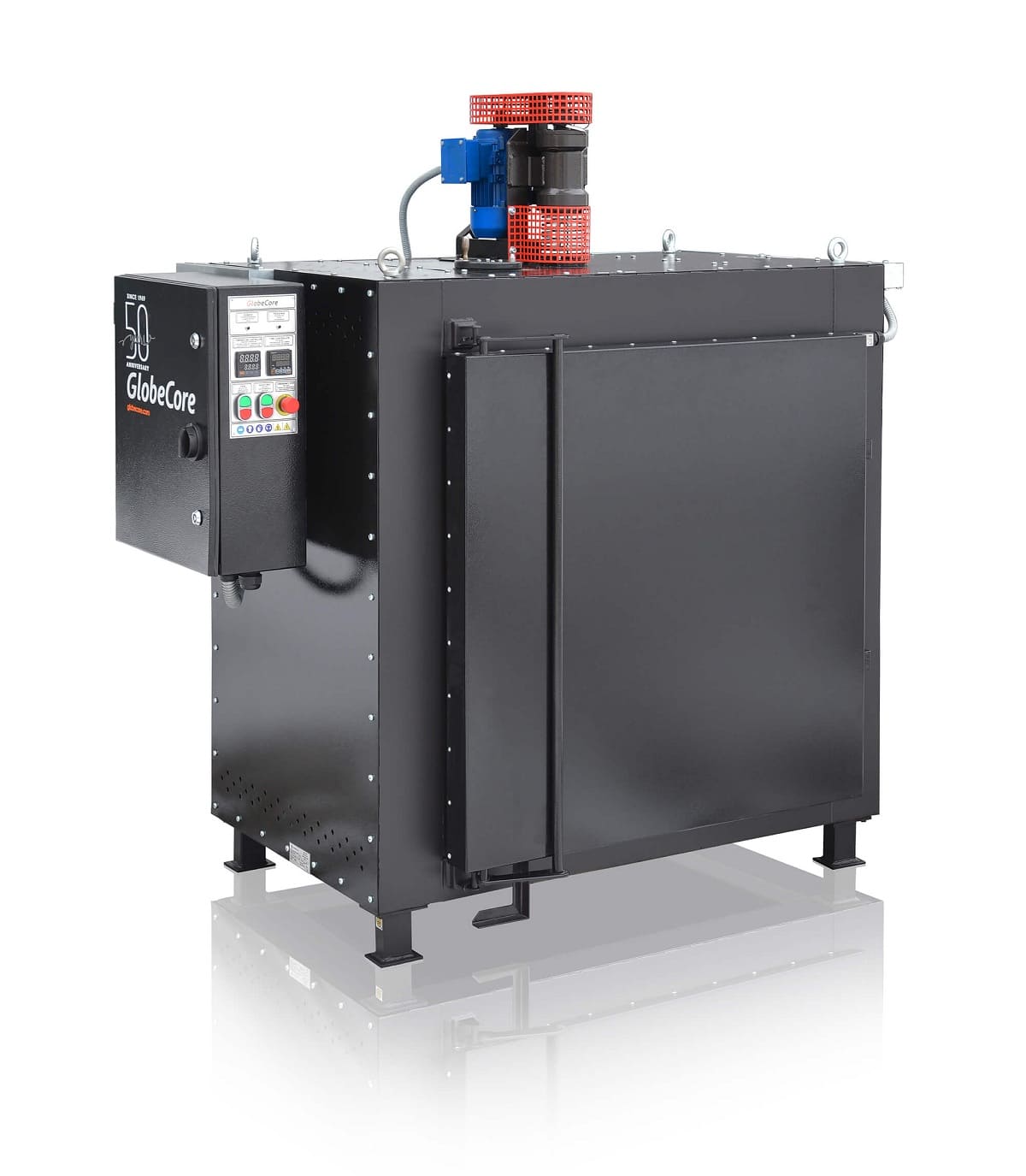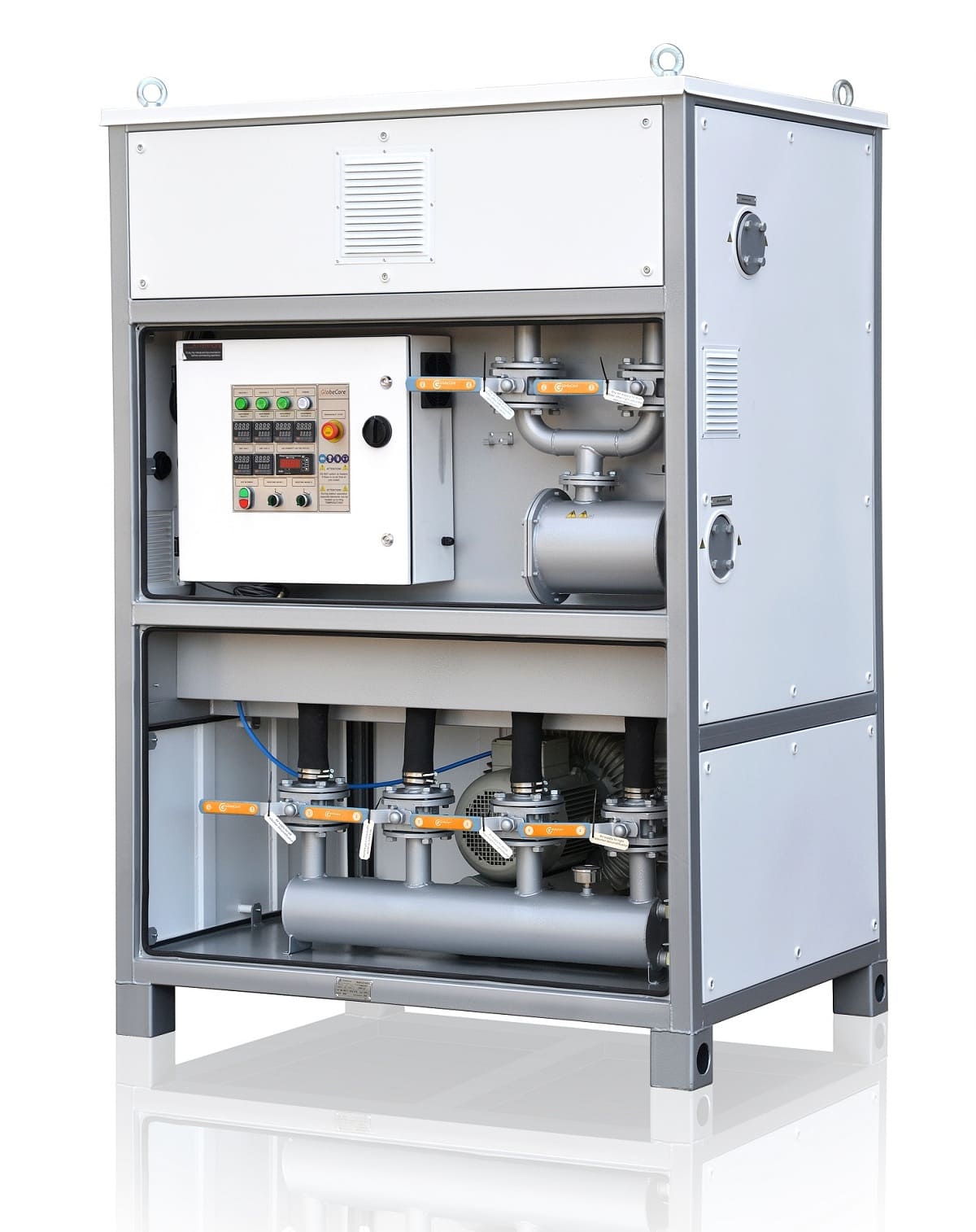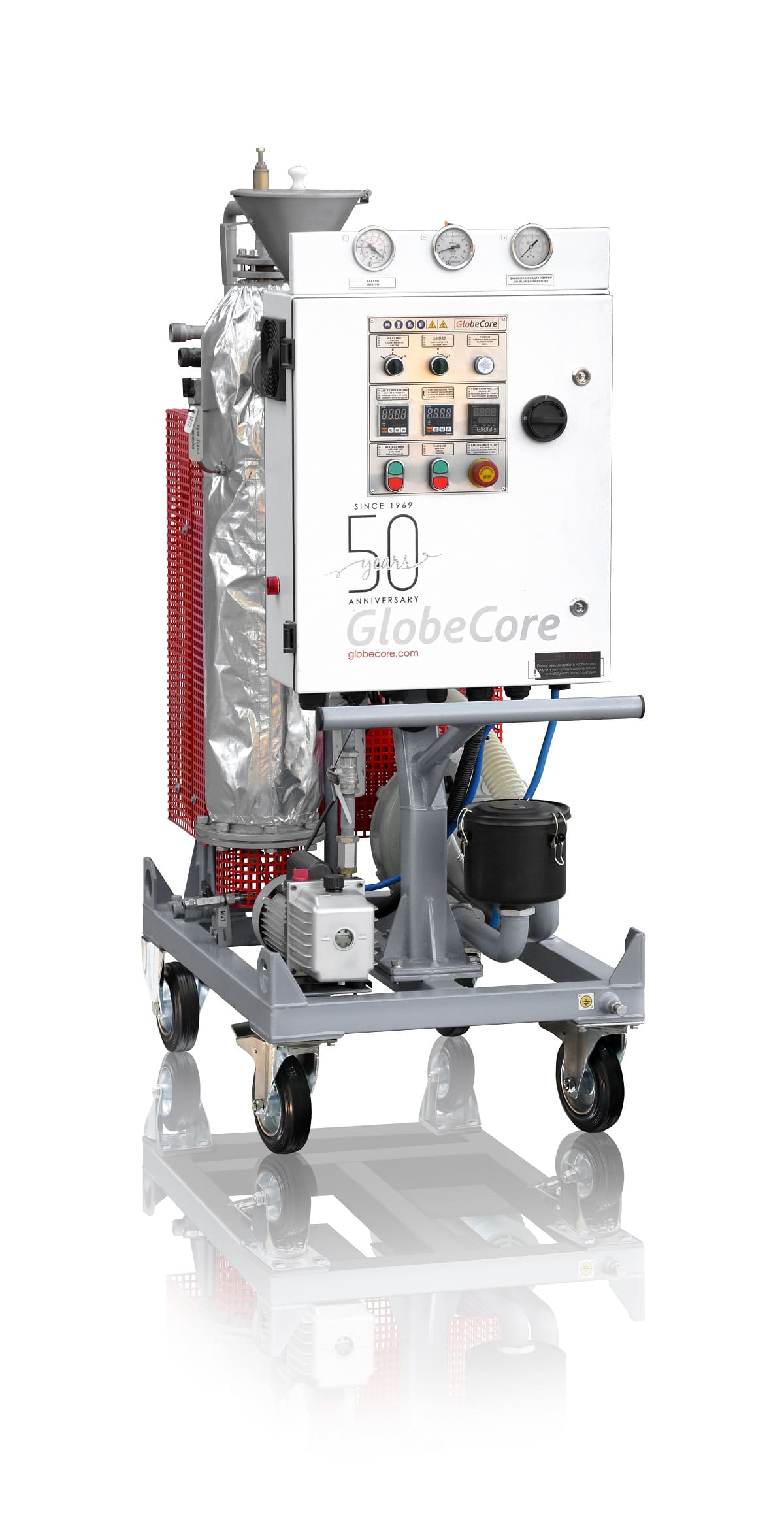


Air drying
Why is Drying Out of Transformer essential for maintaining transformer efficiency and longevity?
- This topic has 3 replies, 4 voices, and was last updated 1 month ago by .
Answers
-
October 4, 2024 at 1:10 pm by Haruto Tanaka
Drying Out of Transformer is a critical maintenance procedure aimed at removing moisture from transformer oil. Moisture within the oil can severely impair its insulating properties, leading to reduced dielectric strength and an increased risk of electrical discharges. Additionally, water in the oil accelerates the aging process of both the oil and the transformer’s internal components, promoting corrosion and the formation of acidic byproducts. By effectively drying out the transformer, moisture is eliminated, thereby preserving the oil’s ability to insulate and cool the transformer efficiently. This not only enhances the immediate performance of the transformer by ensuring optimal electrical and thermal conditions but also significantly extends its operational lifespan by preventing premature degradation and mechanical failures.
-
February 23, 2026 at 10:33 am by Craig Price
In addition to the fundamental points already raised, it is useful to consider how moisture affects not only the oil, but also the broader insulation system and diagnostic indicators. Even relatively low levels of moisture dissolved in oil can redistribute under thermal and electrical stress, eventually migrating into cellulose insulation, where it accelerates dielectric weakening and chemical degradation. This process can be subtle and is not always immediately reflected in basic operating parameters, which is why advanced condition monitoring (e.g., dissolved gas analysis and relative moisture sensors) becomes more important once dry-out procedures are implemented.
It is also worth emphasizing that effective dry-out does not merely restore original performance; it stabilizes the transformer’s response to future load and temperature fluctuations, reducing the likelihood of marginal insulation breakdown during peak loading or transient events. In practice, this means that proactive moisture control and comprehensive dry-out strategies should be an integral part of any maintenance schedule, especially for transformers in high-humidity environments or those subjected to frequent load cycling.
For a more detailed look at the mechanisms of transformer insulation drying and best practices for maintaining insulation integrity over the long term, I recommend reading this article:
https://globecore.com/transformer-maintenance/drying-of-transformer-isolation/. -
February 23, 2026 at 10:39 am by Yara Haddad
You’re right to highlight the insulation system and diagnostics: moisture dissolved in oil will migrate into cellulose under thermal and electrical stress, accelerating depolymerization of paper, weakening mechanical strength and reducing dielectric strength even when basic operating parameters still look acceptable. That redistribution is often subtle, so relying only on oil-temperature or leakage-current trends can miss early degradation. Integrating dissolved gas analysis (DGA) and relative moisture sensors into condition monitoring gives much earlier warning of moisture-driven deterioration and helps verify the effectiveness of any dry‑out campaign.
Effective dry‑out does more than recover immediate performance; it stabilizes how the transformer responds to future load and temperature swings, lowering the chance of marginal insulation breakdown during peak loading or transients. Practical maintenance means proactive moisture control: schedule periodic condition monitoring, set targets for moisture in paper and oil (commonly ~0.5% mass for new units and ≈1.5% for in‑service units), and use appropriate drying methods such as vacuum drying or hot‑oil spray plus vacuum cycles where needed. In high‑humidity sites or for transformers with frequent load cycling, include comprehensive dry‑out and verification (DGA + moisture measurement) in routine maintenance to extend insulation life and keep dielectric strength reliable. For a deeper operational and procedural discussion, the article you linked provides a good technical walkthrough of drying mechanisms and best practices.