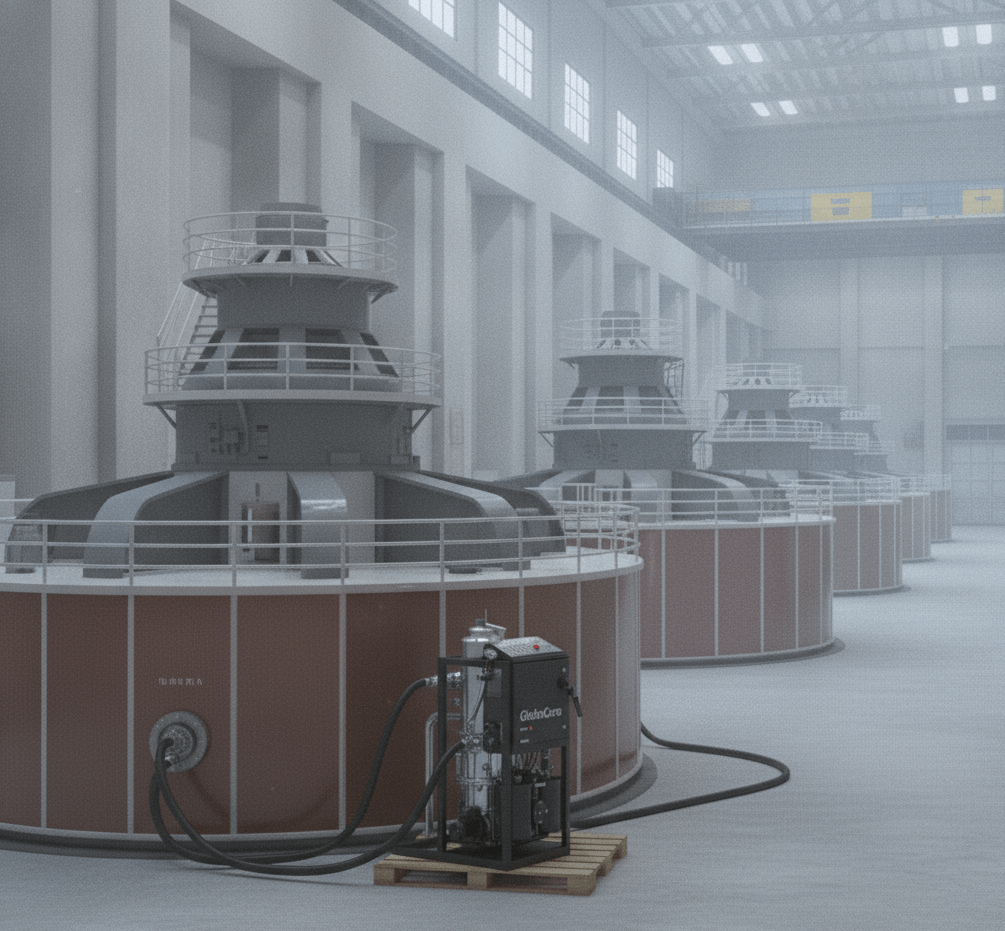
Hydropower plants are supposed to be low-maintenance. No fuel combustion, no extreme thermal cycling, no exhaust systems. The turbine spins, water does the work. And yet hydro turbine oil purification remains one of the most persistent operational headaches in the industry – because the dam environment is quietly brutal on oil systems in ways that don’t announce themselves until something fails.
The Dam Environment Is Hard on Oil
Water isn’t an occasional contamination risk in hydro facilities – it’s everywhere. It works through shaft seals, condenses in tanks, infiltrates through any gap the system offers. Unlike a thermal plant where heat helps drive moisture off, hydro turbines often run in cool, humid conditions that keep water suspended in the oil indefinitely.
Free water you can detect. Dissolved water is harder – it doesn’t show up visually, but it’s doing damage: accelerating oxidation, promoting varnish buildup on control valve surfaces, giving microbes something to grow in. By the time water content shows up as a maintenance problem, the oil has typically been degraded for a long time.
Add the sheer volume. Large Francis or Kaplan units can carry thousands of liters of turbine oil across their lubrication, sealing, and governor systems combined. That’s not a quick oil change – it’s a logistical operation, and doing it offline means taking generation capacity offline too.
What “Contamination” Actually Means Here
There’s a tendency to think of oil contamination as a single problem. It’s not – it’s three separate problems that interact.
Solid particles come from bearing wear, pipe scale, and anything that gets into the system during maintenance. They’re abrasive. They score bearing surfaces and stick in hydraulic valve clearances measured in microns. Studies of power equipment failures point to oil system problems as a factor in 20–25% of incidents – and particle contamination is a significant driver of that number.
Water disrupts the oil film, promotes oxidation, and in hydraulic governor systems causes erratic control response. At 10 ppm you’re managing it. Above that, you’re losing the protection margin that keeps bearings and seals functioning normally.
Dissolved gas gets less attention than it deserves. Turbine oil in operation typically carries around 6% dispersed air by volume – sometimes up to 15–18% in poorly maintained systems. That air affects oil compressibility, promotes foaming in return lines, and can cause localized cavitation damage. Standard filtration does nothing for it.
Effective hydro turbine oil purification has to address all three simultaneously, or you’re solving part of the problem.
Why Remote Location Changes Everything
Most discussions of oil purification assume access to workshop facilities, spare parts, and skilled technicians. Hydro plants frequently have none of those things nearby.
A dam in a mountain valley or a run-of-river plant on a remote waterway doesn’t have an oil treatment facility two kilometers away. Whatever equipment you bring has to work on-site, with the operators you have, for the duration it takes – and then move to the next unit if the plant has multiple turbines. That’s not a niche requirement. It’s the standard operating reality for a significant share of the global hydro fleet.
GlobeCore LT Series: Purpose-Built for Hydro Turbine Oil Purification
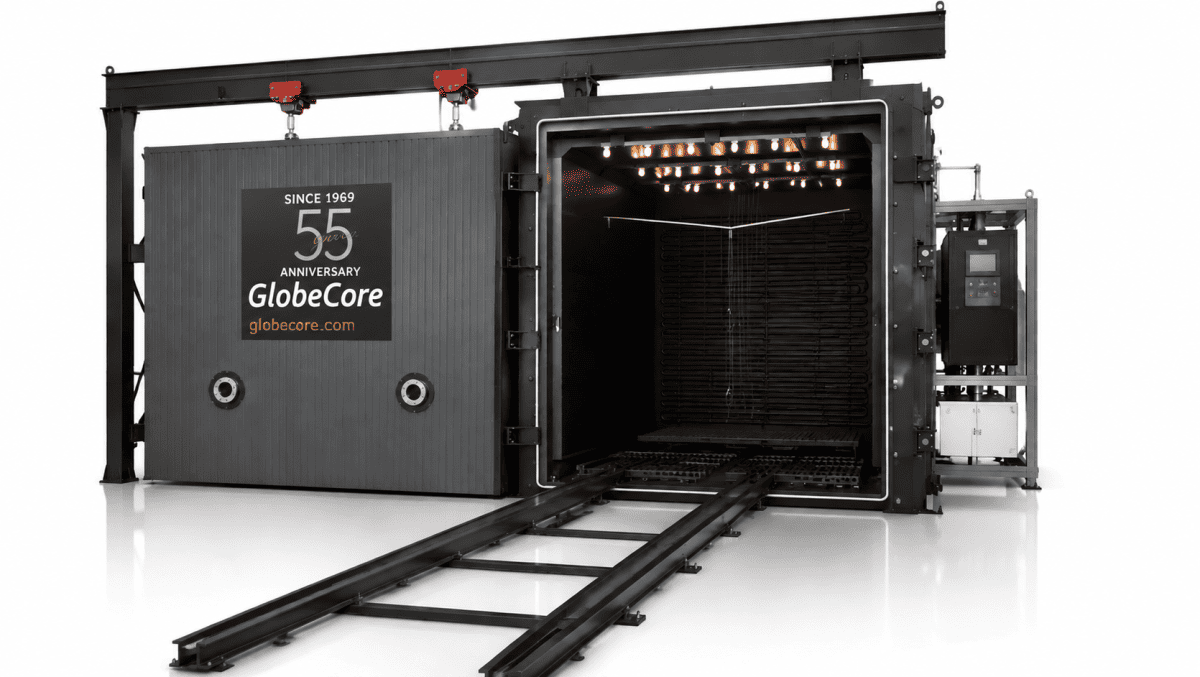
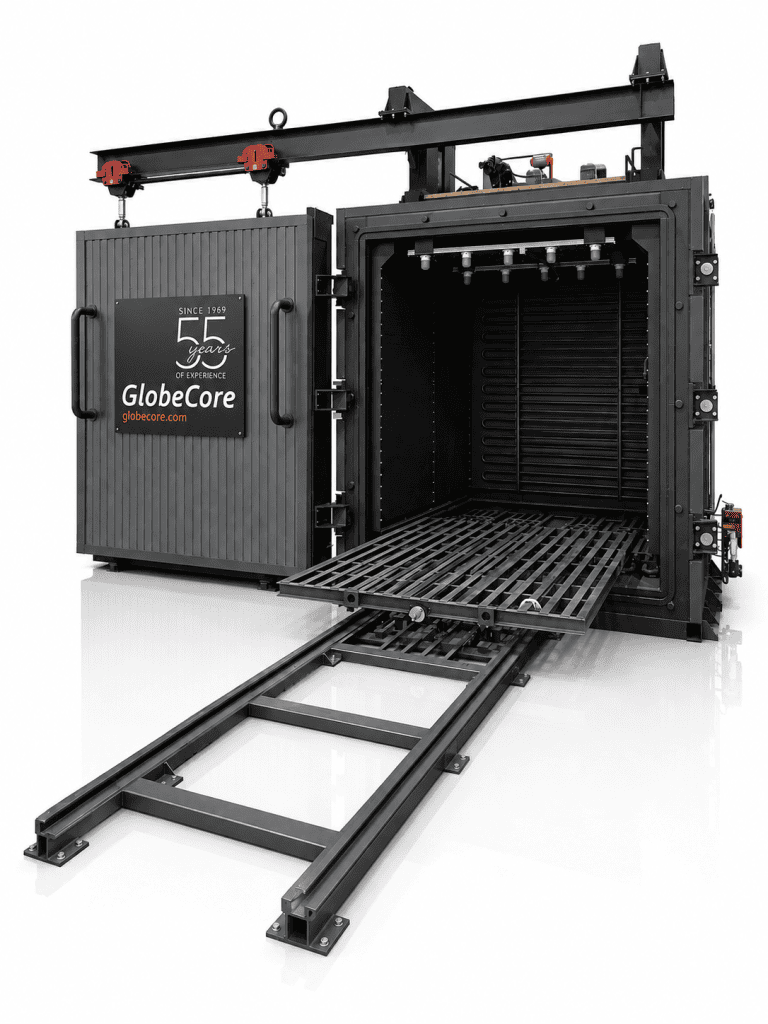
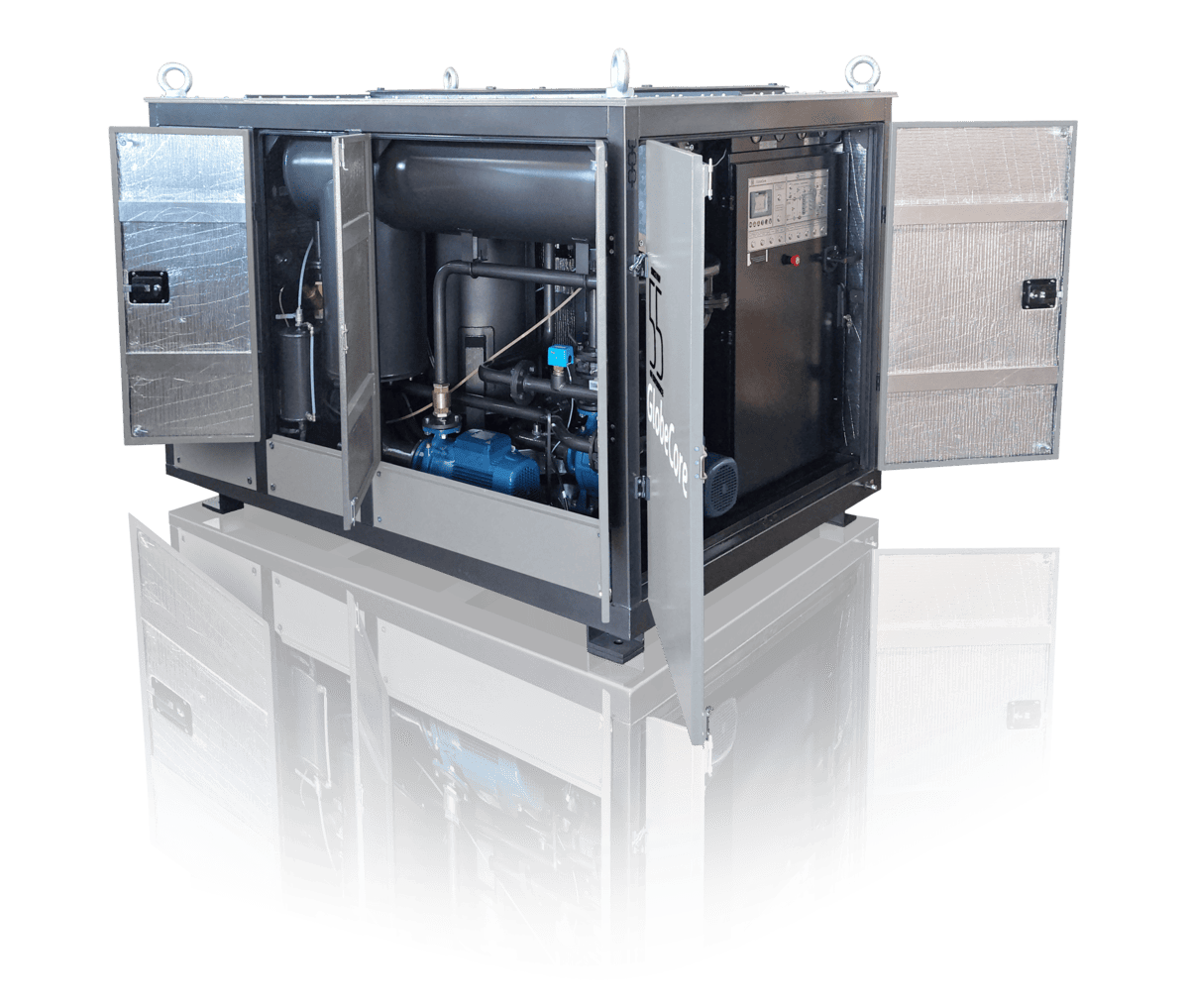
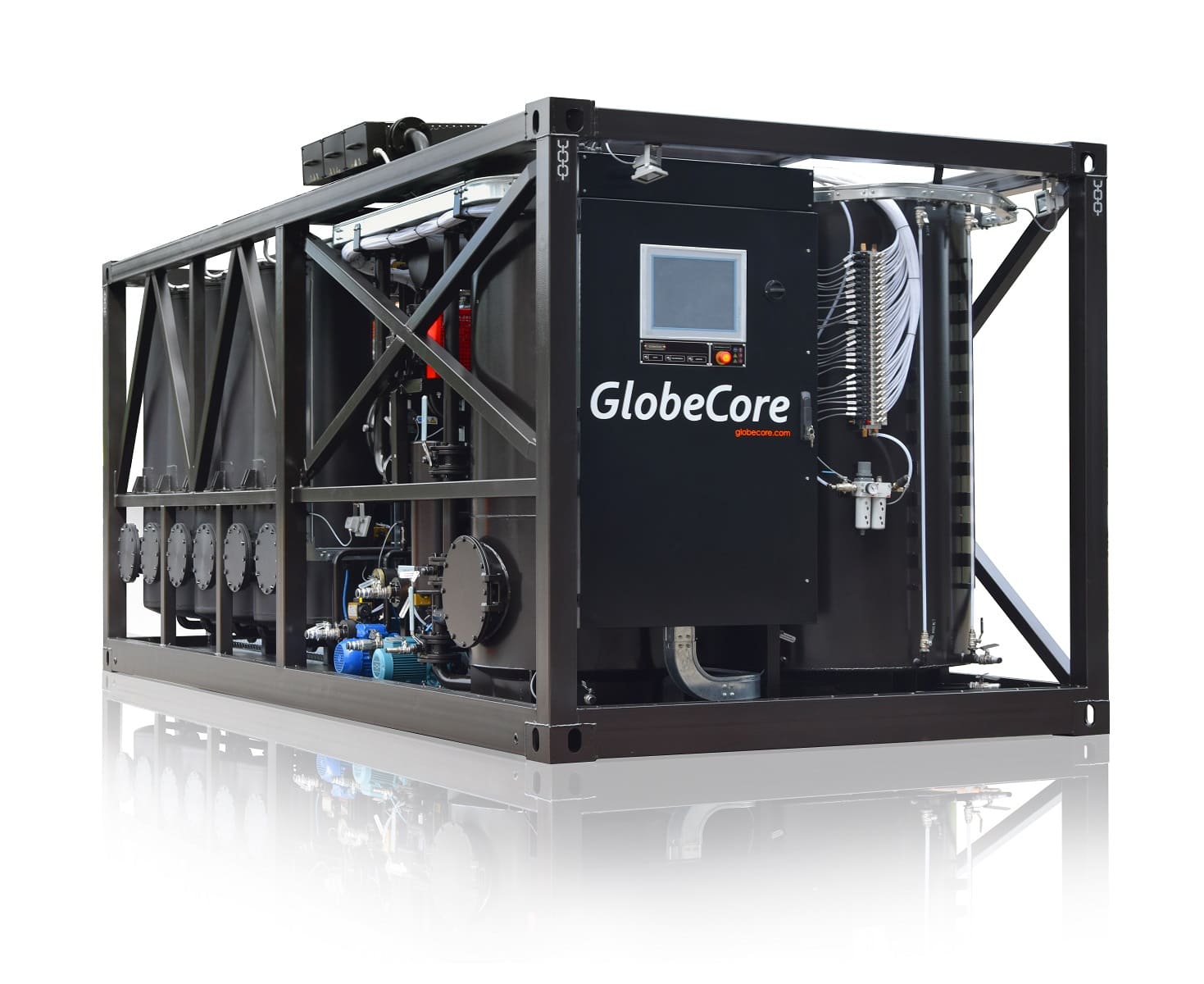
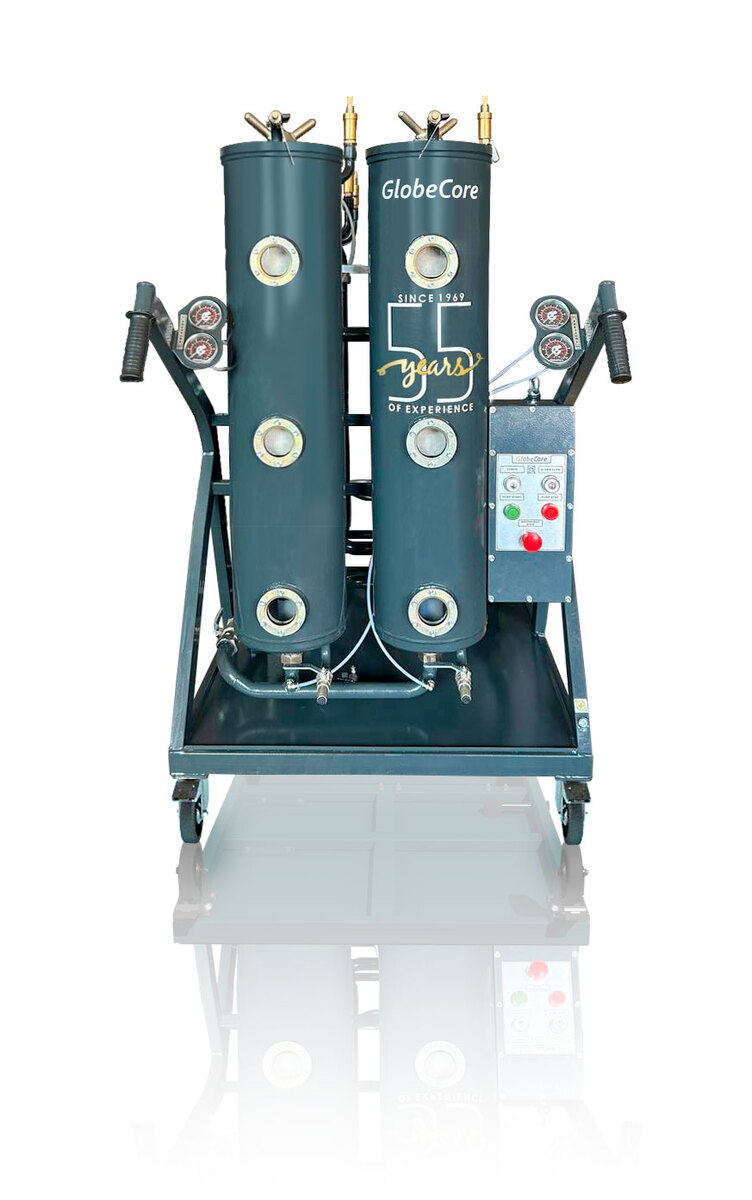
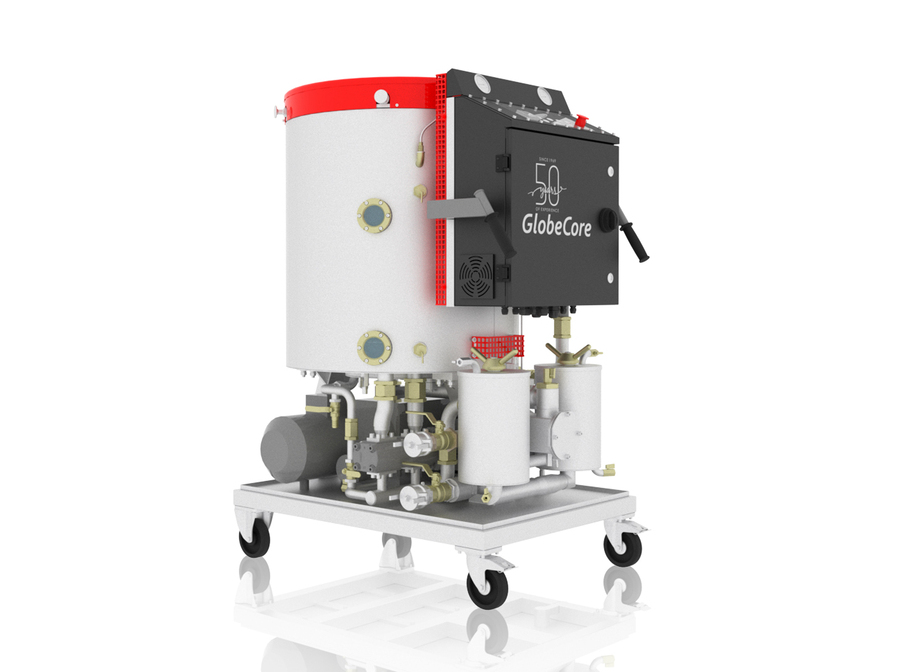
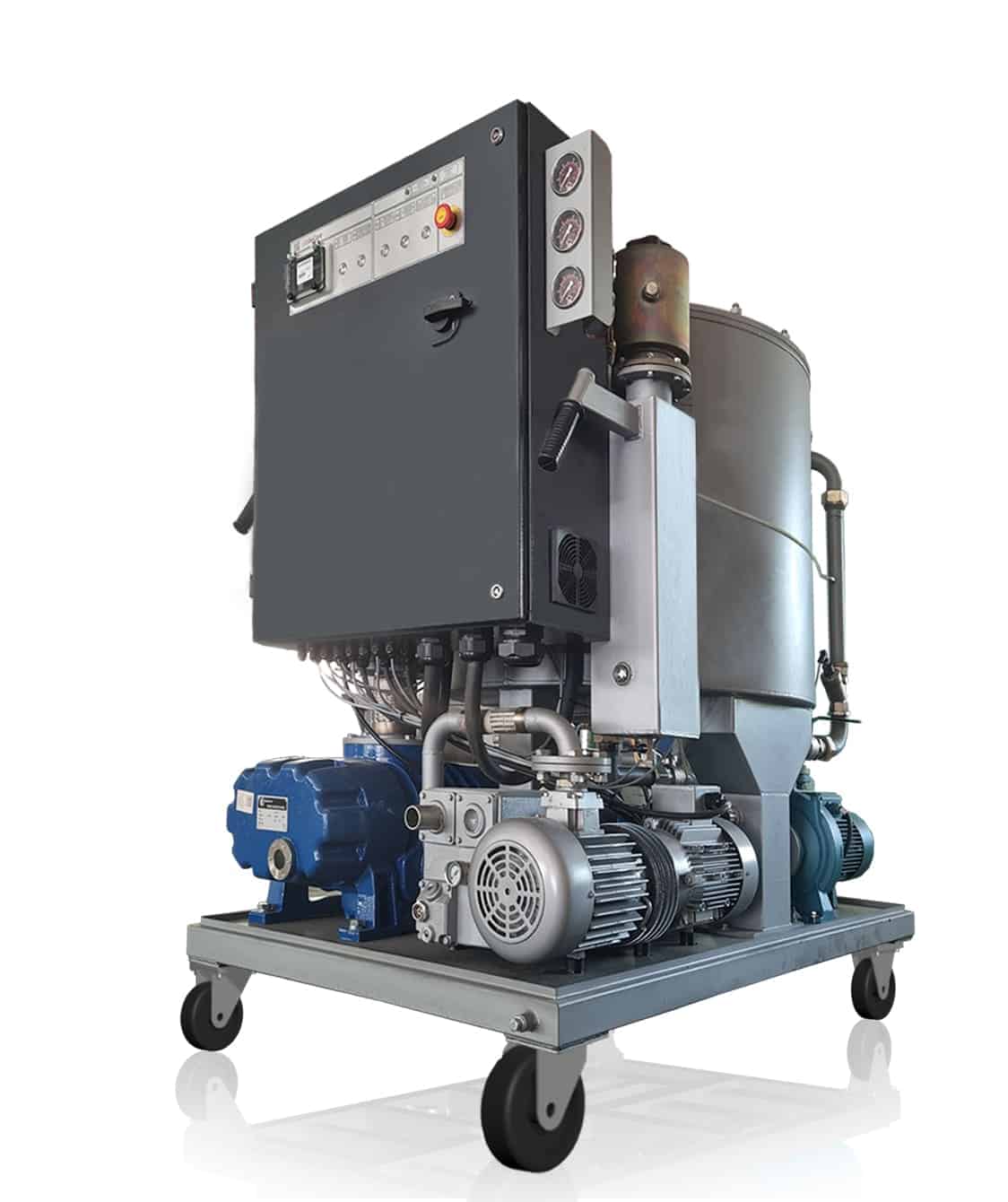
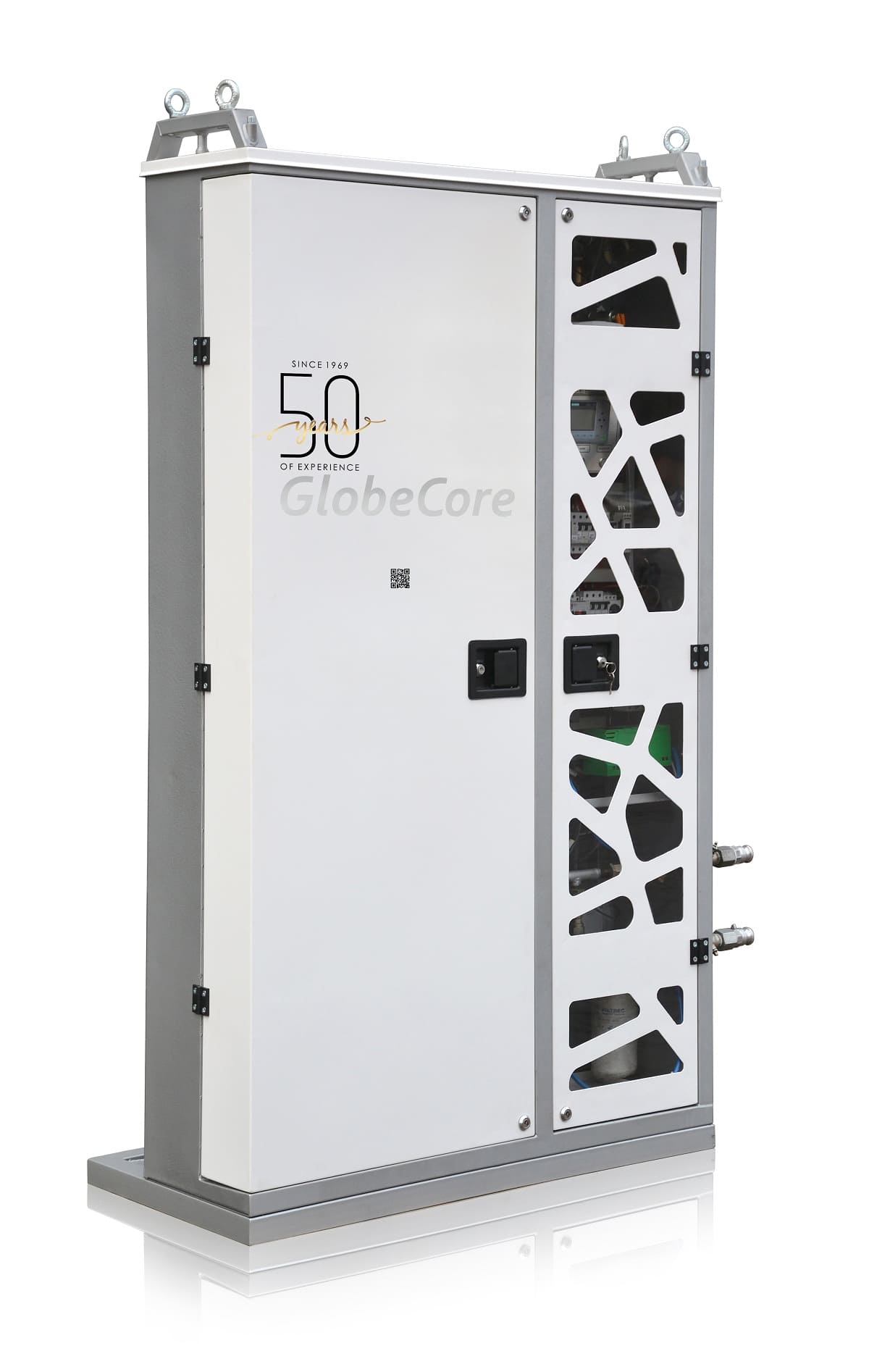
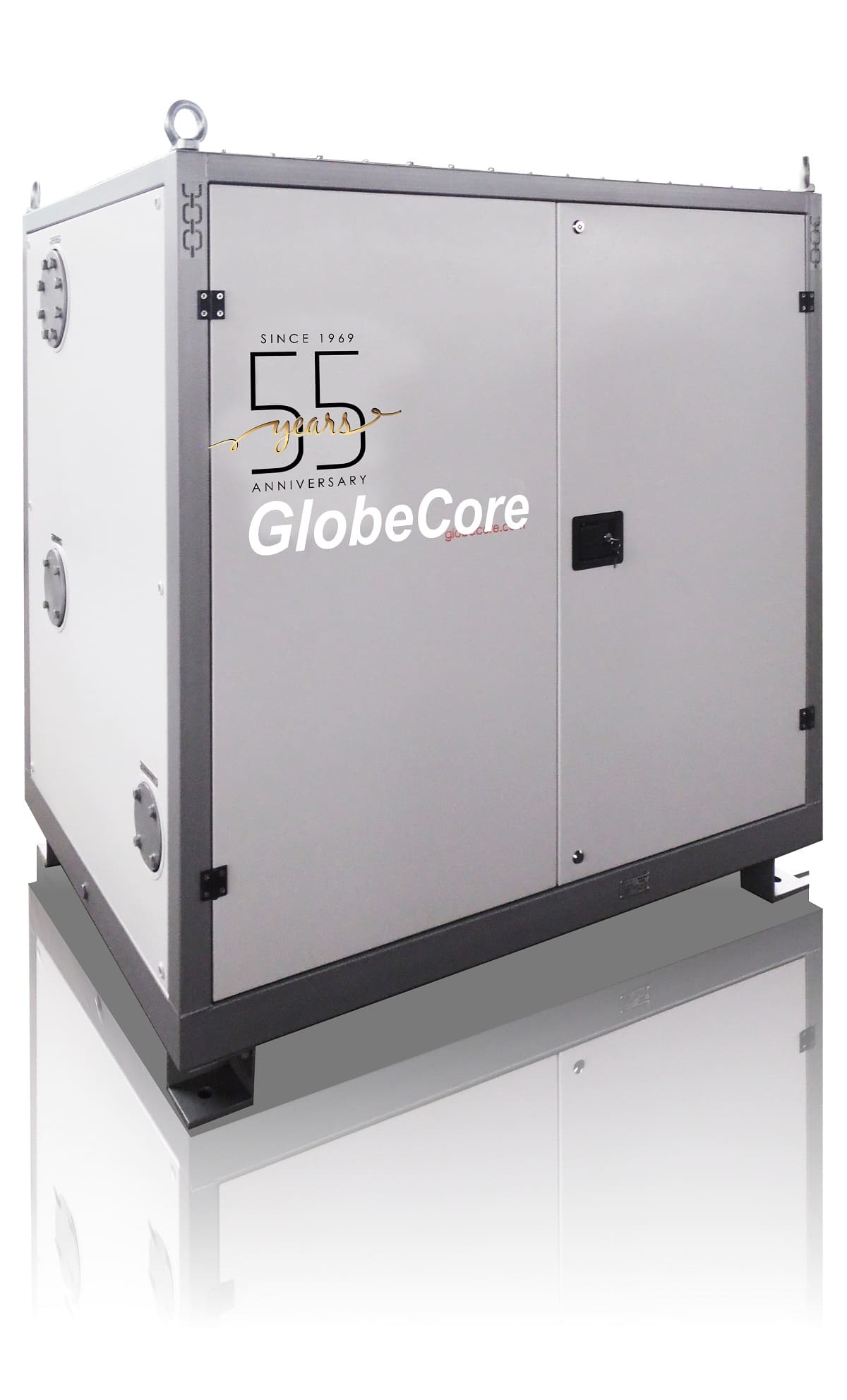
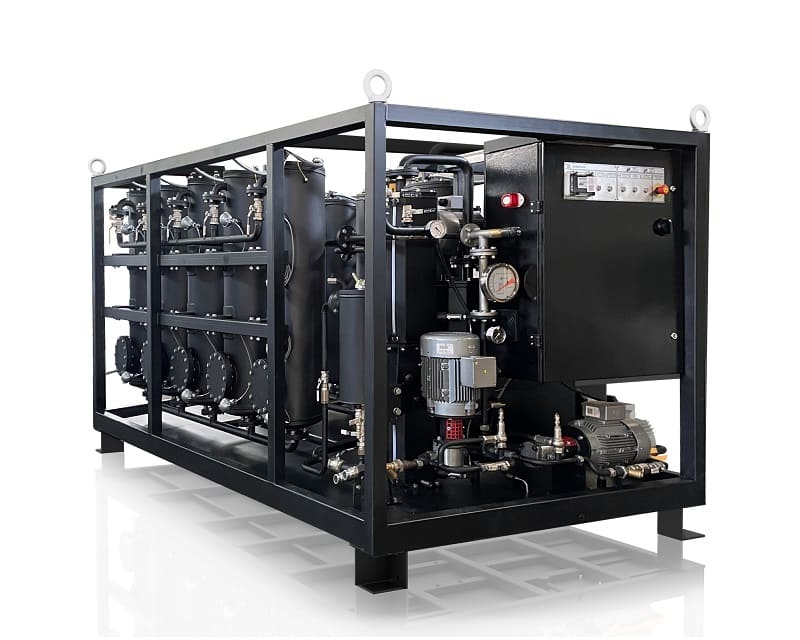
The GlobeCore LT Series handles purification, dehydration, and filtration in a single mobile unit – designed to operate at the turbine, not only in a workshop.
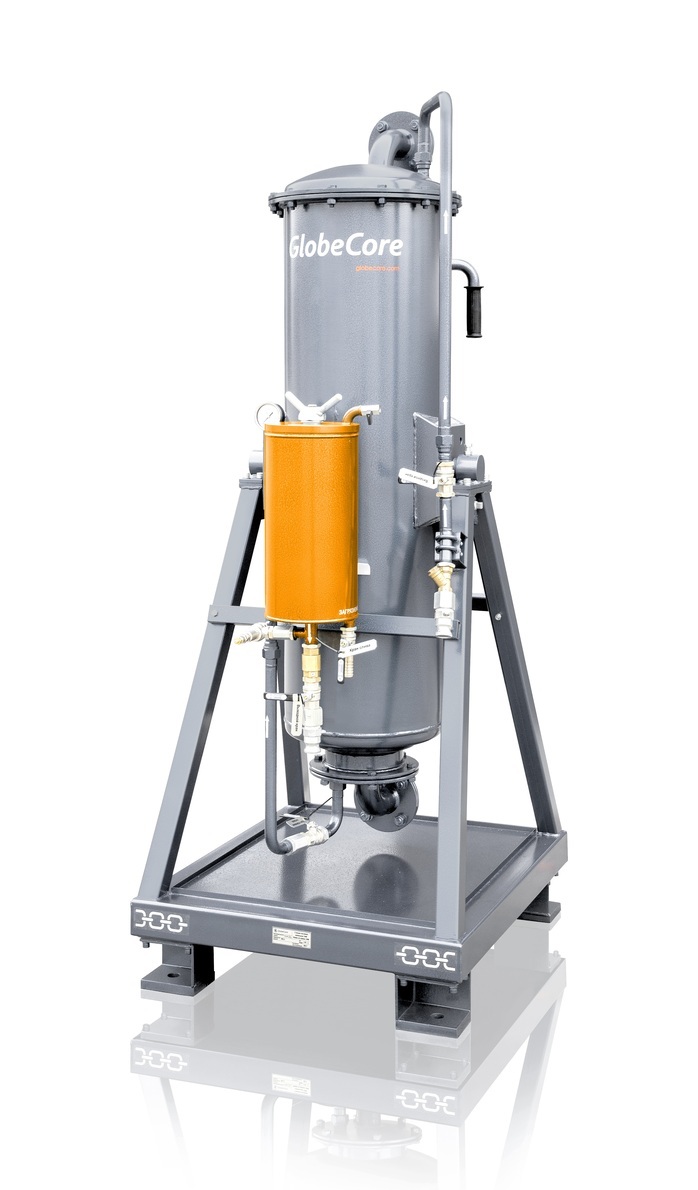
The core of the system is a vacuum column. Oil enters prefiltered, gets heated inside the vacuum vessel, and flows across packing surfaces where moisture and dissolved gas are drawn off simultaneously.
Key technical capabilities of the LT Series:
- Throughput up to 8,000 L/h, suitable for large oil inventories
- Moisture reduction to 10 ppm, 5 ppm, or 5 ppm+ (configurable)
- Solid particle removal to ISO 4406 -/14/12 cleanliness targets
- Coarse filtration stage (replaceable after approximately 200 tonnes of processed oil)
- Vacuum degassing column for simultaneous removal of moisture and dissolved gases – reducing dispersed gas content to the industry-standard 1.5% or lower
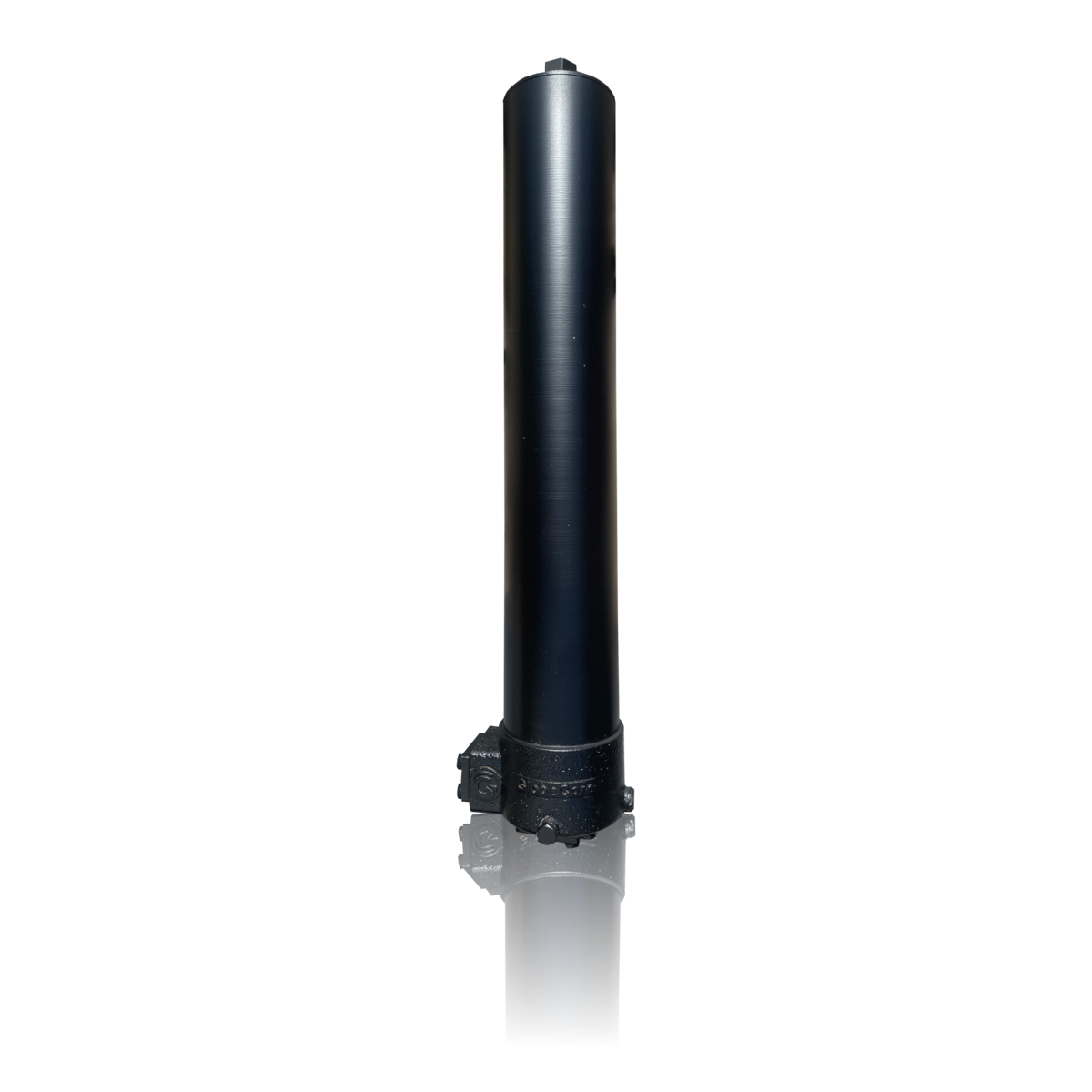
Throughput runs up to 8,000 L/h. The fine filtration stage is electrostatic and regenerable – no element replacement cycle limiting your run time.
It’s mobile, so it moves between units. Self-contained, so remote deployment is practical. And because processed oil doesn’t re-contact air after leaving the vacuum stage, the dehydration work doesn’t start reversing itself immediately after treatment.
The problems with oil in hydro plants don’t announce themselves. They accumulate quietly over years – bearings wearing a little faster, governor response drifting, maintenance intervals shortening. None of it is a crisis until something fails. That’s the actual case for taking hydro turbine oil purification seriously: not theory, just the math of what contaminated oil costs over the life of a machine.