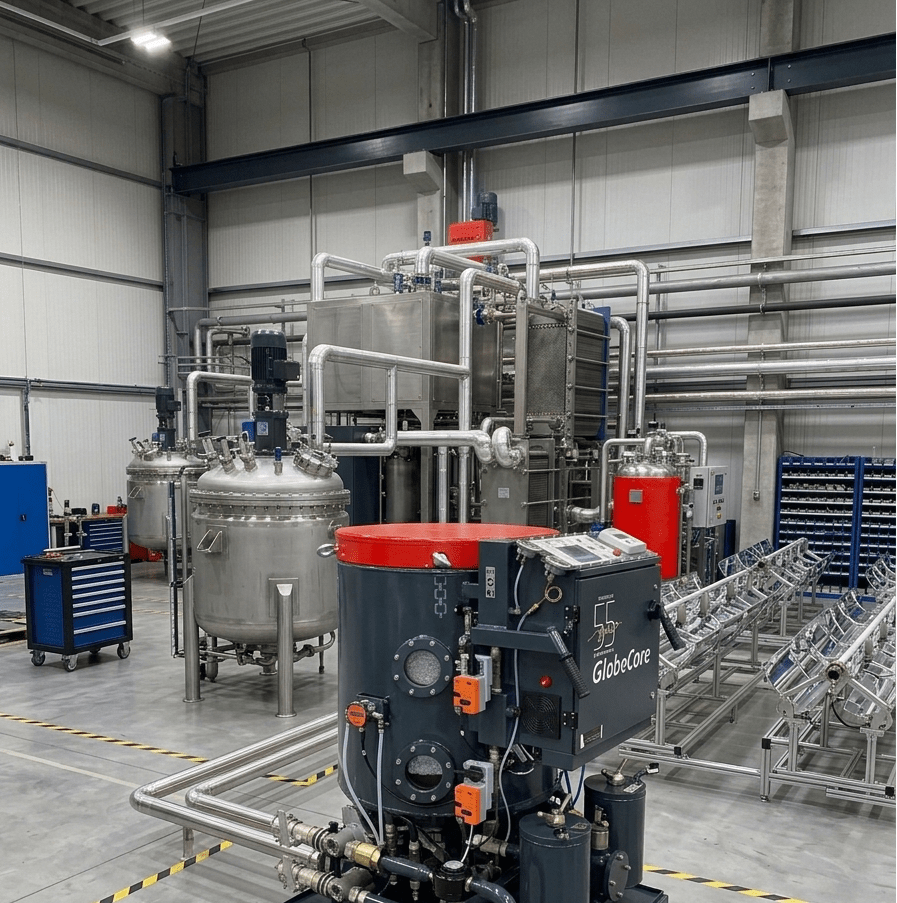
Heat Transfer Oil Purification is not a luxury service for hot oil systems – it is the single most cost-effective way to protect the equipment that depends on thermal fluid every day. Heat exchangers, jacketed reactors, hot oil boilers, and even solar CSP receivers all rely on mineral heat transfer oil (HTF) staying clean, dry, and chemically stable. When that oil degrades, the consequences are rarely subtle: efficiency drops, coking builds up on pipe walls, and in the worst cases, fire risk rises sharply.
How Mineral Heat Transfer Oil Actually Degrades
Three factors drive almost all thermal oil degradation: heat, oxygen, and contamination. They rarely act alone – in practice they reinforce each other, which is why oil quality tends to fall off a cliff rather than decline gradually once a system is neglected.
Oxidation. When oil contacts oxygen at elevated temperature, hydrocarbons form free radicals and peroxides. Those radicals react further with oxygen, and the resulting peroxide radicals attack more hydrocarbon molecules, creating a self-sustaining chain reaction. The higher the temperature, the more active the radicals become, and any metal contamination in the circuit acts as a catalyst that speeds the whole cycle up. This is why well-run hot oil systems favor closed, inert-gas-blanketed designs or liquid-seal expansion tanks – keeping oxygen out of the loop is far cheaper than fixing oxidized oil later.
Cracking and condensation. Thermal oil is essentially a mixture of hydrocarbons, and at high operating temperatures two competing reactions take place. Cracking breaks large molecules into lighter fractions, which should be vented from the expansion tank. Condensation does the opposite – molecules combine into heavier tars and asphaltenes that separate out of the oil and adsorb onto hot metal surfaces, where they dehydrate further into hard coke deposits. Choosing an oil rated correctly for the actual operating temperature, and removing light fractions and tars promptly, slows this cycle considerably.
Contamination. Solid particles, water, and dissolved metals do double damage. Some react directly with the oil; others simply act as catalysts that accelerate oxidation. Insoluble matter settles with asphaltenes on pipe walls, forming a stagnant layer that accelerates coking and steadily degrades heat transfer performance. Timely filtration to remove these impurities is one of the simplest ways to preserve the oil’s original properties – which is exactly where Heat Transfer Oil Purification earns its keep.
Flash Point: The Number Behind Most Hot Oil Fires
Mineral thermal oil typically operates above 200°C, while its autoignition temperature usually sits above 340°C. So why do fires still happen? The answer almost always traces back to flash point – the lowest temperature at which vapor above the oil’s surface can ignite on contact with a flame, measured in either open-cup or closed-cup test conditions.
Several structural factors affect flash point directly: within a homologous series, flash point rises with carbon chain length; normal isomers have a higher flash point than branched ones; saturated hydrocarbons flash at a higher temperature than unsaturated ones; and lower-density mineral oils tend to have lower flash points. As the oil degrades through the mechanisms described above, its effective flash point can drop well below the fresh-oil specification – often without any visible warning sign.
Real-world fire causes generally fall into three buckets:
- Equipment problems – missing blind flanges, weld pinholes, welding or installation shortcuts that let low-viscosity, low-boiling products leak into the system.
- Operational errors – running at reduced load without adjusting bypass flow to maintain minimum pipe velocity, or failing to switch to cold makeup oil quickly enough during a power loss, both of which allow local overheating and smoking.
- Oil quality – mineral oils with a complex hydrocarbon mix decompose more readily under heat, lowering flash point faster than better-stabilized formulations.
Heat Transfer Oil Purification in Practice: The CMM-LT Solution
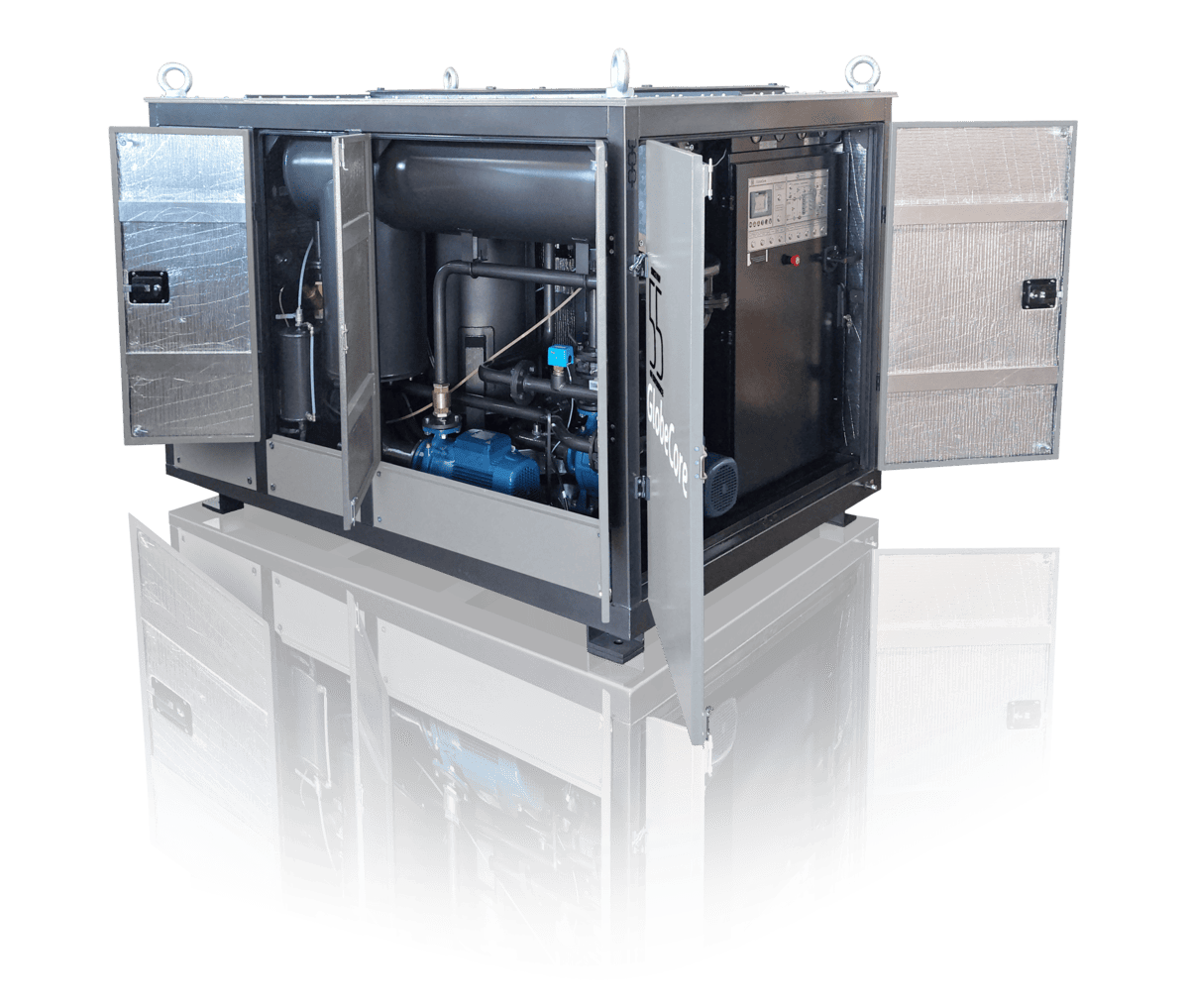
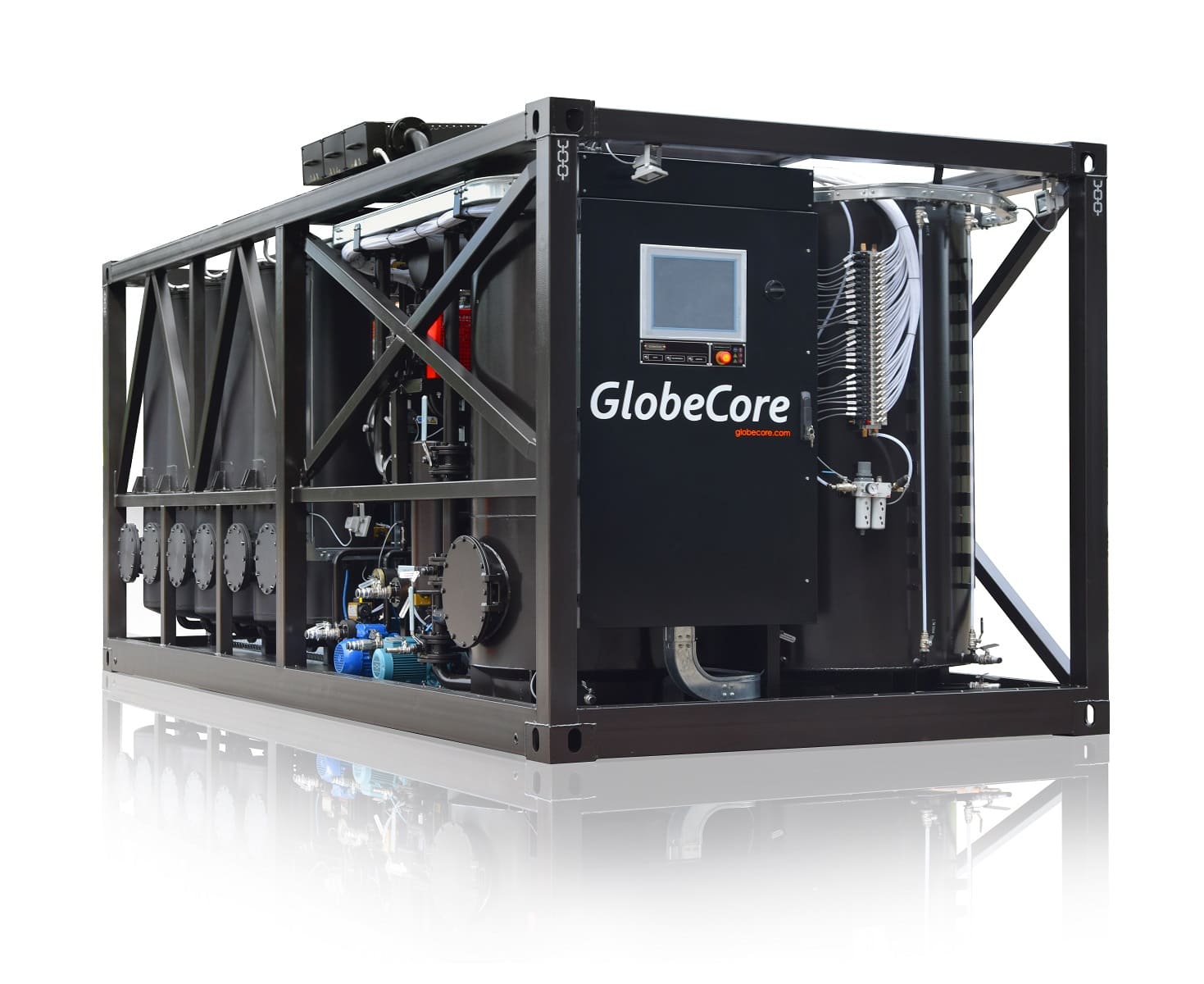
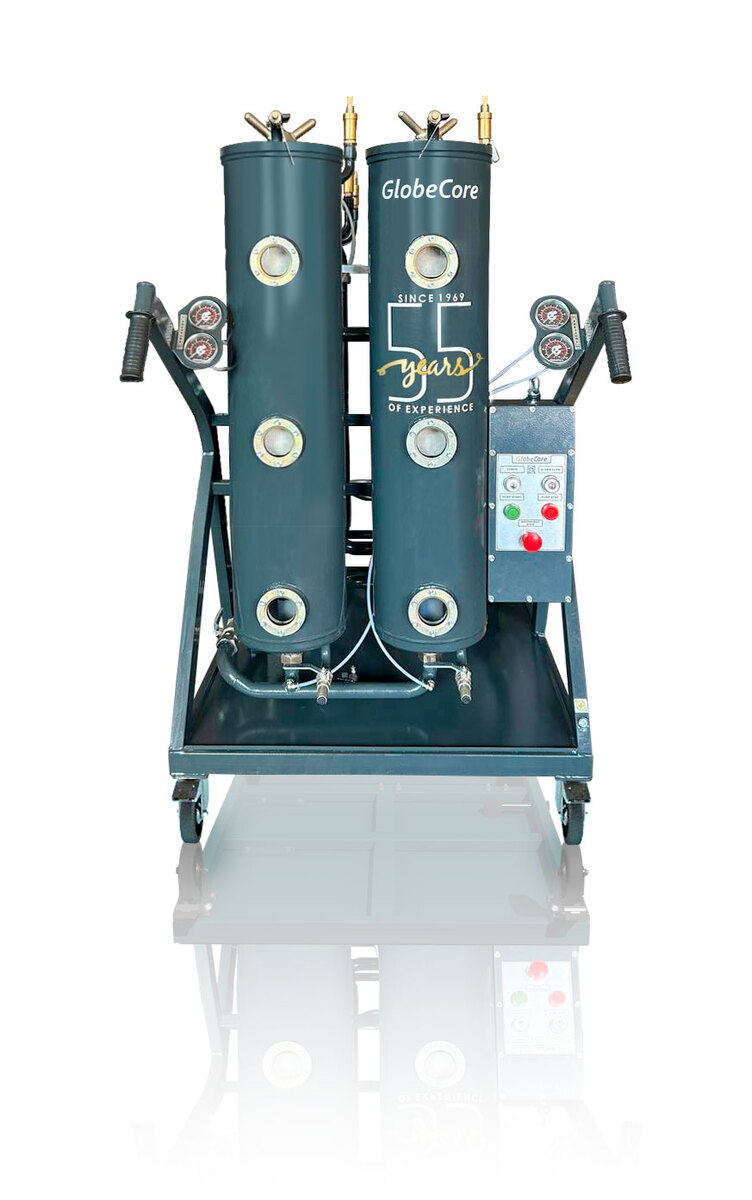
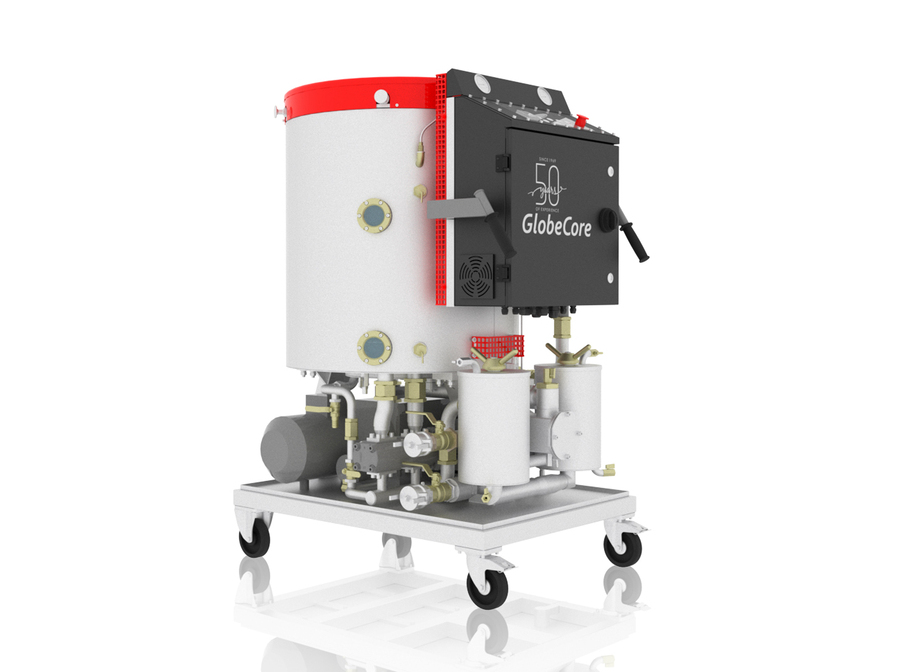
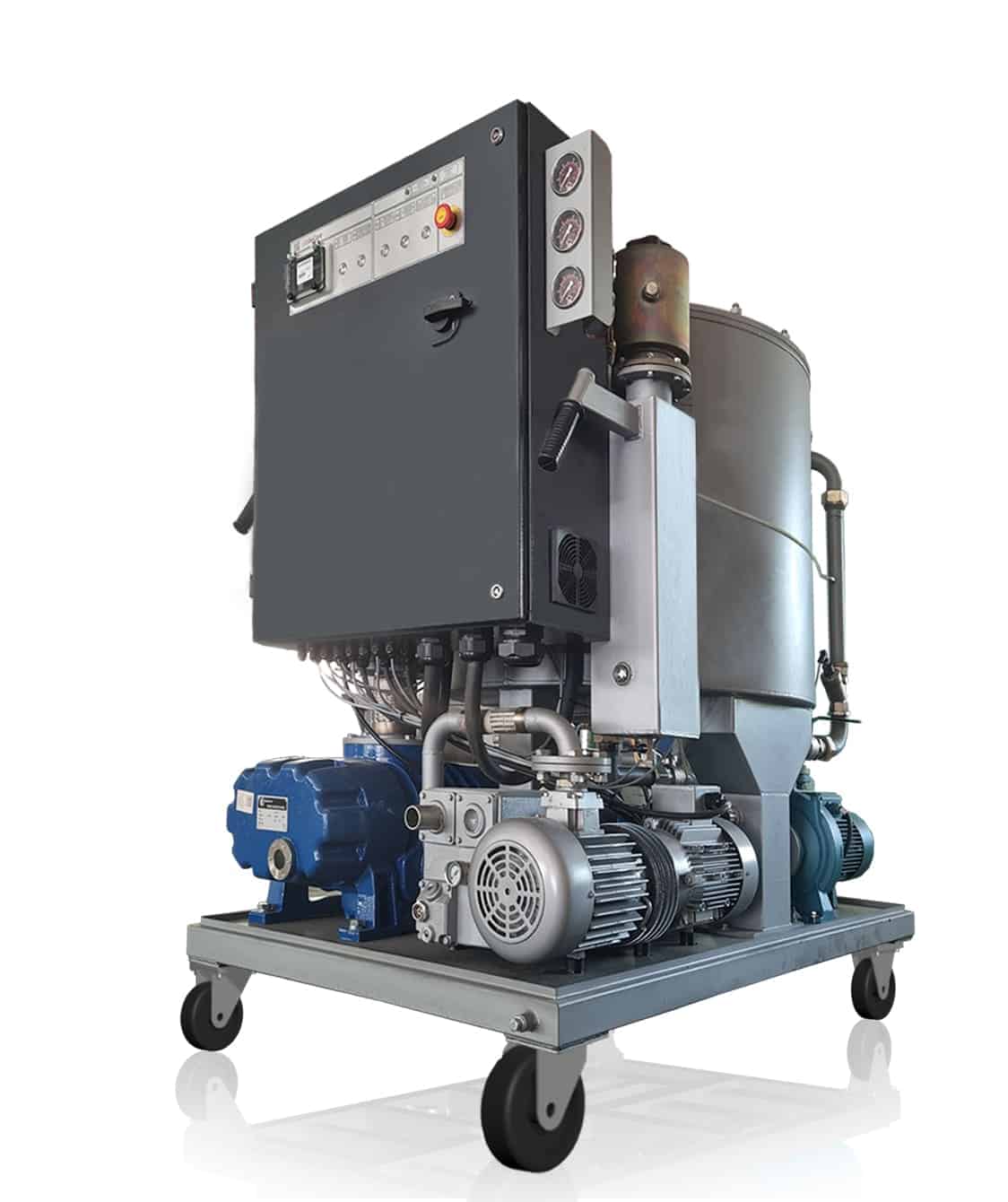
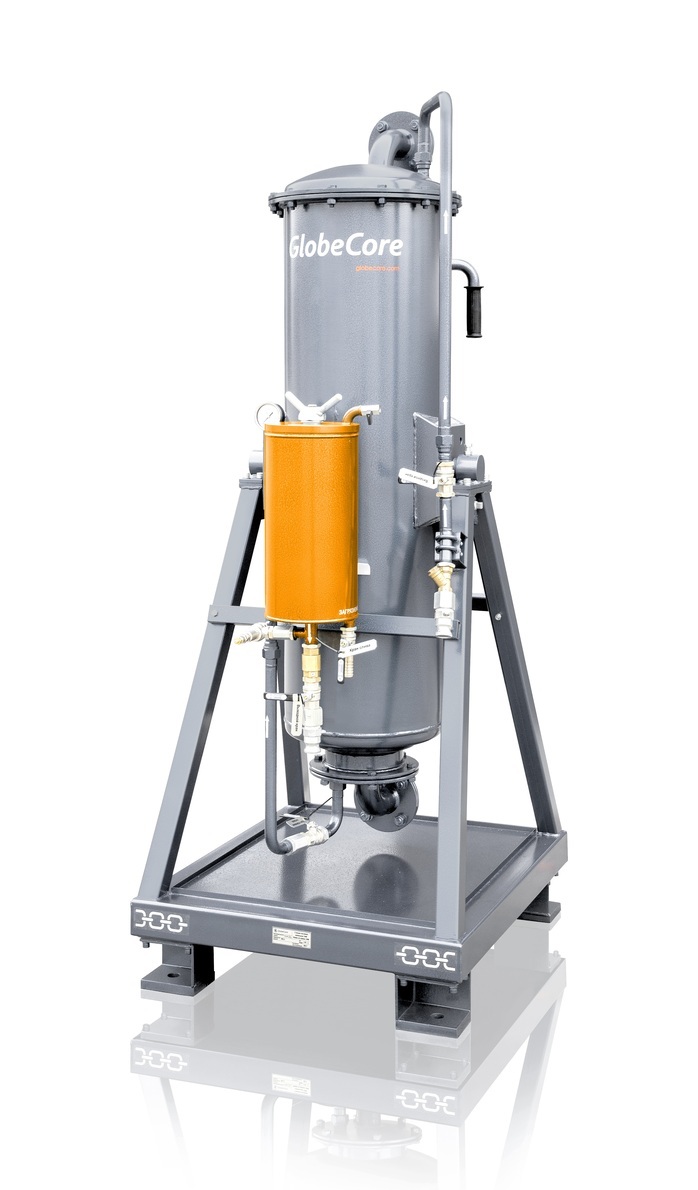
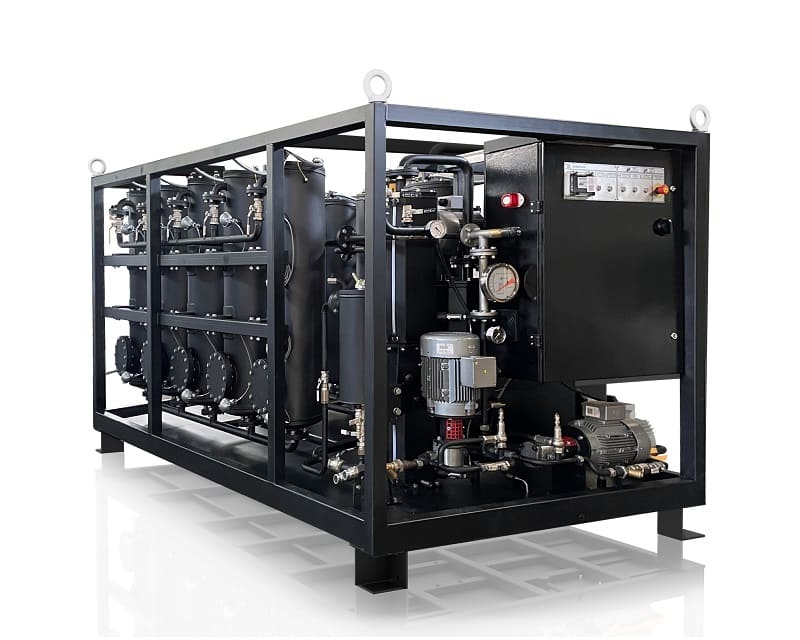
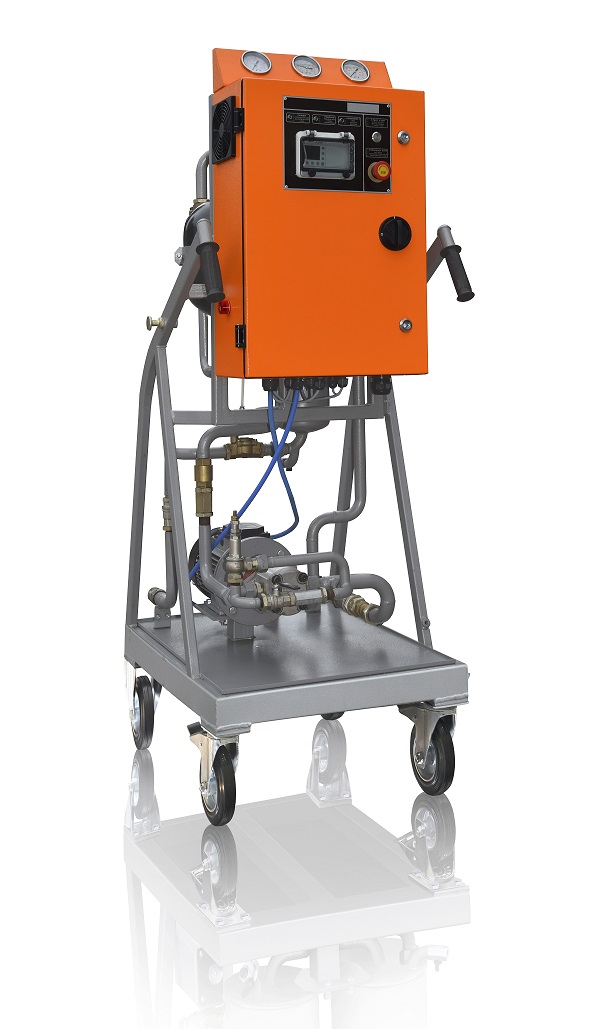
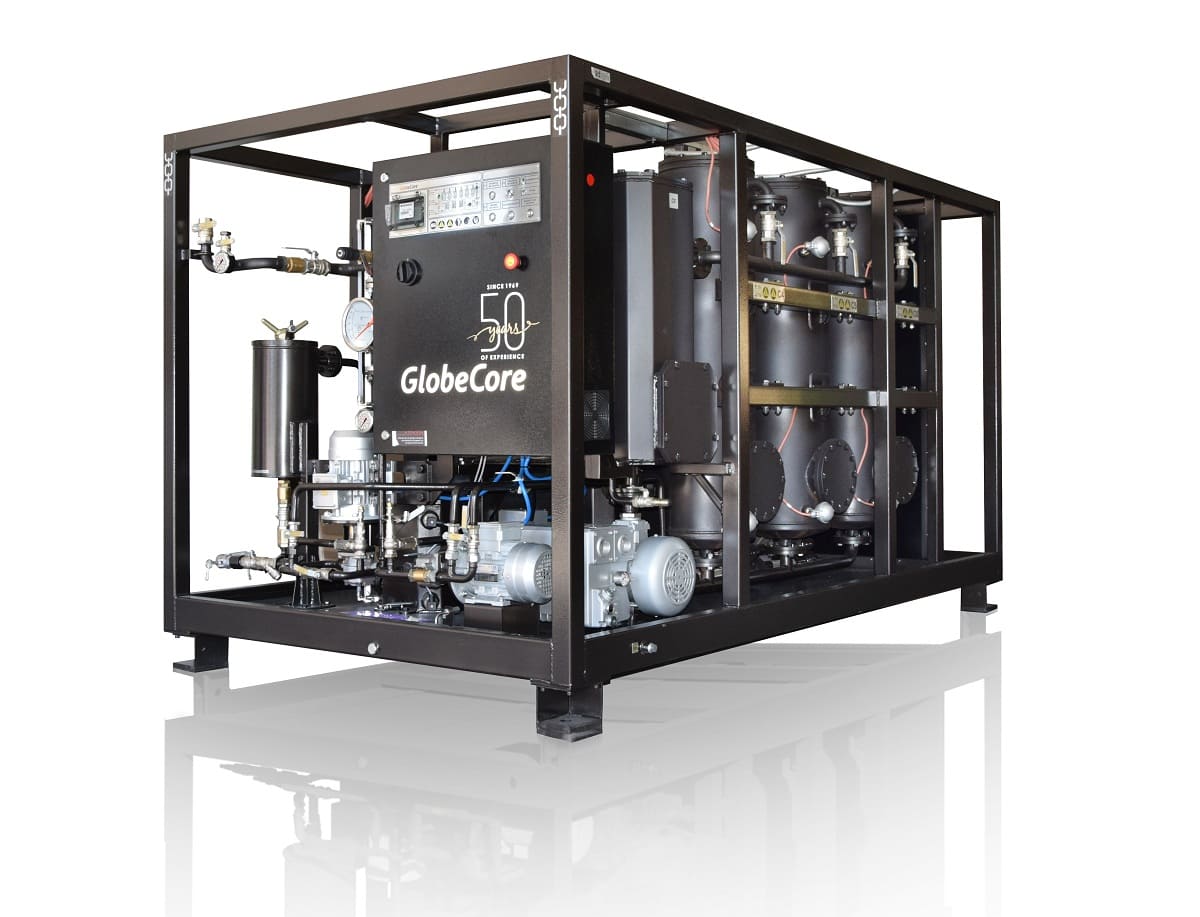
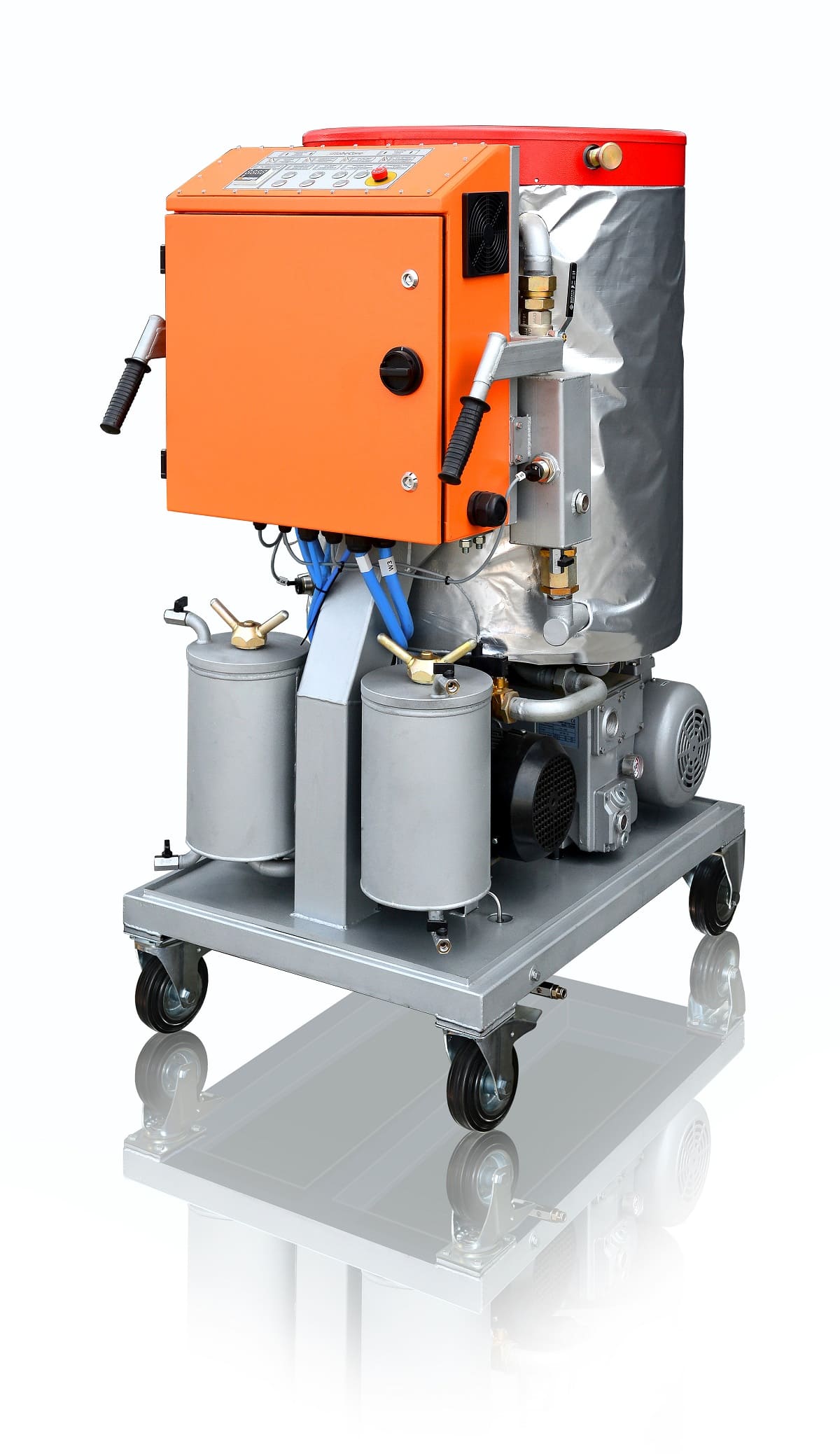
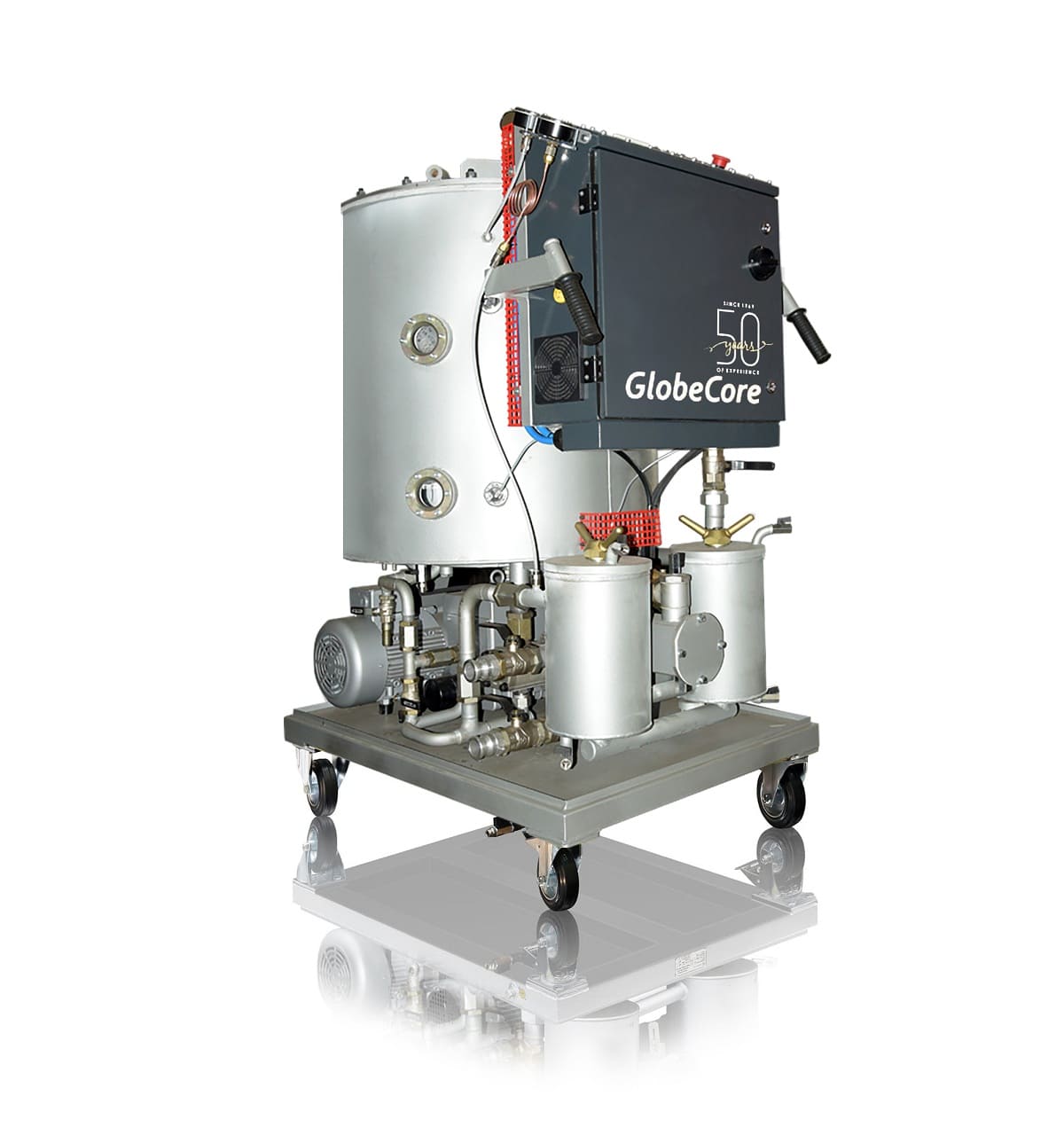
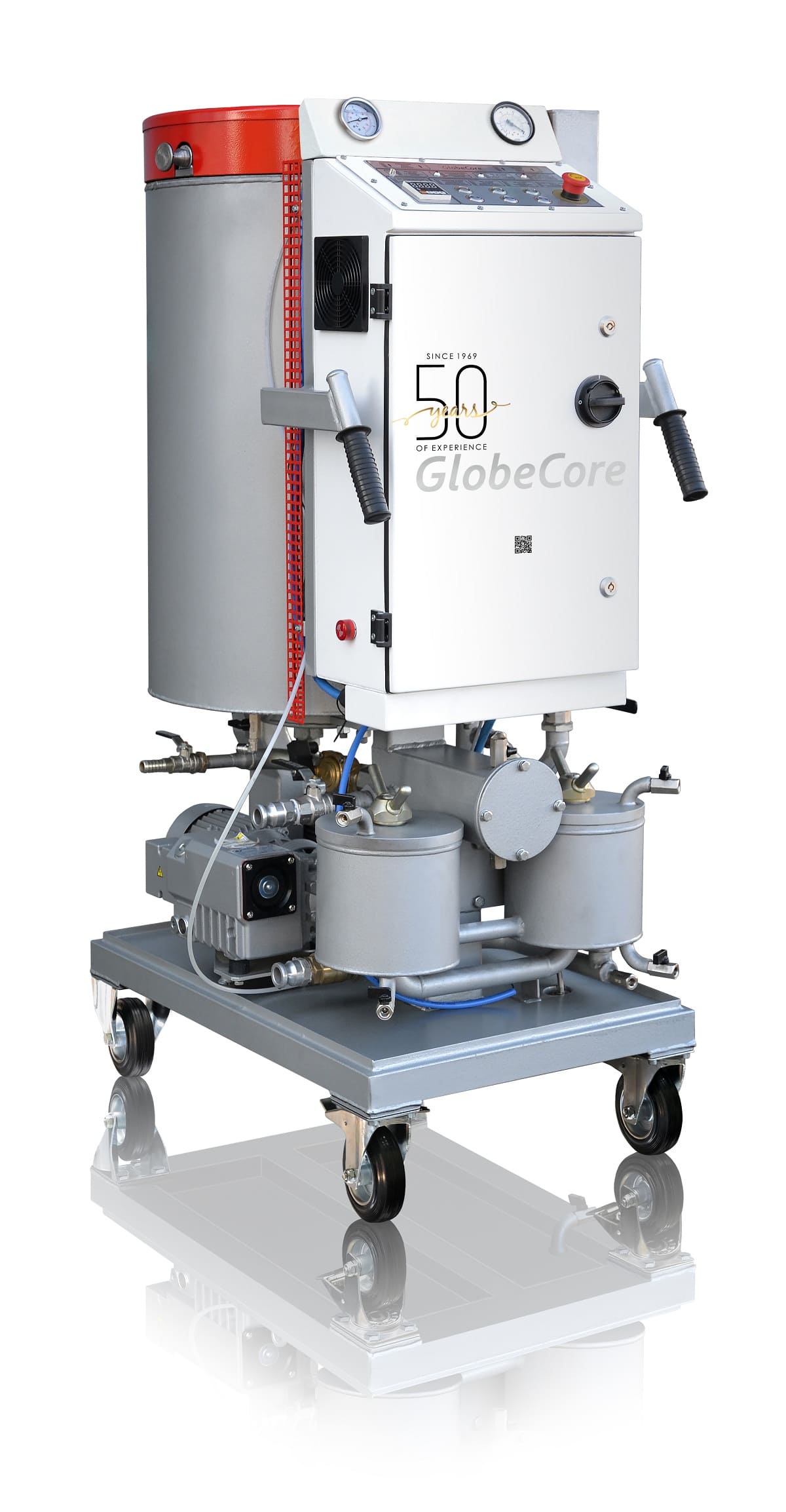
For plants running mineral thermal oil in heat exchangers, hot oil systems, jacketed reactors, or solar CSP receivers, the CMM-LT series from GlobeCore was built specifically to make Heat Transfer Oil Purification a routine, low-effort task. The lineup spans several models covering throughputs from 1 to 18 cubic meters per hour, so a plant can match unit capacity to its actual system volume rather than over- or under-sizing.
Every CMM-LT unit combines three core processes in one skid: filtration, purification, and degassing.
- Filtration removes solid contamination through multiple filtration stages, with mesh ratings selectable from 25, 5, 3, 1, or 0.3 microns depending on how fine the target cleanliness needs to be. This is the direct countermeasure to the contamination-driven coking described above.
- Purification and degassing work together through a combination of heating and vacuum treatment, driving off dissolved water and gases that would otherwise accelerate oxidation and lower the oil’s effective flash point.
- A dedicated heater and vacuum chamber, paired with a high-capacity pump, let the system be tuned to the oil’s actual condition rather than running a single fixed cycle regardless of contamination level.
Beyond the core process, the CMM-LT design keeps operation practical for real plant conditions: the control system is straightforward enough that a new operator can be trained in a few hours, and the compact footprint – small enough to pass through a standard doorway – makes the unit easy to move between reactors, hot oil skids, or CSP loops without a crane or a permanent installation.
Why Routine Purification Pays Off
Heat Transfer Oil Purification does more than restore a datasheet number. By breaking the oxidation–contamination–cracking cycle before it accelerates, regular treatment with equipment like the CMM-LT extends oil service life, protects flash point margins, reduces coking on hot surfaces, and lowers the odds of the kind of unplanned fire that traces back to a slowly degrading, unmonitored fluid. For operators of heat exchangers, hot oil systems, jacketed reactors, and solar CSP receivers running on mineral HTF, building Heat Transfer Oil Purification into a standard maintenance schedule is one of the simplest ways to protect both equipment uptime and plant safety at the same time.