Hydraulic systems at nuclear power plants operate under conditions where failure is simply not an option. Control rod hydraulics, safety valve actuators, and emergency shutdown mechanisms must respond within strictly defined time limits – and the working fluid in all these systems is hydraulic oil. Nuclear plant hydraulic oil purification is therefore not a routine maintenance task but a core safety requirement, directly tied to reactor reliability and regulatory compliance.
Unlike industrial facilities where contaminated oil leads primarily to equipment wear and unplanned downtime, at a nuclear plant the consequences extend to reactor control capability. Particles smaller than 8 microns – invisible to the eye and undetectable by standard built-in filters – accumulate in precision valve orifices and actuator components over time, increasing response times and raising the probability of actuation failure. Moisture promotes corrosion and microbial growth. Rising oil acidity attacks metal surfaces and rubber seals from within. All three problems develop gradually and silently, which makes systematic oil condition monitoring and treatment essential rather than optional.
Systems That Depend on Clean Hydraulic Oil
Three categories of equipment at nuclear plants are particularly sensitive to oil quality.
Control rod hydraulics regulate the nuclear chain reaction by inserting or withdrawing control rods. Any sluggishness in response caused by viscous, contaminated oil directly affects reactor power management and, critically, SCRAM – the emergency shutdown sequence.
Safety system actuators include emergency core cooling systems and containment isolation valves. These components must activate within qualification time limits regardless of plant conditions. Degraded hydraulic oil is one of the most common causes of slow or failed actuation in safety-class systems.
Valve actuators throughout the primary and secondary circuits require precise positioning and fast response. Sludge deposits in valve seats and control orifices translate directly into leakage, erratic positioning, and increased maintenance frequency.
Hydraulic Oil Types at Nuclear Plants — and Equipment Compatibility
Not all hydraulic oils used at nuclear facilities are the same, and this distinction is critical when selecting purification equipment.
Nuclear plants operate with several categories of hydraulic fluid depending on the system and its safety classification. Mineral oils — refined petroleum-based hydraulic fluids — are the most common in general-purpose hydraulic circuits, some control rod drive systems, and valve actuators where fire risk is managed through other means. Synthetic hydraulic fluids and fire-resistant fluids, particularly phosphate ester-based oils, are used in systems where proximity to high-temperature surfaces or ignition sources makes flammability a concern — certain turbine control systems and some safety-related actuators fall into this category. Water-glycol and other water-based fluids are also found in specific applications.
This matters directly for Nuclear Plant Hydraulic Oil Purification because purification equipment is not universally compatible across fluid types. Phosphate esters, for example, require dedicated equipment with compatible seals, filter media, and materials of construction — standard mineral oil units will be damaged by contact with these fluids, and cross-contamination between fluid types can destroy both the oil and the components it lubricates.
GlobeCore CMM-LT and CMM-R series units are designed exclusively for mineral oils with a kinematic viscosity not exceeding 70 cSt. Before deploying any GlobeCore purification unit at a nuclear facility, the fluid type in the target system must be confirmed from equipment documentation or laboratory analysis. Applying mineral-oil purification equipment to an incompatible fluid type will damage the unit, contaminate the system, and potentially compromise safety-class components.
For nuclear plants where both mineral oil and fire-resistant fluid systems are present, separate dedicated purification equipment must be maintained for each fluid type, with clear labeling and administrative controls to prevent cross-use.
Equipment for Nuclear Plant Hydraulic Oil Purification
Effective treatment combines three complementary processes, each targeting a different category of contamination.
Filtration removes solid particulate – metal wear particles, oxide debris, and other solids – through multi-stage filter elements rated at 5, 3, 1, or 0.3 microns. Nuclear hydraulic systems typically require ISO 4406 Class 12 or finer. Standard system filters rated at 8–25 microns leave the most damaging particle size range completely unaddressed, which is why dedicated purification equipment is necessary.
Vacuum dehydration eliminates dissolved and free water. Heated oil is drawn into a vacuum column where moisture and dissolved gases separate from the oil under reduced pressure and are evacuated. This process simultaneously restores the oil’s anti-cavitation properties and removes gases that cause pump noise, pressure instability, and accelerated oxidation.
Adsorption regeneration addresses oil acidity. As hydraulic oil ages, oxidation produces acidic compounds that degrade both the oil and the components it protects. Passing oil through sorbent columns – for example Fuller’s earth – selectively removes these acidic byproducts and color bodies, restoring the oil’s Total Acid Number (TAN) to near-new levels. Selected units also allow inhibitor additives to be reintroduced after regeneration, fully restoring the oil’s protective package.
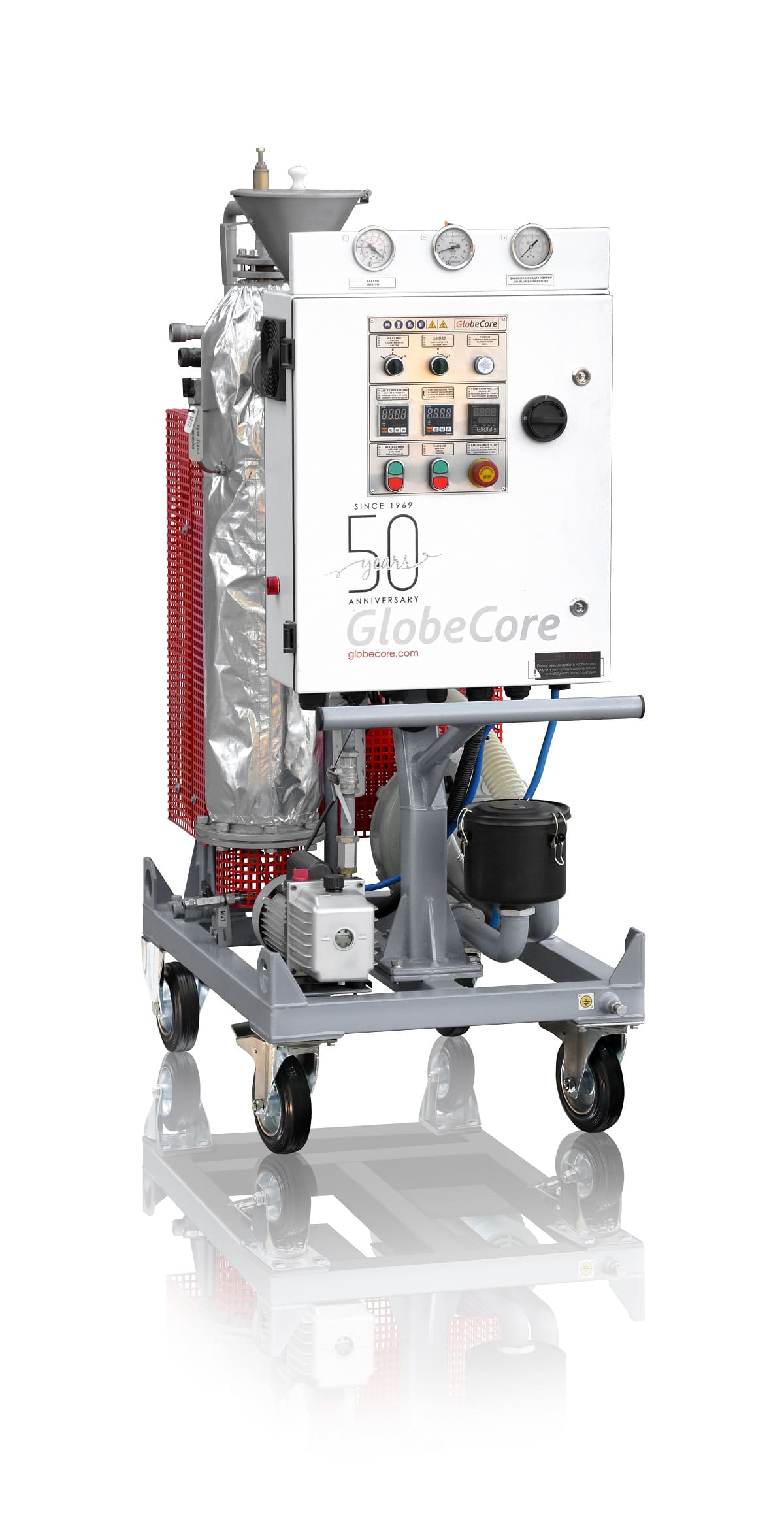
CMM-LT Series – Filtration, Dehydration and Degassing
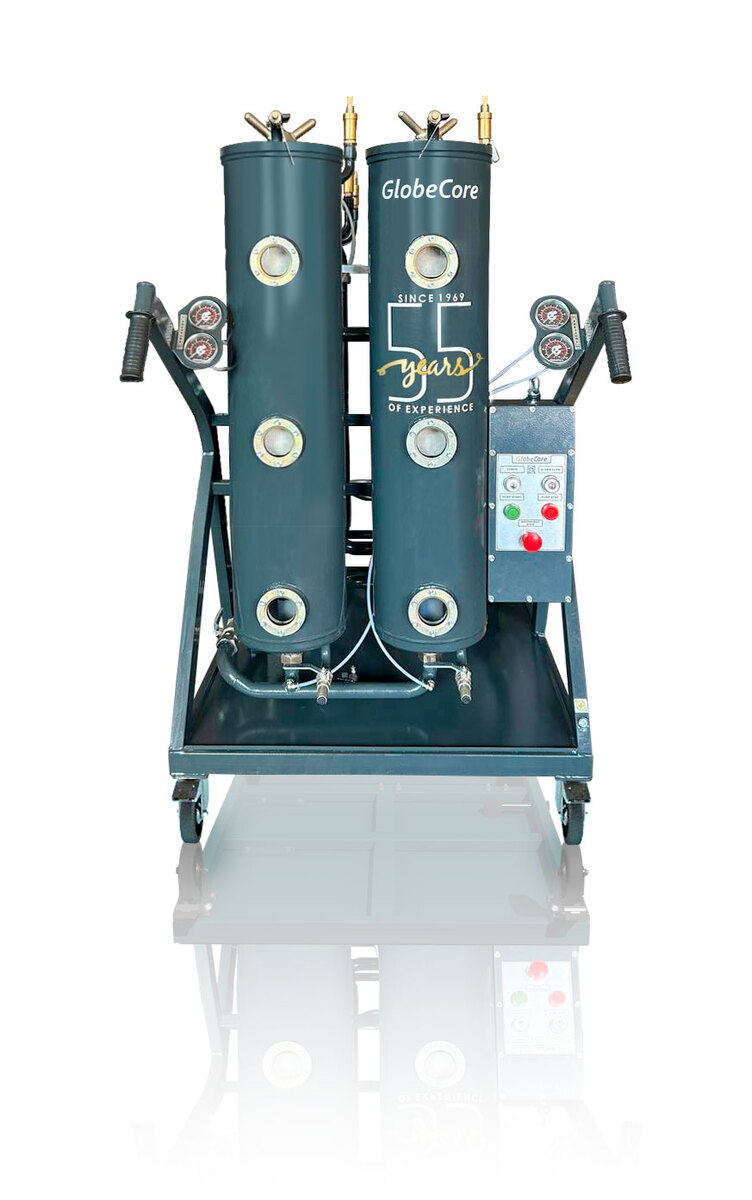
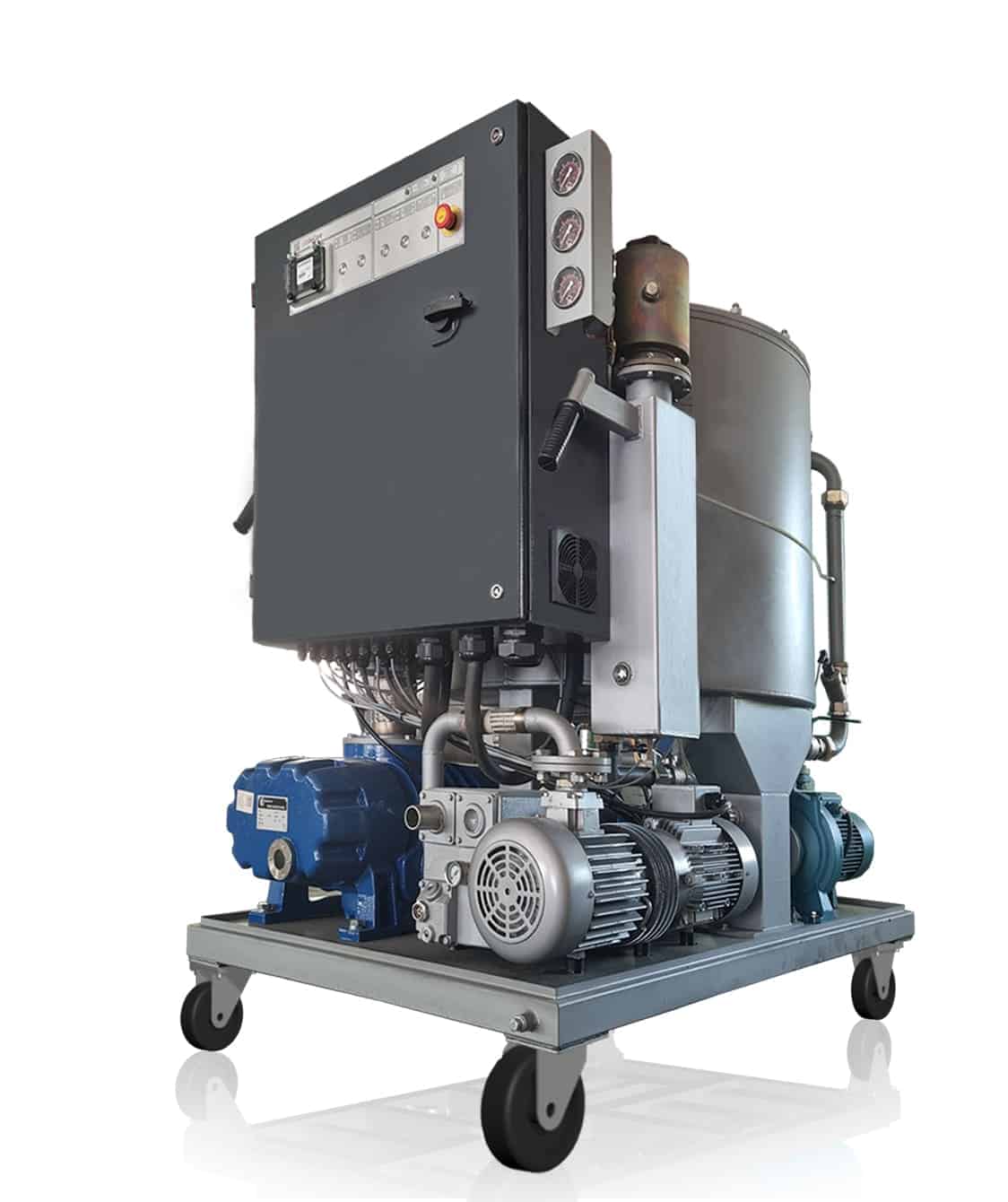
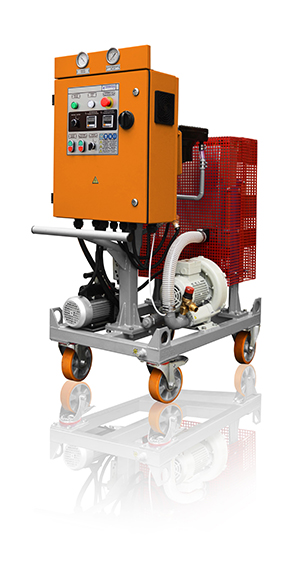
CMM-LT units handle the mechanical and physical side of Nuclear Plant Hydraulic Oil Purification: particle removal, drying, and degassing in a single pass. Oil enters through a 200-micron pre-filter under vacuum, passes through a heated vacuum column where moisture and gases are separated over column packing, and exits through fine filter elements down to 0.3 microns. Output cleanliness reaches ISO 4406 Class 12–14.
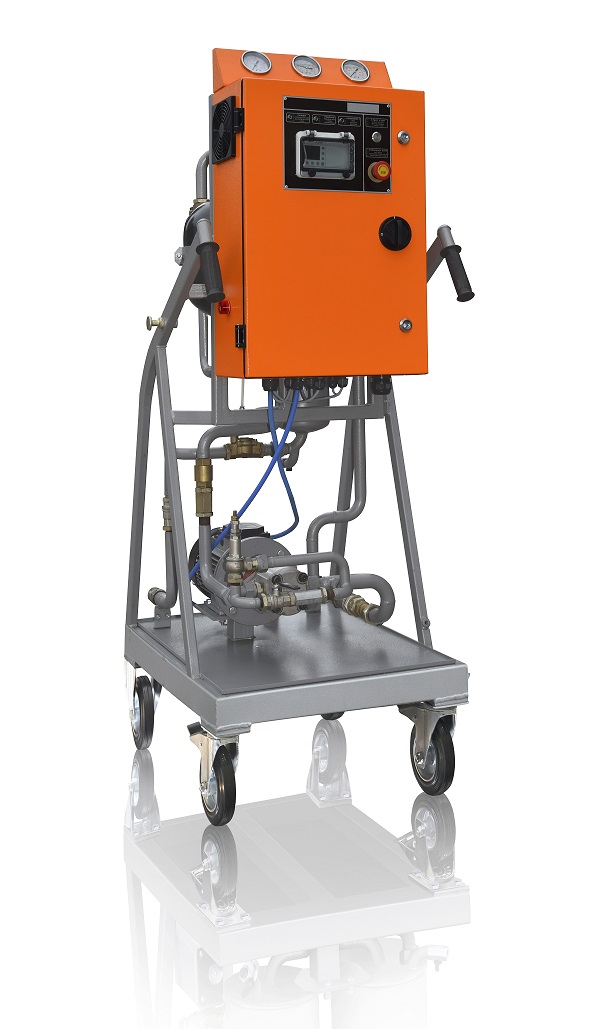
The units are compact and wheel-mounted, making them practical for deployment directly at equipment locations within the plant. A two-stage vacuum system – fore-vacuum and booster pumps – generates the deep vacuum needed for effective dehydration. Safety instrumentation includes level sensors in the vacuum column, a foam suppression system for heavily contaminated oil, an oil leak sensor in the drip tray, and two oil traps protecting the vacuum circuit from carryover.
⚠ Important: CMM-LT series units are designed for mineral oils only, with a maximum viscosity of 70 cSt. They are not suitable for synthetic, ester-based, or fire-resistant hydraulic fluids.
CMM-R Series – Acid Removal and Oil Regeneration
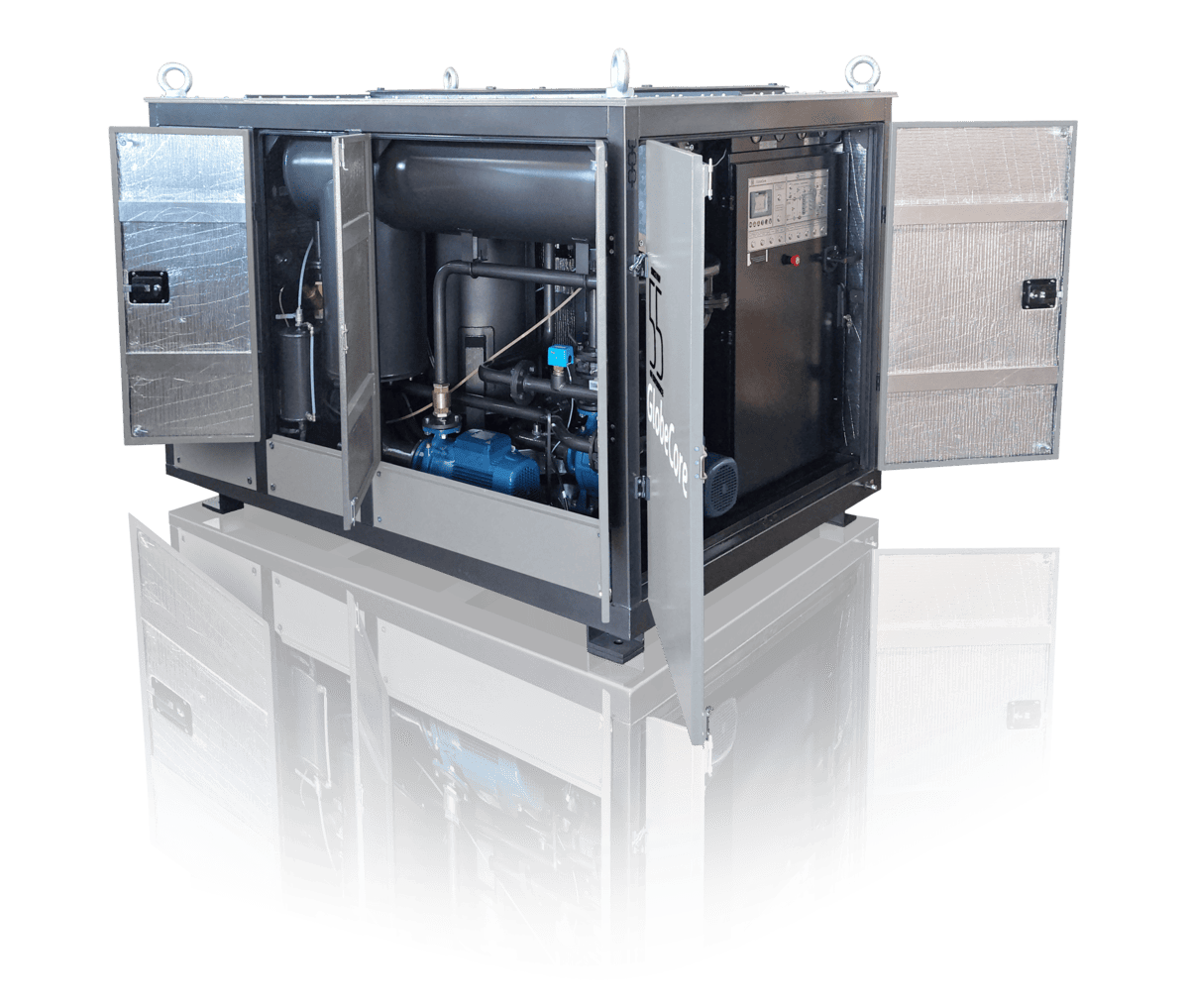
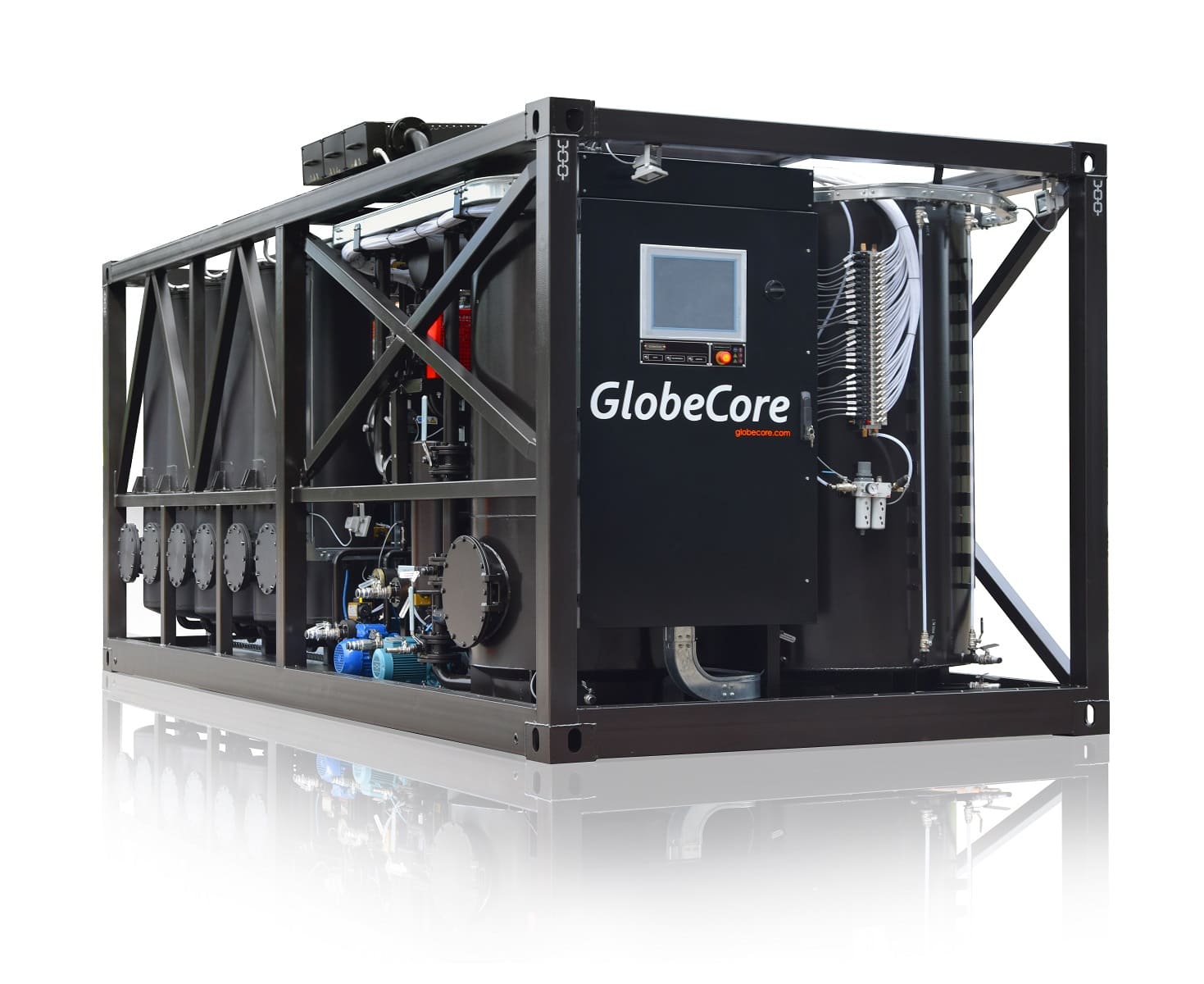
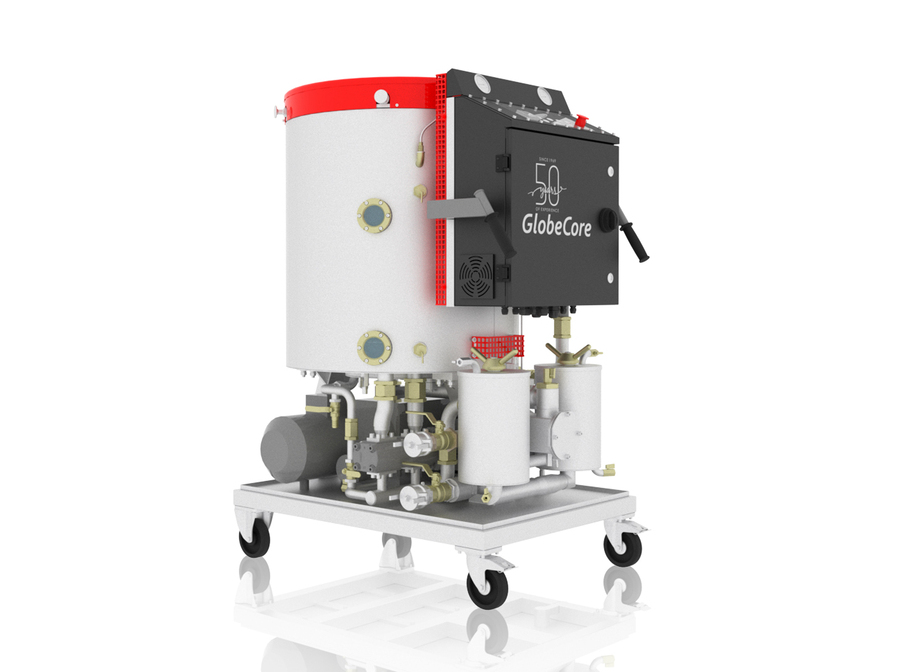
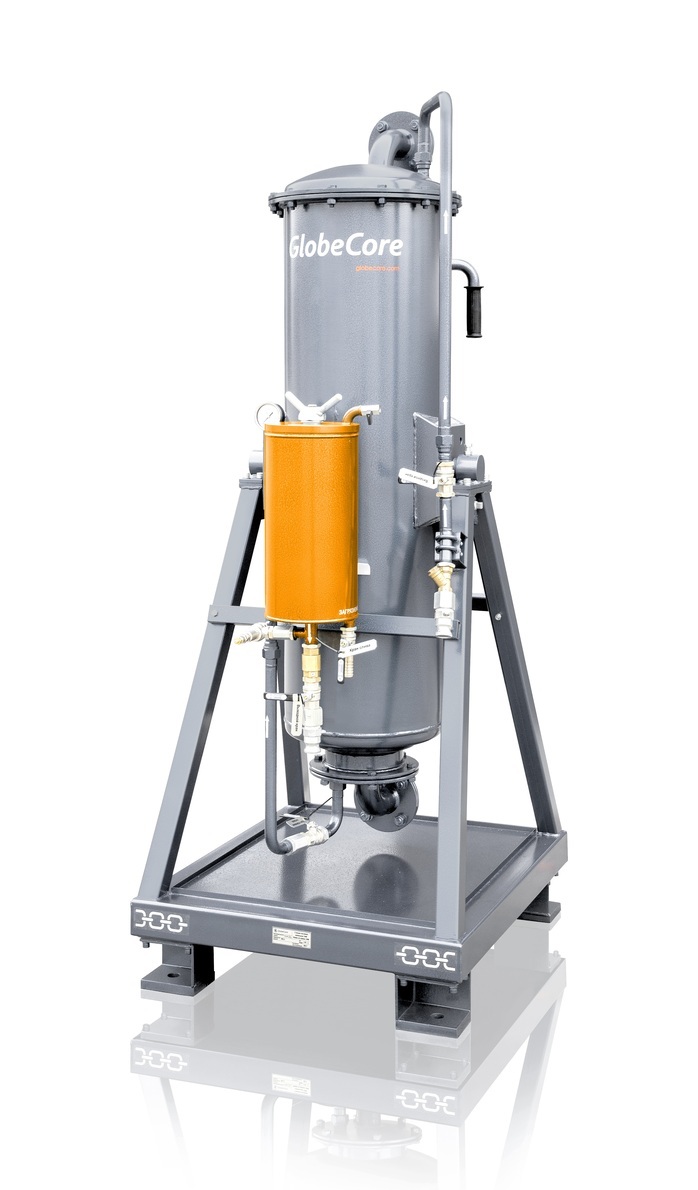
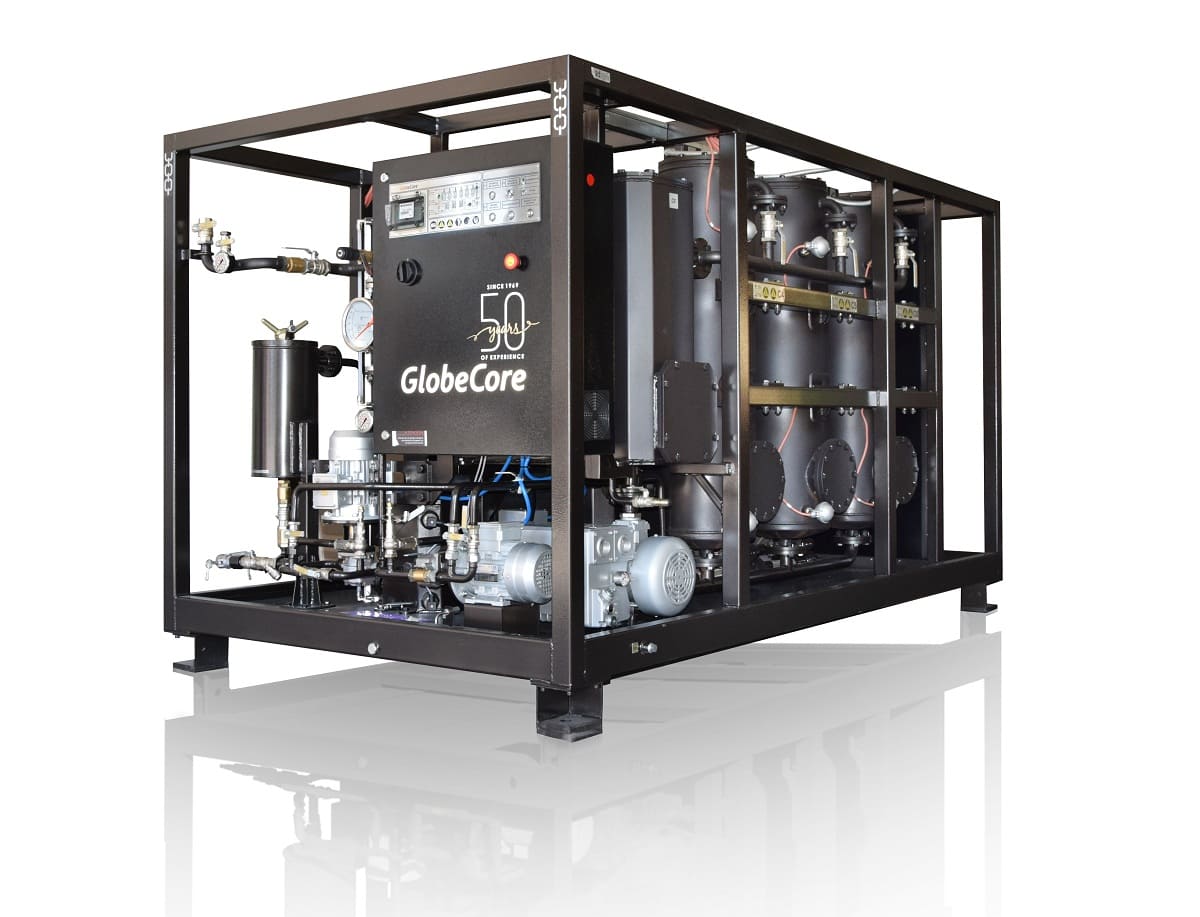
Where oil acidity has risen beyond acceptable limits, CMM-R regeneration units restore the oil’s chemical condition through adsorption. Oil passes through sorbent columns that absorb acidic degradation products, polar compounds, and discoloration. The sorbent can be thermally reactivated in situ up to 500–700 times before replacement – equivalent to several years of operation. Spent sorbent presents no environmental hazard.
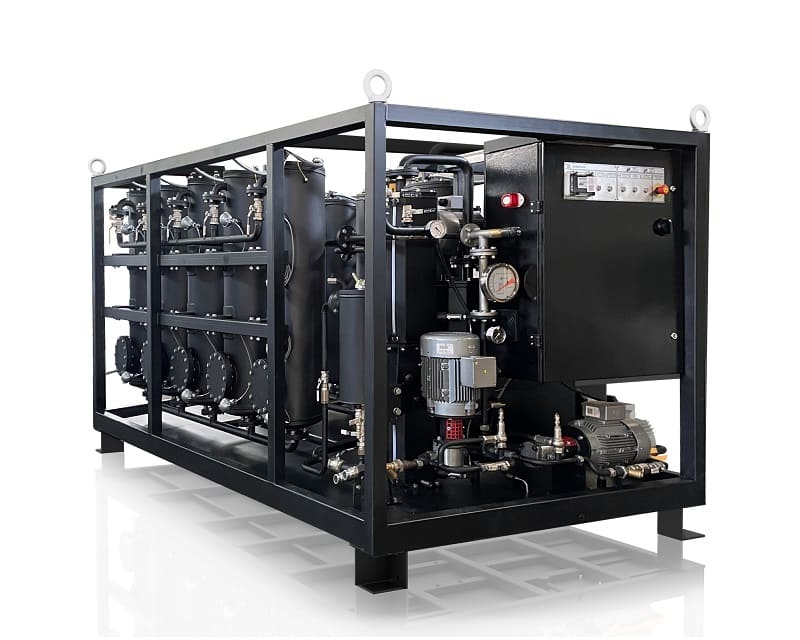
The line ranges from compact manually operated units (CMM-6R Lite, CMM-10R Lite) to fully automated models with optional degassing sections and remote control (CMM-6R, CMM-12R, CMM-24R). The CMM-24R operates continuously in parallel mode – twelve columns regenerating oil while twelve columns reactivate – eliminating the interruptions of cyclic operation.
⚠ Important: CMM-R series units process mineral oils only, with a maximum viscosity of 70 cSt. Compatibility with specific nuclear-grade hydraulic oil formulations must be confirmed before deployment.
Why This Matters at a Nuclear Plant
Industry statistics link 20–25% of energy equipment incidents to oil system deficiencies. At a nuclear facility, that figure carries weight well beyond maintenance costs. Contaminated hydraulic oil in a safety-related system is a latent fault – one that may not manifest until the system is called upon under emergency conditions.
Systematic Nuclear Plant Hydraulic Oil Purification, supported by regular oil sampling and analysis, eliminates this category of risk. Combining CMM-LT filtration and dehydration with CMM-R acid removal gives plant operators a complete treatment cycle that keeps hydraulic oil within specification throughout its service life, reduces oil replacement frequency, and removes one significant variable from the reliability equation for safety-critical systems.