In increasingly competitive industrial environments, the quality of the fluids used in equipment is a determining factor for operational efficiency, safety, and reliability. Among the various treatment stages for insulating, lubricating, hydraulic, and other industrial oils, drying stands out as a critical step. The presence of moisture can compromise electrical strength, thermal stability, and lubricating capacity, reducing equipment service life and increasing the likelihood of failures.
Among the available moisture removal technologies, drying with zeolite has gained attention for its effectiveness, simplicity of application, and consistent results. Zeolites are microporous minerals composed mainly of aluminosilicates, with a crystalline structure capable of retaining water molecules and other undesirable substances. When applied in drying processes, these materials act as molecular “sponges,” adsorbing moisture from the fluid and significantly improving its properties.
The Role of Moisture and the Importance of Drying in Industrial Processes
Moisture is one of the main enemies of industrial oil. When present in excessive amounts, it reduces the dielectric strength of insulating oil, promotes internal corrosion in equipment, creates favorable conditions for the formation of organic acids, and accelerates the chemical degradation of the fluid. In addition, water promotes oxidation, decreases electrical insulation capacity, and in hydraulic systems reduces lubrication efficiency, leading to premature failures and increased operating costs.
In this context, moisture removal is essential to ensure that the oil maintains its original properties. Drying is a key stage in oil purification and regeneration processes, whether in the power sector (transformers, circuit breakers, reactors) or in petrochemical, steel, pulp and paper, mining, and other industries.
Why Is Zeolite an Effective Solution for Drying?
Zeolite stands out in the drying process for several reasons. First, its porous crystalline structure allows water molecules to be retained within its framework, effectively reducing the moisture content of oil or other fluids. Unlike other drying methods, such as vacuum treatment and intensive heating, zeolite does not significantly alter the physical and chemical characteristics of the oil. As a result, the treated fluid retains its viscosity, dielectric strength, chemical composition, and insulating properties.
Another advantage of drying with zeolite is its energy efficiency. While thermal drying processes require significant energy consumption to heat the fluid and remove moisture by evaporation, zeolite works through adsorption, reducing energy demand. Moreover, zeolite can be regenerated, allowing repeated use through controlled heating that releases the adsorbed water and restores its adsorption capacity.
This combination of effectiveness, low energy consumption, preservation of fluid properties, and regeneration capability makes zeolite an attractive option for various industrial sectors.
Applications of Zeolite Drying in Different Industries
1. Insulating oil in transformers:
In power generation, transmission, and distribution, insulating oil is fundamental to transformer safety and efficiency. Moisture removal ensures higher dielectric strength, reducing the risk of internal failures and extending equipment service life. With zeolite drying, it is possible to achieve very low water content levels, close to those of new oil, significantly improving operational reliability.
2. Lubricating and hydraulic oils in various industries:
Industrial machinery, compressors, turbines, bearings, and hydraulic systems depend on moisture-free oils for stable operation. Zeolite drying in these systems ensures smoother performance, reduces internal wear, minimizes unexpected downtime, and maximizes productivity.
3. Petrochemical sector and refineries:
In refineries, the quality of oil used in different stages of production is essential. Moisture removal ensures greater fluid purity and stability, enhancing final product quality and improving the efficiency of chemical and physical processes.
GlobeCore and Its Expertise in Drying and Oil Treatment Technologies
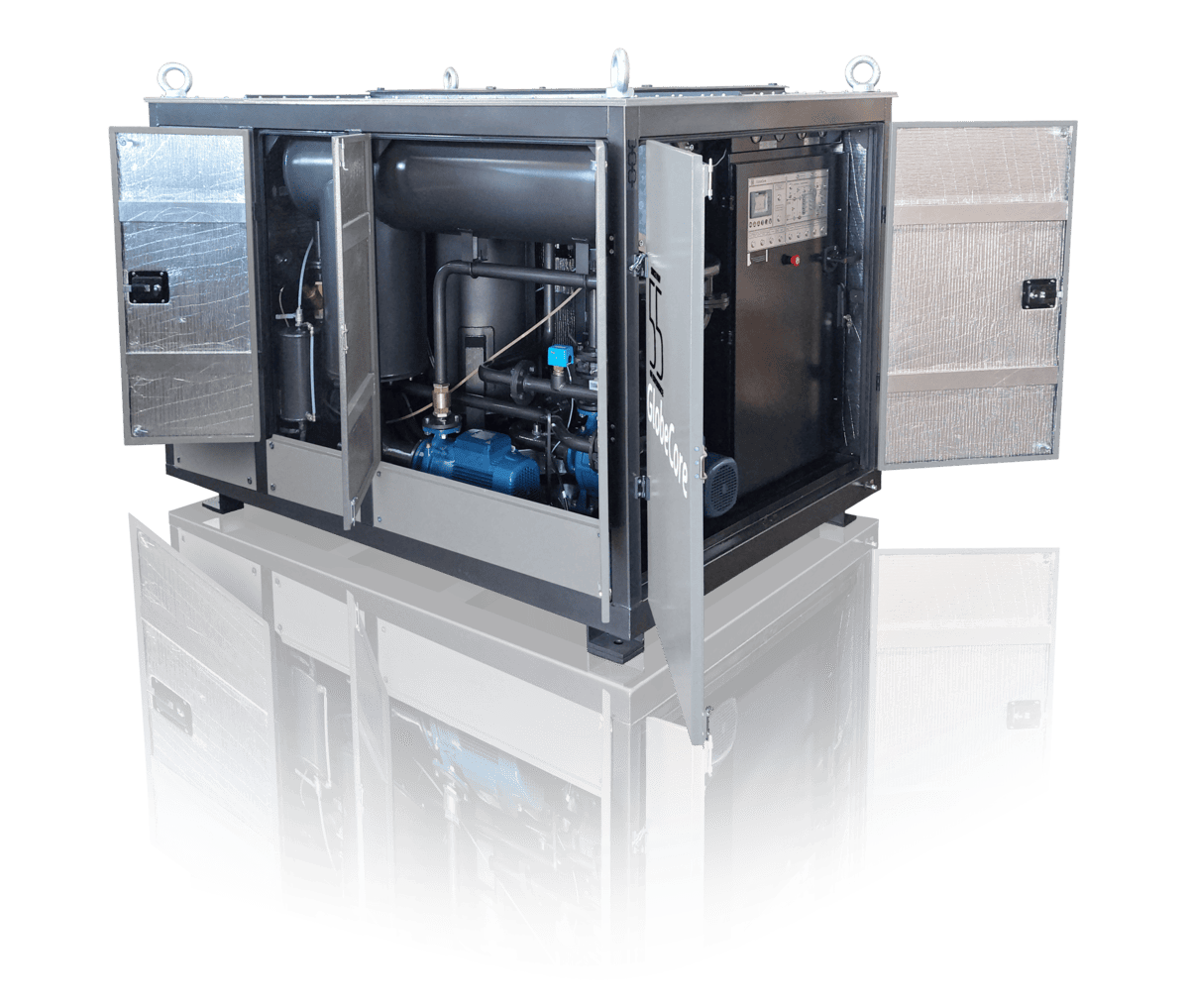
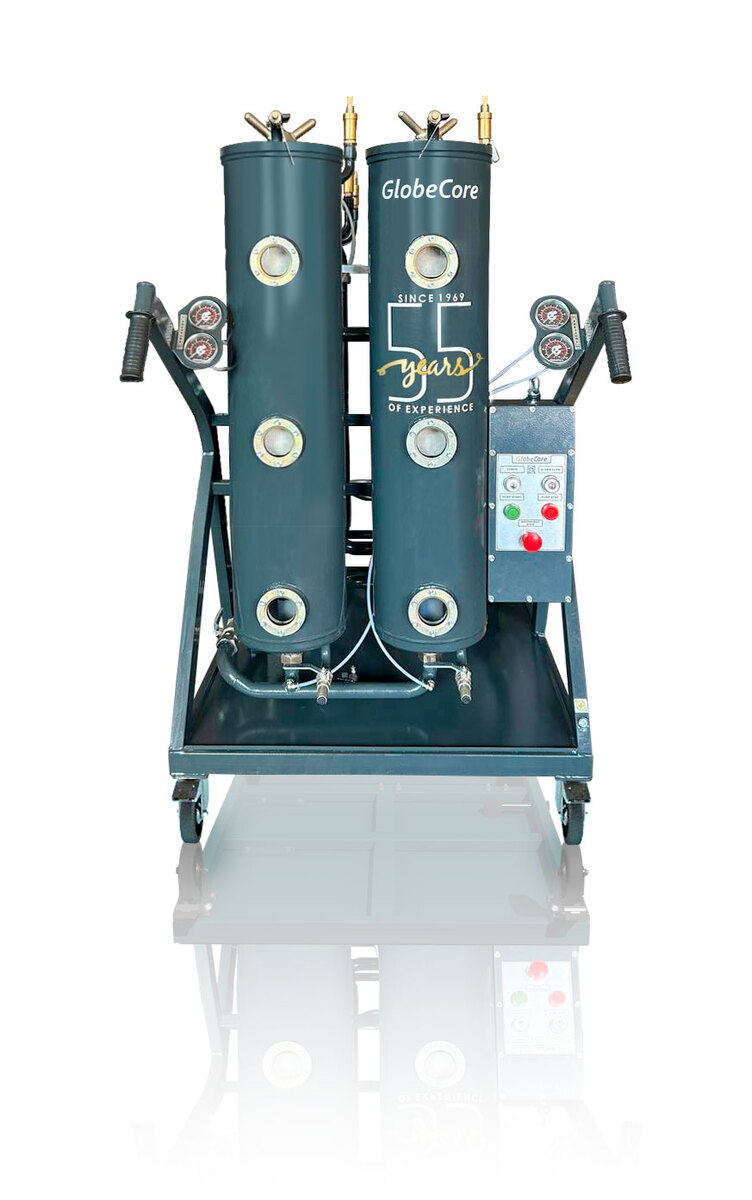
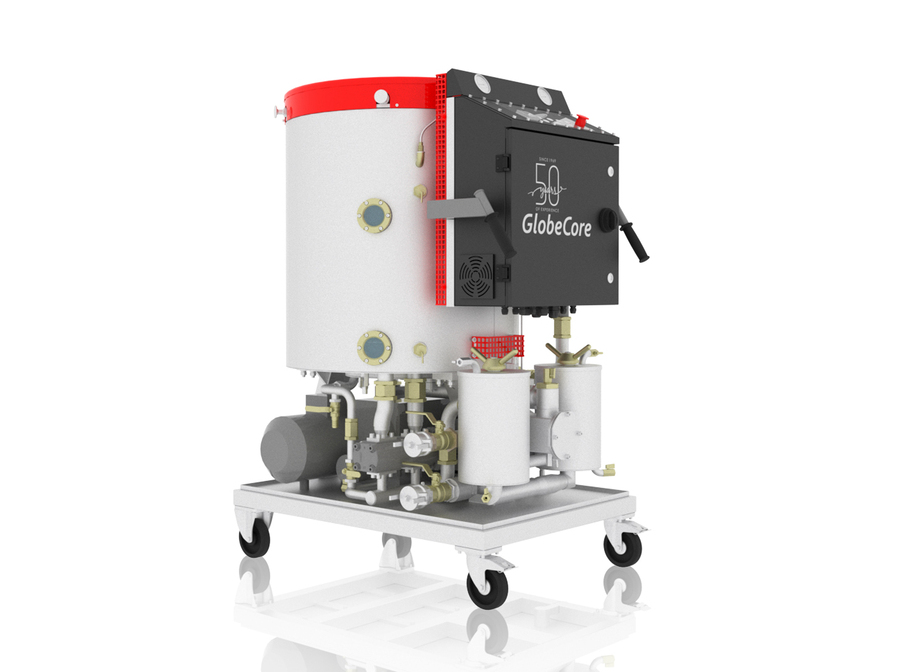
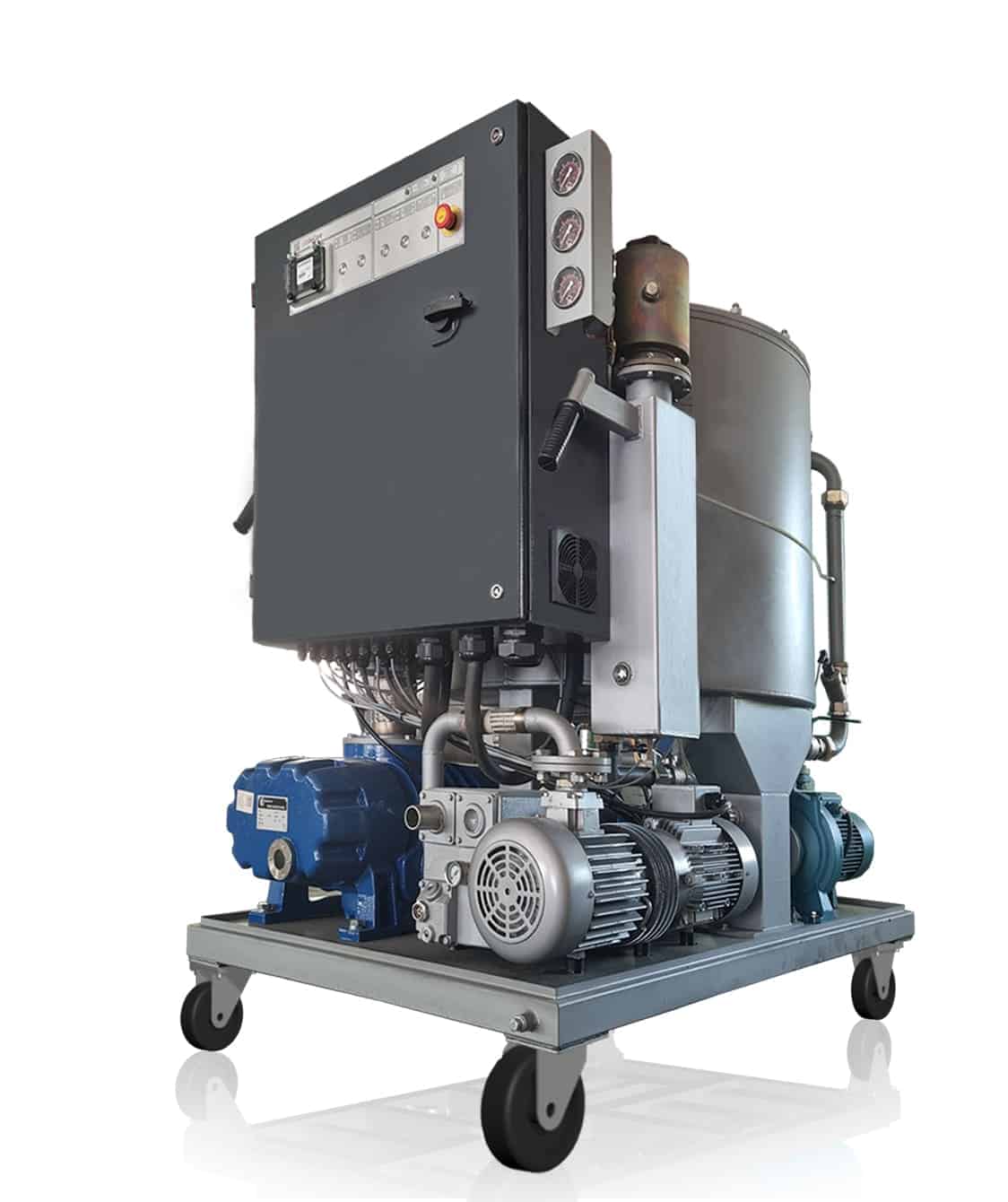
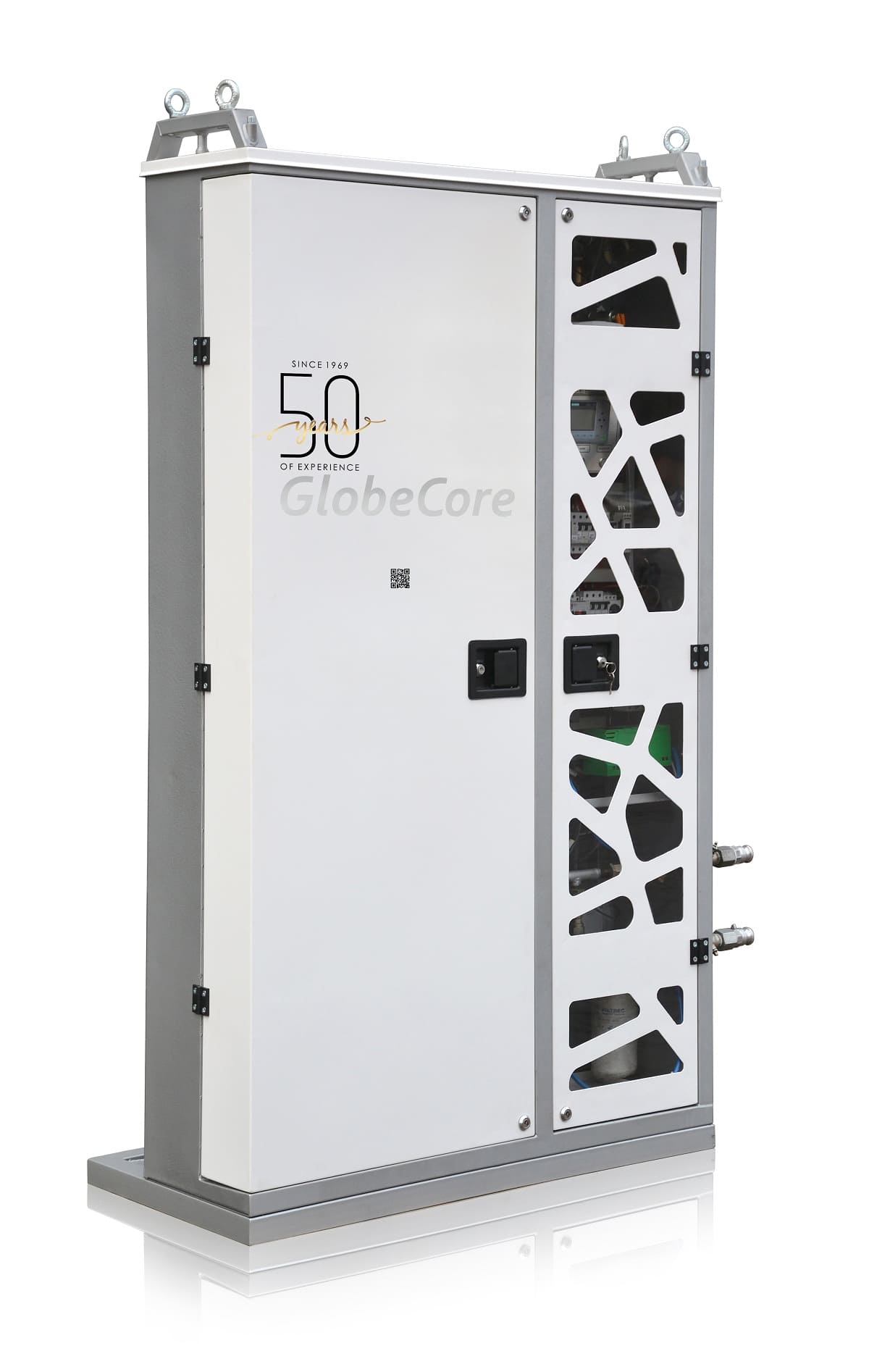
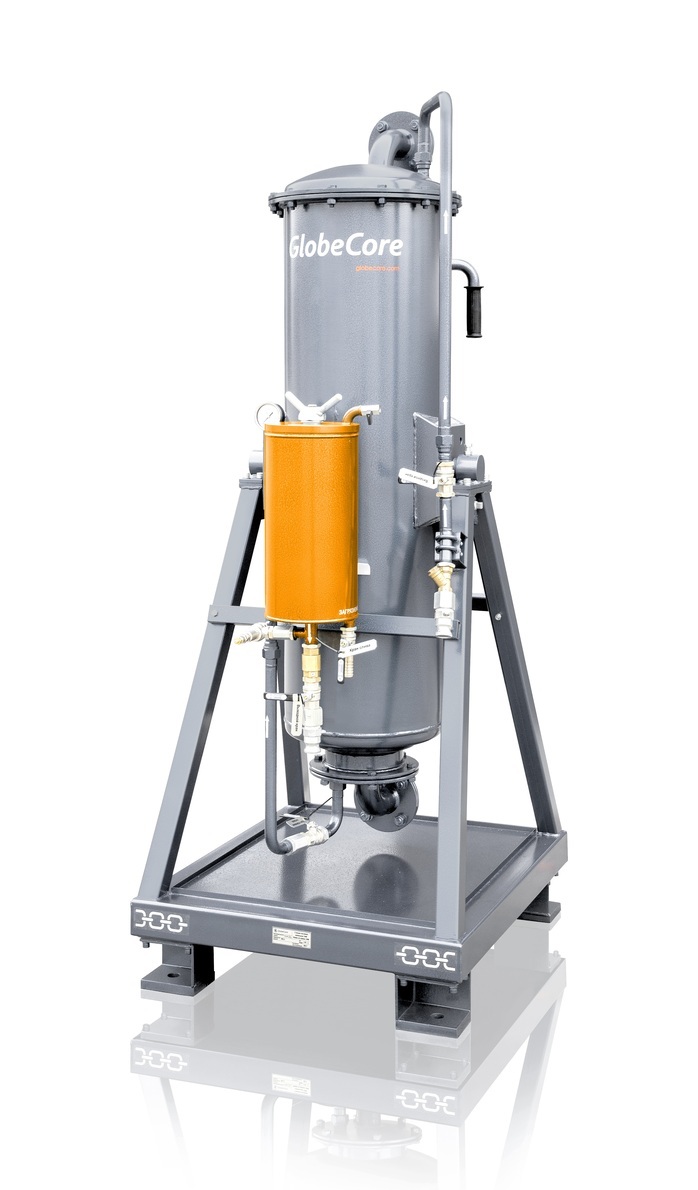
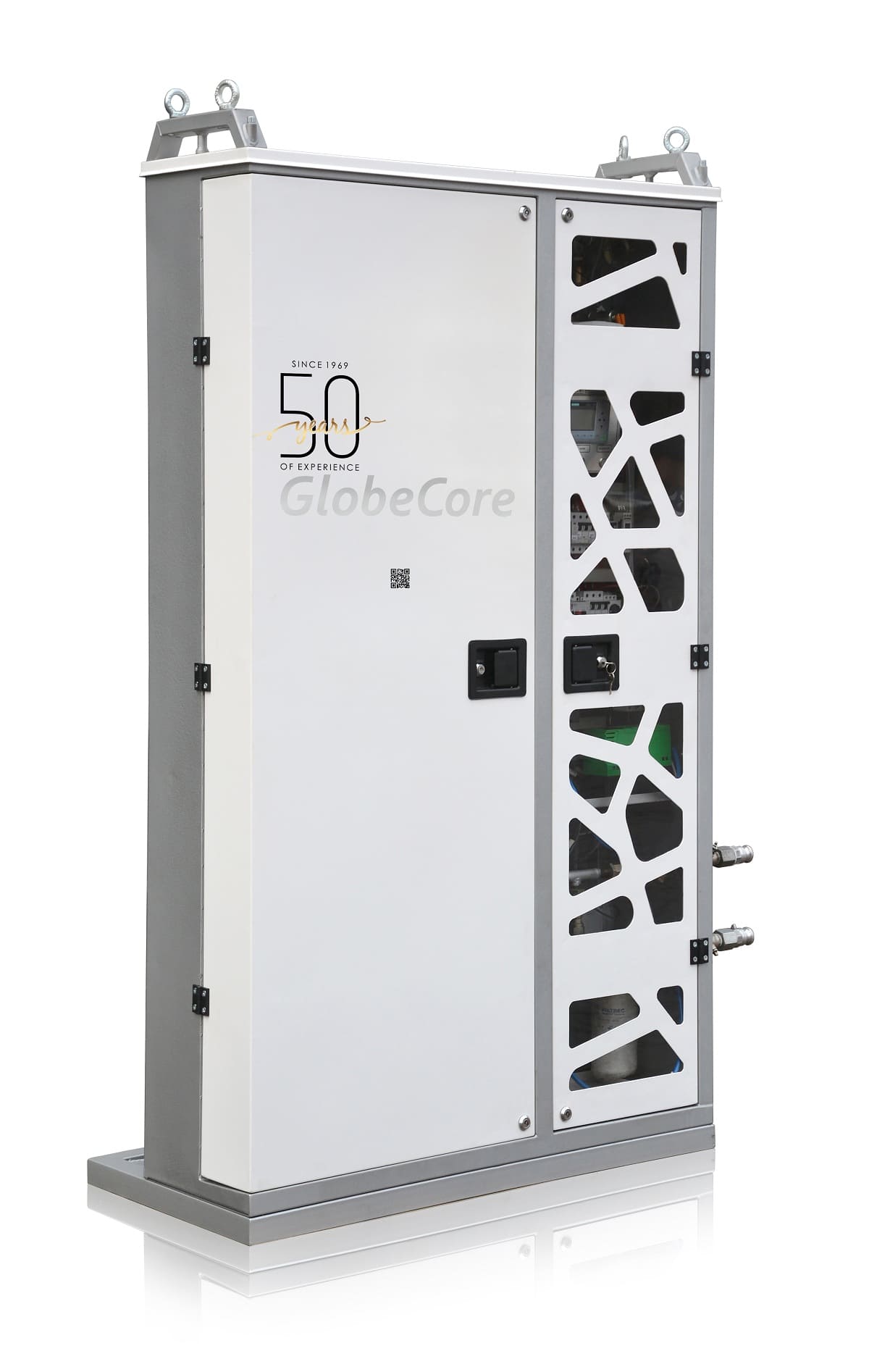
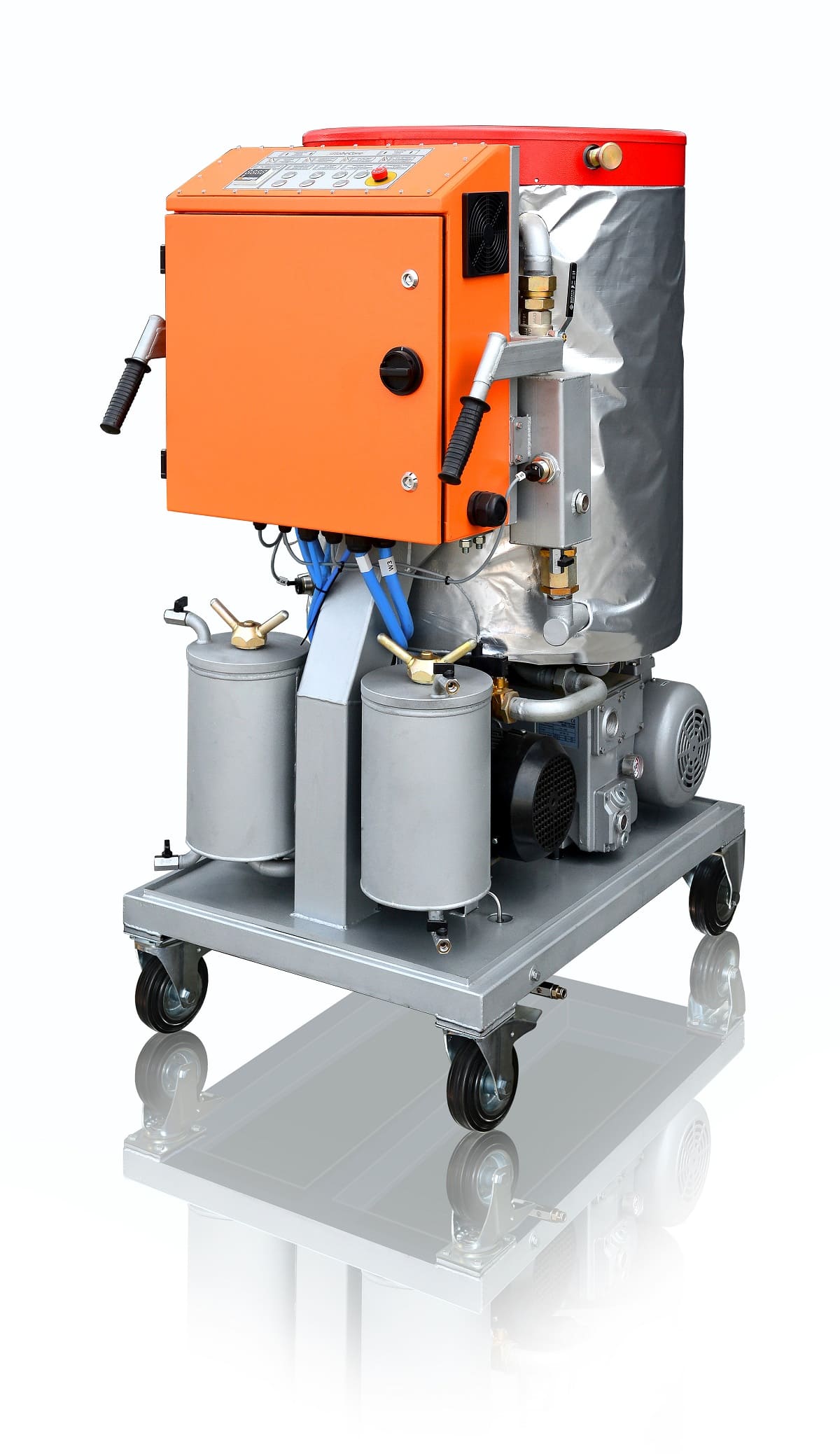
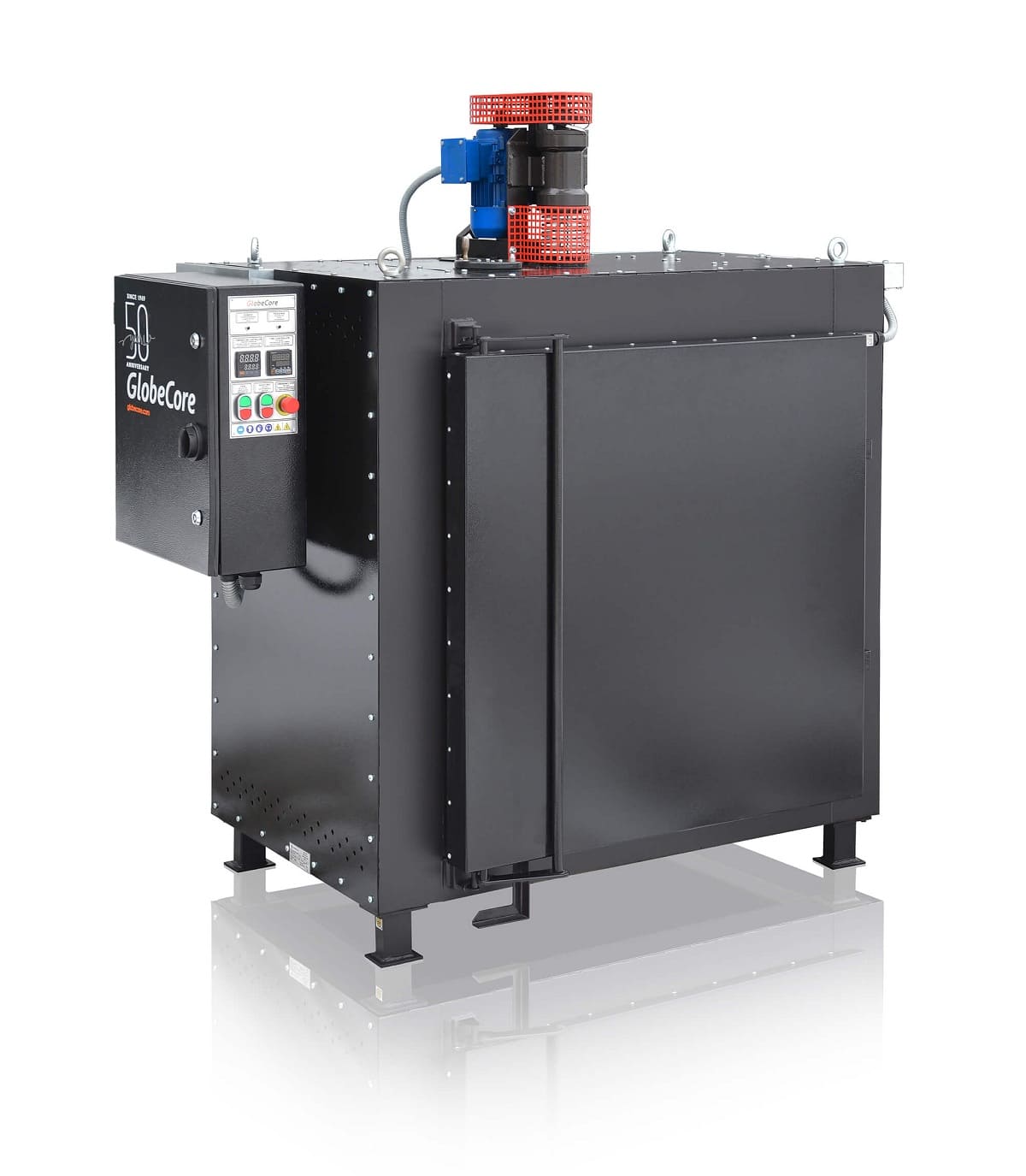
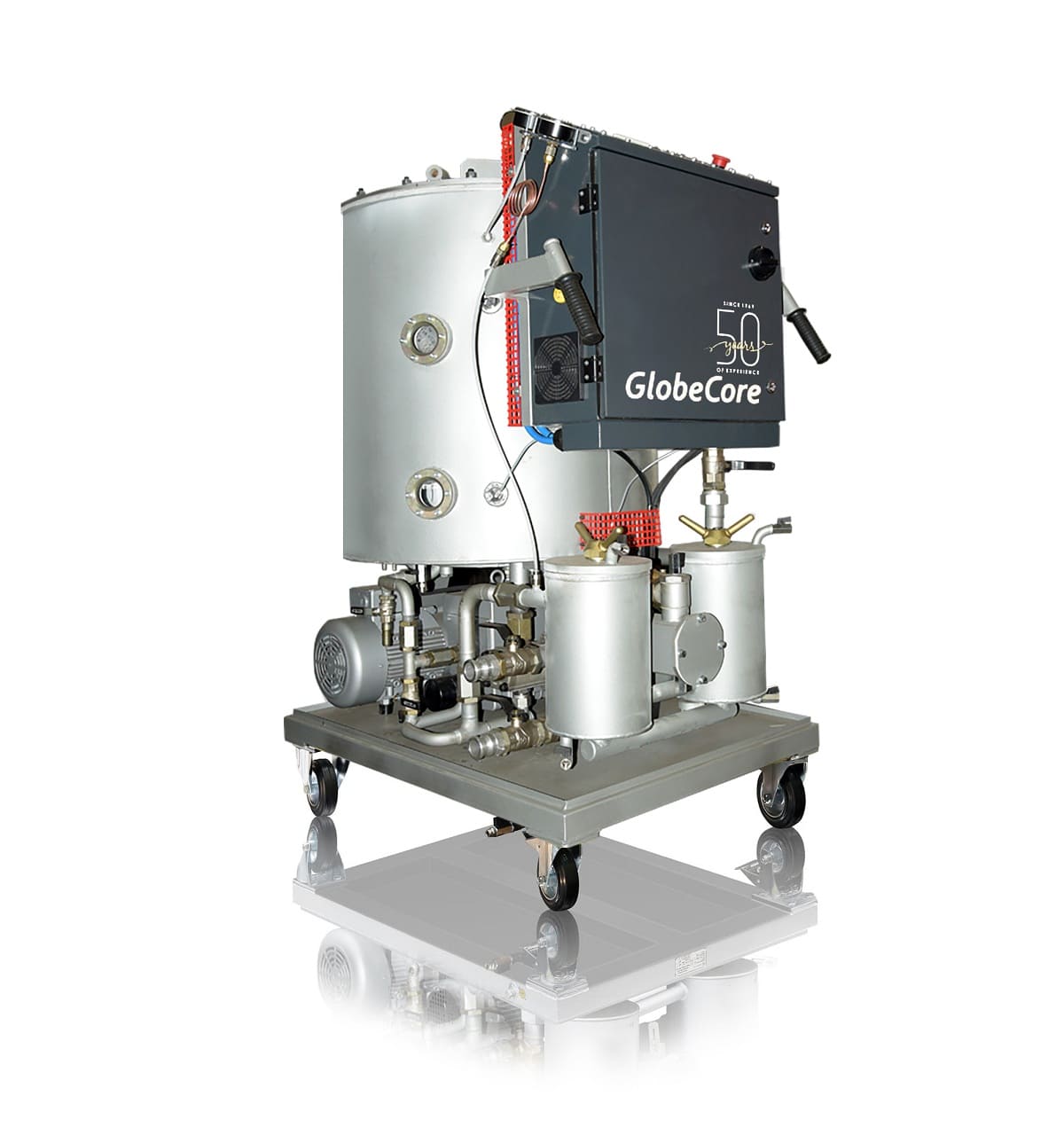
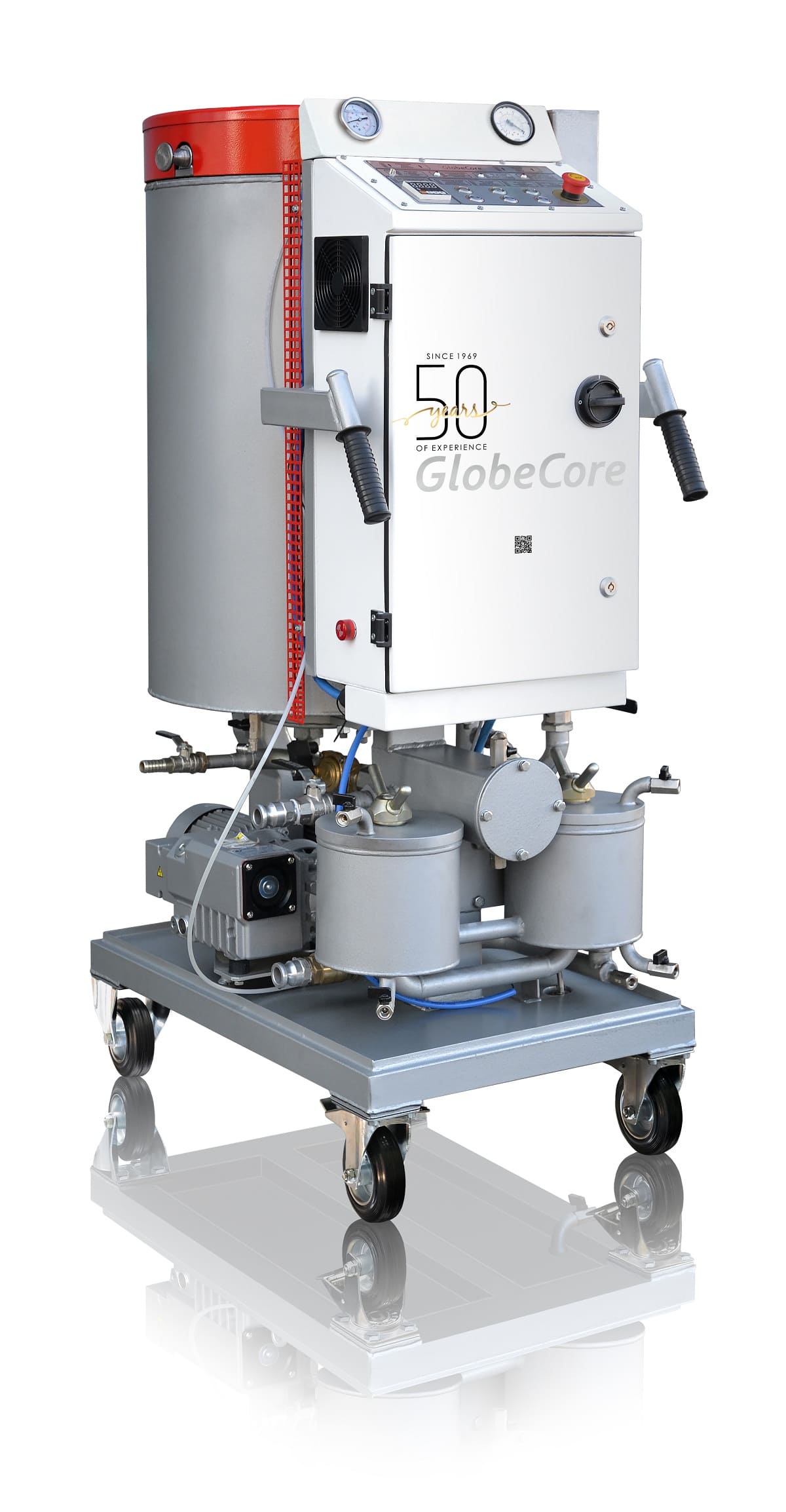
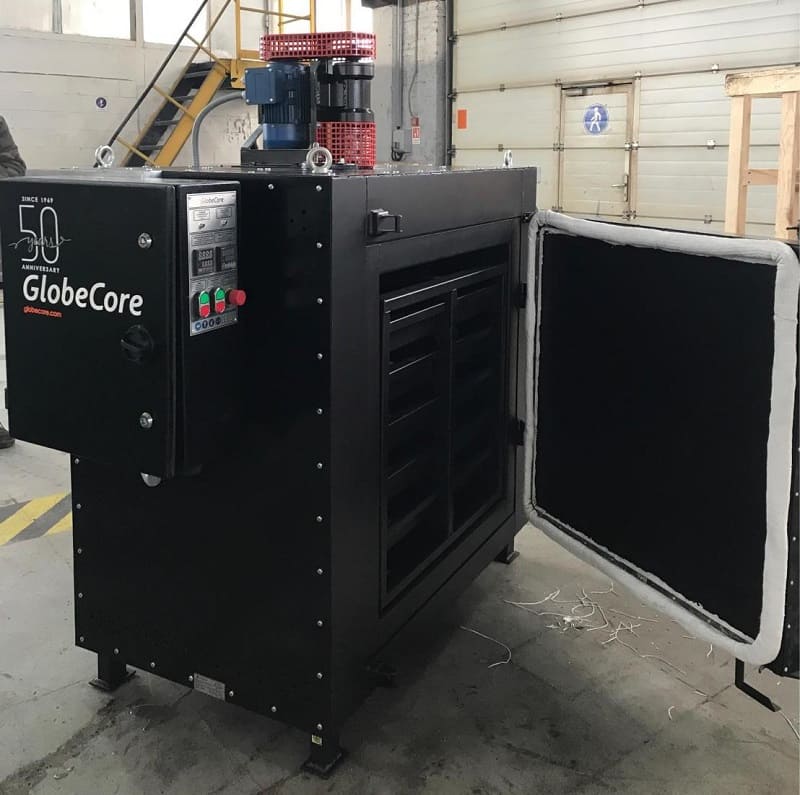
GlobeCore, a globally recognized company in the development of oil treatment solutions, stands out for incorporating innovative and efficient technologies into its equipment. In addition to offering filtration, vacuum dehydration, degassing, and chemical regeneration processes, the company can also include drying with zeolite as an additional option in its systems.
By combining zeolite technology with other treatment stages, GlobeCore provides integrated solutions capable of meeting the highest technical specifications and international standards (such as IEC and ASTM). The result is a final oil with optimized properties, ready to withstand demanding operating conditions and ensure maximum performance.
How Does the Zeolite Drying Process Work?
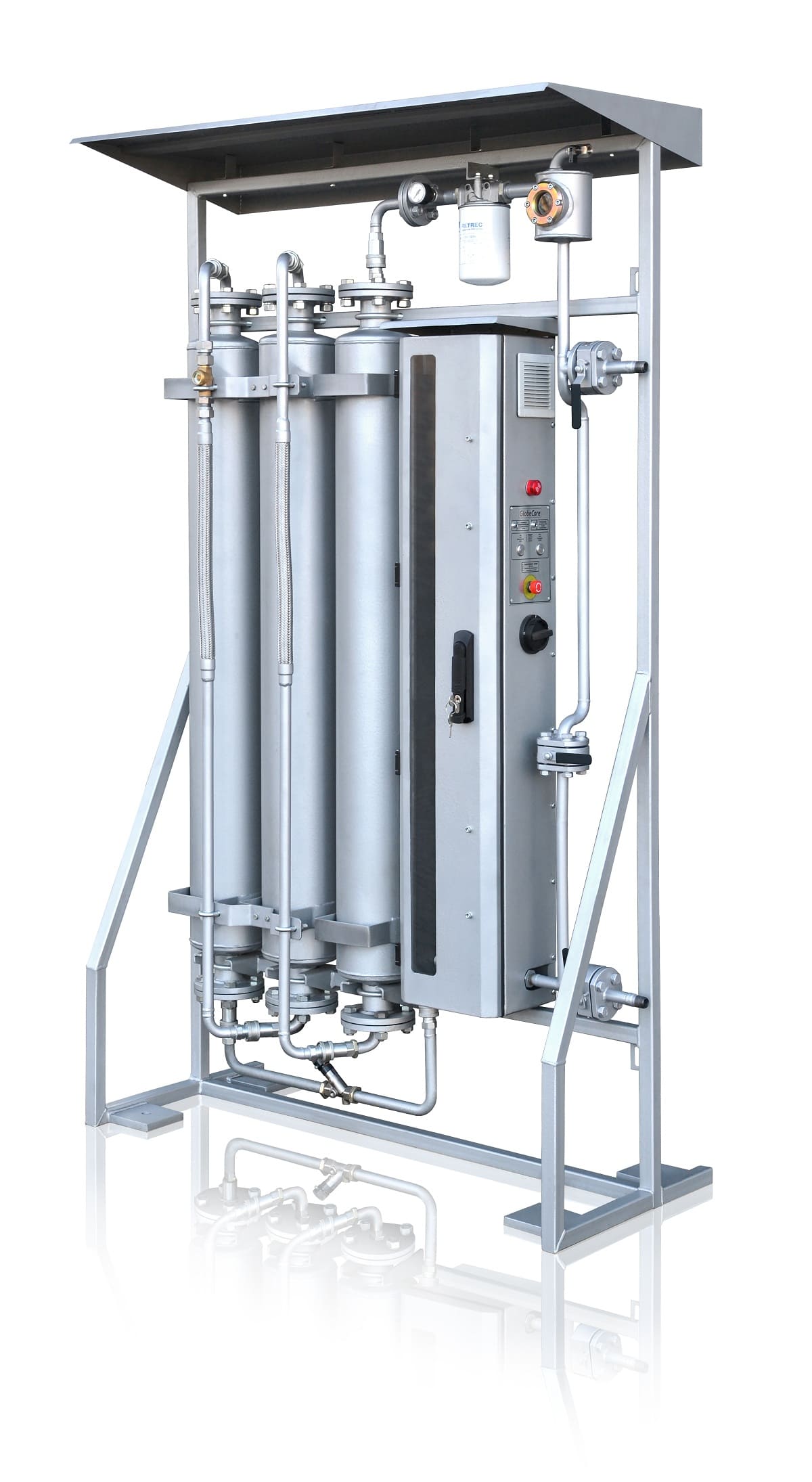
The zeolite drying process is relatively simple, contributing to its wide application. Generally, oil contaminated with moisture passes through a bed of zeolite, where water molecules are adsorbed by the zeolite’s pores. This process takes place under controlled temperature and pressure conditions, ensuring that only moisture is removed while the oil’s properties remain unchanged.
Once saturated with water, the zeolite can be regenerated through heating and, in some cases, vacuum application. The heat releases the water retained within the zeolite, restoring its adsorption capacity. This adsorption and regeneration cycle can be repeated multiple times, making the process economical and sustainable.
Benefits of Zeolite Drying for Industry
- Improved oil quality:
With lower moisture content, the oil returns to optimal conditions, ensuring better electrical insulation, lubrication, and chemical stability. This translates into greater operational reliability and reduced risk of failure.
- Reduced operating costs:
Efficient moisture removal extends the service life of both oil and equipment, decreasing the frequency of emergency maintenance and premature component replacement. Consequently, downtime and costs related to unplanned outages are also reduced.
- Energy efficiency and sustainability:
By using zeolite adsorption, energy consumption is lower compared to intensive thermal processes. In addition, zeolite regeneration reduces waste generation and the need for additional consumables, contributing to cleaner operations aligned with sustainability goals.
- Compliance with technical standards:
Oil dried with zeolite meets stricter quality standards, ensuring compliance with international norms and regulatory requirements. This is particularly important in critical sectors such as energy, petrochemicals, and highly technical industries.
Future Prospects and Innovations in the Use of Zeolite
The application of zeolite in drying oils and other industrial fluids continues to evolve. Ongoing research focuses on developing new zeolite formulations with even greater porosity and selectivity, capable of adsorbing water molecules and other contaminants more rapidly and specifically. Likewise, automation and real-time process monitoring allow operating conditions to be adjusted, increasing overall efficiency.
Furthermore, integrating zeolite drying with other oil treatment processes, such as chemical regeneration, advanced filtration, and degassing, creates comprehensive and intelligent systems capable of delivering optimized oil quality in an integrated manner. This holistic approach ensures superior results, reduced environmental impact, and improved cost-effectiveness.
Drying with zeolite represents a significant advancement in oil purification and quality maintenance processes across various industrial sectors. By adsorbing moisture without altering fluid properties, zeolite offers an efficient, economical, and sustainable solution to enhance operational reliability and extend the service life of sensitive equipment.
By incorporating this technology into its portfolio of solutions, GlobeCore reinforces its commitment to innovation, quality, and continuous customer support. In an increasingly demanding global market focused on excellence, drying with zeolite emerges as a valuable tool to maintain oil in optimal condition, ensuring operational success and long-term competitiveness.