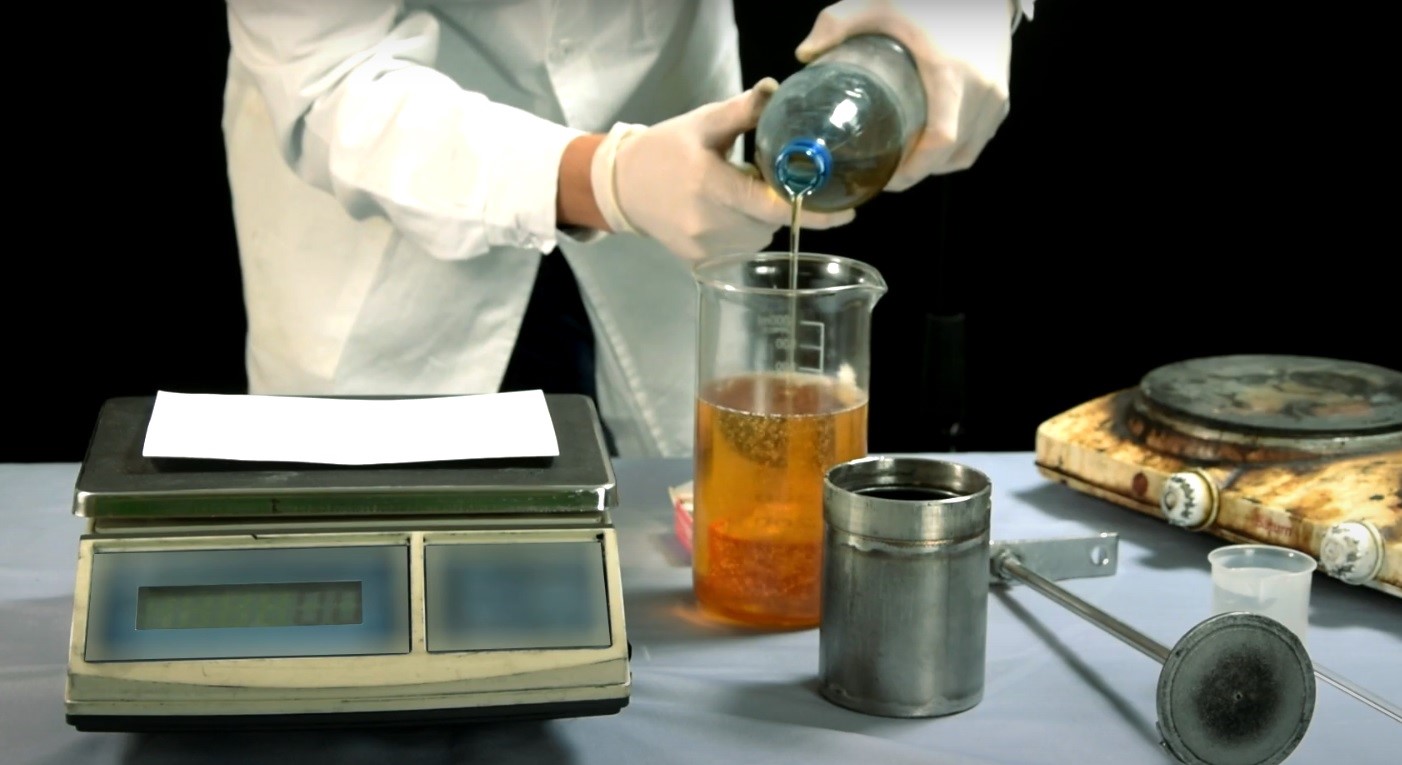
Lubricant grease is a thick anti-friction, water-repellent multipurpose lubricant. It is a slippery, fatty, pasty mass of yellow or brown color. It is produced on the basis of industrial (petroleum, mineral) oils. Lubricant grease production involves thickening the raw stuff by adding the calcium soap derived from fatty acids through saponification.
The main advantage of lubricant grease compared to other lubricants, including lithium-based ones, is high resistance to water washout. It is distinguished by anti-wear and extreme-pressure features. Due to these properties, the substance is suitable for reducing the wear rate of rubbing, contacting parts and for protecting the metal surfaces from harmful effects of moisture.
Use of lubricant grease
Lubricant grease is distinguished by enhanced water-repellent properties; therefore, it is used as a lubricant for the equipment, machinery, and units operating in highly humid environment. Using lubricant grease, the preservation of equipment and tools is ensured in order to protect them from corrosion during storage. It is used for lubricating the units that do not heat up to a great extent, because it is distinguished by the operating temperature of up to 70 °C. In general, lubricant grease is used for the following:
- lubrication of machinery, equipment, and units in agriculture;
- lubrication of locks, hinges, pivots, bushings, and hand brakes in machinery;
- protection and storage of metal tools, equipment, and parts;
- coating the spots where the trees were pruned and grafted instead of graft seal;
- medicinal ointments for psoriasis and other skin diseases.
Thus, lubricant grease production is relevant for several fields at once, including various industries, agriculture, and medicine. The lubricant is also widely used in everyday life, at allotments, in car repair shops, in workshops of light and heavy industries, etc.
Lubricant grease quality requirements
Lubricant grease is produced on the basis of mineral oil by adding soap thickeners derived from fatty acids thereto. The fatty acids used can be natural or synthetic, and depending on that, lubricant grease is classified into natural and synthetic types respectively. The main requirements to the lubricant include:
- high homogeneity without lumps;
- smooth, oily texture;
- operating temperature range from -25°C to +70°C;
- high resistance to the influence of humid environment and water;
- water content in product of not more than 3%;
- high colloidal stability;
- no oil separations.
Most of these properties depend on the technology of lubricant grease production and the quality of mixing, dispersion processes. The conventional production methods do not always allow obtaining the product with the best characteristics.
Lubricant grease production — conventional technology
Conventional lubricant grease production is the preparation of a mixture by mixing and dispersing the ingredients. First, a milk-of-lime suspension is prepared in a boiling pan. It is allowed to settle, and the water is drained. Next, a small amount of mineral oil and fatty acids are added to the resulting suspension. The process of saponification and excess moisture evaporation is carried out which takes several hours.
The rest of mineral oil is added to the resulting mixture and mixed until it becomes homogeneous and pasty. The cooled substance constitutes finished lubricant grease.
In order to improve and speed up the processes in modern production, sealed and pressurized autoclaves, mechanical mixers, and cooling drums are used as boiling pans. But still, this lubricant grease production technology has major disadvantages.
Conventional technology disadvantages
With the conventional method of lubricant grease production, vast resources are spent on mixing the initial ingredients. The processes take long and require considerable energy consumption.
Currently, lubricant grease is produced by mechanical mixing of components. The disadvantages of this technology are as follows:
- lengthy and incomplete chemical reactions in raw materials;
- duration of dispersion processes;
- low homogeneity of obtained product.
These disadvantages of the existing technology become the reasons for poor product quality and excessive consumption of raw stuff and energy resources.
Lubricant grease production by means of a vortex layer device (AVS) helps in solving these problems of classical methods for its preparation.
Lubricant grease production by means of AVS — how does it work?
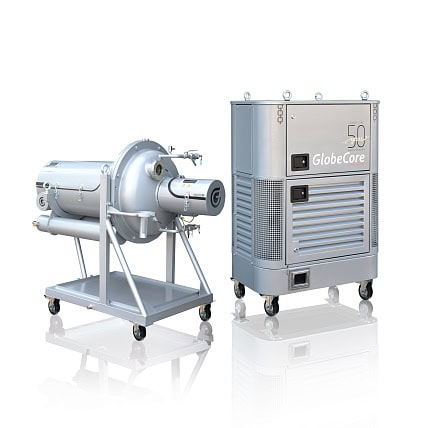
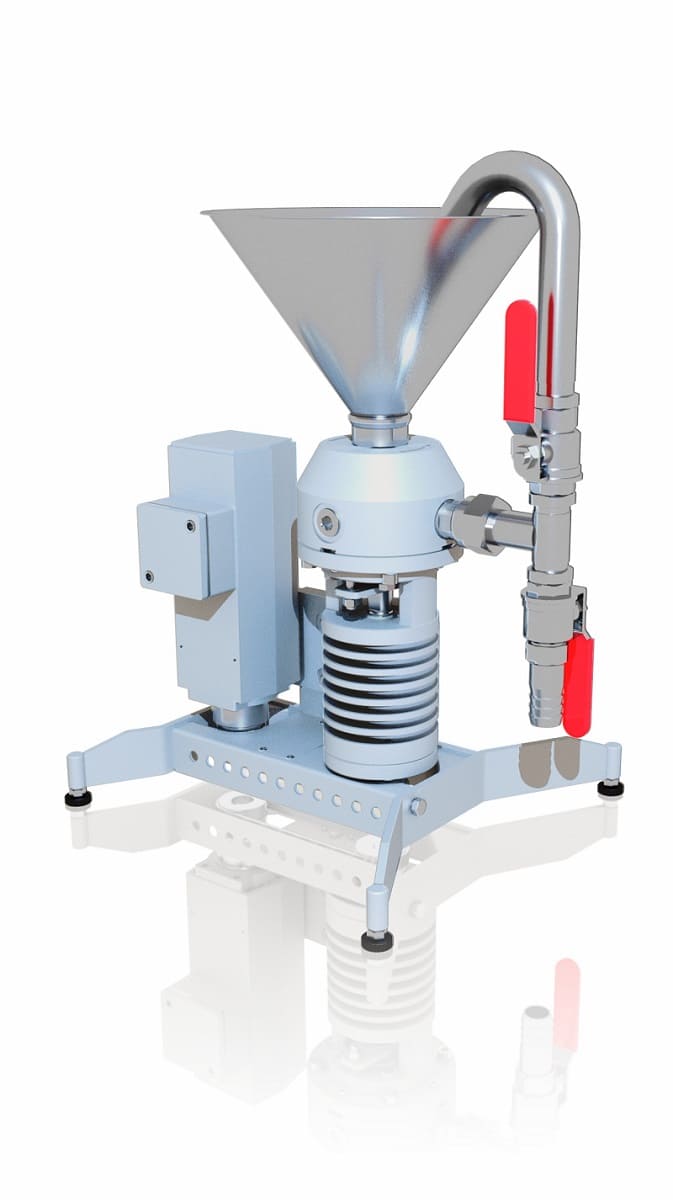
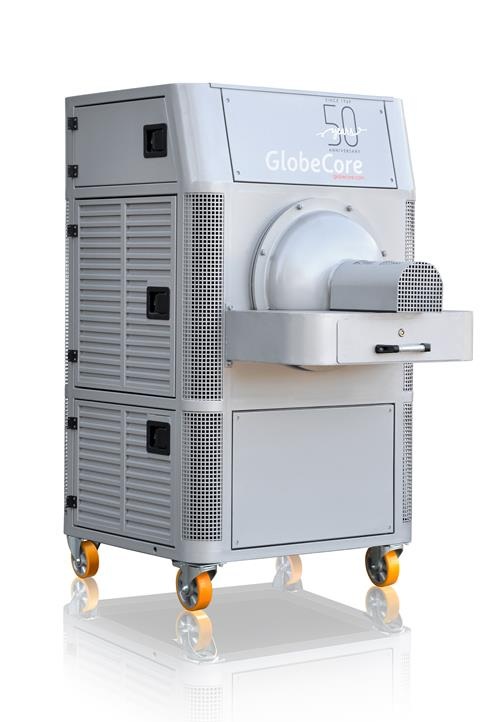
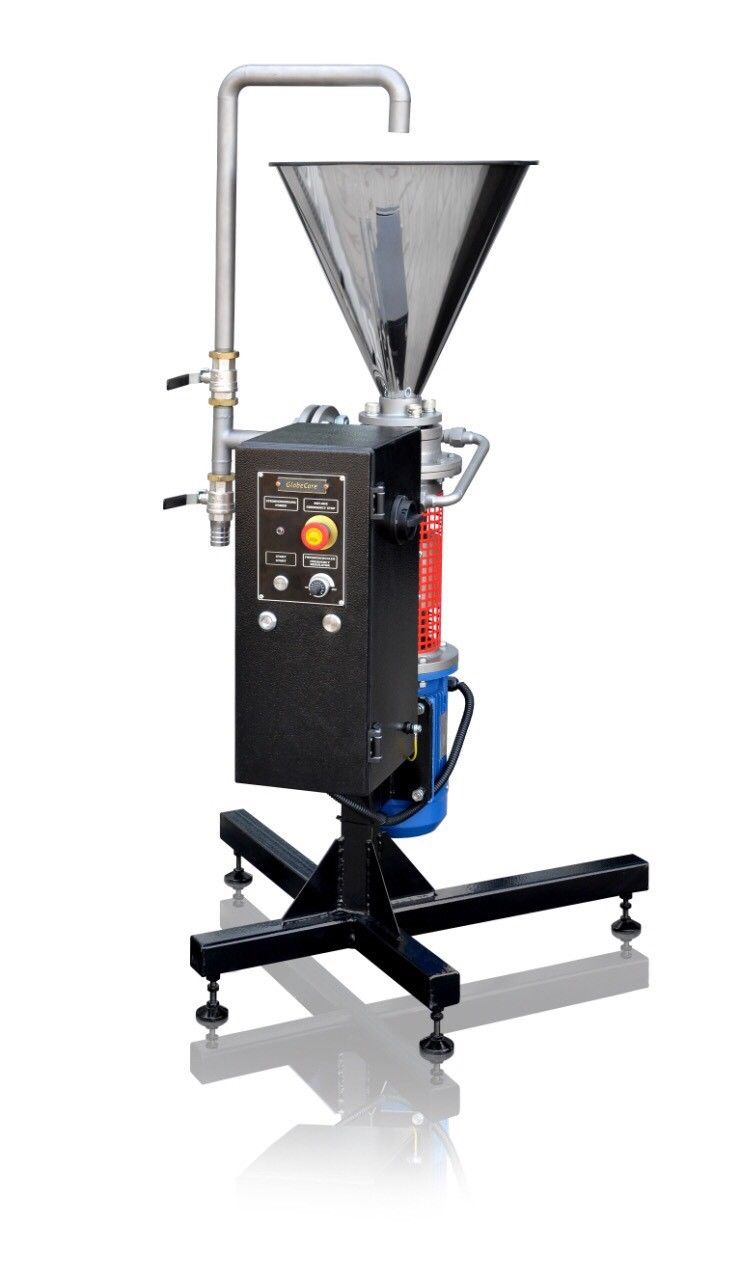
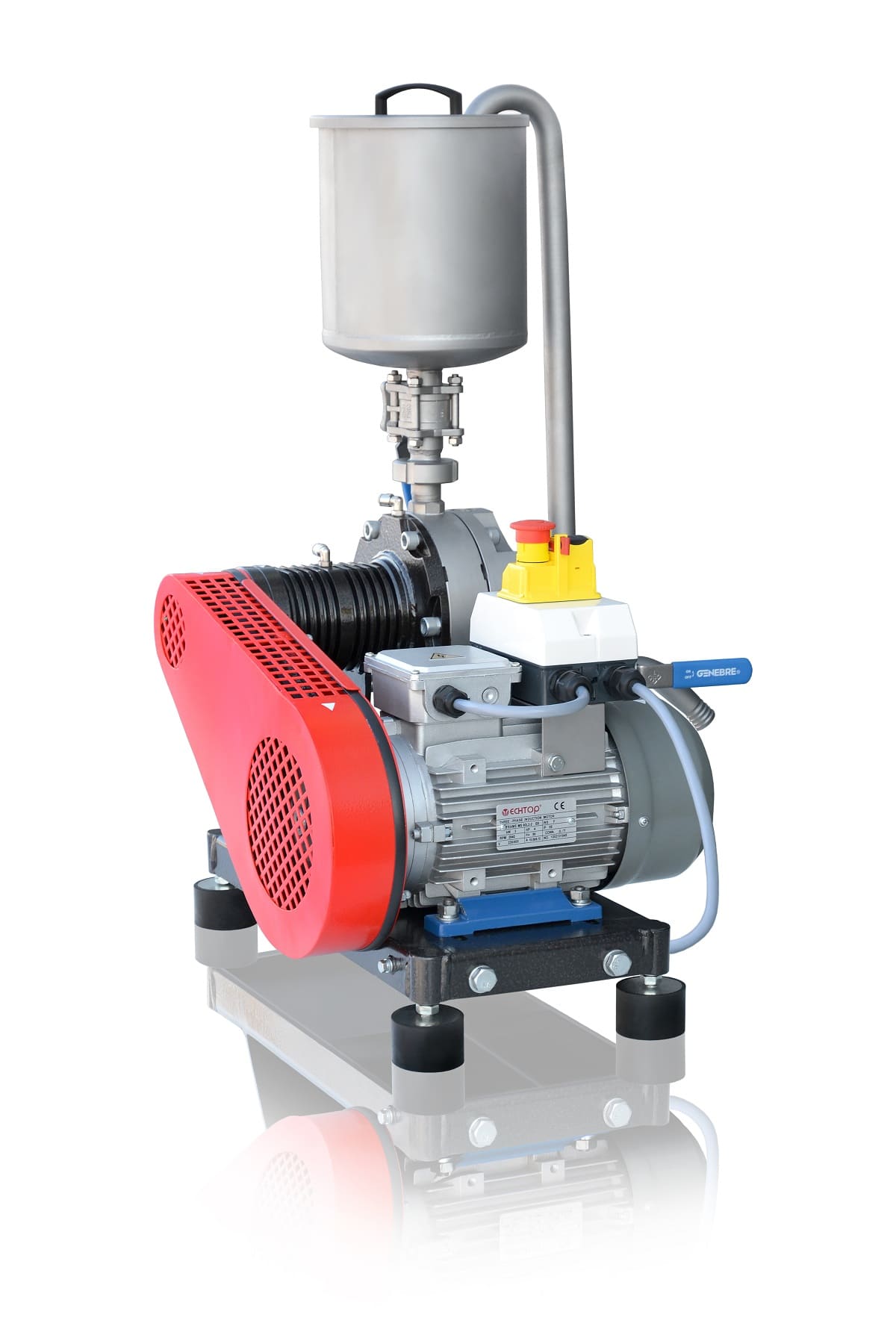
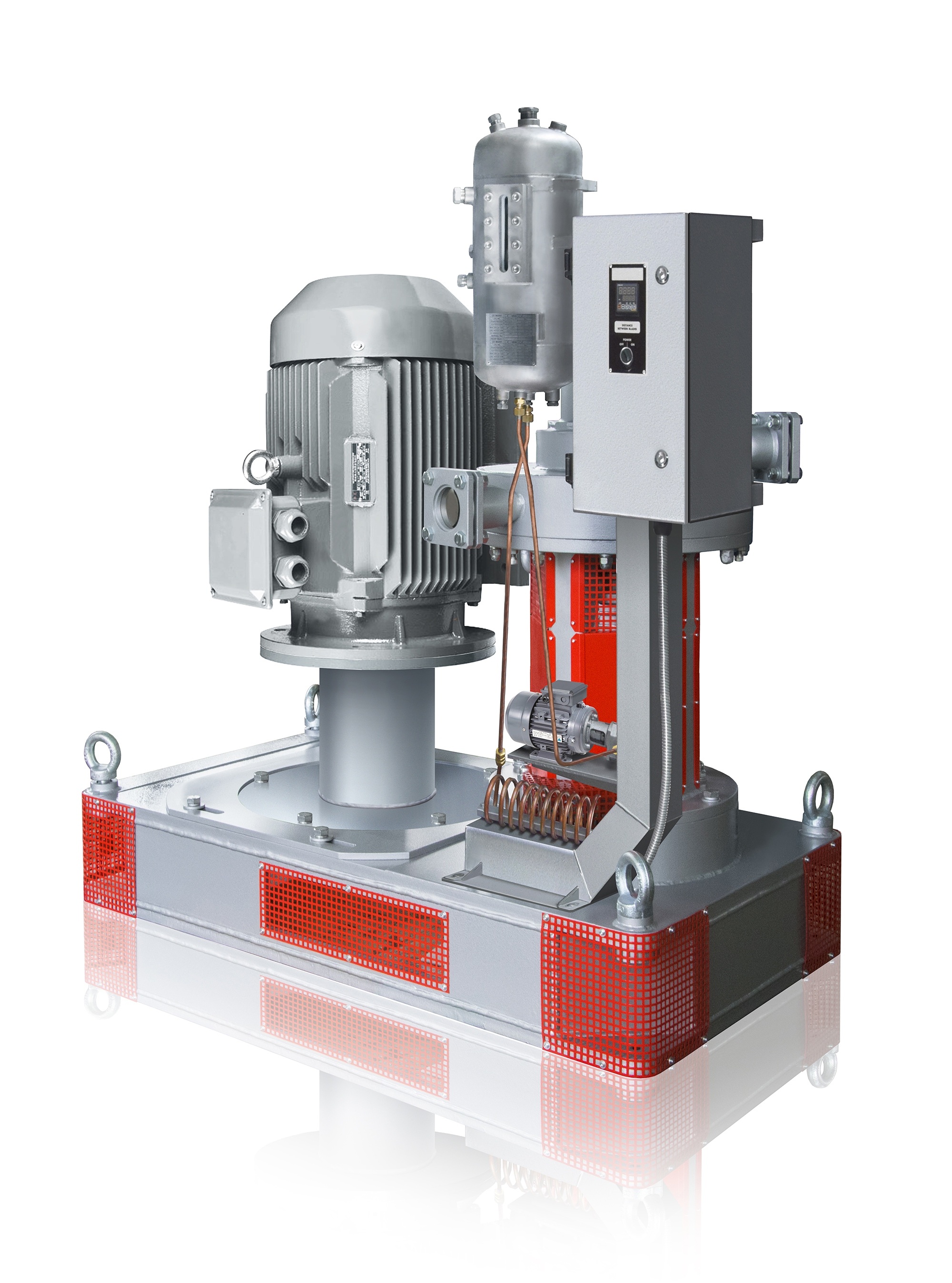
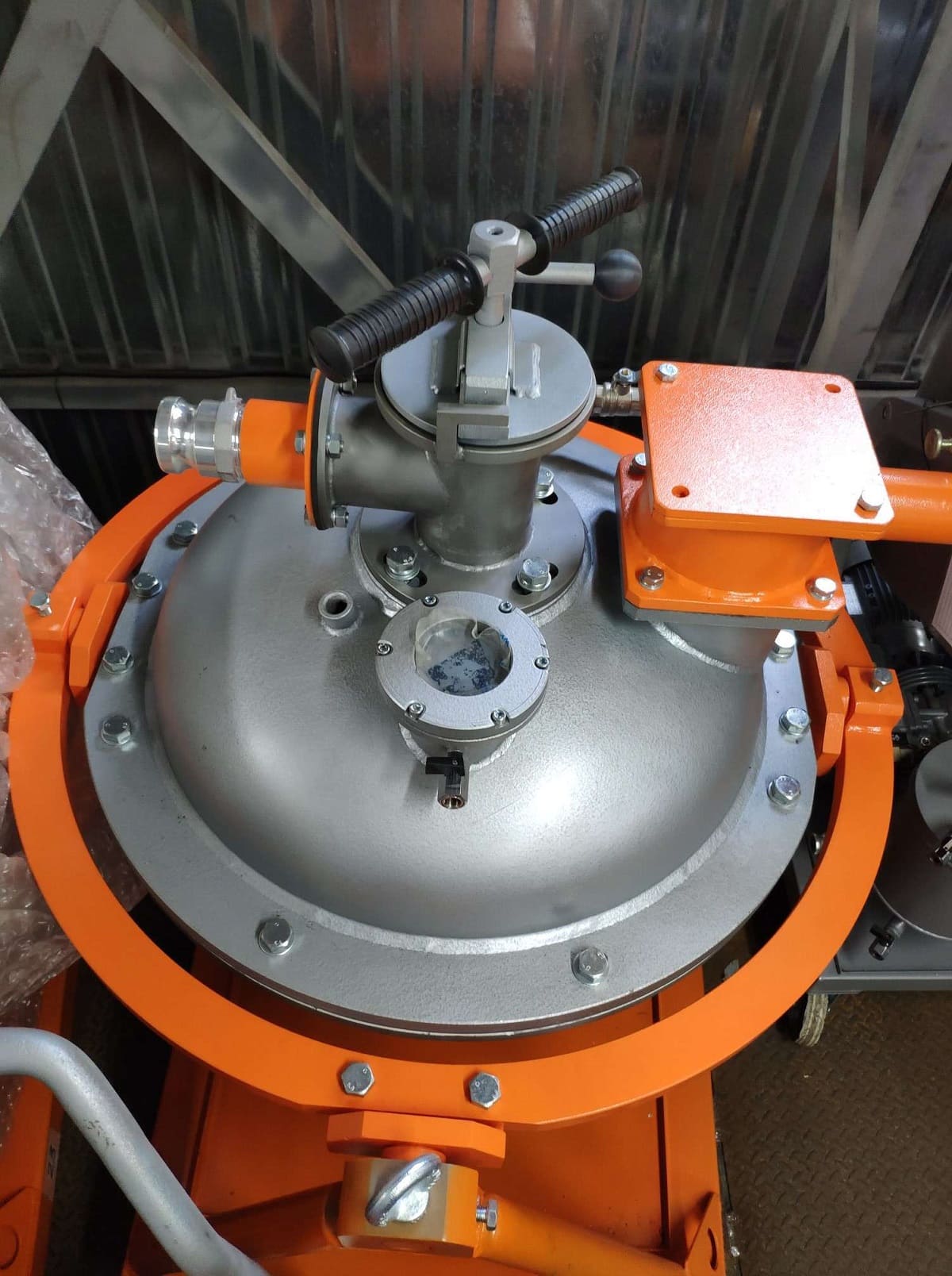 A vortex layer device is an efficient, highly productive disperser and mixer capable of intensifying the processes of mixing, activating, and grinding the components during the preparation of mixtures.
The equipment operates on the basis of an electromagnetic field created by an inductor in the operating chamber. At the same time, there are ferromagnetic particles inside the tank. Driven by an electromagnetic field, they turn into miniature mixers chaotically moving about the chamber and rotating around their axis. A vortex layer is created in the apparatus. Furthermore, the processes of intensive mixing, electrolysis, acoustic vibrations, electromagnetic processing, and high local pressure are observed. Under these conditions, the lubricant grease components are properly mixed and undergo chemical reactions of saponification.
When AVS is implemented in the lubricant grease production line, the process of multistage mixture preparation becomes continuous. Owing to all of those things, the efficiency of the method for lubricant grease production by means of AVS is higher than that of conventional methods.
Technology of lubricant grease production by means of AVS — GlobeCore experiment
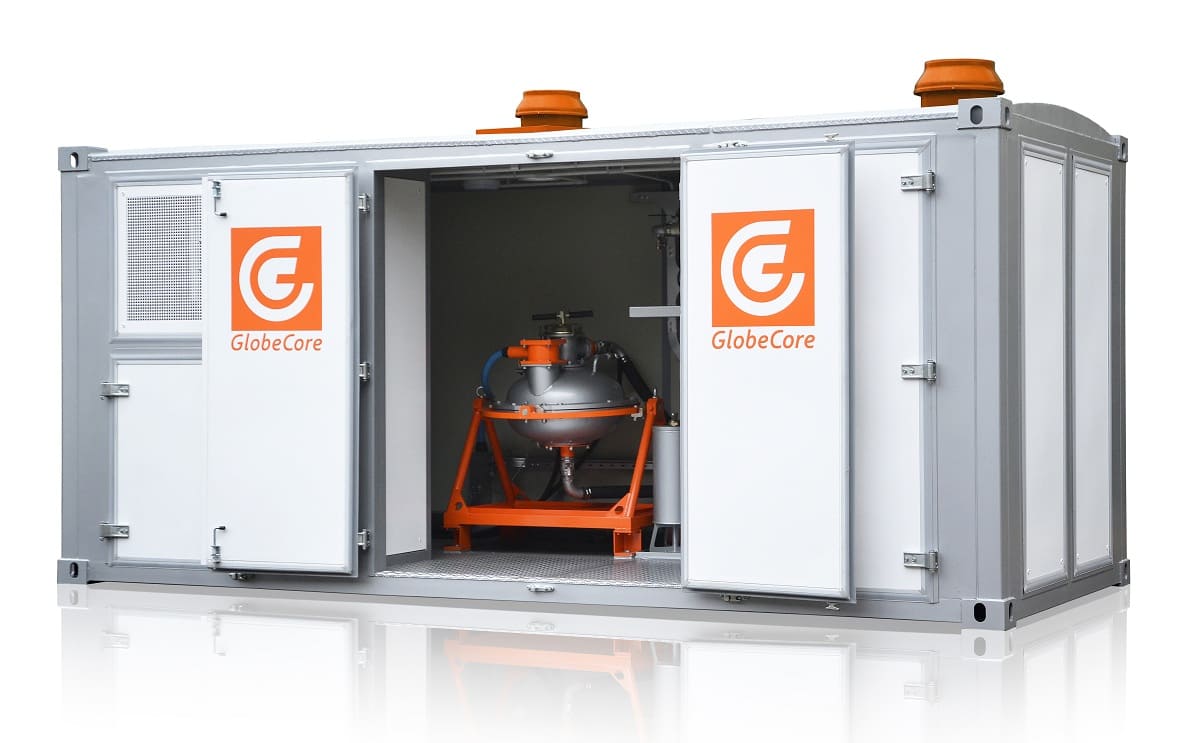
GlobeCore carried out a practical experiment for fatty lubricant grease production by means of AVS-100 vortex layer device. As part of the experiment, 1 liter of lubricating substance was prepared. The following ingredients were used for this purpose:
- fatty acids of C-20 fraction;
- industrial oil;
- 26-percent lime and oil suspension.
Before preparing the lubricant, the oil and the fatty acids were brought to 85–90 °C. The components were mixed in the device chamber merely for a few seconds. It resulted in a homogeneous lubricant mixture with completely reacted components. The capacity of AVS-100 model is 2.5 t/h at the power consumption of not more than 5 kW.
GlobeCore also developed a lubricant grease production line using AVS. It consists of tanks for preparing and preheating the raw stuff and the components, a dosing unit with smooth adjustment, a vortex layer device itself, and a receiving tank.
Advantages of lubricant grease production by means of a vortex layer device
The discussed technology for lubricant grease production by means of AVS has the following advantages compared to conventional methods:
- Saving on expensive raw stuff
Excessive consumption of raw stuff is eliminated, because saponification occurs more thoroughly. The savings on components reach 15–20%.
- Reduced production time
The time of processing the components to obtain a homogeneous mixture is reduced several times due to comprehensive intensification of processes and continuous production. The processes that typically take hours are performed in a matter of minutes.
- Simplified production
The technological line is unloaded due to the compactness and efficiency of equipment. It requires no pedestals and no additional structures. The process of preparing a lubricant mixture becomes continuous.
- Improved quality of final product
At the outlet, we obtain homogeneous, stable lubricant grease with completely reacted components. The lubricant is compliant with all the quality requirements.
- Saving on energy resources
The energy consumption for the technological process decreases due to the cost-effectiveness of AVS — the power requirement of the models varies from 4.5 to 9.5 kW.
Owing to these advantages, GlobeCore AVS-100 or AVS-150 vortex layer device will become the best modern solution for a technological line of lubricant grease production. The equipment is distinguished by reliability, simplicity, and easy maintenance. You can learn more about the device and order the equipment by contacting the sales representatives of the company.