GlobeCore

  • Home
  • Products
    • Oil Regeneration
      • CMM-6RL Oil Regeneration Unit
      • CMM-10RL Transformer Oil Regeneration Plant
      • CMM-12R Oil Regeneration Systems
      • CMM-12R Oil Regeneration System (With Activated Bauxite)
      • CMM-8RSL/4000 Transformer Oil Regeneration Plant (With Fuller’s Earth)
      • USB-6 Oxidation Inhibitor injection unit
      • СММ-0,001U Laboratory Oil Filtration Unit
    • Oil Purification & Degassing Machines
      • CMM-0.6L Oil Degassing & Filtration Cart
      • СММur-1L mobile oil plant
      • CMM-1.0LT Transformer Oil Purification Unit
      • CMM-1H Oil Processing Unit
      • CMM-2.2LT Industrial Oil Purification Unit
      • CMM-4,0T Turbine oil filtration
      • CMM-4,0LT Transformer Oil Purification Unit
      • CMM-4/7 portable oil degassing unit
      • CMM-6LT Industrial Oil Purification Unit
      • CMM-6/7 Degassing Unit
      • CMM-8LT Oil Processing Unit
      • CMM-10 — Transformer Oil Purification Machine
      • CMM-15 Oil Degassing Plant
    • Oil Filtration Machines
      • CMM-1,0CF Unit for Removal of Water from Oil
      • CMM-2,0CF Unit for Removal of Water from Oil
      • CMM-1,2Fr Industrial oils filtration unit with self-cleaning filters
      • CMM-4,0F Oil filtration unit
    • Oil Drying Unit
      • ZP-130 Sorbent Cartridges
      • ZP-260 Sorbent Cartridges
    • Oil Heating
      • PPM Inline Oil Heater. Stream oil heating
    • Fuel Polishing
      • TOR-1 diesel fuel moisture content tester
      • CMM-6RL dark diesel fuel polishing machine
      • CMM-6RL dark heating fuel polishing machine
      • CMM-6RL low-viscosity marine fuel polishing machine
    • Online Transformer Dry-Out Systems
      • CMM-260C Online Transformer Dry-Out System
      • TOR-4 Online Transformer Dry-Out System
    • Online Transformer Monitoring Systems
      • TOR-5 Online Transformer Monitoring System
    • Transformer Maintenance
      • Mojave Heat (Sukhovey): Hot Air Dryer Unit
      • UVV Vacuum Cold Trap
      • US-6S Transformer vacuum furnace
      • LFD Low Frequency Heating Device
      • BV-3000 Transformer Evacuation System
      • BV-5000 Transformer Evacuation System
      • UVD Vacuum Oil Filling Unit
      • UVD-1000 Oil Filling and Transportation System
      • TSS Transformer Safety System
      • CMM-6RL Oil Regeneration Unit
      • CMM-10RL Transformer Oil Regeneration Plant
      • CMM-12R Oil Regeneration Systems
    • Vacuum Transformer Drying Ovens
      • US-6S Transformer vacuum furnace
    • Sorbent Processing
      • ZP-130 Sorbent Cartridges
      • ZP-260 Sorbent Cartridges
    • Instruments – Transformer Oil Testers
      • TOR-1 Oil Moisture Meter
      • TOR-2 Hydrogen and Moisture Analyzer for Transformer Oil Monitoring
      • TOR-3 (TOR-3 SL) Oil Tan Delta Tester
      • TOR-6 Transformer Oil Moisture and Particles Tester
      • TOR-7 Universal Transformer Oil Tester (moisture, gases, solid particles)
      • TOR-8 tester for residual gas content of insulating oil
      • TOR-60 (TOR-60 SL) Breakdown Voltage Tester
      • TOR-80 (TOR-80 LSL) Breakdown Voltage Tester
      • TOR-80A (TOR-80 ASL) Transformer Oils Breakdown Voltage Tester with Battery
      • TOR-100 (TOR-100 SL) Breakdown Voltage Tester
    • Wind Turbine Service
      • CMM-G wind turbine gearbox oil changer (with dimensions adapted to the customer’s trailer ones)
      • CMM-G Wind Turbine Gearbox Oil Changer
      • CMM-GL Wind Turbine Gearbox Oil Changer
      • CMM-0.6L Oil Degassing & Filtration Cart
      • CMM-4,0T Turbine oil filtration
    • Medical Equipment Maintenance
      • CMM-0.6 X-ray Transformer Oil Purifier
      • AVSk-150 Hospital Wastewater Treatment Complex
    • Blending systems
      • USBL-1 Laboratory Blending System
      • USB-1 Fuel oil blending system
      • USB-5 high-speed mixing unit for production of sanitizers (0.15 – 0.3 m3/h)
      • USB-5 high-speed mixing unit for production of sanitizers (1.1 m3/cycle)
      • USB-6 Impeller Stirrer
      • Colloid Mill
      • Vortex Layer Devices
    • Colloid Mill
      • Colloid mills for food industry
        • CLM-100.3 Colloid mill
      • Colloid mills for bitumen emulsion production
        • CLM-0.25.1 Laboratory colloid mill
        • CLM-2/4 Colloid mill
        • CLM-16/25 Colloid mill
      • Colloid mills for bitumen modification
        • CLM-8/16 Colloid mill
        • CLM-10/20 Colloid mill
        • CLM-40.2 Colloid Mill
      • Colloid mills for different applications
        • CLM-100.2 Colloid Mill
        • CLM-200.2 Colloid Mill
    • Vortex Layer Devices
      • AVS-100 Mixing Machine. Vortex Layer Device
      • AVS-150 Chemical Mixing Machine
      • AVSp-100 Vortex Layer Device (Semi-Automated)
      • AVSp-150 vortex layer device (semi-automated)
      • AVSk-150 Wastewater Treatment Complex
    • Bitumen emulsion plant, Bitumen Emulsion Production
      • CLM-0.25.1 Laboratory colloid mill
      • USB-2 Bitumen emulsion unit 2 m3/hour production capacity
      • USB-2 Bitumen emulsion plant 8 m3/hour production capacity
      • FB Bitumen filter
      • USB-6 Impeller Stirrer
    • Bitumen Modification Plant. Modified Bitumen Production
      • USB-3 Bitumen modification laboratory system
      • USB-3 Continuous Bitumen Modification Unit (12 m3/hour)
      • USB-3 Bitumen modification unit 16 m3/hour production capacity
      • USB-4 Modified bitumen collection tank (USB-3)
      • USB-6 Impeller Stirrer
    • Laboratory system for Bitumen Emulsion Samples
      • CLM-0.25.1 Laboratory colloid mill
      • CLM-100.1 Bitumen Emulsion Laboratory System
      • USB-3 Bitumen modification laboratory system
    • Biodiesel Equipment
      • USB-1L Biodiesel laboratory equipment
      • USB-1 Biodiesel equipment
        • Filters
          • The filter GC Fine with a filtration factor β = 4000
        • Vacuum Pumps
          • GC Roots Vacuum Pumps
          • مضخات التفريغ GC Vane (مضخات دعم)
    • Custom Equipment
      • CMM-4R TRANSFORMER OIL REGENERATION MACHINE
      • CMM-1 MOBILE OIL PLANT
      • CMM-2.2 MOBILE OIL PLANT
      • CMM-4 MOBILE UNIT FOR POWERED TRANSFORMER OIL PROCESSING
      • CMM-12A DEGASSING UNIT
      • CMM-1CO CABLE OIL DEGASSING UNIT
      • CMM-5M INDUSTRIAL OIL PURIFICATION MACHINE
      • CMM-8RP Sorbent Reactivation Unit
      • BDK-3 CATALYTIC CONVERTER
      • CMM-600CF TRANSFORMER OIL FILTRATION AND REFILLING MACHINE
      • SN-1 PUMP ASSEMBLY
      • SBE-30 BITUMEN EMULSION COLLECTION TANK (UVB-1)
      • UVB-1 BITUMEN EMULSION UNIT 1 M3/HOUR PRODUCTION CAPACITY
      • UVB-1 EXTENSION 1 M3/HOUR PRODUCTION CAPACITY
      • INDUSTRIAL MIXER – COLLOID MILLS CLM-4 SMALL
      • BIG COLLOIDAL MILL CLM-18 GRINDING MACHINE
      • INDUSTRIAL MILL – GIANT COLLOIDAL MILL CLM-22
      • CMM-0.6 Clean Marine Oil Degassing Cart
      • Compressed Air Supply Unit UOV
    • Accessories & Components
  • Dealers
  • Tech School
    • Webinar Registration
  • News & Articles
  • History
  • Reviews
  • AskMe
  • Contacts
  • EN
    • FR
    • ES
    • PT
    • TH
    • VN
    • CN
    • HA
    • AZ
    • JP
    • DE
    • RO
    • Hun
    • Arabic
    • Ind
GlobeCore / Blending Systems / Methods to Improve Diesel Fuel

Methods to Improve Diesel Fuel

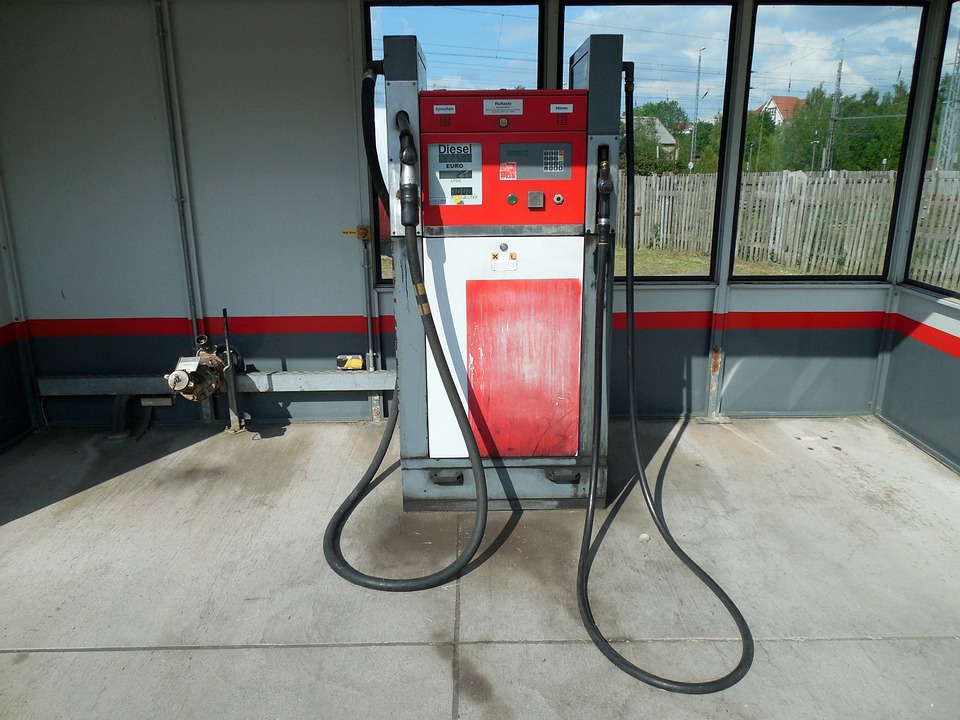
improve diesel fuel

There is no example in technical literature of denying the benefits of filtration. It can remove dust and other impurities entering the machines through nozzles and other openings. The reason for all is periodic opening and closing of the fuel tank. When channels and openings of the nozzles are contaminated and cannot let enough fuel enter the combustion chamber, the power of the engine suffers.

Purified fuel burns more efficiently, emits less gases, improves engine power and fuel economy.

Filtration is necessary to protect the friction parts and other components of the system from solid particles. This is achieved by filters which consist of a filter case and a filter element. The latter can be made of synthetic fibers, cellulose or special paper. Filter efficiency can be described by several parameters. The maximum size of particles which can pass through the filter is one of them. The beta ratio of the filter estimates the ratio of the amount of particles of a certain size entering the filter with the fuel to the amount of the same size particles exiting the filter. The higher the beta, the more efficient the filter. The idea is to select the correct filter for a given impurity size. If that is done incorrectly, the filter will not perform its function. New filter are also capable of holding water, beside solid particles.

Such filters require attention, since water overflowing may block the device and let the contaminated fuel bypass the filter.

Fuel separation

Separation is a subset of filtration, in essence. It is used when the fuel is so contaminated that a regular filter cannot filter it. The main benefit of separation is the removal of even high concentrations of impurities. Separators can remove both solids and water from the fuel. First, water is separated from the fuel in the centrifuge drum, then the fuel is filtered through paper impregnated by a special substance, which can bind water emulsion up to 20-25 times its mass.

Separators are a good solution if the fuel is heavily contaminated, but they also require complicated maintenance.

Additives

Using additives is a very different approach to fuel improvement. Certain parameters of the fuel are improved by adding special chemicals. When selecting additives, it is worth noting that even the best product may have its flaws. Hence the somewhat mixed feelings of drivers and fleet owners to fuel additives.

Antimicrobial additives are probably the most efficient and useful. These should be used if the fuel is stored in a tank for a long time. They have no effect on viscosity, cetane number and lubricity of the fuel.

Antiwear additives are intended to improve the lifetime of the system, increasing the lubricity of the fuel. They are added into low sulfur diesel fuel.

There is a range of additives to improve the cetane number, which influences the engine start in cold temperature and engine efficiency. Cetane additives usually have little effect on other parameter, except lubricity.

Adding these substances to high lubricity fuels is not that critical, but medium or low lubricity fuels with cetane enhancers may cause increased engine wear or even nozzle failure.

Depressors improve the low temperature performance of diesel fuel. They decrease the temperature of paraffin solidification, improving fuel filtration in cold weather. Then selecting such additives, it is important to remember that it has no effect on paraffin already solidified in the fuel.

Dispersing additives are introduced into the fuel along with depressors, and facilitate the formation of very small paraffin crystals, which remain suspended throughout the fuel instead of forming sediment.

The most common additives are for cleaning. The popularity is due to their ability to remove sediment from the engine. Soot and varnish form in motors with time, increasing fuel consumption and toxicity of exhaust. Cleaning additives prevent this and offer some mileage improvement.

Can filtration and additives coexist?

If filter is designed for specific parameters of the fuel, additives cannot guarantee stability of properties necessary for efficient filtration. Sometimes filters even separate additives from the fuel, making the latter rather pointless. The effects of the combined use of filtration and additives should be carefully considered.

Making the fuel look good enough to sell

Companies who sell petroleum products, are concerned with making the fuel look good for sales. Long storage and contact with air causes oxidation and darkening of the fuel, which makes selling it problematic. Not many clients will want to buy a product with appearance obviously contrary to your expectations of quality.

Medium and large amounts of fuel can be processed with GlobeCore CMM units, which clarify darkened liquids, removing water, aromatics and particulate matter. The unit can remove hydrogen sulfide, reduce sulfur and paraffin content, as well as unsaturated hydrocarbons. The fuel remains clear and light after the processing.

The CMM machine has several important benefits:

  • Mobility the machine can easily be loaded into a small truck and can be transported to fuel storage sites;
  • automatic or automatic assisted operation, reducing human participation in the process;
  • versatility. The CMM units can be used to clarify and regenerate not only diesel fuel, but also gasoline, kerosene, heavy fuel oil, light mineral oils etc.

    Leave Your Request


    • Home
    • Products
    • Dealers
    • Tech School
    • Contacts

    ® Copyright by - 2025 © GlobeCore

    GlobeCore, Sadovskogo 14, Poltava, Ukraine, 36034

    This website uses cookies to improve your experience. By continuing to browse, you agree to our use of cookies. Read more in our Privacy Policy.