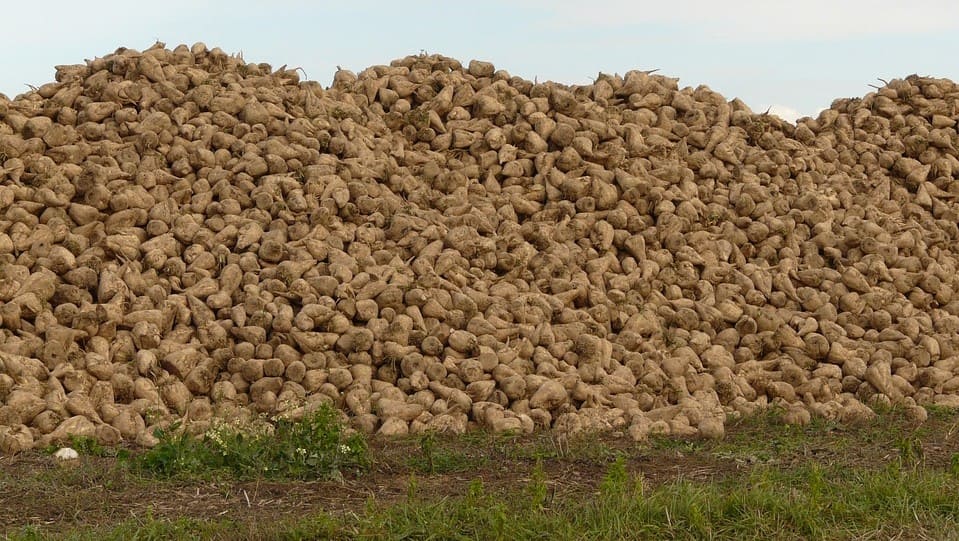
Sugar beet processing is an important technological procedure in sugar production. This product is extensively used all over the world as evidenced by large production volumes — at least 168 million tons per year. Brazil, India, the European Union, Thailand, China, the United States, and Russia stand out of major sugar producers. Countries of warm climate use sugar cane as feedstock for sugar production, and countries of colder climate use sugar beet. In this article, we will discuss how sugar beet processing is carried out, as well as the ways to use sugar industry waste.
Sugar beet processing — main stages of the process
The process of deriving the sugar from sugar beets includes several stages:
- Sugar beets are brought from the field to the warehouse; however, they contain particles of earth and other impurities. For that reason, the root vegetables are first washed.
- After washing, the beets are cut into fine cossettes.
- The beet cossettes are transformed into beet juice by diffusion. Sugar passes from cossettes to water, and the obtained diffusion juice contains 12–18% of sugar. At this stage, the cossettes turn into pulp.
- Diffusion juice contains not only sugar, but also other impurities that may impede sugar extraction. Therefore, sugar is purified using chemical agents.
- The juice is thickened and filtered to increase the sugar content in the obtained syrup up to 38–40%.
- The sugar syrup is boiled under vacuum, and massecuite is obtained. Massecuite contains up to 55% of crystalline sugar and up to 7.5% of water.
- Massecuite is centrifuged to separate sugar crystals.
- The obtained sugar is “whitened” by washing with hot water.
- Drying, cooling, and packaging.
Sugar industry waste
Sugar beet processing leads to formation of by-products. These include:
- pulp — chopped sugar beets from which useful substances have been extracted;
- molasses — a viscous dark brown liquid with an unpleasant smell.
Both pulp and molasses must not be just thrown away or left in the fields, because they can compromise the integrity of the ecological system the restoration of which will take several years. Therefore, sugar industry waste is used in different ways. For instance, pulp can be used as feedstuff for cattle or raw stuff for biogas and pectin production. Molasses is also used in feeding farm animals, for example, in producing the mixed fodder as a binding ingredient.
Pulp processing with pectin extraction
 One of the beneficial uses of pulp is pectin extraction. Pectin is most actively consumed by the confectionery industry where it is used as a food additive in the manufacture of sweets, marshmallow souffle, ice-cream, marmalade, and jelly products. In medicine, the properties of pectin are involved in cleansing the human body cells from harmful substances, including radioactive elements. Due to the beneficial use of pectin, deriving it from production waste is fully justified. In addition to beet pulp (pectin content of up to 30%), the raw stuff for production of this substance is also waste from processing the apples (up to 20%), citrus fruits (up to 14%), Jerusalem artichoke (up to 12%), and sunflower (up to 24%). Sugar beet processing provides promising raw stuff for pectin derivation.
Currently, a technology for pectin derivation consisting of three sequential stages has been matured:
- Pectin extraction from pulp using hydrolysis.
- Pectin precipitation from obtained extract.
- Pectin drying and purification.
As in the case of sugar beet processing where the efficiency of applied technologies determines the amount of sugar extracted from feedstock, the applied technologies and equipment determine the amount of pectin extracted from beet pulp. But there always remains a task of obtaining the maximum amount of useful product from the same volume of sugar industry waste.
Prospects of applying vortex layer devices in beet pulp processing
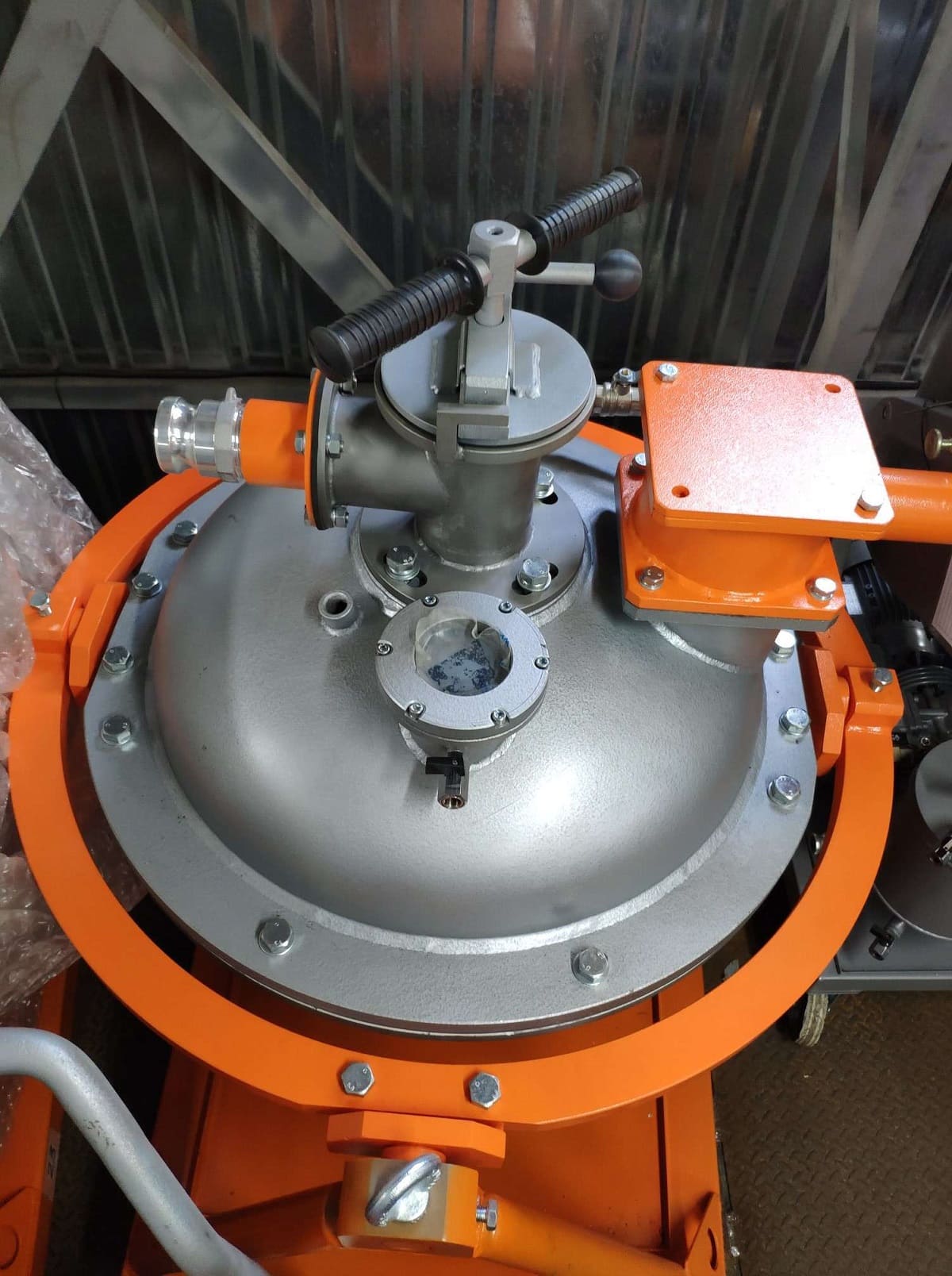
The experience of our company indicates that the preliminary preparation of raw stuff before processing by means of a vortex layer device leads to better results. This hypothesis was confirmed by Ye. Mikheyeva et al. [2017] for the case of pectin extraction from beet pulp.
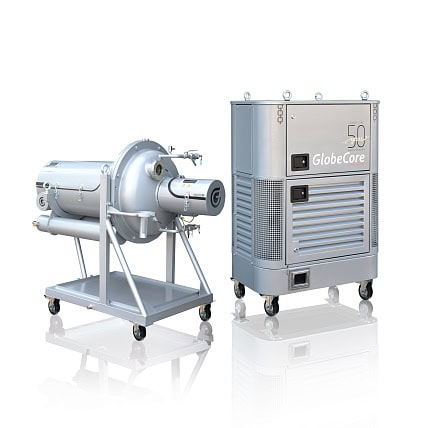
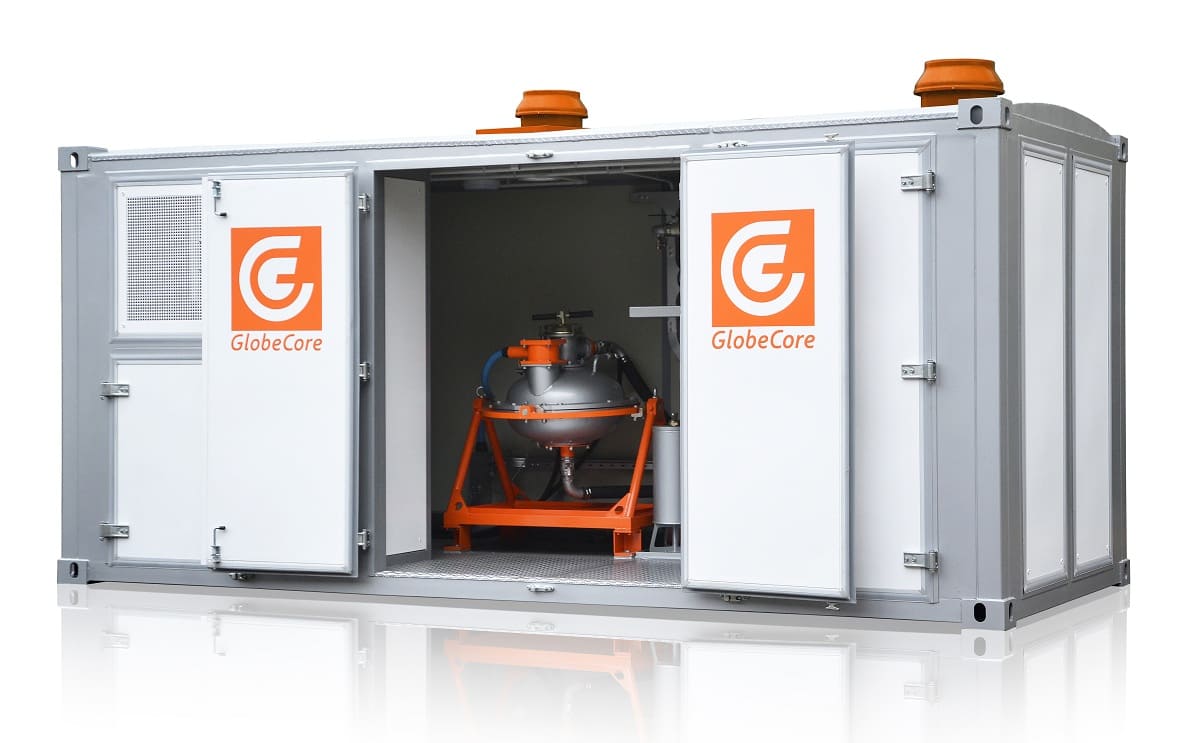
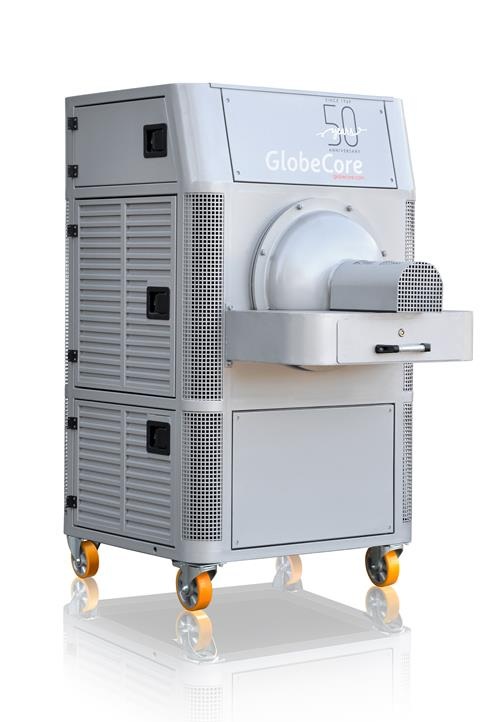
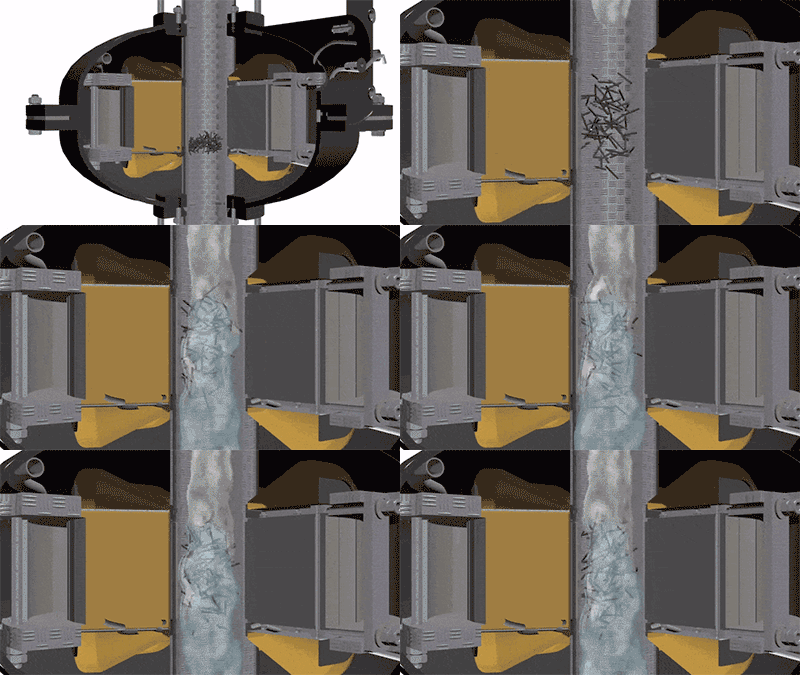
What is a vortex layer device and how does it work? In terms of design, a vortex layer device constitutes an inductor for creating a rotating electromagnetic field where an operating chamber made of non-magnetic material is placed. Ferromagnetic particles shaped like needles are put into this chamber. When voltage is applied to the inductor winding, ferromagnetic particles are set in motion by an electromagnetic field; however, the motion trajectories remain complex, because the particles constantly collide with one another, with the operating chamber walls, and with particles of processed substance which is represented by beet pulp in our case. In the operating chamber, there arise a few factors and phenomena having a favorable effect on processed substance. These include an electromagnetic field effect, a direct contact of ferromagnetic particles with pulp, acoustic vibrations, etc. It results in simultaneous mixing and grinding of the product at a very intensive rate. In most cases, seconds or tens of seconds would be sufficient to achieve a positive effect, while similar processes last for tens of minutes or whole hours in other grinders and activators.
Results of experiment for pectin extraction from beet pulp
As part of the experiment, we used granulated beet pulp with the moisture content of 11.08%. This pulp was placed into the operating chamber of the vortex layer device and processed for 15 seconds. After preprocessing, the beet pulp was used as feedstock for pectin extraction according to the scheme “acid hydrolysis – filtration – solution concentrating – separation and drying”. The same scheme was used for the pulp that was not preprocessed in the vortex layer device.
The obtained results indicate that preprocessing the granulated beet pulp in the ferromagnetic particles vortex layer device for the case under consideration increased the pectin yield by 28.5% which represents a very good result.
Sugar beet processing and vortex layer device
Experimental results allow suggesting another hypothesis according to which a vortex layer device can be used in obtaining syrup from sugar beets to increase the sugar yield by 10–20%. It is possible to achieve this effect by complete disintegration of plant cells and a more efficient extraction process.
If you become interested in possible application of vortex layer devices for sugar beet processing or pectin extraction from beet pulp, as well as in carrying out experiments, please contact us using some of the contact details available in the appropriate website section.