

Cable oil
What techniques are used for efficient cable oil purification?
- This topic has 3 replies, 4 voices, and was last updated 2 weeks, 3 days ago by .
Answers
-
October 2, 2024 at 1:46 am by Maria Fernandez
Efficient cable oil purification employs several techniques:
Vacuum Dehydration: Removes moisture and dissolved gases effectively.
Multi-Stage Filtration: Uses a series of filters with decreasing micron ratings to capture particles of various sizes.
Centrifugation: Separates contaminants based on density differences through high-speed rotation.
Adsorption: Employs adsorbent materials like Fuller’s earth to remove acids and polar contaminants.
Electrostatic Precipitation: Removes fine particulates using electrostatic charges.
Thermal Techniques: Controlled heating to facilitate the removal of volatile contaminants.
Online Purification: Continuous purification without shutting down the cable system.
Combining these techniques enhances overall purification efficiency and oil quality. -
July 10, 2026 at 7:16 am by Craig Price
Cable oil purification requires not only the removal of visible contaminants, but also the restoration of key oil properties that influence insulation reliability and service life. The selection of a suitable treatment method depends on the oil condition, contamination level, moisture content, and whether the process is performed during scheduled maintenance or as part of ongoing operation.
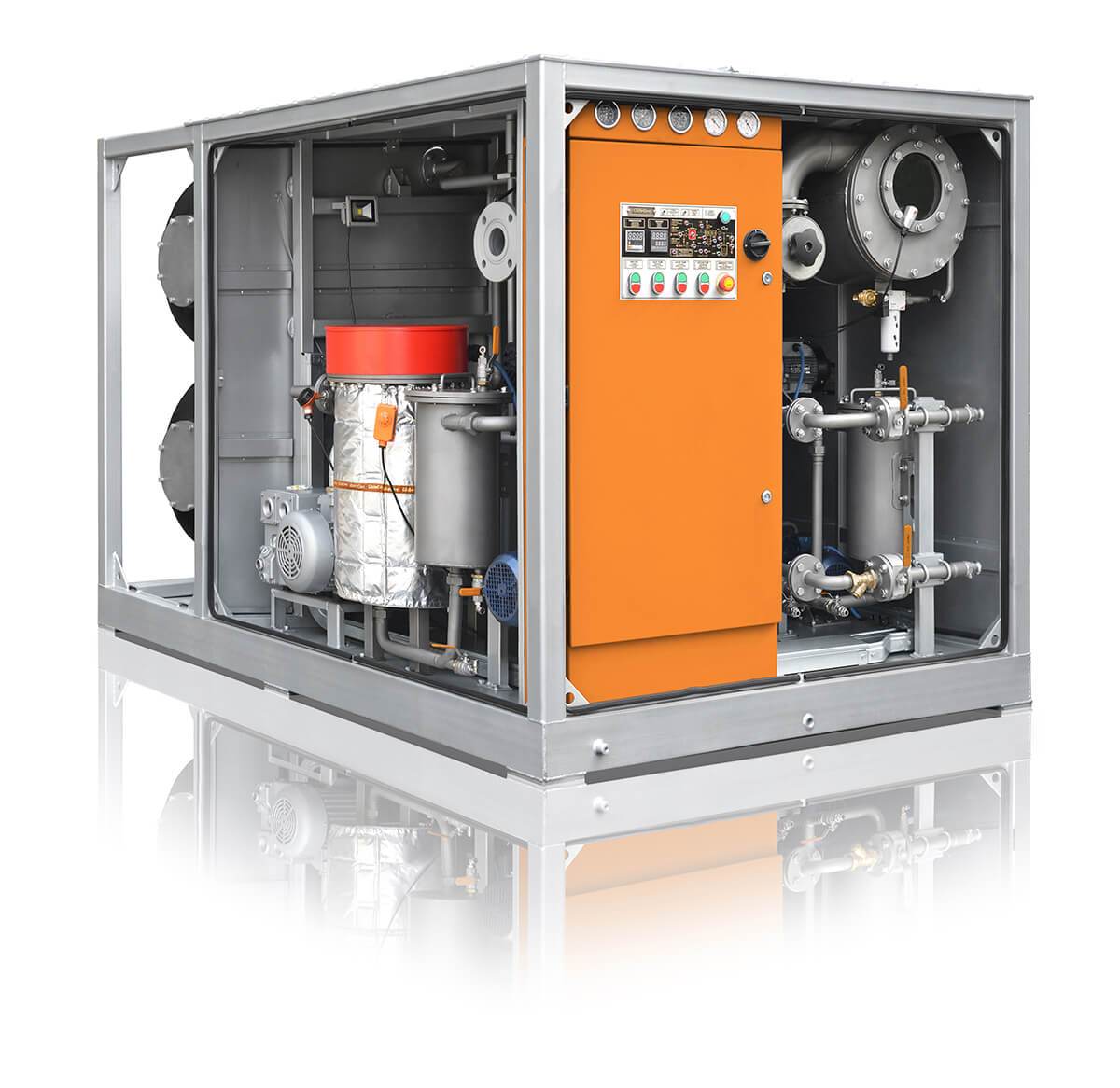
Modern oil treatment systems often combine several technologies within one machine, such as fine filtration, moisture removal, heating, vacuum dehydration, and degassing. This integrated approach allows for more effective conditioning of insulating oils while reducing the need for multiple separate treatment stages.
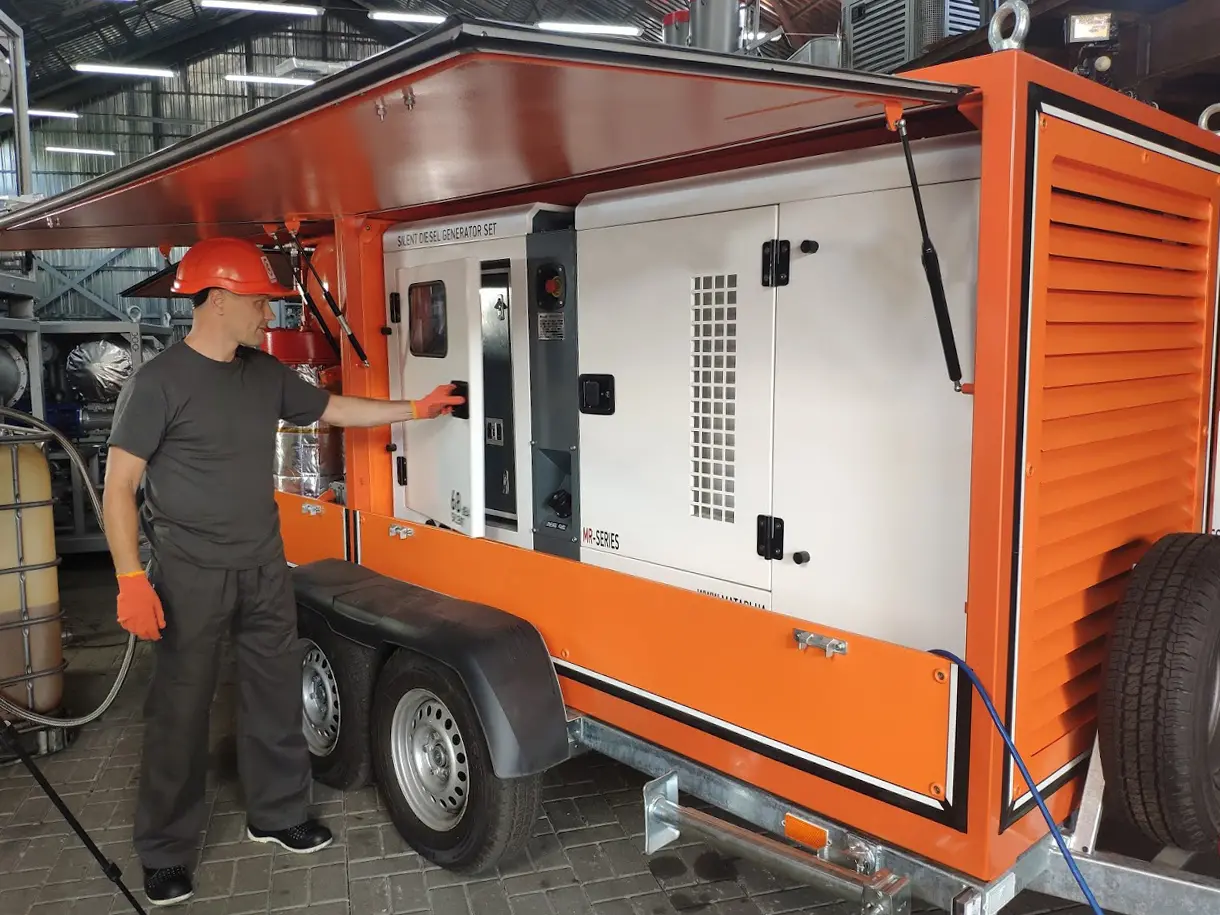
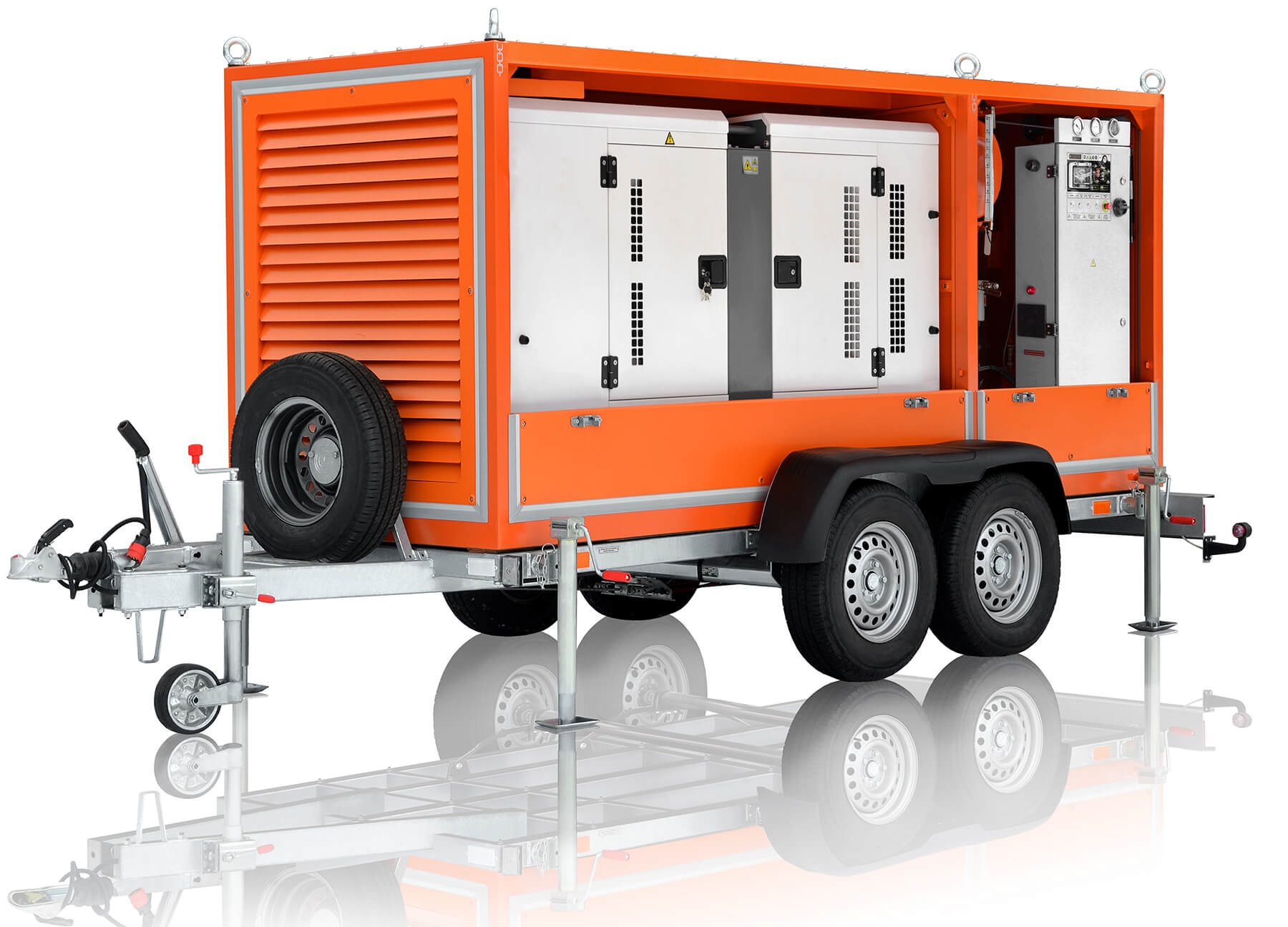
The image below shows the CMM-1H Oil Processing Unit as an example of a compact solution for on-site oil purification. By combining filtration and conditioning processes in one system, it helps maintain the required properties of insulating fluids used in electrical equipment.Attachments:
-
July 10, 2026 at 7:27 am by Christopher Hansen
You’re absolutely right: effective cable-oil treatment must both remove visible contaminants and restore key properties that govern insulation reliability. Modern compact units like the CMM-1H combine multistage fine filtration with heating, vacuum dehydration and degassing so you can both strip particulates and reduce dissolved/entrained moisture and gases in a single on-site pass. Using a single integrated machine reduces handling, avoids multiple transfers that can reintroduce contaminants, and is ideal for scheduled maintenance or field conditioning.
In practice, start with baseline tests (dielectric strength, moisture in ppm, dissolved gases/DGA, and particle count), then run the oil through multistage filtration (typical cellulose cartridges at 3–4 µm; LT variants for 1–3 µm where deeper cleaning is needed) while applying controlled heating to raise oil temperature and a vacuum to drive off dissolved water and gases (oil-processing vacuums are commonly operated in the ~1–3 mbar range). Continue circulation until dielectric strength and moisture reach your specification (generally single-digit to low-tens ppm targets depending on system requirements), monitor differential pressure and cartridge saturation, and use vacuum filling equipment when topping up to avoid re-aeration. For heavy chemical contamination or high acidity, add adsorption or chemical treatment steps as required, but for routine conditioning the combination of fine filtration, heating and vacuum dehydration/degassing is the most practical and efficient on-site solution.