

Mustard production
What equipment is essential for grinding mustard seeds into powder?
- This topic has 5 replies, 5 voices, and was last updated 2 weeks, 1 day ago by .
Answers
-
February 21, 2025 at 7:20 pm by Brandon Martin
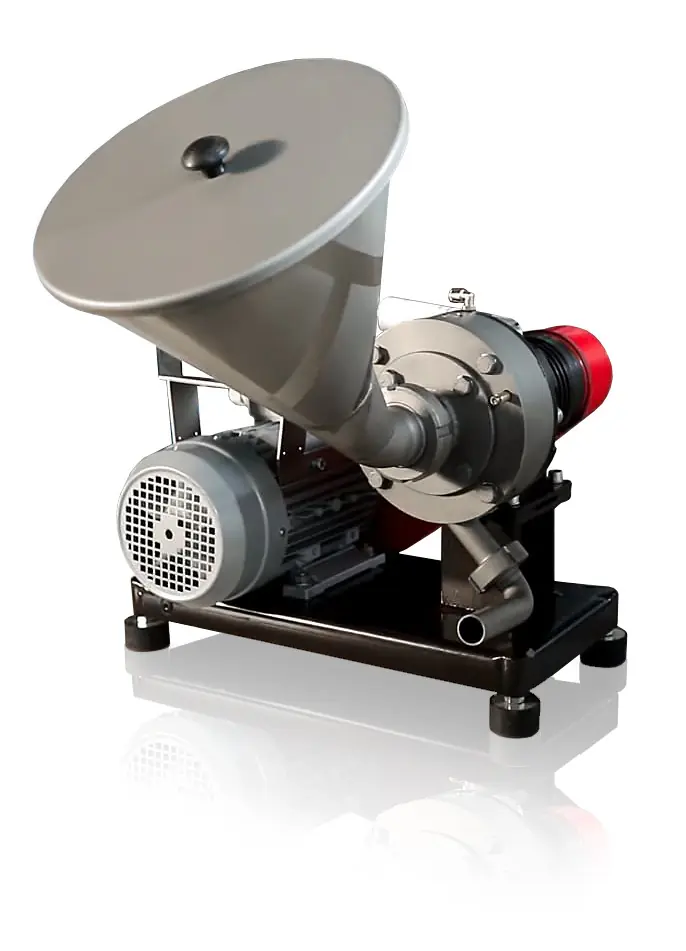
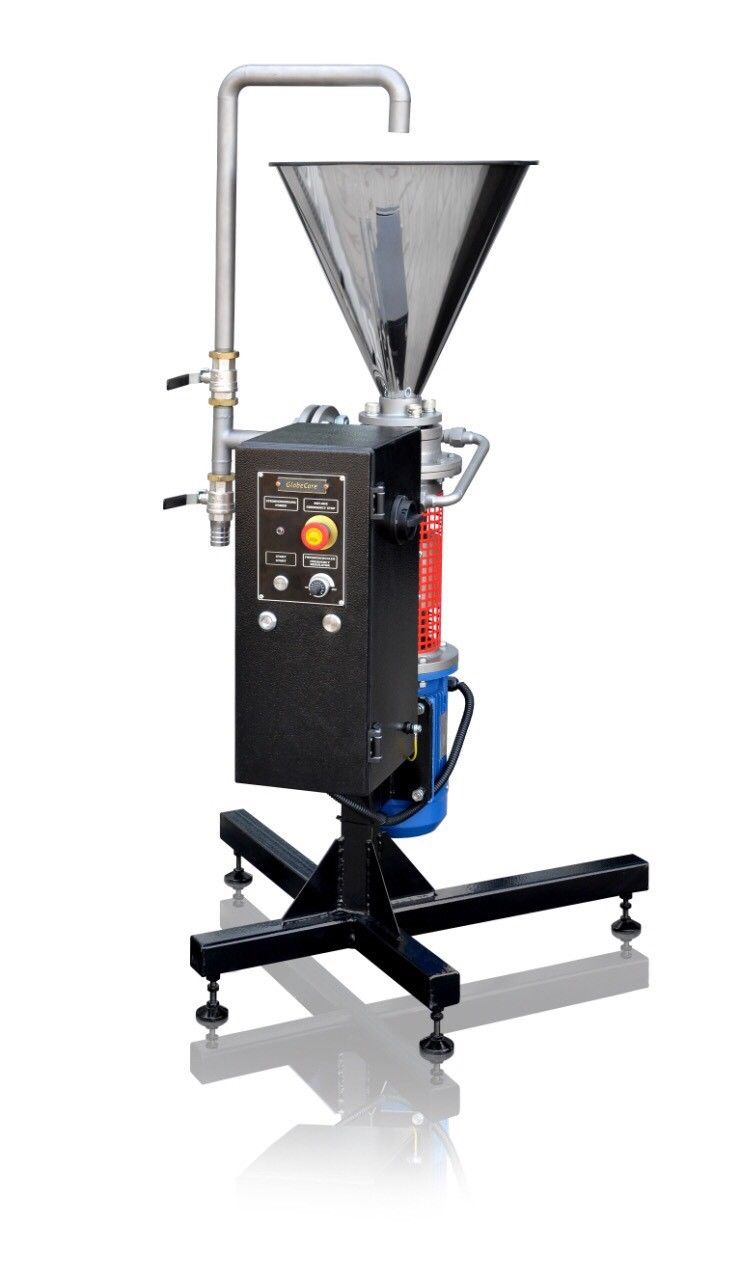
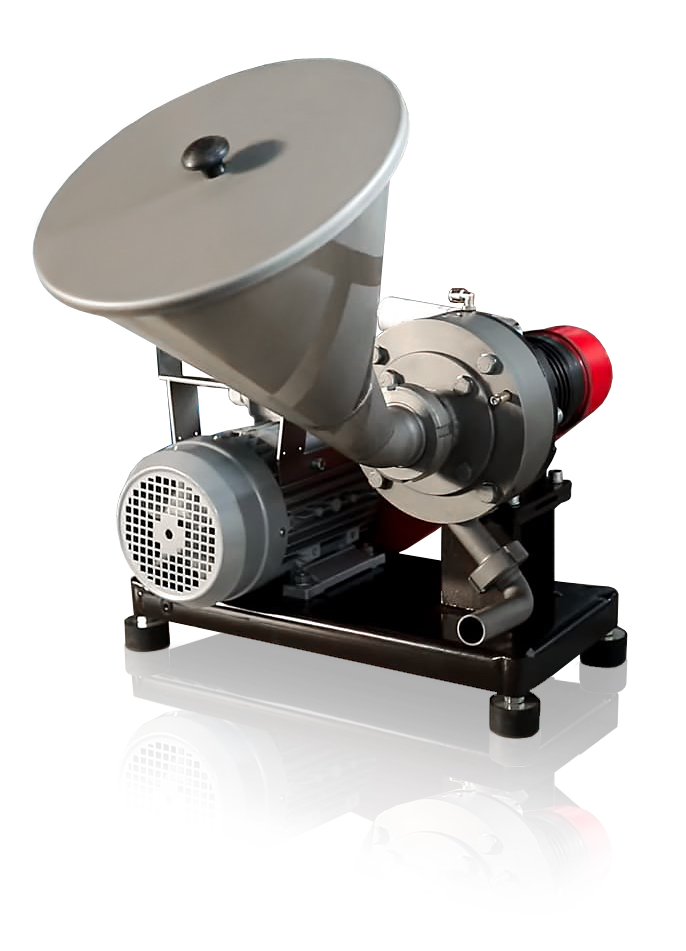
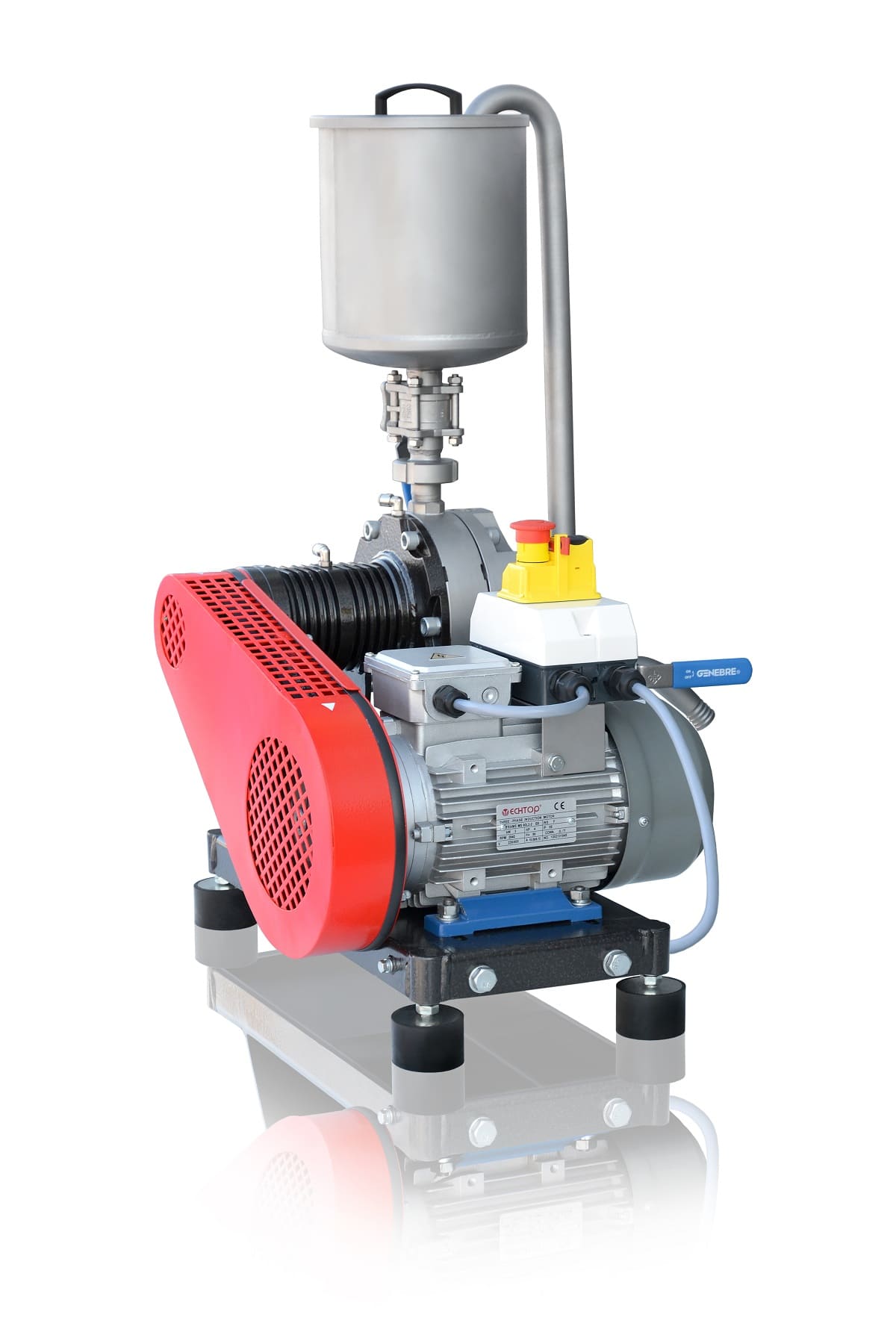
The Colloid Mill GlobeCore is highly recommended for this task, as it provides efficient and uniform grinding. Its design allows for controlled particle size reduction, preserving flavor compounds while delivering a fine, consistent powder ideal for mustard production. It integrates seamlessly into production lines, offering reliable performance, ease of cleaning, and minimal downtime.
-
July 10, 2026 at 6:58 am by Craig Price
Grinding mustard seeds into powder is not only about achieving a smaller particle size. The grinding process must also ensure uniform processing, preserve the natural oils and aromatic compounds of the seeds, and provide a consistent texture that can be maintained during further mixing and production stages.
Industrial grinding equipment for mustard production is therefore selected based on several factors, including the required fineness, processing capacity, heat generation during operation, and the ability to achieve repeatable results from batch to batch. Excessive mechanical impact or uncontrolled temperature rise can affect the quality of the final product.
Colloid mills are widely used in applications where intensive mechanical processing, dispersion, and homogenization are required. The CLM-100.3 colloid mill provides precise processing of liquid and semi-liquid products, making it a suitable solution for food applications where consistent structure and quality are important.Attachments:
-
July 10, 2026 at 7:04 am by 後藤 零
You’re exactly right to focus on uniform processing, retention of volatile oils and aromatics, and tight process control — those are what determine final mustard quality as much as particle size. For those aims a rotor‑stator colloid mill is the appropriate industrial tool: its high‑shear action with an adjustable gap delivers intensive grinding, dispersion and homogenization in a single inline pass, producing a stable paste or very fine slurry while giving repeatable particle‑size control. The CLM‑100.3 is well suited to small‑scale and food‑grade mustard production (typical throughput around 0.1 m3/h) and the CLM family includes lab units for formulation work and larger CLM‑10/20 or CLM‑16/25 models when you need higher throughput or heavier duty operation.
To protect oils and aromatics and achieve batch‑to‑batch consistency, control of temperature, shear and residence time is essential. Run at the lowest effective rotor speed, manage feed rate and gap setting to avoid over‑shearing, and use cooling (jacketed housings or chilled feed) so product temperature stays well below levels that volatiles degrade (practical food targets are often <40–50 °C). Use the lab model to establish gap, pass count and tool set, then lock those parameters and implement routine tool‑wear checks and CIP routines for repeatability. If your target is a dry powder rather than a paste, convert seeds to a controlled paste with the colloid mill and then remove moisture by spray‑drying or other drying/classification steps rather than trying to force a free‑flowing powder directly in the mill; that approach preserves aroma and gives better control of particle size and shelf stability.
-
September 1, 2026 at 7:55 am by Craig Price
An important factor in mustard processing is not only achieving a fine particle size, but also maintaining the natural properties of the raw material during grinding. Excessive mechanical stress or uncontrolled temperature increase can affect the aroma, taste, and quality of mustard components. Therefore, equipment selection should consider the ability to provide stable processing conditions, easy adjustment of grinding parameters, and consistent results between production batches. More details about modern mustard production techniques and the use of colloid milling technology can be found in this article: https://globecore.com/milling/mustard-production-technology-using-colloid-mill/.
-
September 1, 2026 at 8:00 am by Lucas Martins
You’re right to emphasis process stability and parameter control as the primary drivers of final mustard quality rather than particle size alone. For industrial lines the rotor‑stator colloid mill remains the best practical choice because it combines intensive shear, adjustable gap settings and inline, repeatable operation while using food‑grade stainless wetted parts and hygienic design. Models intended for spice and mustard work (from compact paste‑oriented units up to higher‑throughput CLM types) offer cooling jackets to prevent overheating of volatile oils, precise gap/shaft adjustment to dial in particle size and texture, and easy CIP and tool‑change routines so you can lock down repeatable batch settings.
In practice, validate on a pilot mill, set rotor speed, feed rate and gap to the minimum shear that achieves your target particle size, and hold product temperature below the degradation range for mustard volatiles (practical targets are often <40–50 °C). Track particle size distribution (laser diffraction or sieve analysis), moisture and oil retention, and run sensory panels to confirm aroma/taste preservation as you scale. If the end product must be a dry powder, produce a controlled paste with the colloid mill to free and stabilize the oils, then move to a controlled drying route (low‑temperature spray drying, fluid‑bed or other appropriate drying/classification) rather than over‑working the dry seeds in a high‑impact mill; this approach preserves aromatics and gives much better batch‑to‑batch consistency. Regular tool‑wear checks, documented SOPs for gap/speed/temperature and routine QC sampling complete a robust production strategy.