

Hydraulic oil moisture and particles
How to test hydraulic oil for moisture and particles?
- This topic has 3 replies, 4 voices, and was last updated 6 months ago by .
Answers
-
July 22, 2025 at 6:42 pm by Ashley Hall
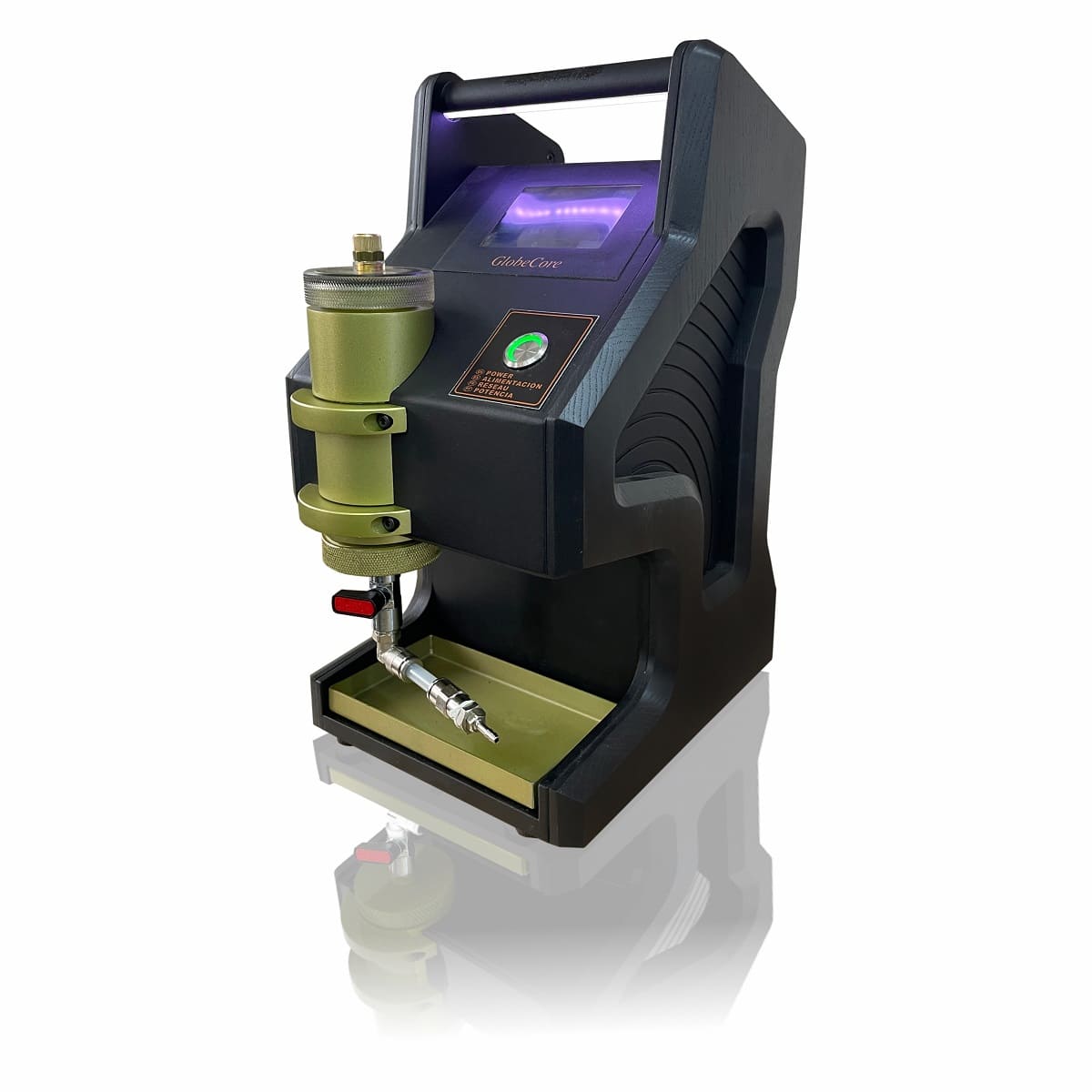
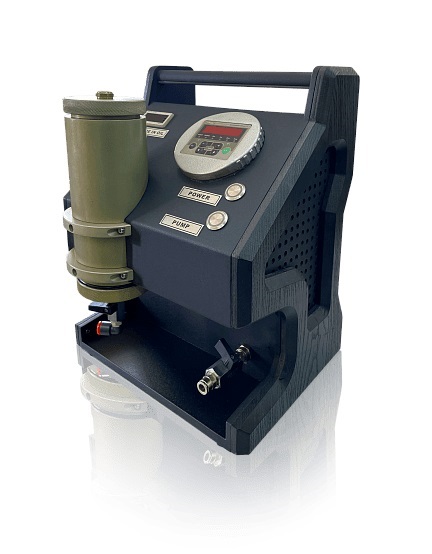
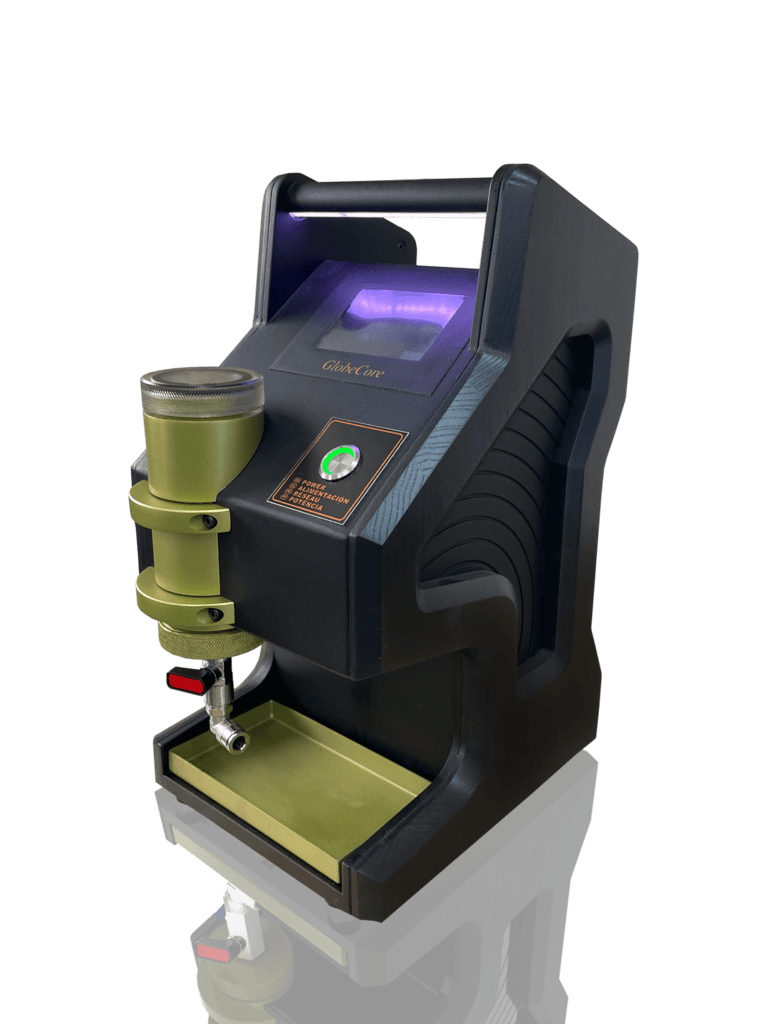
The easiest way is by using the GlobeCore TOR-6 portable tester, which provides accurate readings for water and contamination directly on-site without lab delays.
-
March 17, 2026 at 8:46 am by Craig Price
One additional aspect worth considering is that the accuracy of hydraulic oil testing depends not only on the device itself, but also on how and where the sample is taken.
In many systems, contamination is not evenly distributed — moisture can accumulate in certain zones (especially at lower temperatures), while particle concentration may vary depending on flow conditions and return lines. For this reason, sampling from the wrong point may lead to distorted results, even when using high-precision equipment.
Another practical point is that rapid, on-site testing allows operators to track trends over time rather than rely on single measurements. This makes it easier to identify gradual issues such as increasing water ingress or progressive wear, which are often overlooked in periodic laboratory analysis.
Modern portable testers are designed specifically for this kind of field use, enabling quick measurement of moisture (in ppm or as water activity) and particle contamination according to standards such as ISO 4406, making the results immediately actionable for maintenance decisions.
If you’d like to see how this approach is implemented in practice, including compact devices designed for on-site diagnostic evaluation, this page provides a clear overview: https://globecore.com/products/instruments/tor-6-transformer-oil-moisture-and-particles-tester/. -
March 17, 2026 at 8:52 am by Christopher Hansen
Small correction first: the GlobeCore portable instrument described in their materials is the TOR-7 Universal Transformer Oil Tester (not a TOR-6), and it’s specified for transformer oils. TOR-7 reports moisture (as water activity), hydrogen, solid contamination and dissolved gases and is compact and field-friendly, but the available materials don’t explicitly certify it for hydraulic fluids. That doesn’t mean the measurement principles aren’t useful for hydraulics, but you should confirm compatibility with the fluid type and calibration range before relying on a single model for hydraulic-oil decisions.
For hydraulic systems, the practical workflow is to combine the right sensors with correct sampling and trend tracking. Water-in-oil is normally quantified by coulometric Karl Fischer (ppm) or by portable dewpoint/water‑activity meters, while particle contamination is measured with laser optical particle counters and reported to ISO 4406 (or NAS) cleanliness codes. The accuracy you get in the field depends heavily on where and how you take samples: take samples under representative flow (pump inlet/suction, return line, reservoir bottom and after filters), use dedicated, clean sampling ports, purge and flush the port before drawing the sample, avoid aeration, record temperature, and test immediately or seal and refrigerate for lab analysis. Establishing a regular on-site test schedule and logging results gives trend data that reveals gradual water ingress or wear far earlier than one-off tests.
If tests show elevated moisture or particulates, on-site remediation options include mobile vacuum dehydration and multistage filtration units that can bring cleanliness to ISO 14/12 (or NAS 6) and reduce water to ~10 ppm, zeolite adsorption systems for deeper drying, or coalescers/elements for bulk free water. If you want, tell me the system type and typical contamination levels you’re seeing and I’ll suggest specific sampling points, a testing protocol, and what type of portable tester or purification gear to consider.