Transformers are essential components of electrical power systems, serving as crucial links in the transmission and distribution of electricity. The quality, stability, and safety of the power supply depend largely on the proper operation of this equipment. However, transformers are exposed to a range of adverse factors throughout their service life: overloads, partial discharges, contaminants in insulating oil, moisture, dissolved gases, mechanical vibrations, and temperature fluctuations. All these factors can accelerate degradation, compromising equipment performance and longevity.
In this context, transformer diagnostics is a valuable tool for anticipating potential failures, optimizing maintenance, and ensuring reliable operation of the electrical grid. Through detailed analyses, tests, and monitoring, it is possible to determine the actual condition of a transformer, predict the need for maintenance interventions, and extend its service life while reducing costs and improving operational safety. In addition, oil treatment technologies, such as those offered by GlobeCore, including equipment from the CMM series, help preserve the properties of insulating oil and ensure optimal operating conditions for transformers.
Why Are Transformer Diagnostics Essential?
Transformer diagnostics is a structured process designed to assess equipment condition, detect abnormalities, and provide information to support maintenance decisions. Rather than relying exclusively on corrective maintenance, which is performed after a failure has already occurred and significant equipment damage may have resulted, properly conducted diagnostics supports preventive and, most importantly, predictive maintenance strategies. The main advantages of this procedure include:
1. Reduced Operating Costs:
By anticipating failures, maintenance interventions can be scheduled in advance, minimizing unplanned downtime and the high costs of emergency repairs. Proper diagnostics optimizes equipment availability, ensuring a higher return on investment.
2. Increased Reliability and Safety:
Critical transformers used in substations, industrial facilities, and transmission systems cannot fail without significant consequences, such as power supply interruptions, financial losses, and safety risks. Preventive diagnostics reduces the likelihood of catastrophic failures.
3. Extended Equipment Service Life:
By monitoring changes in transformer parameters over time, it becomes possible to implement measures that slow degradation and extend the asset’s service life. This results in resource savings, reduced environmental impact, and better utilization of the initial investment.
Main Techniques and Parameters Evaluated in Transformer Diagnostics
Transformer diagnostics involves a range of tests, measurements, and analyses designed to assess the condition of the insulating oil, insulating paper, core, windings, tank, and accessories. The most common analyses include:
1. Insulating Oil Analysis:
Oil is the “lifeblood” of a transformer, providing electrical insulation, cooling, and internal protection. Oil quality tests, such as dielectric breakdown voltage, moisture content, acidity, power factor, and dissolved gas analysis (DGA), are crucial. These parameters indicate thermal degradation, the presence of moisture, oxidation products, gases generated by internal electrical or thermal faults, and other abnormalities.
2. Dissolved Gas Analysis (DGA):
Gases such as hydrogen, methane, ethylene, and acetylene can form in oil as a result of incipient faults. Proper detection and interpretation of gas patterns make it possible to identify the type of internal fault, such as electrical arcing, overheating, and hot spots, before these conditions become critical.
3. Partial Discharge (PD) Measurement:
Partial discharges are electrical phenomena that occur in areas of weakened insulation. PD monitoring makes it possible to detect defects in solid insulation materials (paper, cardboard, and pressboard), identify critical areas, and correct problems before insulation failure occurs.
4. Electrical Tests on Windings and Core:
Winding resistance tests, turns ratio measurements, insulation power factor and capacitance tests, and excitation current analysis help identify winding problems and possible mechanical deformations of the core caused by thermal stresses or short-circuit forces.
5. Thermography and Vibroacoustic Analysis:
Thermal imaging cameras can be used to identify abnormal heating patterns, indicating cooling problems, faulty connections, or unbalanced loads. Vibroacoustic analysis can reveal internal mechanical stresses, helping detect structural defects at an early stage.
The Importance of Insulating Oil in Transformer Health and the Role of GlobeCore
Among all the parameters evaluated, insulating oil quality plays a central role. If the oil is degraded, contaminated, or contains excessive moisture, its insulating properties deteriorate. This makes the transformer more vulnerable to failures and reduces its service life.
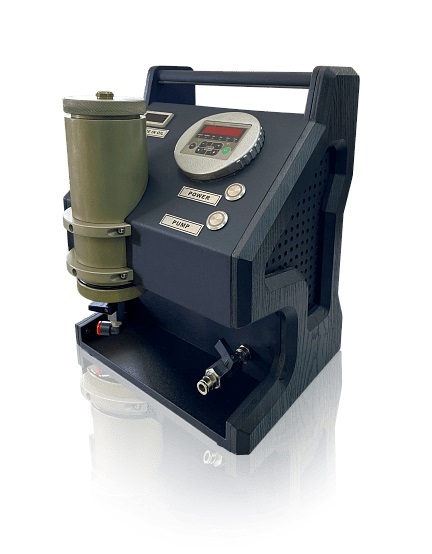
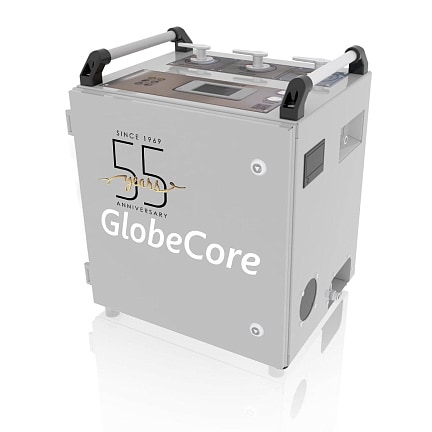
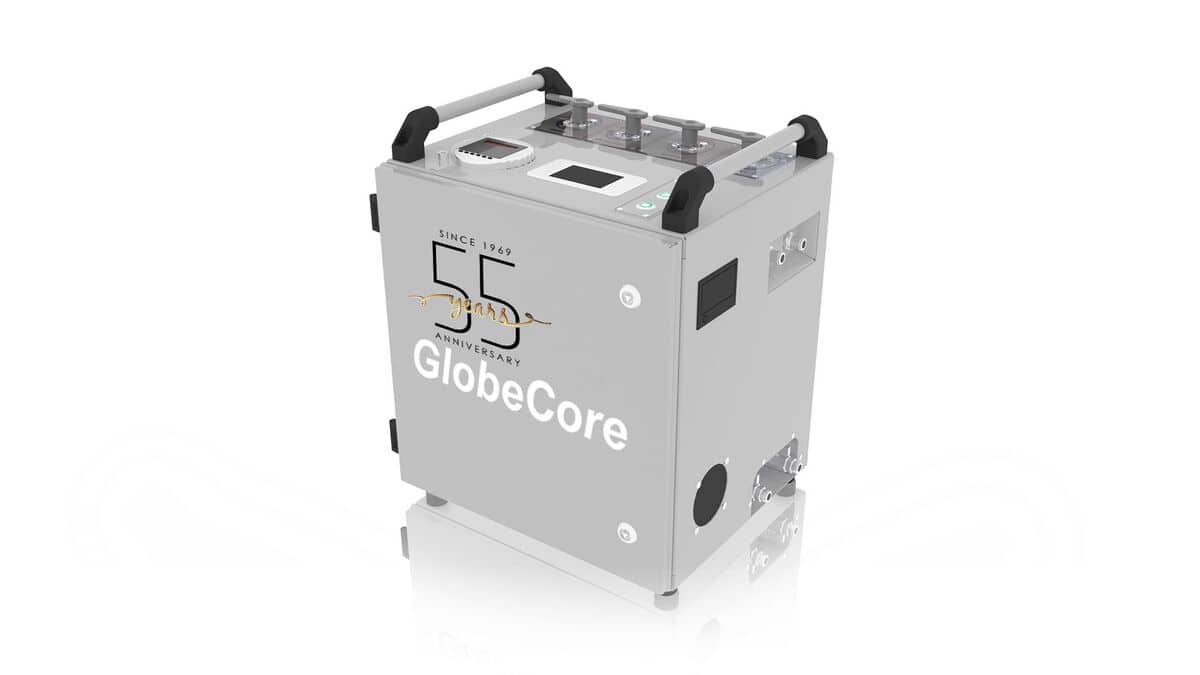
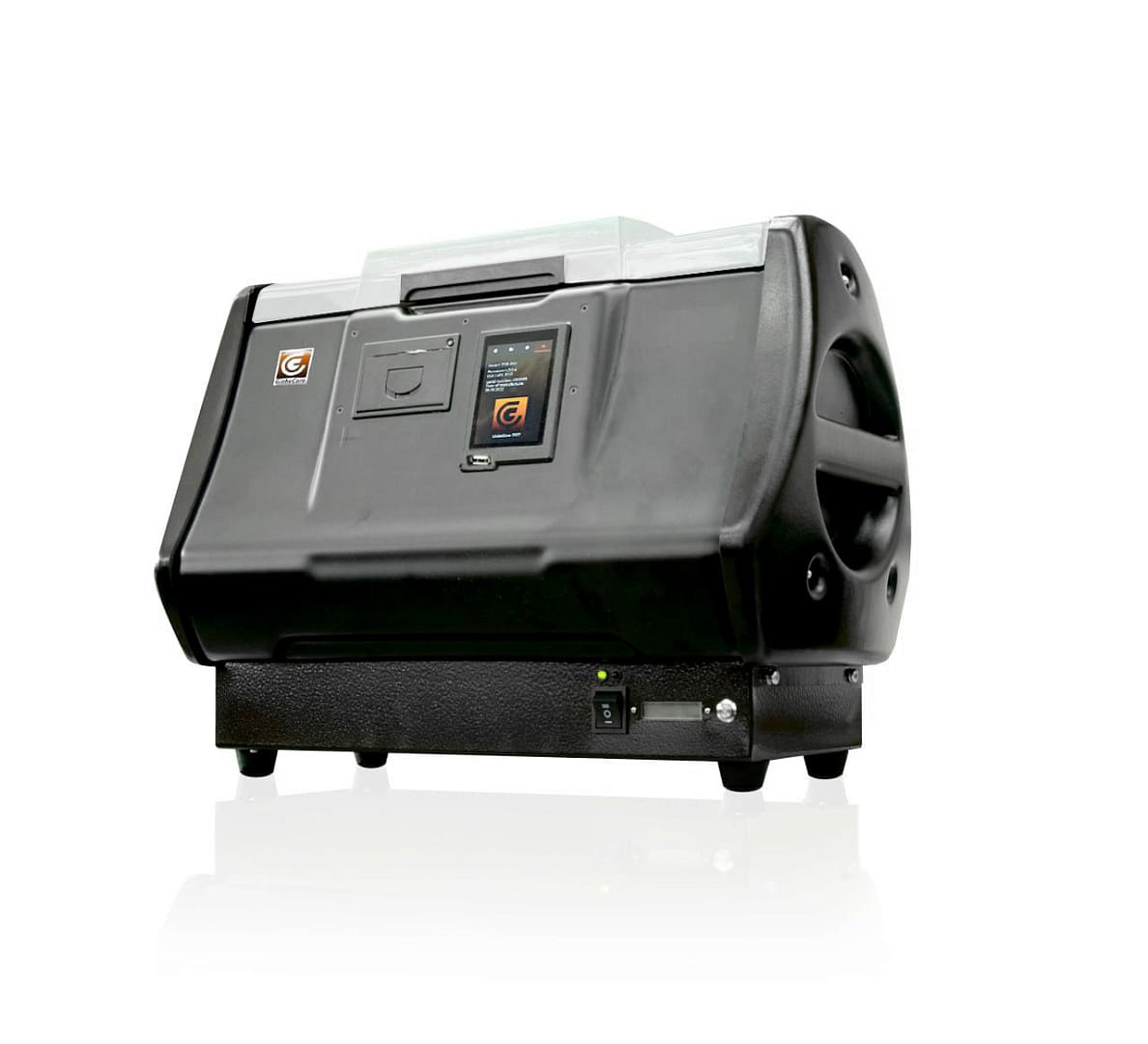
To ensure high-quality insulating oil, GlobeCore offers advanced oil treatment and regeneration technologies, including equipment from the CMM series. These systems perform purification, dehydration, degassing, and, when necessary, chemical regeneration of insulating oil. By removing acids, oxidation products, moisture, and gases, the oil can be restored to a condition close to that of new oil, recovering its dielectric properties and ensuring improved transformer performance.
In addition, the use of CMM series equipment helps reduce costs by postponing complete oil replacement, minimizing environmental impacts, and ensuring compliance with international quality standards. Preventive and predictive maintenance, when combined with GlobeCore oil treatment technologies, results in a more reliable, efficient, and long-lasting transformer.
Steps for Successful Transformer Diagnostics
To implement an effective transformer diagnostics program, it is important to follow several steps:
1. Data Collection and Equipment History:
Understanding the transformer’s operating history, maintenance records, applied loads, and previous thermal and electrical events helps interpret the data obtained from tests and measurements.
2. Periodic Testing and Online Monitoring:
Periodic tests, such as oil analysis, DGA, and thermography, can be supplemented by online monitoring of critical parameters. This enables early detection of changes and facilitates immediate preventive action.
3. Technical Interpretation of Results:
Data obtained from testing must be interpreted by specialists. Qualified electrical engineers, technicians, and analysts can correlate information, identify trends, predict failures, and recommend appropriate maintenance measures.
4. Corrective and Preventive Actions:
If diagnostics indicates problems, it is essential to take immediate action: replace worn components, adjust loads, treat insulating oil, clean contacts, remove moisture and gases, and perform other necessary procedures. This prevents minor defects from developing into serious failures.
5. Continuous Improvement and Lifecycle Monitoring:
Diagnostics is not a one-time activity. It is a continuous process that should accompany the transformer throughout its service life. With each diagnostic assessment and maintenance intervention, operating conditions improve, and costs tend to decrease over the long term.
Trends and Innovations in Transformer Diagnostics
Technological advances are creating new opportunities for transformer diagnostics. The use of smart sensors, the Internet of Things (IoT), artificial intelligence-based predictive analytics, and advanced remote monitoring is expanding the ability to detect problems and predict failures with greater accuracy.
GlobeCore equipment, such as CMM units, can be integrated into automated maintenance management systems, providing data on oil quality and facilitating decision-making. Through digitalization, the industry is moving toward a future in which diagnostics will become increasingly intelligent, fast, and efficient, maximizing reliability and reducing costs.
Transformer diagnostics is an essential component of predictive maintenance and intelligent electrical asset management. By identifying problems early, adjusting loads, treating oil, and implementing preventive measures, companies ensure greater reliability, lower operating costs, compliance with standards, and environmental sustainability. Cooperation with suppliers such as GlobeCore, which provide advanced oil treatment technologies (including CMM equipment), complements diagnostic activities and helps ensure that transformers consistently operate under optimal conditions. In an industry where power supply quality is critical, investing in transformer diagnostics is not merely an option but a fundamental strategy for long-term success.