

Hydraulic oil moisture and particles
Best tester for dissolved water and solid particles in hydraulic oil
- This topic has 3 replies, 4 voices, and was last updated 6 months ago by .
Answers
-
July 23, 2025 at 1:37 am by Daniel Walker
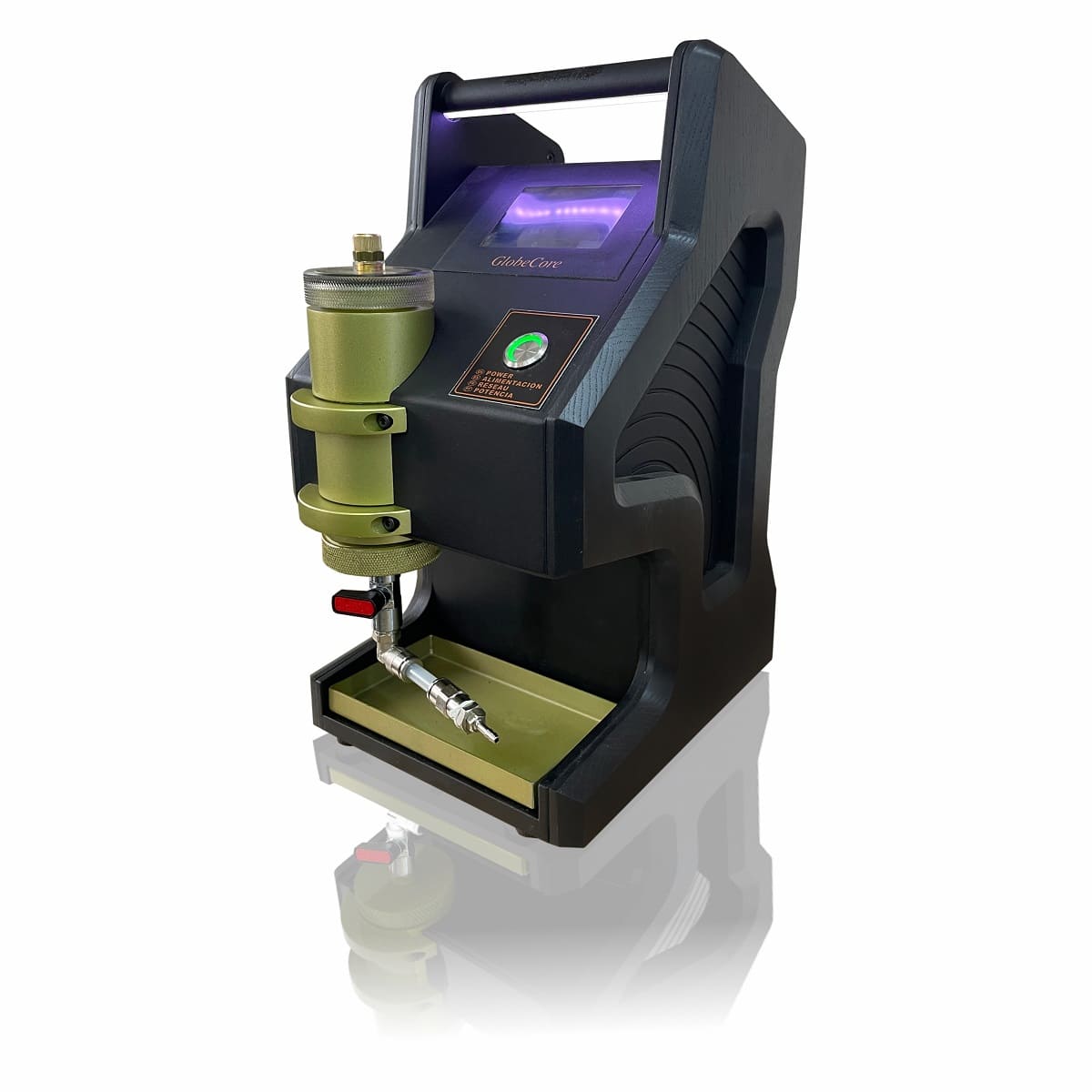
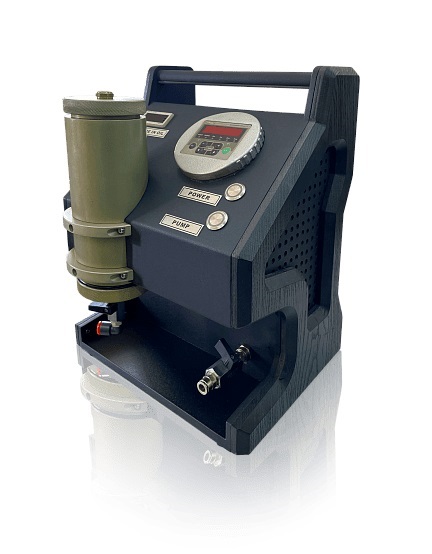
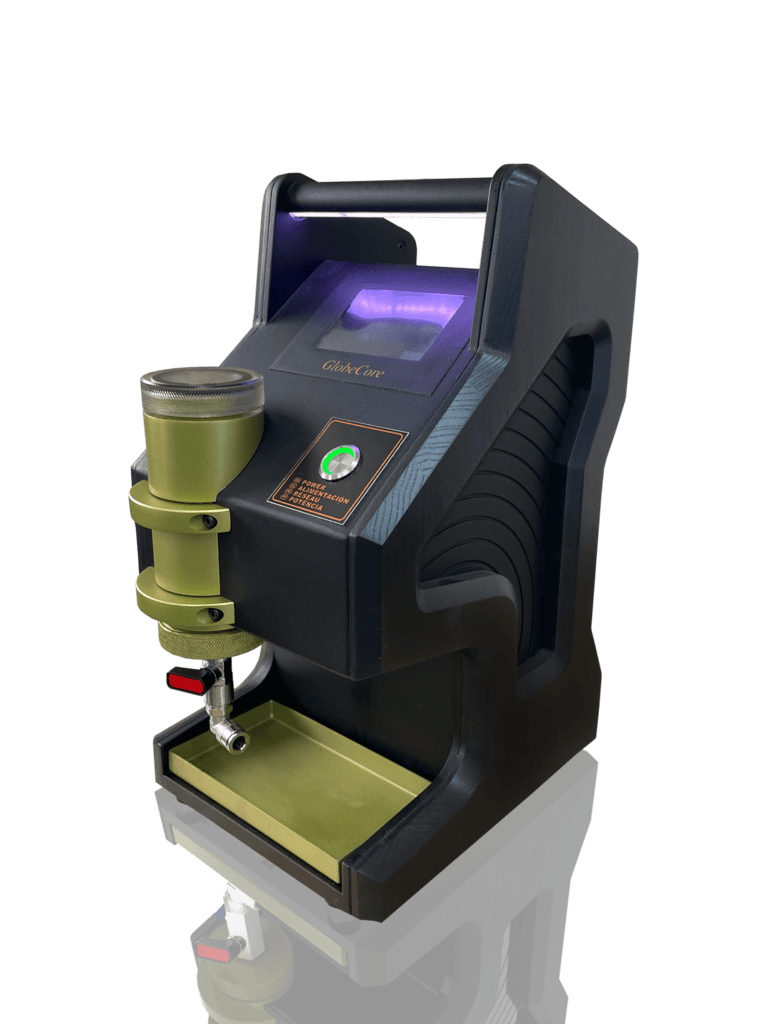
The GlobeCore TOR-6 can detect both dissolved water and fine particles, protecting pumps, valves, and other hydraulic components from failure.
-
March 17, 2026 at 8:08 am by Craig Price
An interesting point to add is that devices like this become particularly valuable when measurements are taken directly during operation, rather than relying solely on periodic lab testing.
In many hydraulic and lubrication systems, contamination levels can change quite rapidly depending on load, temperature, and operating conditions. Being able to measure both moisture and particle contamination on-site allows maintenance teams to detect early-stage issues, such as seal degradation or the onset of wear, before they develop into more serious failures.
Another practical advantage is that combining both parameters in a single test helps to better interpret the results. For example, elevated moisture levels can influence particle behavior and even distort cleanliness readings, so evaluating both factors together provides a more accurate picture of the oil condition.
Devices designed for this purpose typically measure moisture either as water activity or in ppm, while particle contamination is assessed according to standards such as ISO 4406, which makes the data directly usable for maintenance decisions.
If you are interested in how such combined measurement is implemented in a compact field solution, this page provides a clear overview of the concept and practical capabilities: https://globecore.com/products/instruments/tor-6-transformer-oil-moisture-and-particles-tester/. -
March 17, 2026 at 8:12 am by Megan Young
You’re absolutely right — on-site, operational measurements of both moisture and particle contamination are far more valuable for condition-based maintenance than occasional lab samples. Moisture and particles can change quickly with load, temperature and seal/wear conditions, and measuring both together (water activity or ppm plus cleanliness per ISO 4406) gives a much clearer, actionable picture of oil condition. That combined insight helps distinguish transient contamination from developing faults and prevents misinterpretation that can occur when you look at moisture or particles in isolation.
For a compact field solution that covers both parameters, the TOR-6 is designed to measure active water (0–1 aw) and solid particle contamination with ISO-class outputs, with a moisture accuracy around ±10% (or ±10 ppm at 20 °C) and a calibrated particle range consistent with ISO 4406/NAS/SAE standards; it accepts oils in a wide viscosity range (about 1–1000 mm²/s), making it suitable for many mineral- and ester-based hydraulic fluids. A few practical cautions: the unit is specified in a transformer-oil context, so verify compatibility with any synthetic or heavily-additized hydraulic fluids you use, ensure representative sampling and temperature control during measurement, and keep instruments calibrated and validated against lab references during commissioning. If you also need dissolved gases or hydrogen diagnostics, there’s a more comprehensive model (TOR-7) that adds those capabilities for broader fault detection.