
 PT-PT
PT-PT
 FR
FR
 ES
ES
 DE
DE
 AR
AR
 PL
PL
 UA
UA
 ID
ID
 VN
VN
 IT
IT
 GE
GE
 UZ
UZ
 CN
CN
 KZ
KZ
 CZ
CZ


Oil breakdown voltage tester
Transformer oil breakdown voltage testing for substations
- This topic has 3 replies, 4 voices, and was last updated 2 months ago by .
Answers
-
July 25, 2025 at 12:00 pm by David Sutton
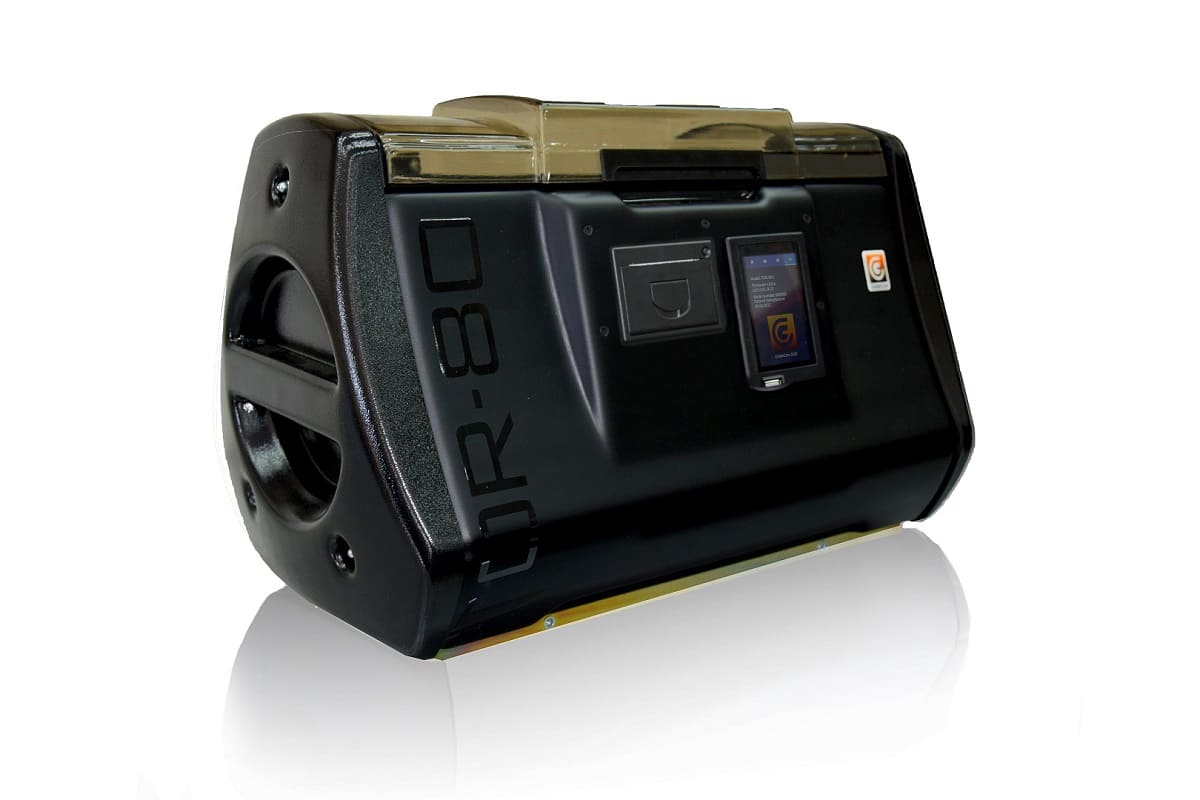
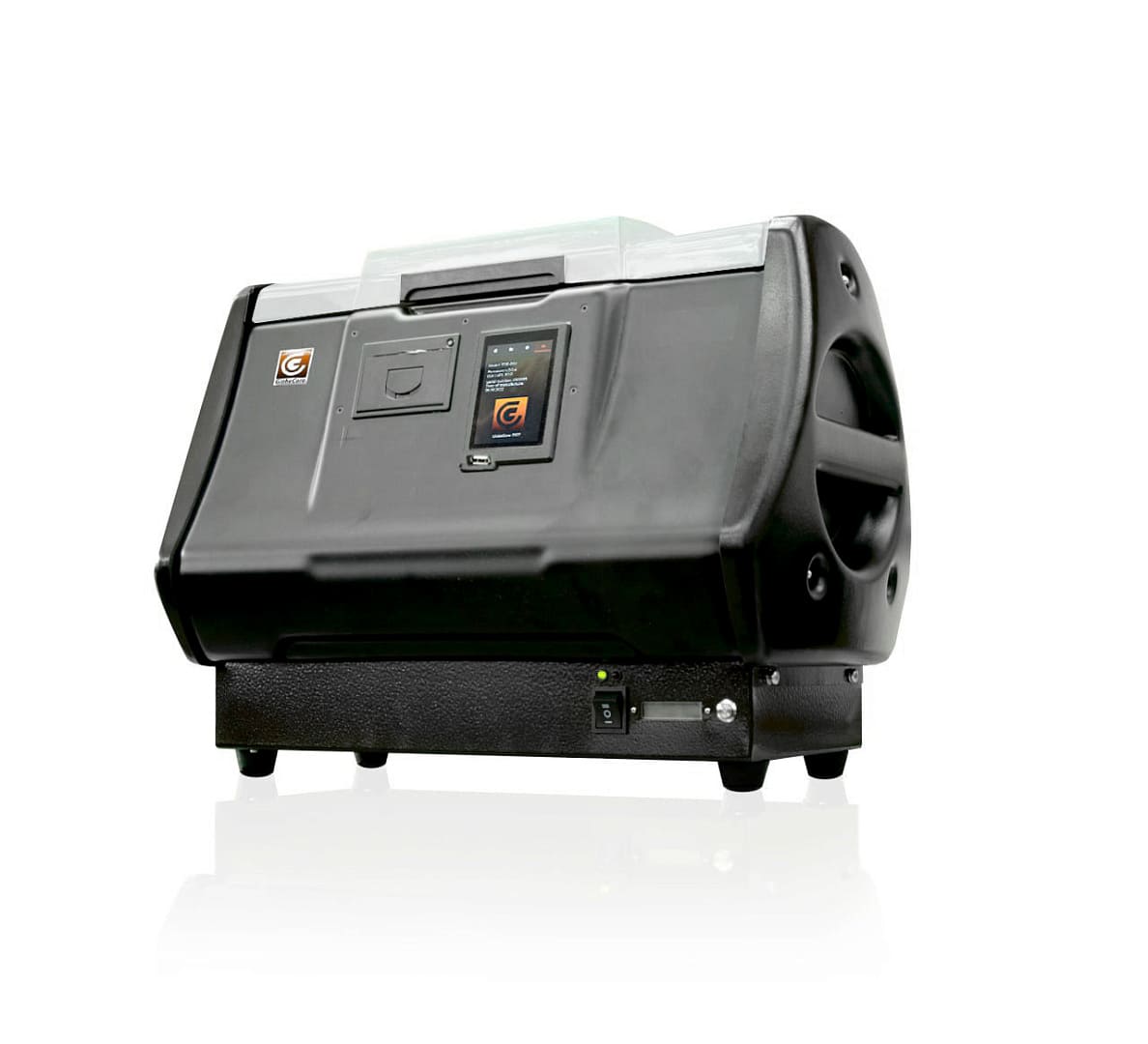
Substations use GlobeCore TOR-80 testers to verify oil dielectric strength, preventing equipment damage and ensuring uninterrupted power supply.
-
March 27, 2026 at 8:06 am by Craig Price
A useful addition to this discussion is that breakdown voltage testing in substations should not be treated as a one-time diagnostic evaluation, but rather as part of a continuous condition monitoring strategy. While devices such as the TOR-80 provide fast and reliable measurements, the real value comes from tracking trends over time. A gradual decrease in breakdown voltage often indicates early-stage contamination (moisture ingress, oxidation by-products, or particulate matter), even before it reaches critical limits.
Another important aspect is test flexibility. In real substation conditions, oil types and standards may vary, so having the equipment that supports multiple international standards and adjustable test parameters significantly improves the reliability of diagnostics. For example, more advanced testers can operate with customizable voltage ramp rates and automated test cycles, which ensure consistent results regardless of operator’s influence and testing environment.
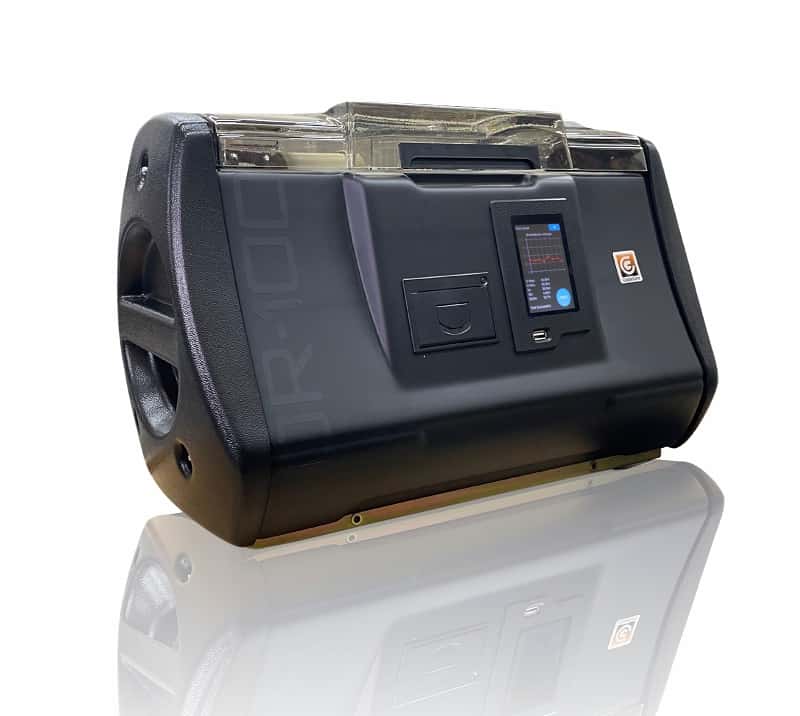
If you are interested in learning how such advanced testing systems are designed and what additional capabilities they offer (including automation, data storage, and compliance with IEC/ASTM standards), it is worth taking a closer look at this article: https://globecore.com/products/instruments/breakdown-voltage-tester-tor-100/. -
March 27, 2026 at 8:10 am by Gabriel Silva
You’re exactly right — breakdown voltage testing delivers the most operational value when it’s part of a condition‑monitoring program rather than a one‑off check. The TOR‑80 is designed with that use in mind: it measures AC dielectric strength up to 80 kV in accordance with IEC 60156 and ASTM D877/D1816 (and can be adapted to customer procedures), runs automatic test sequences, and supports data transfer to PC databases with reporting and graphing for trend analysis. Those capabilities let you automate test cycles, keep consistent voltage ramp rates and electrode geometry, and build long‑term records so a gradual decline in breakdown voltage can be detected well before you hit critical limits.
To make the monitoring effective, keep test parameters consistent (same electrode cell, ramp rate and temperature control per standard), schedule sampling frequency based on asset criticality, and correlate breakdown voltage trends with moisture content, acidity and DGA results to identify contamination, oxidation products or particulate ingress early. Ensure the tester and cell are calibrated and maintained, automate data logging and alarm thresholds in your database, and use automated cycles to reduce operator influence on results. If you need higher voltage range or additional automation/data features, I can compare the TOR‑80 against the TOR‑100 and other models to help pick the best fit for a substation monitoring program.