Wastewater from milk-processing facilities is classified as high-concentration wastewater of unstable composition with organic contaminants included. The concentration of wastewater contaminants at different milk-processing facilities varies over a considerable range. These variances stem from a diverse mix of output products (yogurt, fermented baked milk, butter milk, dairy butter, cheese, sour cream, plain cream, ice-cream), as well as from fluctuations in wastewater output and contamination rate during the day. In addition to organic substances, wastewater from milk-processing facilities may also contain microorganisms that give rise to lactic-acid, ethyl-alcohol, propionic-acid, and butyric-acid fermentation.
Conventional Milk-processing Wastewater Treatment Flowchart
A conventional flowchart for milk-processing factory wastewater treatment involves the oxidation of organic contaminants and the conversion of nitrogen compounds into nitrate form. For this purpose, activated sludge is used and constitutes a biocenosis of microorganisms capable of sorbing the organic substances contained in wastewater on their surface and oxidizing them in the presence of oxygen. Oxidation is facilitated by oxygen from the air, which is drawn in by air blowers through the aeration system. The disadvantage of this method is the long duration of oxidation process, as well as the need for an additional wastewater decontamination unit if the wastewater is discharged into water bodies.
GlobeCore Vortex Layer Technology for Milk-processing Wastewater
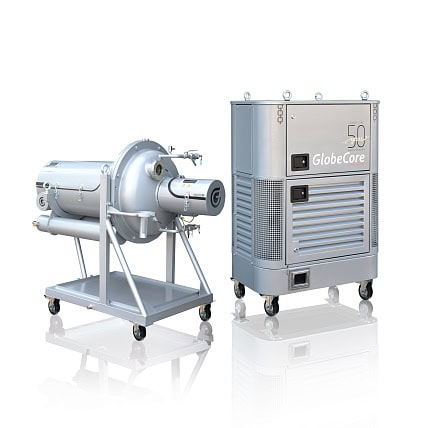
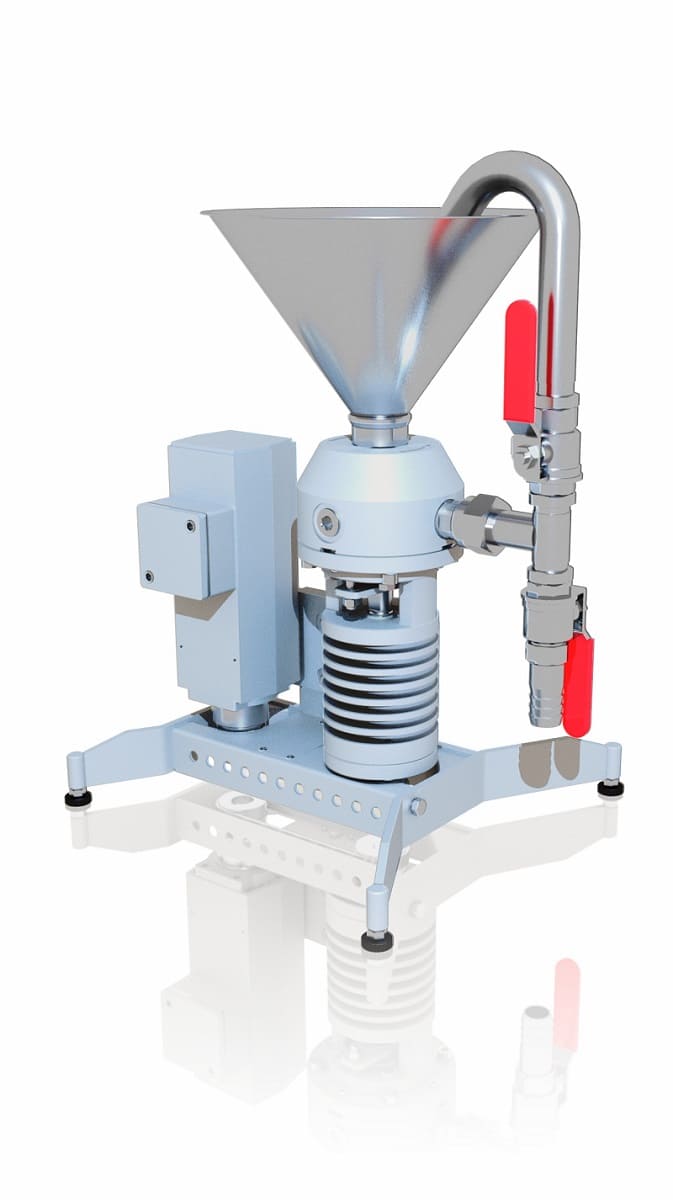
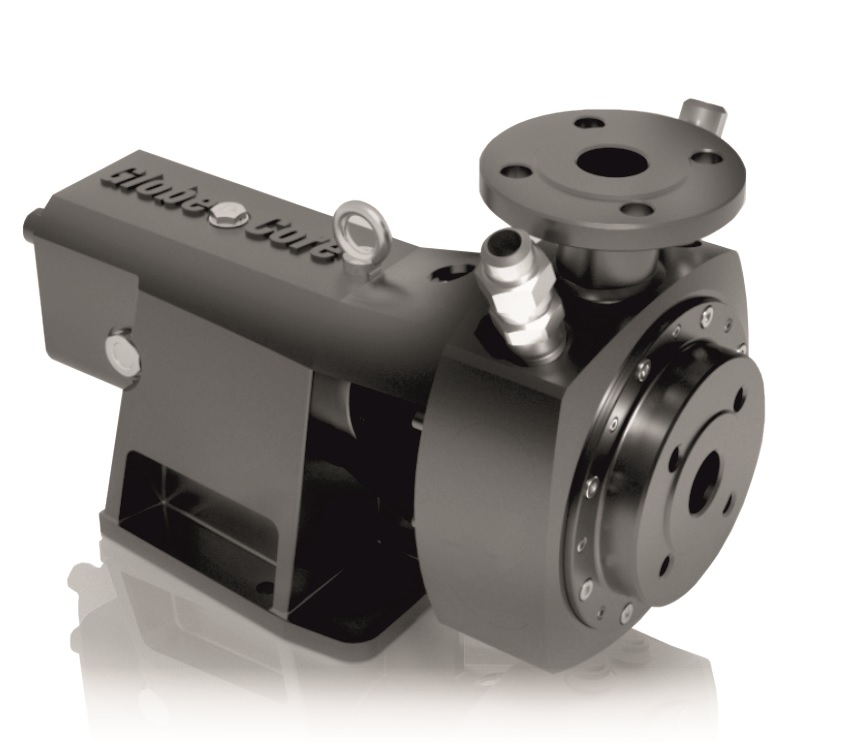
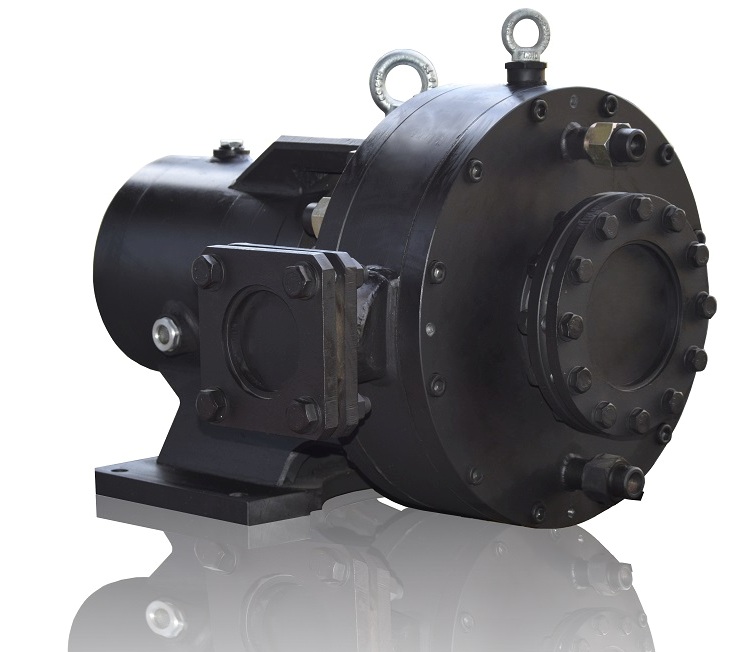
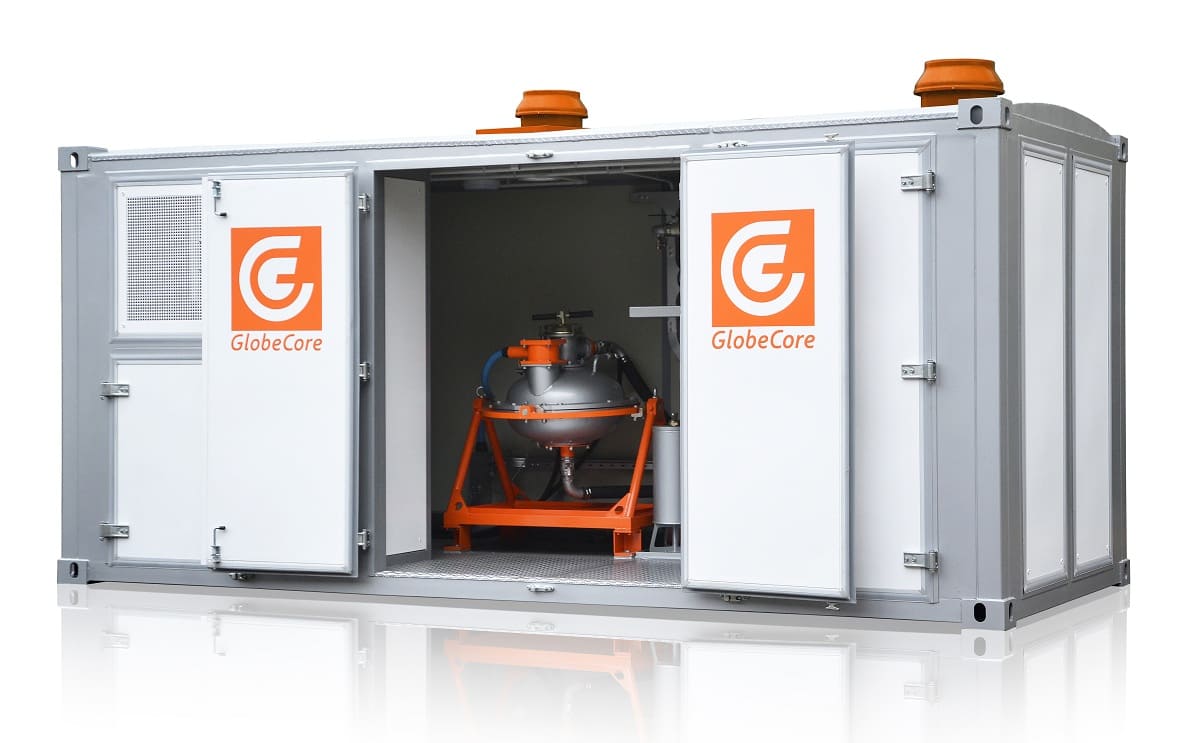
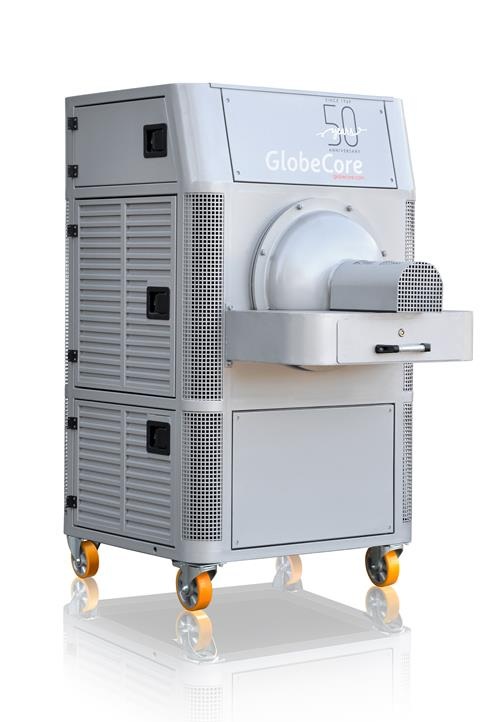
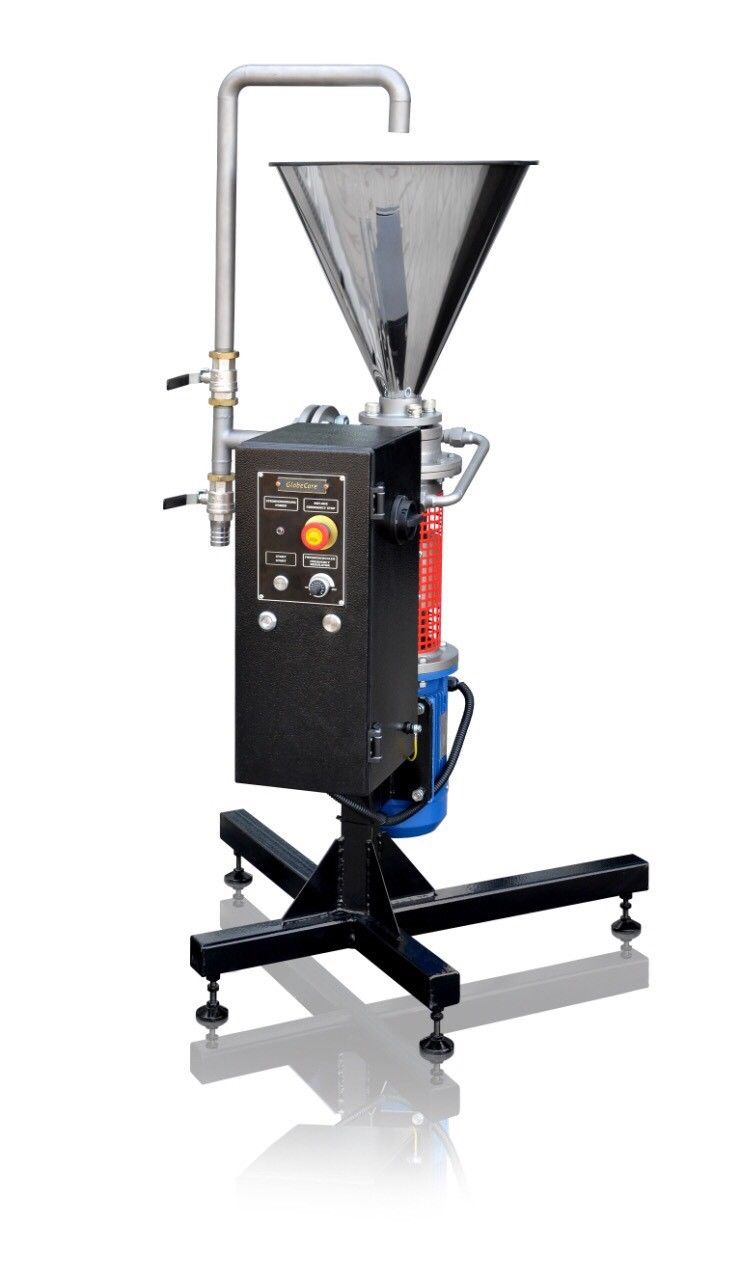
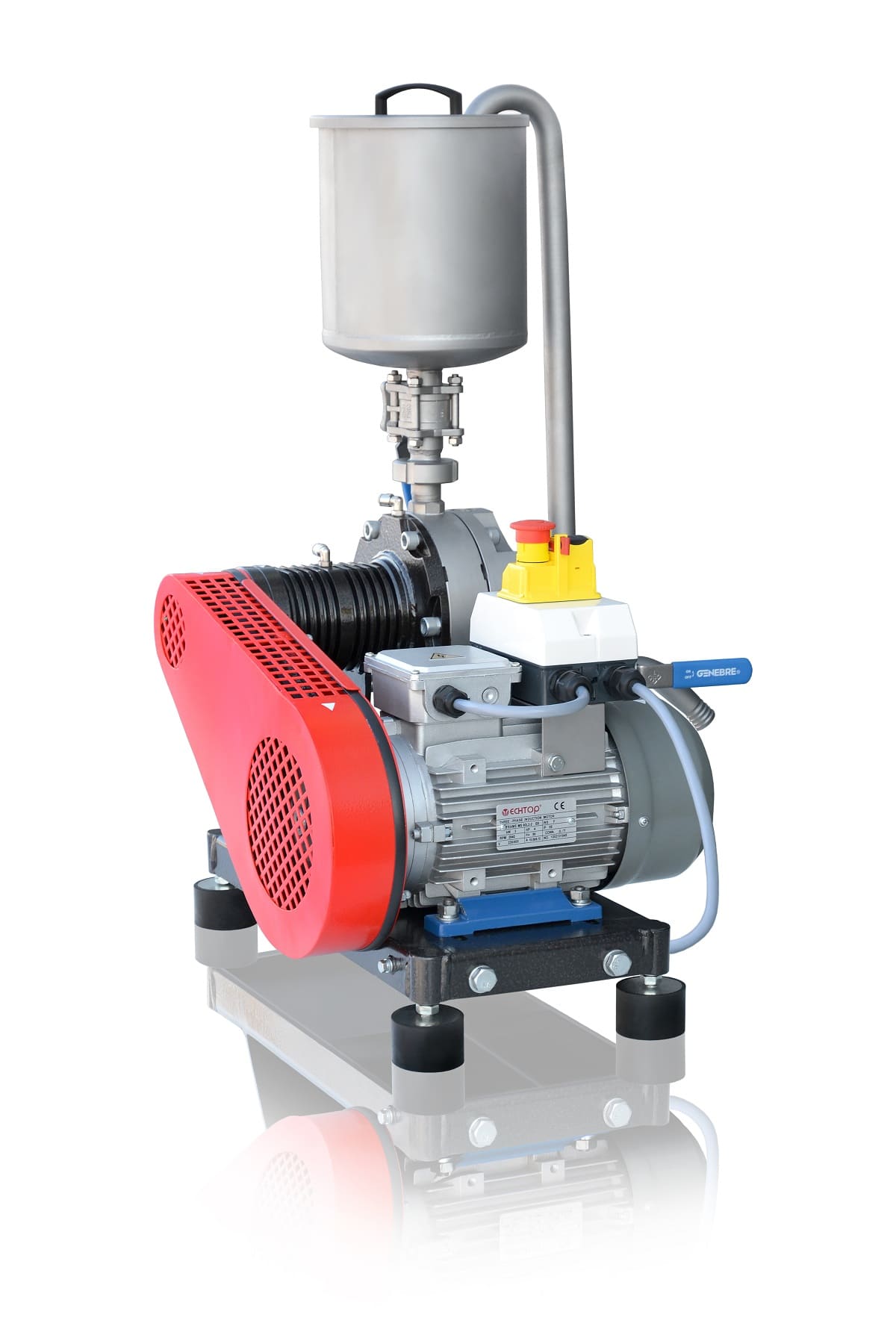
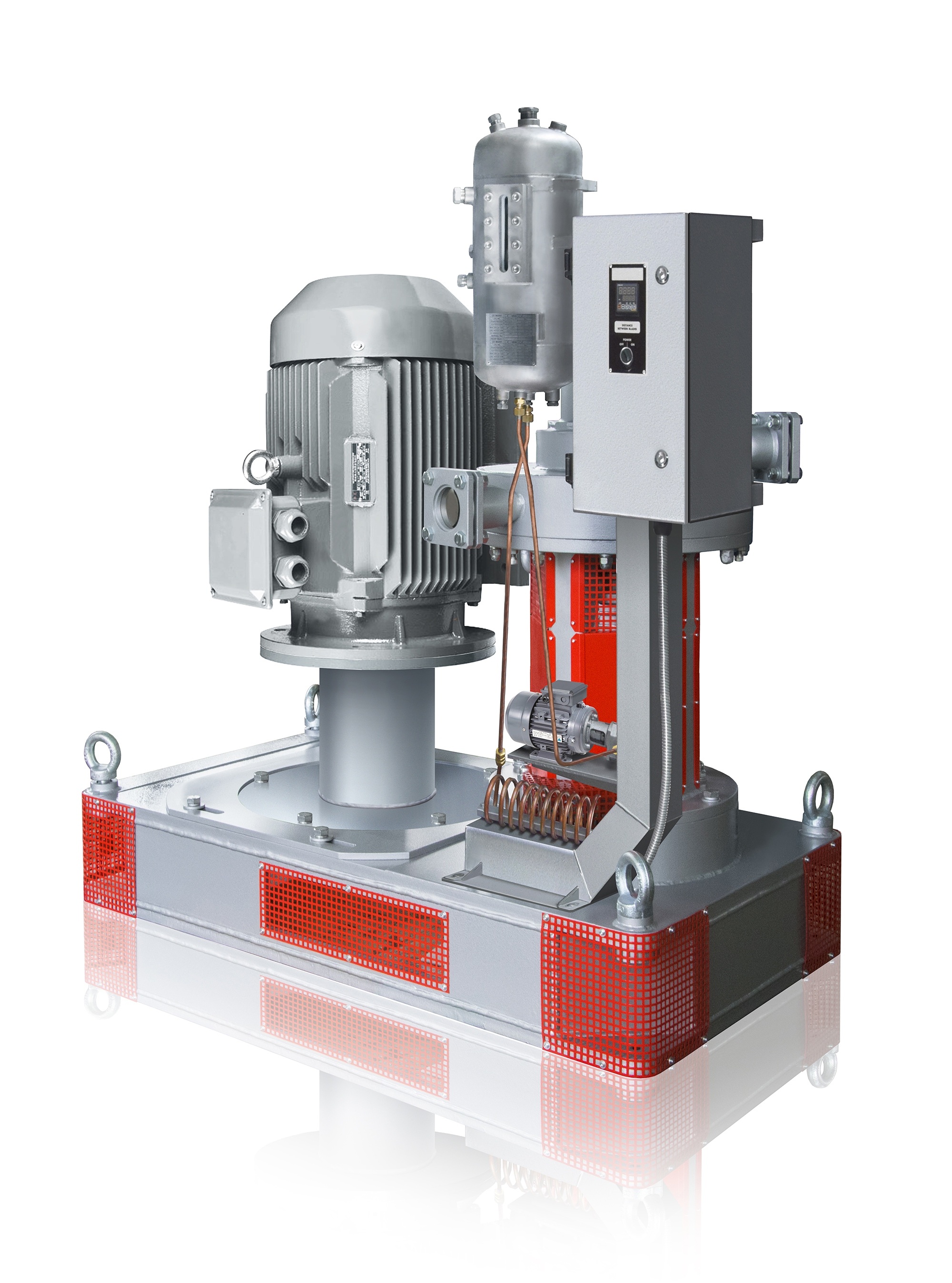
In view of the above, GlobeCore has developed a technology for improving the efficiency of milk-processing factory wastewater treatment with the use of an electromagnetic vortex layer of ferromagnetic particles, such as an AVS machine.
These machines use a rotating electromagnetic field and ferromagnetic particles that move along complex trajectories when exposed to this field and constantly collide with the operating chamber walls, with one another, and with the processed substance particles.
Furthermore, in the machine’s operating chamber, there occur intensive mixing and dispersion of constituents contained therein, as well as other phenomena that have a beneficial effect on wastewater treatment: high local pressure, water electrolysis, acoustic waves, and cavitation.
When using the technology of an electromagnetic vortex layer of ferromagnetic particles, the flowchart of milk-processing factory wastewater treatment may be as follows. The initial wastewater from the tank is pumped into a vortex layer machine of AVS type. Before entering the AVS, air is supplied into the wastewater by an air blower. In the operating chamber of the machine, the wastewater and air are subjected to intensive treatment under the action of a rotating electromagnetic field, the vortex layer of ferromagnetic particles, high local pressures, acoustic vibrations, electrolysis, and other factors. After the AVS, the treated wastewater flows into a mass exchange column, where further intensive treatment takes place, which ensures efficient oxidation. The disinfected wastewater after the column is collected in another tank.
Advantages of Vortex Layer Machines
The use of a vortex layer machine allows increasing the oxidation rate and thus shortening the processing time to a considerable extent as compared to the conventional method, reducing the volume of air required, and improving the quality of milk-processing factory wastewater treatment.
Vortex layer machines have compact dimensions, can be smoothly integrated into the existing wastewater treatment flowcharts, require no special pedestals for their installation, and are easy to operate. In addition, they allow saving the electricity due to the fact that their power requirement is less than that of typical mechanical mixers and ranges from 4.5 to 9.5 kW depending on the machine model.