GlobeCore FAQ
We are interested in purchasing of regeneration plant for used and aged transformers oil, please provide details about regeneration of oil and price of units having capacity of 6000 to 10000 l/hr
- This topic has 3 replies, 4 voices, and was last updated 2 weeks, 2 days ago by .
Answers
-
November 5, 2025 at 6:00 pm by Joshua Roberts
GlobeCore offers CMM-R and CMM-RL regeneration plants for restoring used transformer oil. These systems remove acids, sludge, and oxidation products and restore dielectric strength. Models with 6000-10000 L/h capacity are available. We will prepare pricing and delivery terms upon receiving your full technical requirements.
-
June 24, 2026 at 8:08 am by Craig Price
In projects of this scale, transformer oil regeneration systems are usually selected not only based on throughput, but also on how effectively they can restore the key parameters of oil over repeated processing cycles, especially when dealing with heavily aged transformer oils, which contain oxidation by-products and sludge.
Another important factor involves integration with existing maintenance infrastructure, since high-capacity units are often deployed as part of a continuous servicing workflow across multiple transformers rather than isolated treatment plants. This makes operational flexibility and stable performance under varying oil conditions particularly relevant.
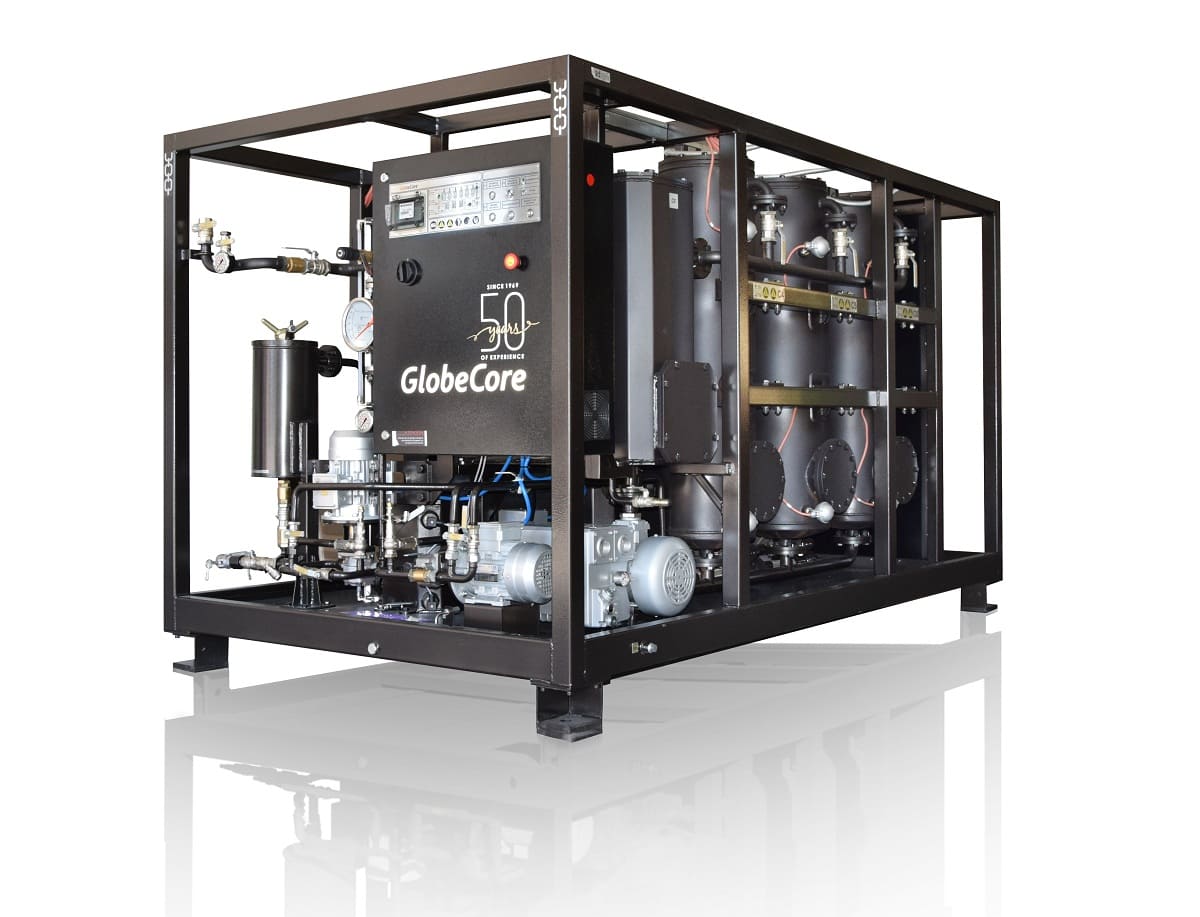
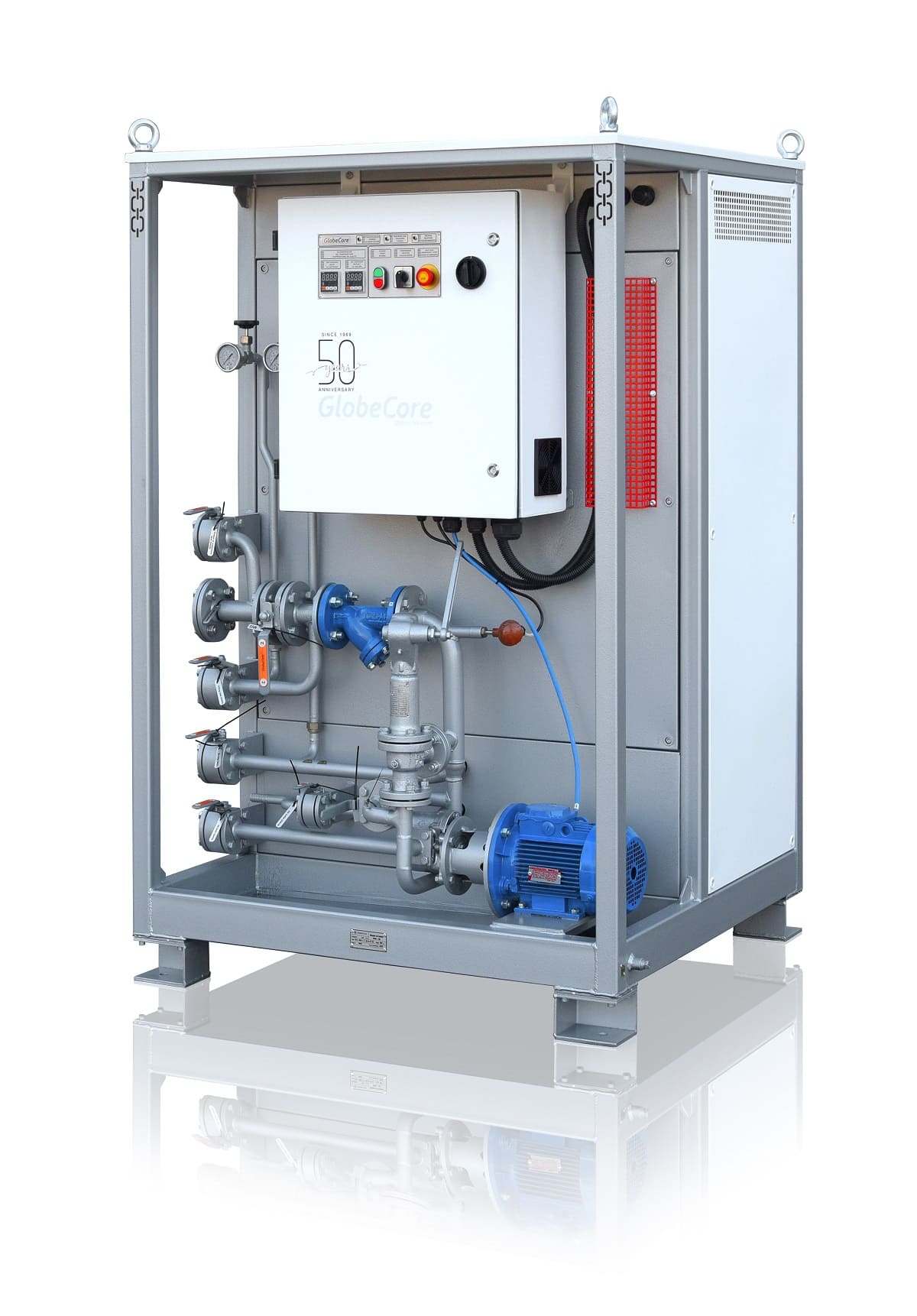
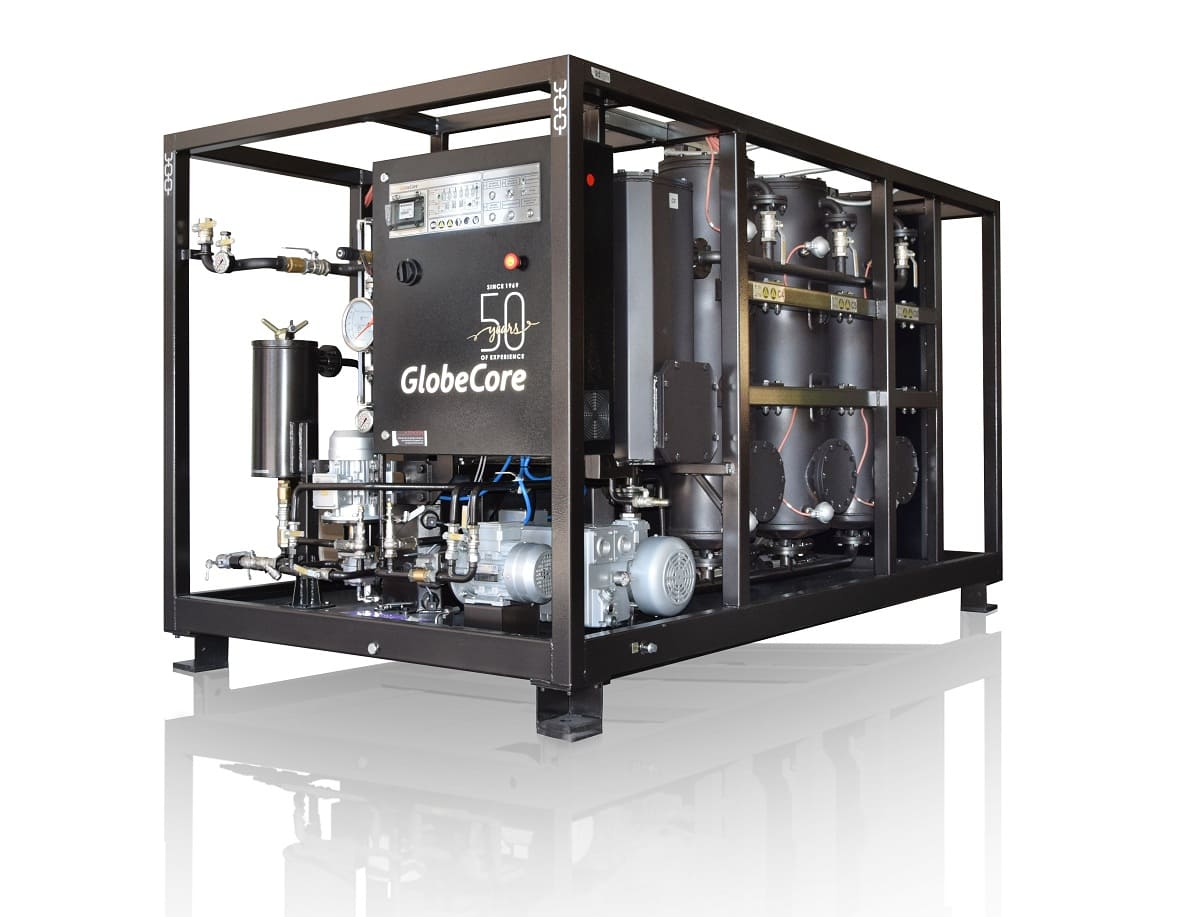
The attached image of the CMM-10RL Transformer Oil Regeneration Plant illustrates a high-capacity industrial configuration designed for such demanding regeneration tasks, showing how the system is arranged for continuous large-volume processing. -
June 24, 2026 at 8:19 am by Mohamed Alam
You’re exactly right to look beyond raw throughput when sizing a large transformer oil regeneration installation: regeneration effectiveness on heavily aged oil, sorbent life and in‑place reactivation, degassing efficiency, and the ability to handle variable oil quality are as important as L/hr numbers. In practice you should specify the regeneration goals (target dielectric strength, maximum water ppm, maximum TAN/acid number, particle cleanliness, PCB limits and whether single‑pass or multi‑pass recovery is acceptable), then select either a modular bank of mid‑capacity units or a high‑capacity industrial unit so the effective residence time, sorbent contact and degassing stages are sufficient for the worst‑case oil. Systems that allow in‑transformer processing while energized, have in‑place Fuller’s earth reactivation, PLC controls and parallel redundancy make it much easier to operate as a continuous servicing workflow across multiple transformers and to schedule maintenance without service interruptions.
From an integration and operational standpoint, plan for footprint and utilities (three‑phase power, heating/vacuum systems, handling for spent sorbent and sludge, plus compressed air and control wiring), spare sorbent and parts inventory, operator training, and clear procedures for heavily contaminated batches (slower throughput or staged passes). Modular configurations let you scale to your 6,000–10,000 L/hr target by paralleling units and keep uptime high with hot‑standby modules; conversely, very large single units provide high continuous capacity but can be harder to match to variable processing speeds required for very aged oil. If you want, provide typical oil condition data (current breakdown voltage, water ppm, TAN, volume per month, on‑site vs fixed installation, and uptime requirements) and I’ll propose specific unit configurations, expected performance tradeoffs and an approach for integration and O&M.
PL
UA
ID
VN
IT
GE
UZ
CN
KZ
CZ