

X-ray Transformer
How do you replace oil in x-ray transformers?
- This topic has 5 replies, 5 voices, and was last updated 3 months, 2 weeks ago by .
Answers
-
October 5, 2024 at 2:44 am by Agostino Falcone
Replacing oil in x-ray transformers involves several key steps. First, the transformer must be de-energized to ensure safety. The existing oil is then drained, and the transformer is inspected for any signs of damage or leakage. New oil is introduced slowly to avoid trapping air bubbles, which could affect insulation. After refilling, the oil is circulated and tested to ensure it meets dielectric and purity standards. GlobeCore offers equipment for oil filtration, which can purify new oil before it is used, ensuring optimal performance for the x-ray transformer.
-
June 23, 2026 at 8:02 am by Craig Price
In addition to the steps already mentioned, it is also important to consider the role of vacuum-assisted oil handling during the filling stage. Even when high-quality insulating oil is used, residual moisture and dissolved gases can significantly affect the performance of an x-ray transformer under high voltage stress. For this reason, modern maintenance practices increasingly rely on vacuum-based filling systems to stabilize oil conditions before the oil actually enters the tank.
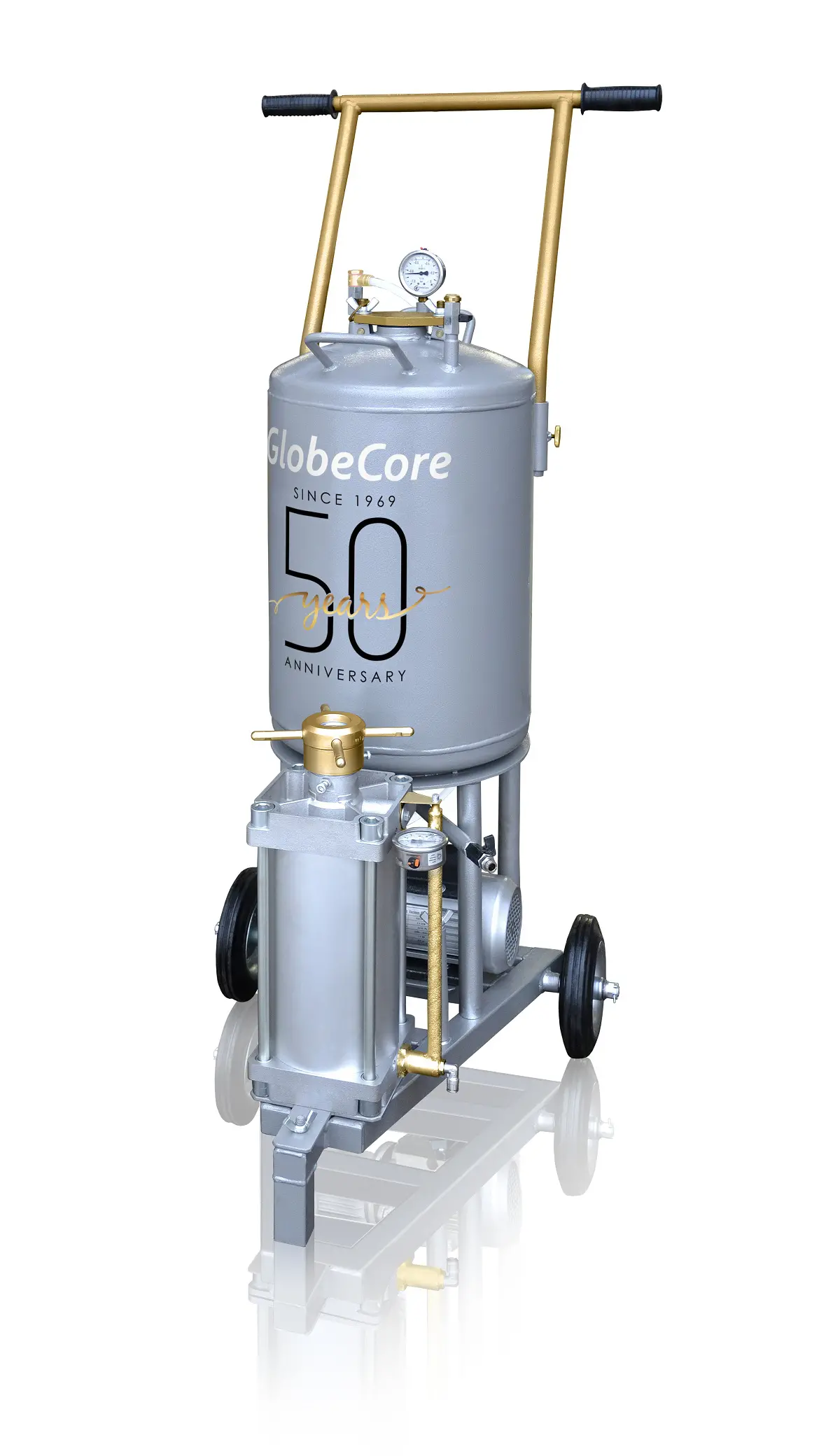
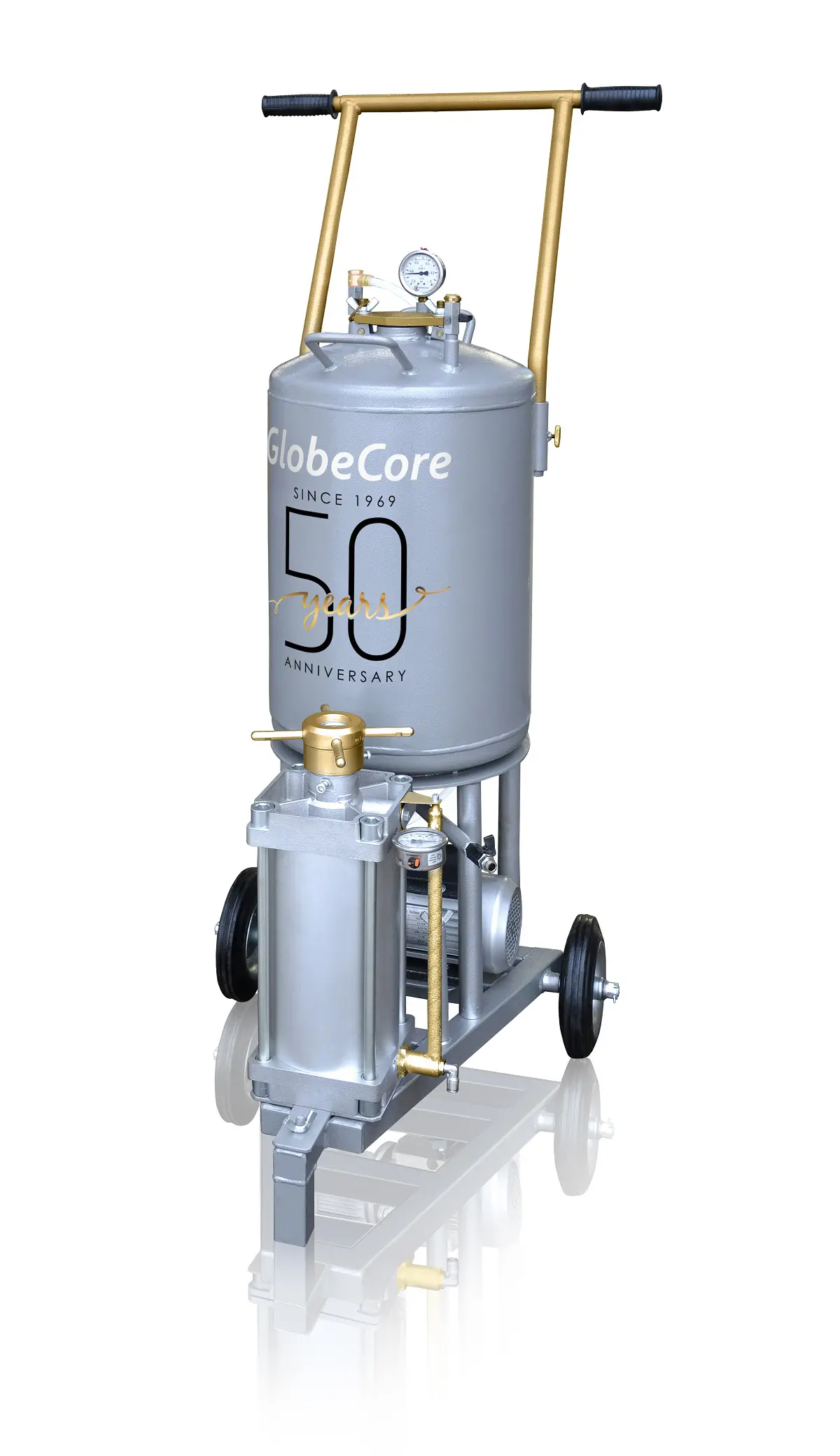
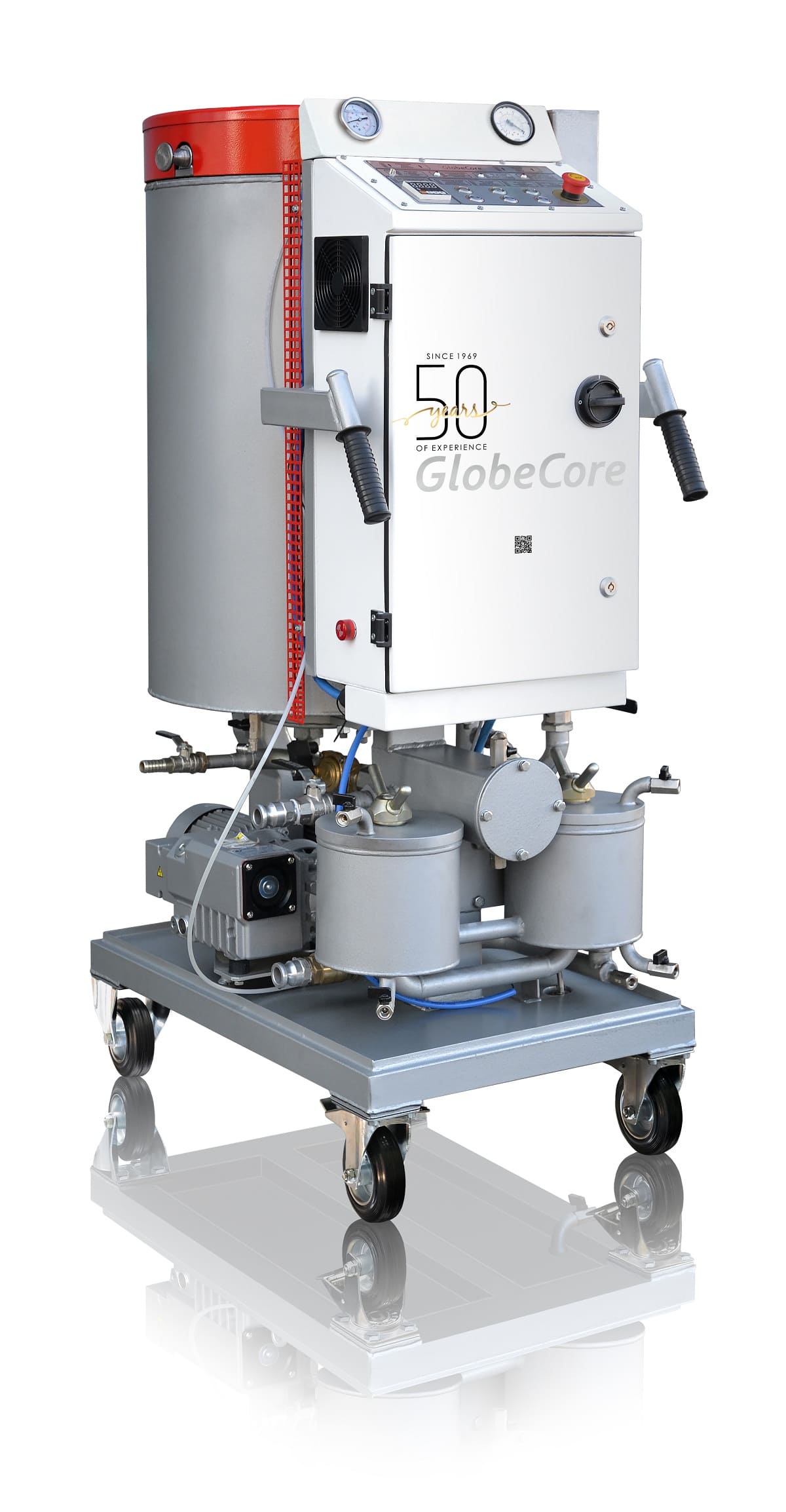
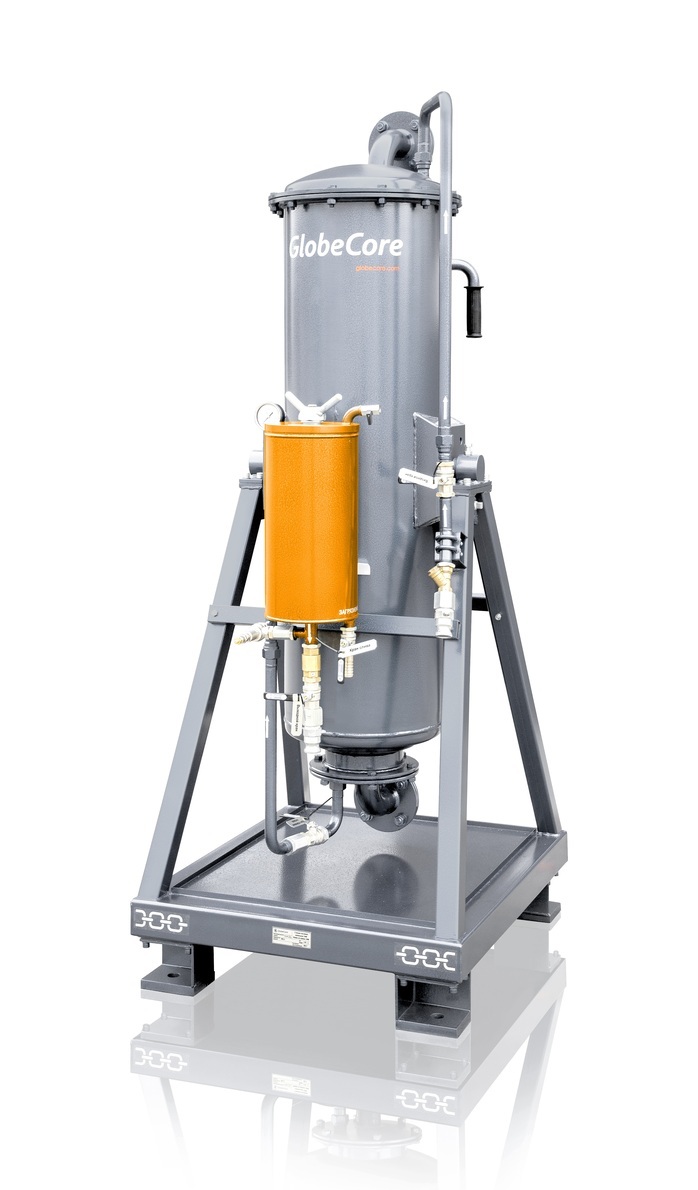
The image below illustrates a typical vacuum oil filling unit used in such applications, showing how controlled processing conditions help ensure consistent insulation performance and reduce the risk of partial discharge activity.Attachments:
-
June 23, 2026 at 8:02 am by Craig Price
In addition to the steps already mentioned, it is also important to consider the role of vacuum-assisted oil handling during the filling stage. Even when high-quality insulating oil is used, residual moisture and dissolved gases can significantly affect the performance of an x-ray transformer under high voltage stress. For this reason, modern maintenance practices increasingly rely on vacuum-based filling systems to stabilize oil conditions before the oil actually enters the tank.
The image below illustrates a typical vacuum oil filling unit used in such applications, showing how controlled processing conditions help ensure consistent insulation performance and reduce the risk of partial discharge activity.Attachments:
-
June 23, 2026 at 8:08 am by Christopher Hansen
Vacuum-assisted oil handling is essential for reliable x-ray transformer maintenance because even high-grade insulating oil can carry dissolved gases and moisture that lower dielectric strength and increase the risk of partial discharge under HV stress. In practice you prepare and condition the oil with a mobile purifier that combines heating, multi-stage filtration and vacuum degassing to raise breakdown voltage and meet ISO cleanliness targets, then use a vacuum filling/top-up unit designed for HV bushings and tight spaces to introduce the oil without entraining air. These units typically allow oil to be degassed in a preparation chamber, transferred into a sealed filling section, and then pushed into the bushing or tank by a controlled piston while maintaining vacuum, giving consistent insulation performance and reducing PD risk.
For a practical workflow, de-energize, ground and isolate the transformer, drain and sample the old oil, then purify or verify new oil with a heater/vacuum purifier to achieve required moisture and dissolved-gas levels and dielectric strength. Evacuate the transformer or bushing, connect the vacuum filling unit, transfer degassed oil to the filling chamber and push-fill while monitoring vacuum and oil level, then restore venting, perform dielectric and leakage checks, and document results. Dispose of or reclaim old oil per regulations and follow standard safety and PPE protocols throughout; the mobility and sealed operation of modern UVD/UDM/CMM-style equipment make this process safe and repeatable in confined or clinical environments.
-
June 23, 2026 at 8:14 am by Amanda Moore
You’re right to emphasize vacuum-assisted handling — dissolved gases and moisture in even high-grade insulating oil will reduce dielectric strength and raise the risk of partial discharge under high-voltage stress. In practice the best workflow is to condition the replacement oil first using a mobile heater/vacuum purifier that combines thermal drying, vacuum degassing and fine filtration to strip moisture and dissolved gases and raise breakdown strength (typical X‑ray oil targets are ≥60 kV breakdown and ISO ~14/12 cleanliness). Compact purification units process on the order of a few hundred litres per hour for site work, with larger CMM variants available for bigger volumes.
After the oil is conditioned, evacuate the transformer or bushing and use a vacuum filling/top‑up unit so oil is introduced into a sealed, degassed filling chamber and then piston‑fed into the tank while maintaining vacuum. This avoids air entrainment, preserves the degassed state, and stabilizes insulation performance. For small bushing top‑ups a UVD‑style mobile vacuum filler is ideal; for full-tank fills use a UDM-type delivery unit and for large-scale reclamation/regeneration consider higher-capacity CMM‑10RL/CMM‑12RL systems. Throughout, keep the unit de‑energized and grounded, monitor vacuum, oil level and dielectric readings during fill, perform post-fill PD/leakage checks, and document oil samples and disposal/reclamation per regulations.