

Fuel oil polishing
How does a diesel fuel oil polishing system work?
- This topic has 3 replies, 4 voices, and was last updated 2 months, 1 week ago by .
Answers
-
October 7, 2024 at 9:50 am by 山本 修平
A diesel fuel oil polishing system works by circulating diesel fuel through a series of filters and separators to remove contaminants such as water, sludge, and particulates. The system uses water separators to remove free water and coalescers to handle emulsified water, followed by fine filters to trap solid impurities. The cleaned diesel is then returned to the tank or used in engines, ensuring optimal performance.
-
July 9, 2026 at 1:50 pm by Craig Price
Beyond removing the existing contaminants, an effective diesel fuel polishing process also helps maintain fuel quality during long-term storage, where oxidation products, sediment formation, and microbial contamination can gradually develop. Continuous or periodic circulation through a polishing unit helps prevent these issues and keeps stored fuel in a condition suitable for reliable engine operation.
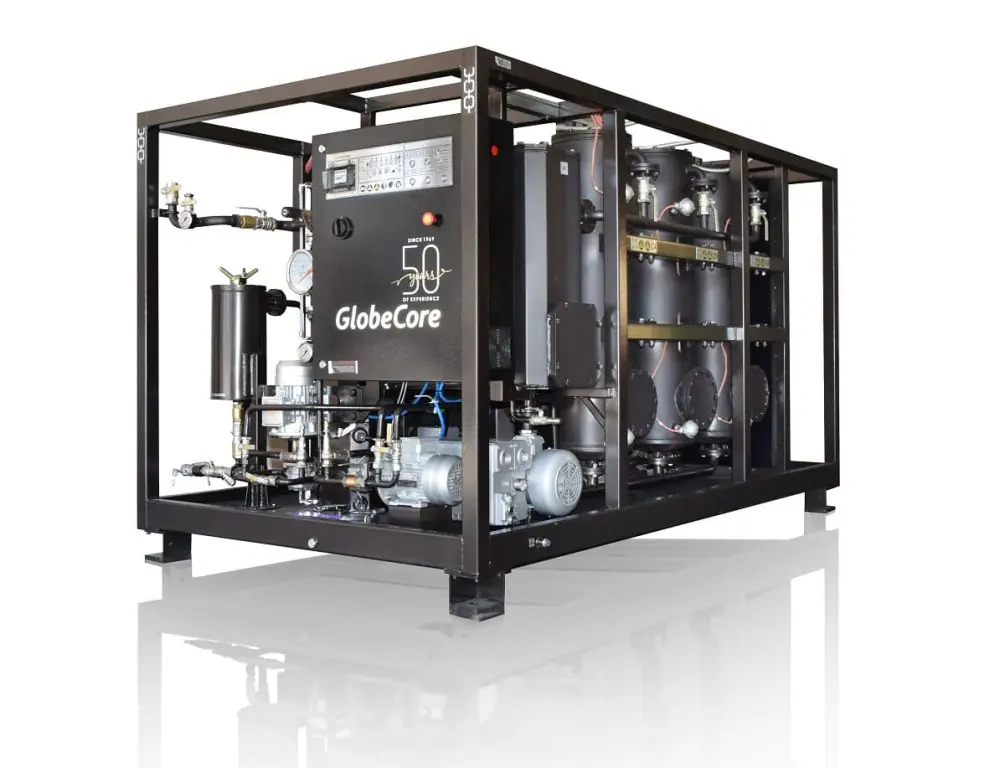
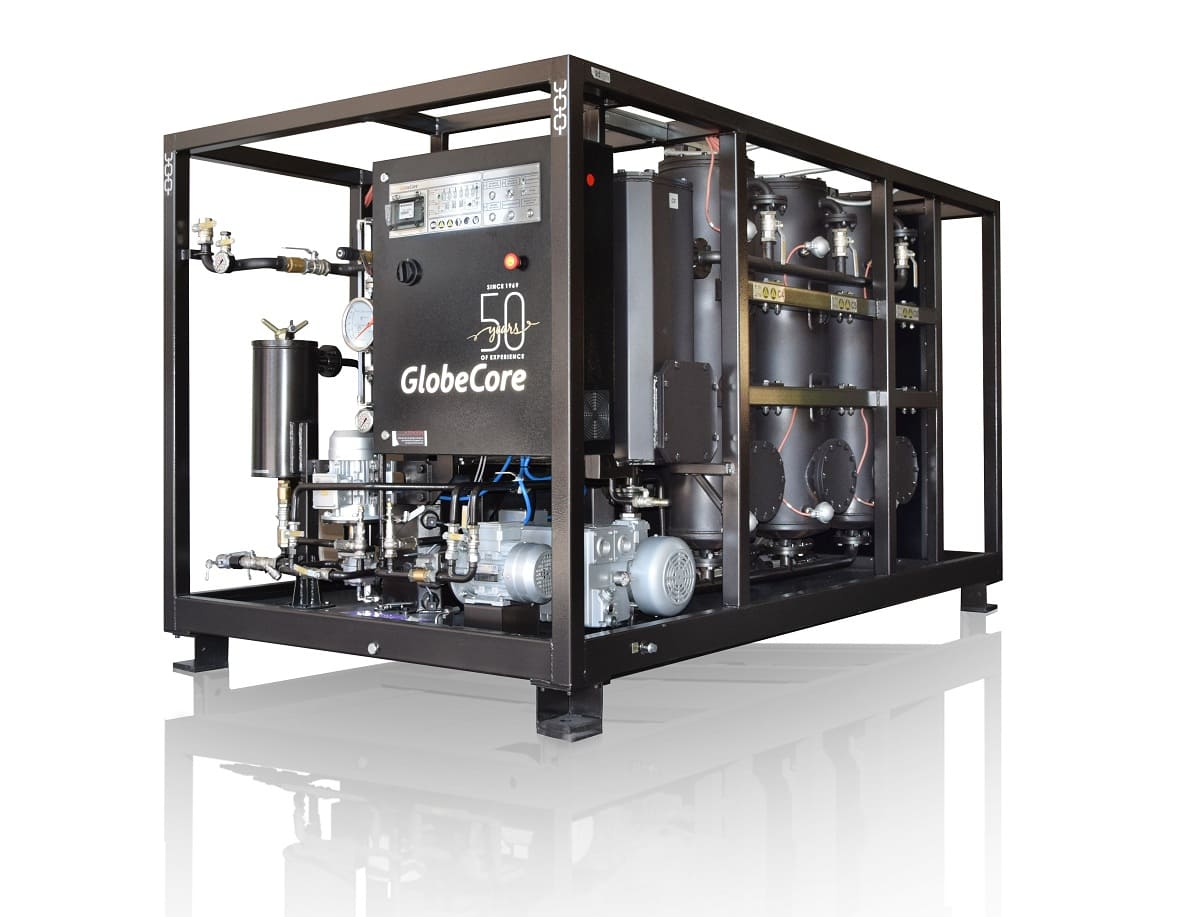
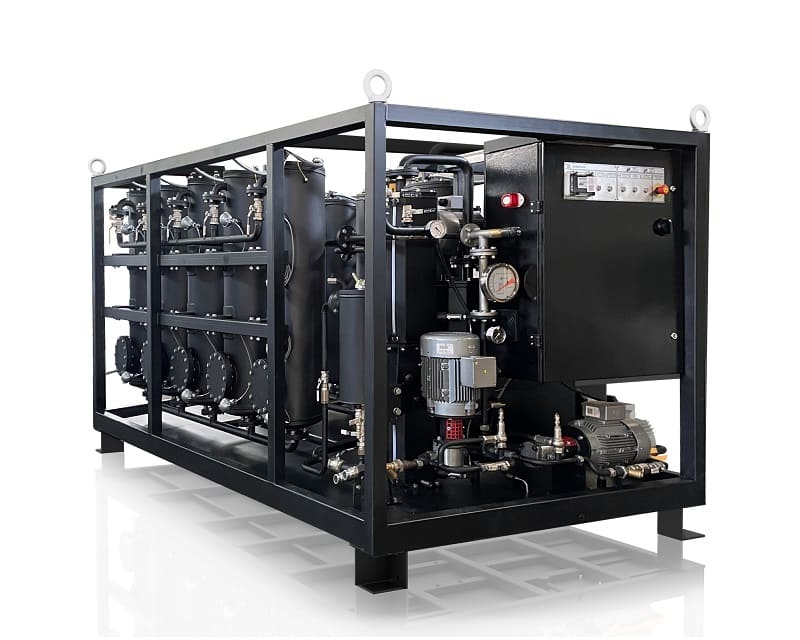
Modern systems, such as the CMM-6RL configuration shown below, can be adapted for different fuel treatment tasks, providing a practical solution for maintaining fuel cleanliness in industrial and power generation applications.Attachments:
-
July 9, 2026 at 2:01 pm by Sandra Green
The CMM-6RL polishes diesel by circulating fuel through six adsorption columns where a sorbent captures not only particulates and sludge but also unsaturated and aromatic hydrocarbons, asphalt‑resinous substances and sulfur-, nitrogen- and acid‑containing compounds, restoring the fuel’s group composition and operational properties. The unit runs automatically and can keep stored fuel fresh by periodic or continuous circulation to prevent oxidation products, sediment formation and microbial growth; when the sorbent becomes loaded it is regenerated in‑place by a controlled reactivation cycle so the media can be reused hundreds of times.
In practice you should treat heavily contaminated feeds first—remove mechanical impurities and separate free and emulsified water—before polishing to maintain throughput and sorbent life. Nominal throughput is around 45 m³/h but actual capacity falls with poorer fuel; the system is designed for automated operation with touch‑panel monitoring, a two‑stage emissions neutralization (carbon filter plus catalytic converter) during reactivation, and typical power draw in the mid-teens kW. For long‑term storage management, periodic polishing with a unit like the CMM-6RL is an effective, low‑risk way to preserve diesel quality and reliability.