

Silicagel regeneration
How does silica gel dehumidifier regeneration work?
- This topic has 3 replies, 3 voices, and was last updated 6 months, 1 week ago by .
Answers
-
October 9, 2024 at 11:10 am by Ahmed Abdullah
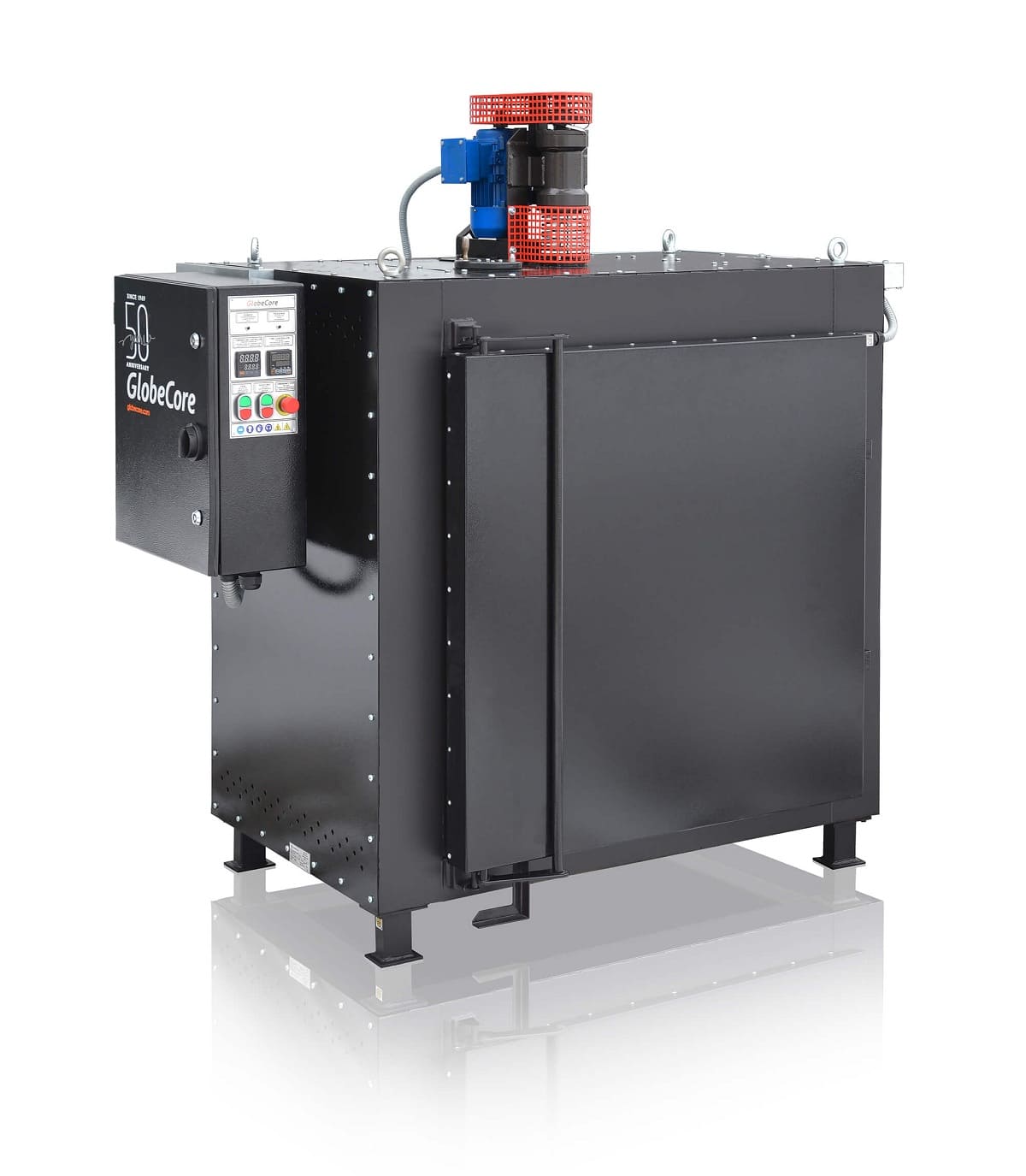
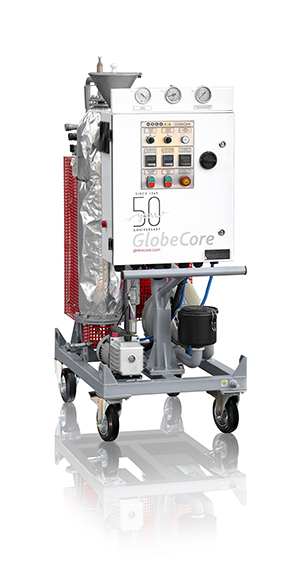
Silica gel dehumidifier regeneration involves heating the silica gel to evaporate the moisture it has collected during dehumidification. This process restores the gel’s capacity to absorb moisture and can be done using an oven at 120-150°C. For larger-scale needs, GlobeCore offers specialized regeneration equipment that automates this process, ensuring even heating and efficient moisture removal. Their solutions make the regeneration process more convenient and consistent, ideal for industries that use silica gel dehumidifiers regularly.
-
March 30, 2026 at 6:39 am by Craig Price
An additional important aspect to consider is that silica gel regeneration is fundamentally a thermodynamic desorption process, rather than simple dehumidification. During operation, water molecules are held on the internal pore surfaces by weak intermolecular (Van der Waals) forces. When heat is applied, these bonds weaken, allowing the moisture to detach and evaporate from the surface, restoring the adsorptive capacity of the material.
What is often overlooked is the role of process conditions such as airflow, humidity, and heat distribution. Efficient regeneration requires not only reaching the target temperature, but also continuous removing of the released moisture from the system. If humid air remains in contact with silica gel, partial readsorption may occur, reducing overall efficiency. In industrial systems, this is why regeneration is typically performed using controlled hot air flow or vacuum conditions, which significantly accelerate moisture removal and improve consistency of the process.
Another key point is that regeneration efficiency directly affects long-term performance. Repeated cycles with improper temperature or uneven heating can gradually reduce pore accessibility and adsorptive capacity. Therefore, optimized regeneration (correct temperature, sufficient time, and proper ventilation) is essential to maintain stable dehumidification performance over many cycles.
For a more detailed technical explanation of silica gel dehumidification and regeneration methods, including practical industrial approaches, it is worth reviewing this article: https://globecore.com/transformer-maintenance/drying-of-silica-gel/. -
March 30, 2026 at 6:48 am by Natalie Dupont
You’re exactly right — silica gel regeneration is a thermodynamic desorption process: heating weakens the Van der Waals forces that hold water in the gel pores, but effective regeneration also depends on process conditions that remove the released vapor so readsorption can’t occur. In practice that means controlled hot-air or vacuum regeneration with good heat distribution and continuous exhaust of humid air; insufficient airflow or trapped moist air will undo much of the thermal work and lower regeneration efficiency.
Industrial regenerators address those points by combining precise, operator-set temperature control (set to the gel brand’s maximum safe temperature), even heating from heaters on both sides of the drying chamber, and active air movement or a “blowing” mode to carry moisture away, all inside an insulated cabinet to conserve heat. Avoiding excessive temperature or uneven heating is important because repeated improper cycles reduce pore accessibility and long-term adsorption capacity. If you want, I can extract a concise setup checklist with typical temperature ranges by silica-gel type, recommended cycle counts, and ventilation/bypass options to optimize regeneration.