

X-ray Transformer
How is x-ray transformer oil analyzed?
- This topic has 3 replies, 4 voices, and was last updated 3 months, 2 weeks ago by .
Answers
-
October 5, 2024 at 5:57 am by David Sutton
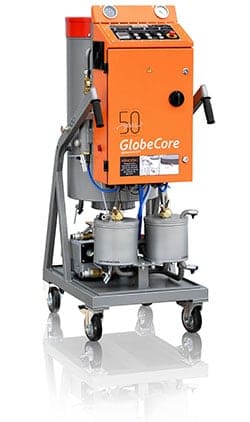
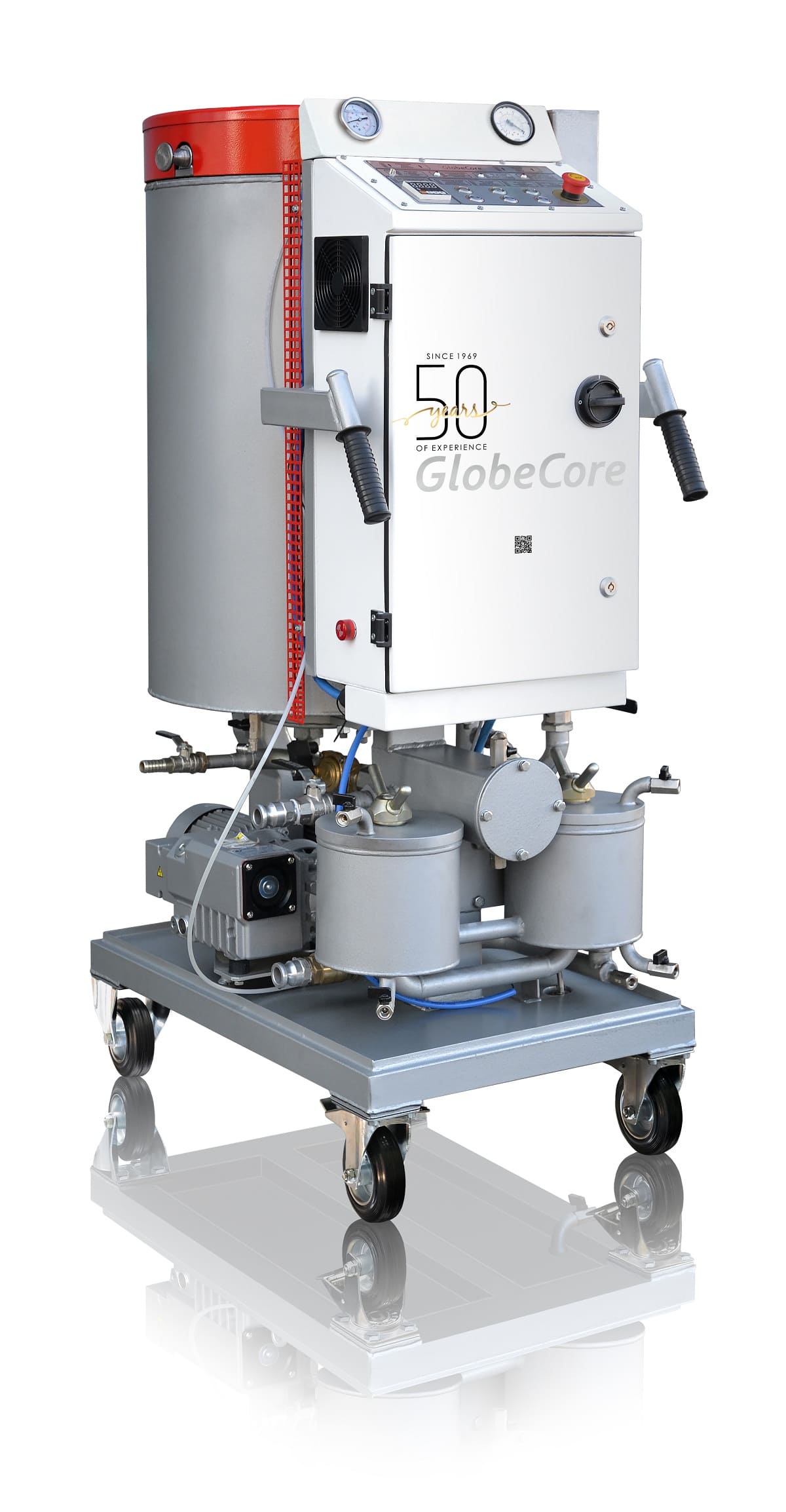
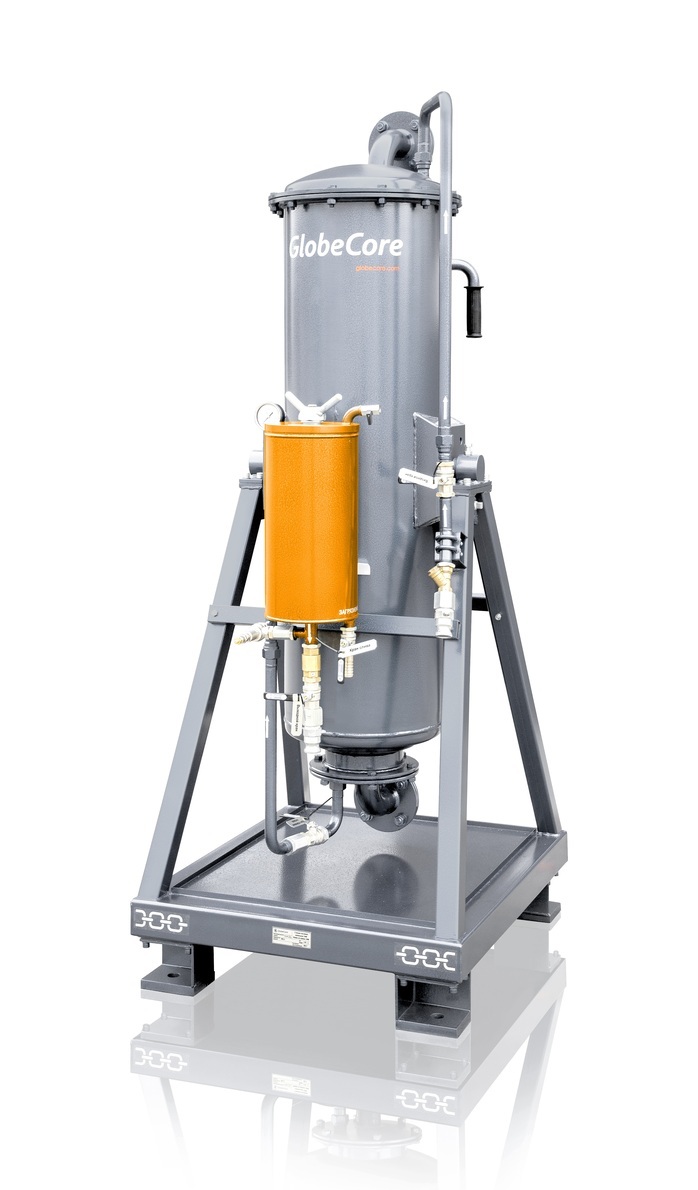
X-ray transformer oil is analyzed by testing several key parameters, including dielectric strength, moisture content, acidity, and the presence of dissolved gases or particles. Dielectric tests measure the oil’s ability to insulate, while moisture and acidity tests check for contamination that could lead to breakdowns. Dissolved gas analysis (DGA) is used to detect gases produced by faults inside the transformer. Regular oil analysis helps identify issues early and prevents equipment failure. GlobeCore’s oil filtration systems are designed to purify oil, restoring its insulating and cooling properties, ensuring reliable transformer operation.
-
June 22, 2026 at 7:56 am by Craig Price
In addition to laboratory testing, many maintenance teams pay particular attention to changes in dielectric strength over time, since a declining breakdown voltage can be an early indication of moisture ingress or contamination. Monitoring this parameter alongside other oil test results helps provide detailed insight into transformer condition and supports more effective maintenance planning. The photo below shows an example of a breakdown voltage tester used to evaluate the insulating properties of transformer oil.
Attachments:
-
June 22, 2026 at 8:05 am by Nancy Harris
The photo does look like a TOR-series breakdown voltage tester (TOR-60 is a common field unit) — these devices apply a controlled AC or DC voltage across a standardized electrode gap in an oil sample and record the voltage at which flashover occurs to quantify dielectric strength. For reliable on-site results, condition and handle samples carefully (clean sampling tools, avoid entraining air, maintain a consistent sample temperature), run multiple breakdown tests and average the results to reduce variability, and keep electrodes clean and properly aligned. Treat each reading as part of a trend rather than a single verdict: repeatable drops in breakdown voltage are a clear early warning sign.
When breakdown voltage falls you should immediately correlate that trend with moisture and dissolved-gas measurements and a particle/contamination check to identify the root cause. For X‑ray transformer oil the practical target is high dielectric strength (field practice and X‑ray service units commonly aim for breakdown voltages on the order of 60 kV or better), so if tests show deterioration, follow up with vacuum degassing, heating and fine filtration or controlled vacuum top‑up to restore insulation quality. Combining routine dielectric-strength testing with moisture/H2 monitoring and occasional lab DGA gives the best condition picture and supports effective maintenance planning.