

Oil breakdown voltage tester
How to check dielectric strength of transformer oil?
- This topic has 3 replies, 4 voices, and was last updated 5 days, 7 hours ago by .
Answers
-
July 25, 2025 at 8:48 am by Plinio Arcos
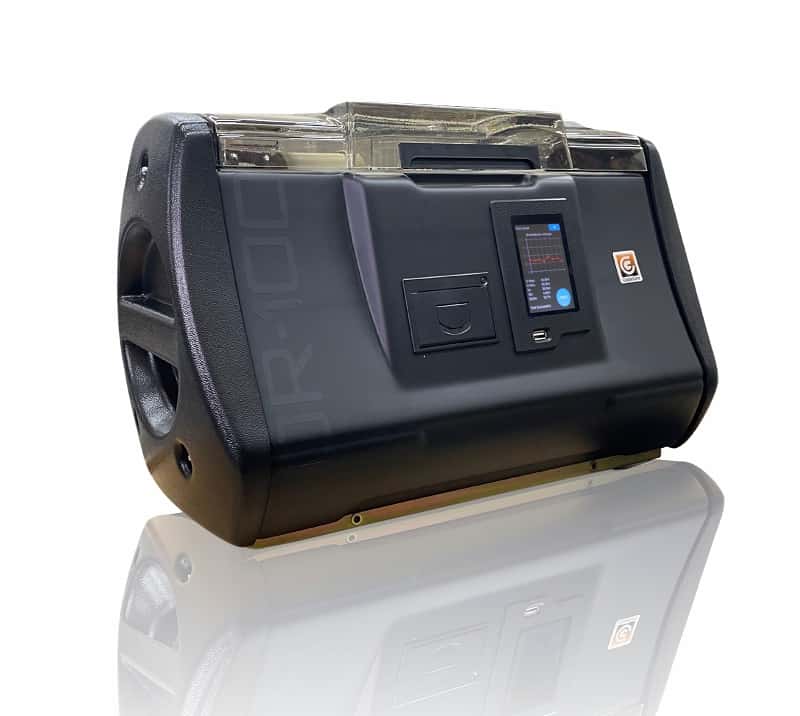
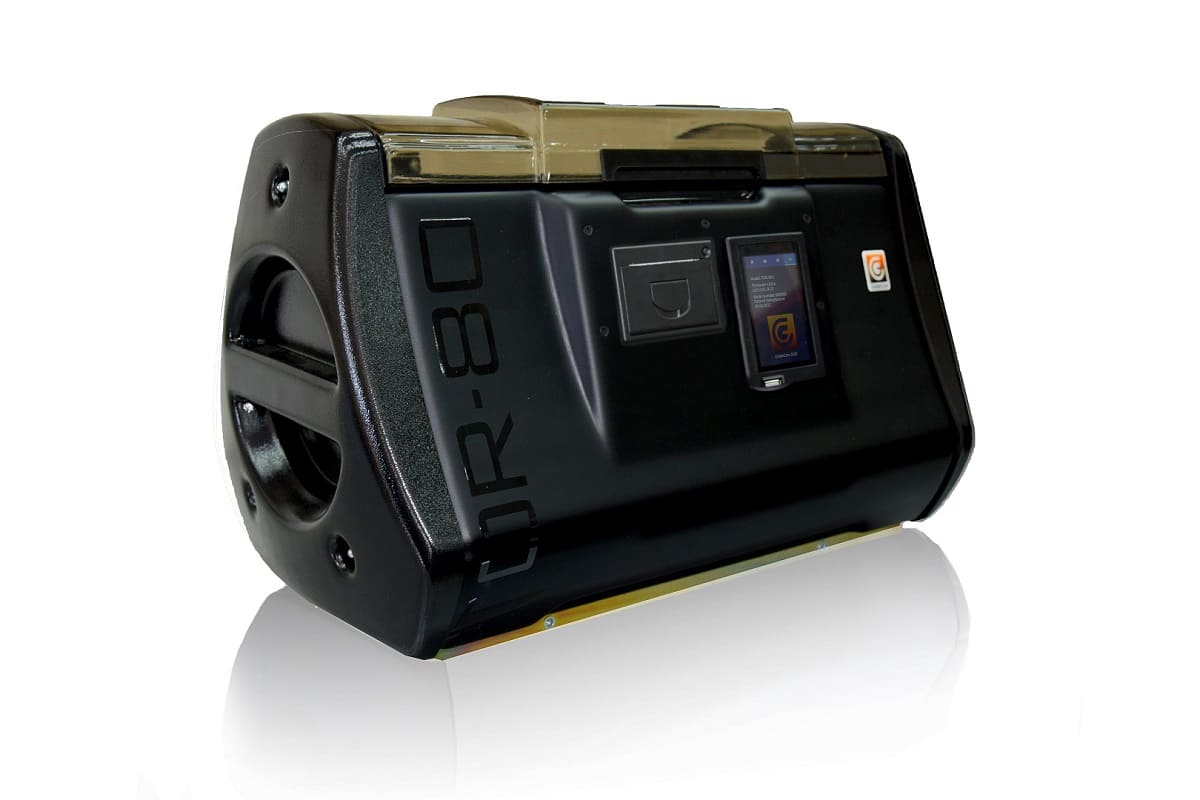
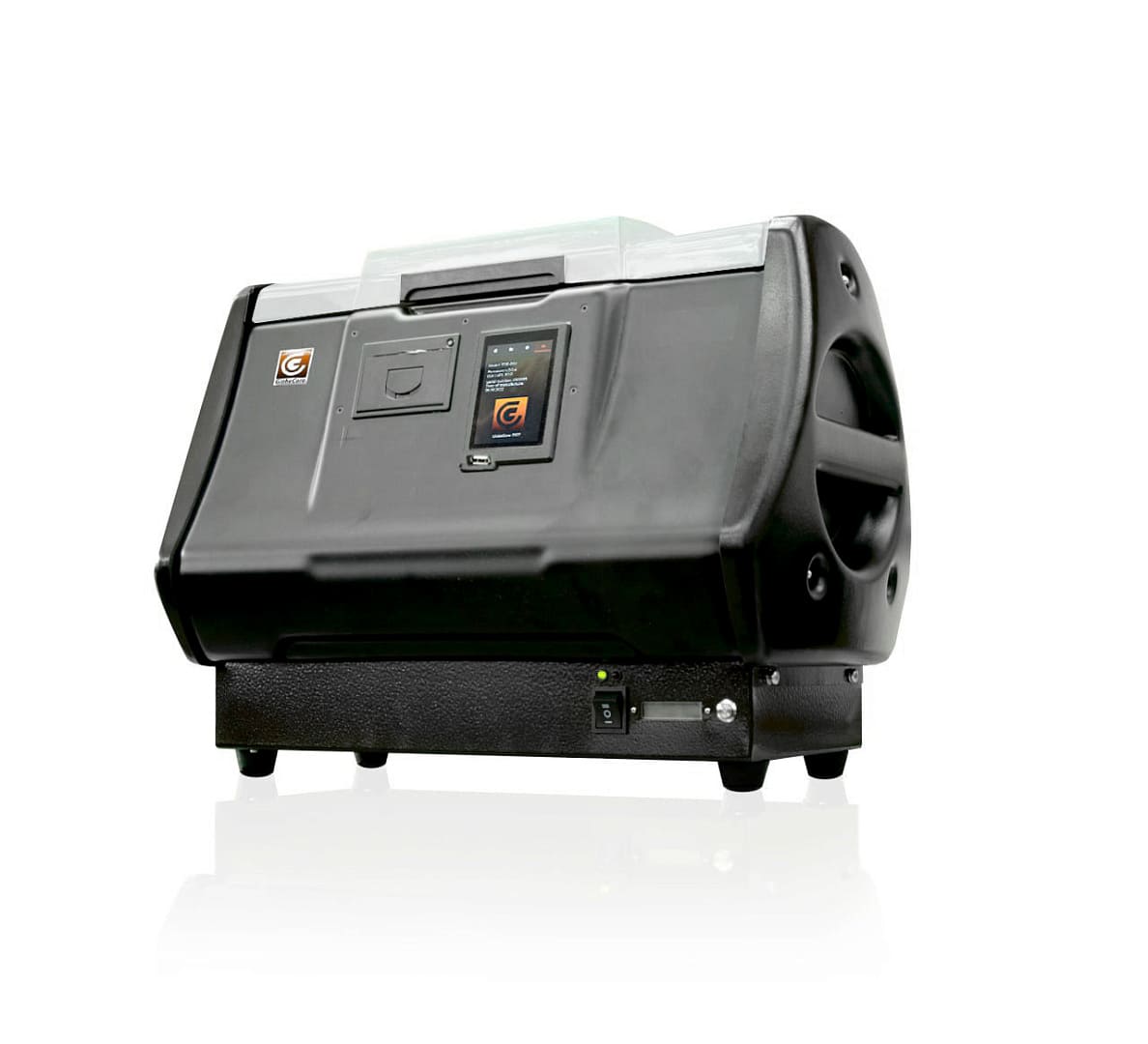
You can check the dielectric strength of transformer oil using GlobeCore TOR-80 testers, which apply controlled voltage ramps and measure the point of electrical breakdown.
-
March 26, 2026 at 8:35 am by Craig Price
This discussion can be supplemented by the fact that the dielectric strength of transformer oil is not determined by a single measurement, but by a strictly controlled testing procedure that minimizes external effects. Even small deviations in sample preparation — such as contamination rate, air bubbles, or improper electrode spacing — can significantly distort the result; for this reasons, the standards such as IEC 60156 define not only the actual test, but also sampling, temperature stabilization, and electrode configuration.
From a practical perspective, the test involves placing the oil sample between two electrodes (typically with a 2.5 mm gap) and applying a steadily increasing voltage until a dielectric breakdown occurs, after which the value is recorded and the test is repeated multiple times to obtain an average result.
This repetition is critical, because breakdown voltage may vary depending on microscopic impurities present in the oil at the time of testing.
Another important aspect is interpretation. A single BDV value does not fully describe oil condition — it should be considered along with other parameters such as moisture content, dissolved gases, or dielectric losses. In many cases, BDV testing serves as a quick diagnostic evaluation tool, while deeper analysis is required to identify the root cause of degradation.
For a more detailed explanation of the testing procedure, practical subtleties, and the principle of using the instruments such as GlobeCore TOR-80 real conditions, it’s worth reading this article: https://globecore.com/oil-testing/dielectric-breakdown-measurement-of-transformer-oil/. -
March 26, 2026 at 8:39 am by Matthew Johnson
You’re right — dielectric strength (breakdown voltage, BDV) is determined by a tightly controlled test procedure, not a single casual measurement. In practice the oil sample is poured into a 500 cm³ measuring cell and placed between two polished electrodes (the standard gap is typically 2.5 mm), the temperature is stabilized (usually around 20 °C), and the tester applies a steadily increasing AC voltage until breakdown. Modern BDV testers (for example models that cover 60–100 kV and a ramp rate adjustable from about 0.5–10 kV/s, with microsecond shutdown after breakdown) automate the voltage ramp and record the breakdown point; portable field units can run the same standards and print results on site. Small deviations in sampling, contamination, air bubbles, electrode condition or spacing will skew the result, so follow the sampling, degassing and electrode-cleaning practices called out in standards such as IEC 60156 and its ASTM/VDE/IRAM equivalents.
Interpreting BDV requires context: repeat the test several times (commonly five readings) and use an average rather than a single number, because microscopic impurities cause scatter between breakdowns. A BDV value is a fast diagnostic indicator of oil condition but does not identify root causes. Always correlate BDV with moisture content, dissolved gas analysis (DGA), dielectric loss/tan δ and visual/chemical checks before deciding on maintenance actions. For routine field and laboratory work, use a compliant tester that supports the relevant standard, verify electrode spacing and cell cleanliness, avoid entrapped air in the sample, and keep records of temperature and test parameters so results are repeatable and comparable over time.