

Oil breakdown voltage tester
How to test transformer oil breakdown voltage?
- This topic has 3 replies, 4 voices, and was last updated 6 days, 8 hours ago by .
Answers
-
July 25, 2025 at 7:13 am by Alexander Taylor
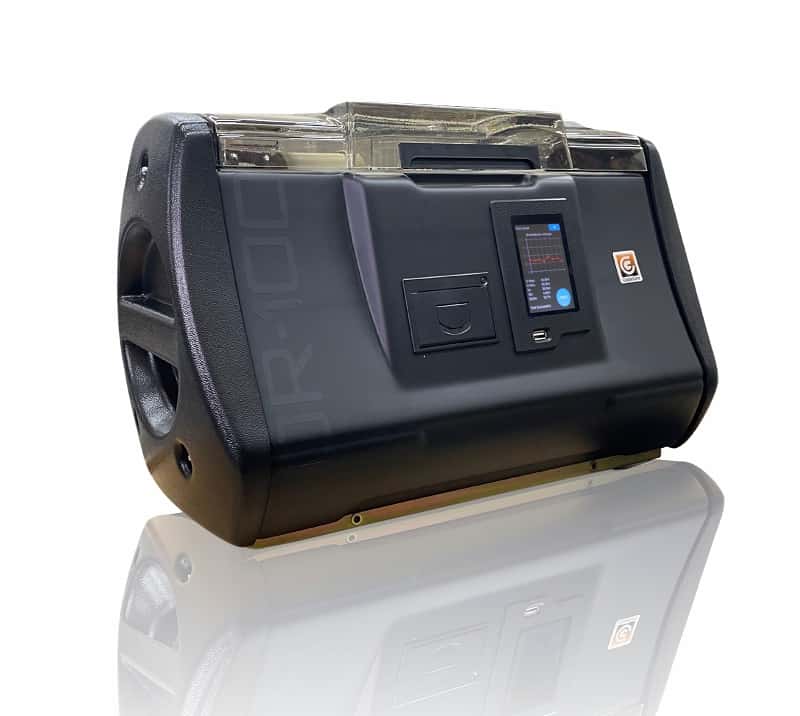
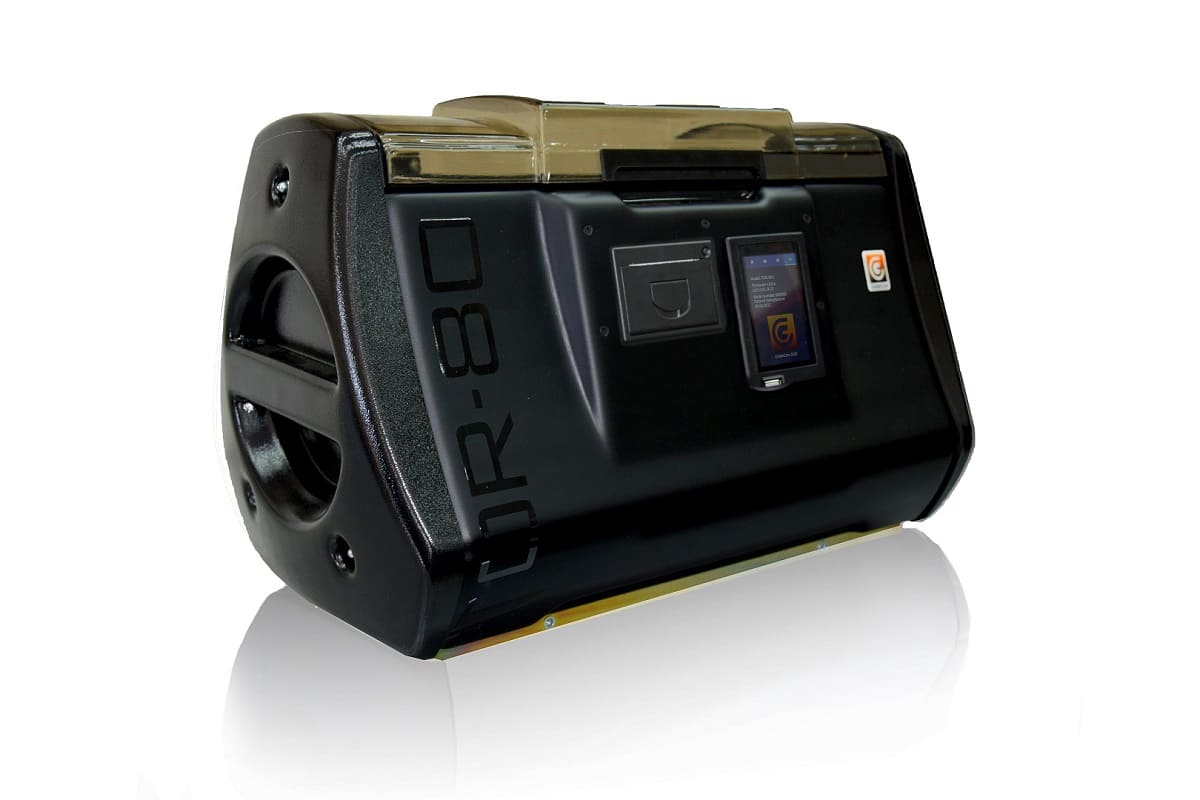
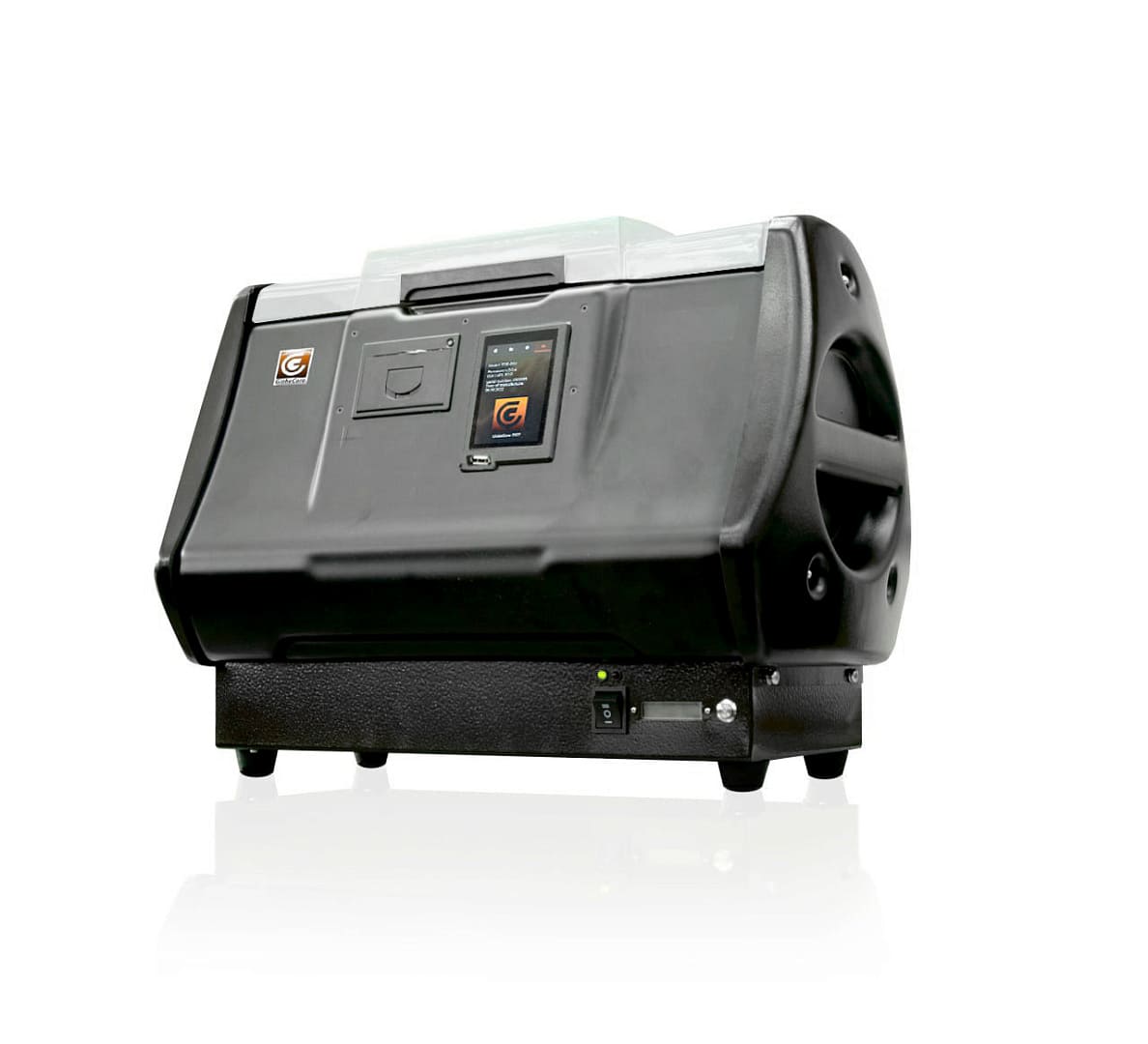
The most efficient way to test transformer oil breakdown voltage is by using a portable tester like the GlobeCore TOR-80, which delivers precise results on-site in minutes.
-
March 25, 2026 at 8:14 am by Craig Price
In addition to using a portable tester, it’s important to understand that accurate breakdown voltage testing depends heavily on proper test procedure and sample handling, not just the equipment alone. Even a high-quality tester can give unreliable results if the oil sample contains air bubbles, moisture contamination from the environment, or residues from previous tests.
According to standard methods such as IEC 60156, the process involves placing the oil sample between two electrodes (typically with a 2.5 mm gap) and applying a steadily increasing AC voltage until an electrical breakdown occurs . However, in order to ensure meaningful results, the test should be repeated several times (usually 5–6 cycles), and the final value is taken as an average, since breakdown voltage may vary due to the random distribution of particles and moisture in the oil.
Another factor that is often overlooked deals with pre-test conditioning. Allowing the sample to release entrained air and maintaining stable temperature conditions can significantly improve measurement consistency. In the field, where these variables are more difficult to monitor, automated testers with built-in stirring, timing, and voltage ramp control become particularly valuable.
Therefore, while portable devices such as GlobeCore TOR-80 units make testing faster and more convenient, the real reliability of the results comes from combining automation with strict adherence to standardized procedures.
If you’d like to take a closer look at how breakdown voltage testers work and what features actually matter in practice, this guide is worth checking: https://globecore.com/oil-testing/breakdown-voltage-tester/. -
March 25, 2026 at 8:21 am by Daniel Walker
You’re absolutely right — the tester is only one part of getting reliable transformer oil breakdown voltage (dielectric strength) results. Proper sample handling and test procedure make the difference: degassing or allowing entrained air to escape, keeping the sample at a stable, specified temperature, cleaning and drying the measuring cell and electrodes, and using the standard electrode gap (typically 2.5 mm per IEC 60156) are all crucial. Repeatability requires multiple breakdown cycles (commonly 5–6) and averaging the results because random particulates and moisture produce scatter in measurements; strict adherence to IEC 60156 or equivalent ASTM/VDE methods is what makes field values meaningful and comparable to lab results.
Automated field testers that enforce the ramp rate, timing, test cycles and safety interlocks cut down operator variability and improve consistency in on-site dielectric strength testing. Modern portable units support the relevant standards, provide controlled HV ramping up to model limits (e.g., 60–80 kV on common TOR-series models), disconnect the HV within microseconds after breakdown, and offer data logging/printing so you can store the five‑to‑six cycle averages and traceability. In short, combine good sample conditioning and standardized procedure with an automated, standards‑capable tester and you’ll get the reliable transformer oil breakdown voltage measurements you need for diagnostics and acceptance testing.