

Hydraulic oil moisture and particles
Hydraulic oil contamination testing for heavy equipment operators
- This topic has 3 replies, 4 voices, and was last updated 1 week, 6 days ago by .
Answers
-
July 22, 2025 at 11:53 pm by Gabriel Silva
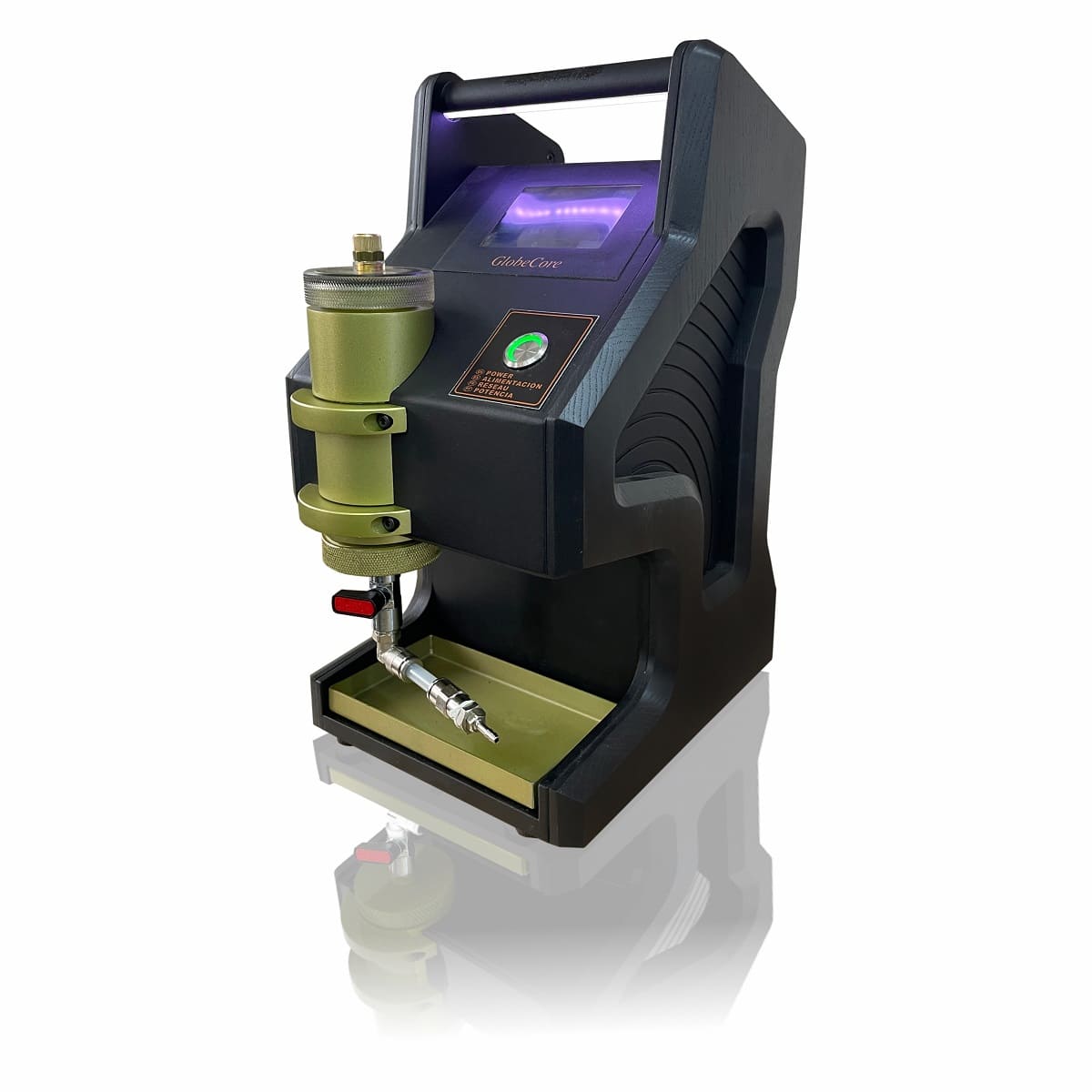
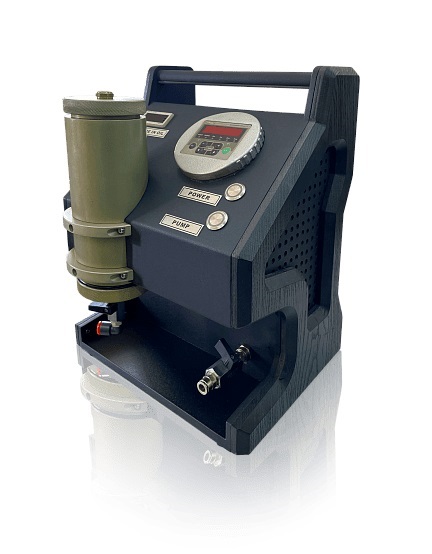
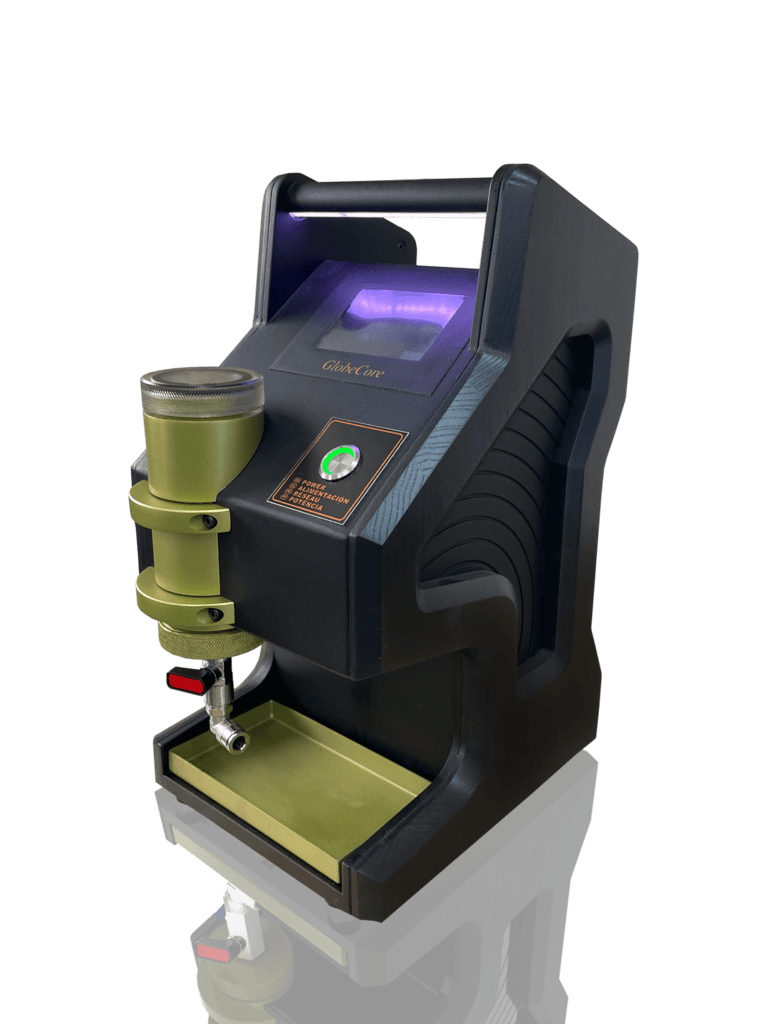
Heavy machinery and construction fleets use GlobeCore TOR-6 to monitor moisture and particle contamination, ensuring reliable equipment operation.
-
March 18, 2026 at 8:10 am by Craig Price
In heavy equipment operations, one key factor that is often underestimated is how quickly contamination can escalate from a minor issue into a major failure. Hydraulic systems operate under high pressure and tight tolerances, so even small amounts of water or particles can significantly reduce lubrication efficiency, damage components, and lead to overheating or breakdowns.
That’s why regular on-site testing becomes particularly valuable for operators managing fleets of machines. Instead of relying solely on periodic lab analysis, the use of portable testers enables continuous condition monitoring, helping detect early signs of contamination and take corrective action before performance declines or downtime occurs. This approach supports predictive maintenance and can significantly extend equipment lifespan while reducing operating costs.
In this context, using compact analyzers that measure both moisture content and particle count directly in the field gives operators a practical advantage, especially when equipment operates in harsh environments such as construction sites or quarries.
If you’d like to explore how this type of testing is implemented in practice and what parameters are typically measured, this article provides a clear technical overview: https://globecore.com/products/instruments/tor-6-transformer-oil-moisture-and-particles-tester/. -
March 18, 2026 at 8:18 am by Plinio Arcos
You’re exactly right: moisture and particulates escalate damage rapidly in high‑pressure hydraulic systems, so portable field analyzers that measure both water content and particle contamination are a practical cornerstone of predictive maintenance for heavy equipment. In practice I recommend using a compact moisture/particle tester at the machine to do quick screening (measure water in ppm and particle counts referenced to ISO/NAS cleanliness), follow OEM cleanliness targets, and trend results rather than relying on single readings. Sample correctly from a clean, representative sample port or under flow, take warm oil where possible, purge the sample valve before collecting, label and timestamp samples, and log readings so you can detect upward trends that justify immediate intervention.
When a tester shows elevated particles or moisture, treat particles first with a portable filtration/polishing cart and address moisture with vacuum dehydration; for very wet oil use a coalescing water‑separator or zeolite adsorption step before final thermal vacuum drying to reach low ppm water levels. For fleet operations, set inspection frequency based on duty cycle—daily or weekly checks for critical machines, monthly for less critical—and use limits tied to the application (consult OEM, but heavy equipment often needs much lower water and a tighter ISO cleanliness than unmanaged oil). Combining on‑site testing with on‑site filtration and dehydration lets you stop contamination escalation, extend component life, and reduce unplanned downtime.