

GlobeCore FAQ
Is there a system for continuous monitoring of transformer condition without manual sampling?
- This topic has 5 replies, 5 voices, and was last updated 3 months ago by .
Answers
-
March 27, 2026 at 8:24 pm by Rachel Wright
Yes, the GlobeCore TOR-5 online monitoring system is designed specifically for continuous transformer diagnostics. It measures key oil parameters in real time, including moisture and gas content, and provides ongoing condition assessment. One of its key advantages is the ability to automatically respond to deteriorating conditions by activating oil treatment processes. This allows operators to move from reactive maintenance to predictive maintenance, reducing risks of failure and extending transformer service life.
-
April 14, 2026 at 6:52 am by Craig Price
One important aspect to consider is that the real value of continuous monitoring systems resides not only in measuring parameters, but also in creating a closed-loop control of transformer condition. This means that the system does not just detect problems — it can help resolve them.
In advanced solutions, sensors continuously track parameters such as moisture, dissolved gases, temperature, and insulation condition, with measurements taken at very short intervals and transmitted for real-time analysis. This enables operators to identify early-stage degradation that would be impossible to detect with periodic sampling alone.
A key advantage of systems such as the TOR-5 by GlobeCore is that they go beyond diagnostics. They integrate monitoring with oil treatment, automatically switching to filtration and dehydration modes when predefined thresholds are exceeded. This effectively transforms maintenance from passive observation into an active, predictive process, where the system helps maintain optimal oil condition without shutting down the transformer.
Another critical benefit is trend-based diagnostics. Continuous data collection allows operators to track how parameters evolve over time, making it possible to predict insulation aging and schedule maintenance activities based on actual condition rather than fixed intervals.
If you’d like to learn more about how such systems are implemented in practice, I recommend taking a closer look at this solution: https://globecore.com/oil-testing/power-transformer-monitoring/. -
April 14, 2026 at 7:03 am by 佐々木 篤司
You’re absolutely right — the real value of continuous online transformer monitoring is not just high-frequency measurement of moisture, dissolved gases, temperature and insulation condition, but using those measurements to drive corrective action and convert maintenance from reactive to predictive. TOR-5 provides continuous, minute-by-minute data, remote/cloud access and trend-based diagnostics so operators can detect incipient degradation that periodic sampling would miss. Where integrated with GlobeCore oil purification and processing units, TOR-5 can trigger filtration and dehydration workflows when thresholds or adverse trends are detected, helping maintain optimal oil condition and extend insulation life without taking the transformer offline.
One important caveat is practical control architecture: while TOR-5 supports automated triggering of oil-treatment processes and enables a near closed-loop workflow (monitor → evaluate → act), fully autonomous, hands-off control that resolves every condition without human oversight is not explicitly described. For safety, regulatory and operational reasons these systems are normally configured with operator confirmation, alarm hierarchies and predefined remediation logic. If you want, I can help tighten your text for the forum or draft a short implementation note on setting thresholds, alarms and operator-in-the-loop rules for a safe closed-loop monitoring and treatment strategy.
-
July 6, 2026 at 11:21 am by Craig Price
What is often overlooked in continuous monitoring solutions is not only how the measurement procedure is implemented, but also how the system is integrated into the overall substation or transformer maintenance architecture. In modern installations, platforms such as the TOR-5 are typically connected to SCADA or local control networks, allowing operators to receive alarms, trend analysis, and event logs without being physically present on site. This significantly improves response time and makes it possible to correlate oil condition changes with load cycles and switching events.
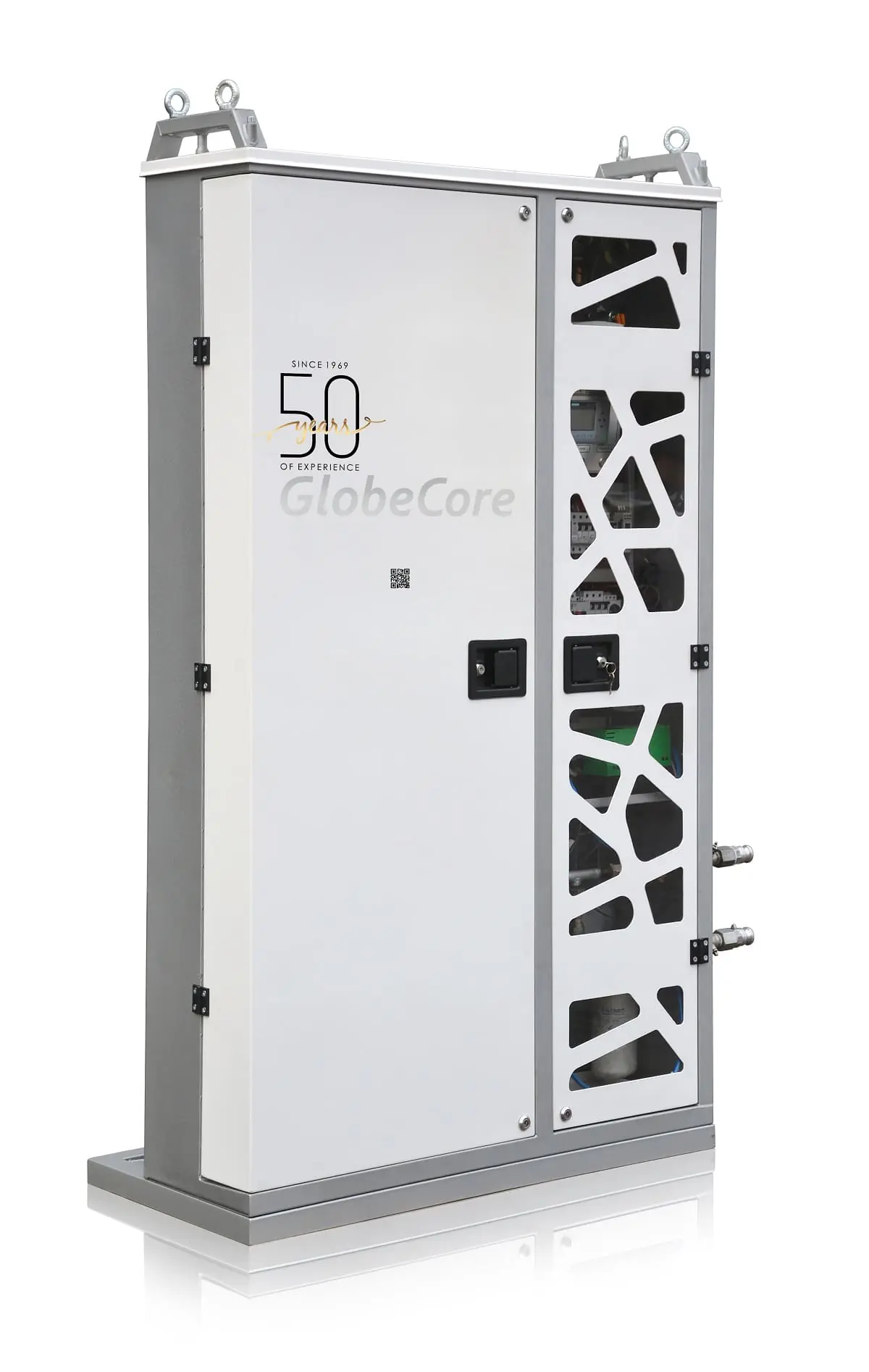
From a practical perspective, the TOR-5 system is usually designed as a compact, cabinet-based unit with straightforward hydraulic and electrical interfaces, which allows it to be deployed both in new substations and retrofitted into existing assets without major modifications.
The image below shows a typical configuration of the TOR-5 online transformer monitoring system as installed in an industrial environment.Attachments:
-
July 6, 2026 at 11:25 am by 後藤 零
You’re correct that the real value is in how the monitor is tied into the substation control and maintenance architecture rather than just the sensor suite. The TOR-5 collects minute-by-minute oil and environment parameters at the sensor layer (oil temperature, water content, relative humidity, hydrogen, etc.) and sends those data to a web/cloud platform via a high‑speed router using Modbus/RS485 at the sensor side and HTTPS over mobile networks for cloud delivery. For SCADA/local control integration the common approach is to expose data via a local gateway or protocol translator (Modbus RTU/TCP, or an IEC/OPC interface where required) so alarms, trend series and event logs can be consumed by the station RTU/SCADA. Time sync (NTP/GPS), mapped alarm priorities, event tagging and robust logging let operators correlate oil-condition trends with load cycles and switching events for true predictive maintenance.
From a practical commissioning and operational standpoint, treat TOR-5 as a compact, cabinet-based subsystem: confirm hydraulic connections (hoses/camlocks), electrical power and back‑up, ingress rating and cabinet location, and provide secure network connectivity (VPN/firewall, TLS) and an agreed alarm escalation/acknowledgement workflow. Define thresholds, operator-in-the-loop rules and interlocks for the automatic oil-filtration/dehydration function so processing actions are safe and auditable, and run integration tests to validate SCADA point mapping, historian storage and event correlation. With those steps in place you get continuous remote visibility, trend-based diagnostics and the ability to close the loop from detection to corrective oil treatment without taking the transformer offline.