

Hydraulic oil moisture and particles
Portable hydraulic oil moisture and particle tester price
- This topic has 3 replies, 4 voices, and was last updated 1 week, 6 days ago by .
Answers
-
July 22, 2025 at 11:19 pm by Laura Schmidt
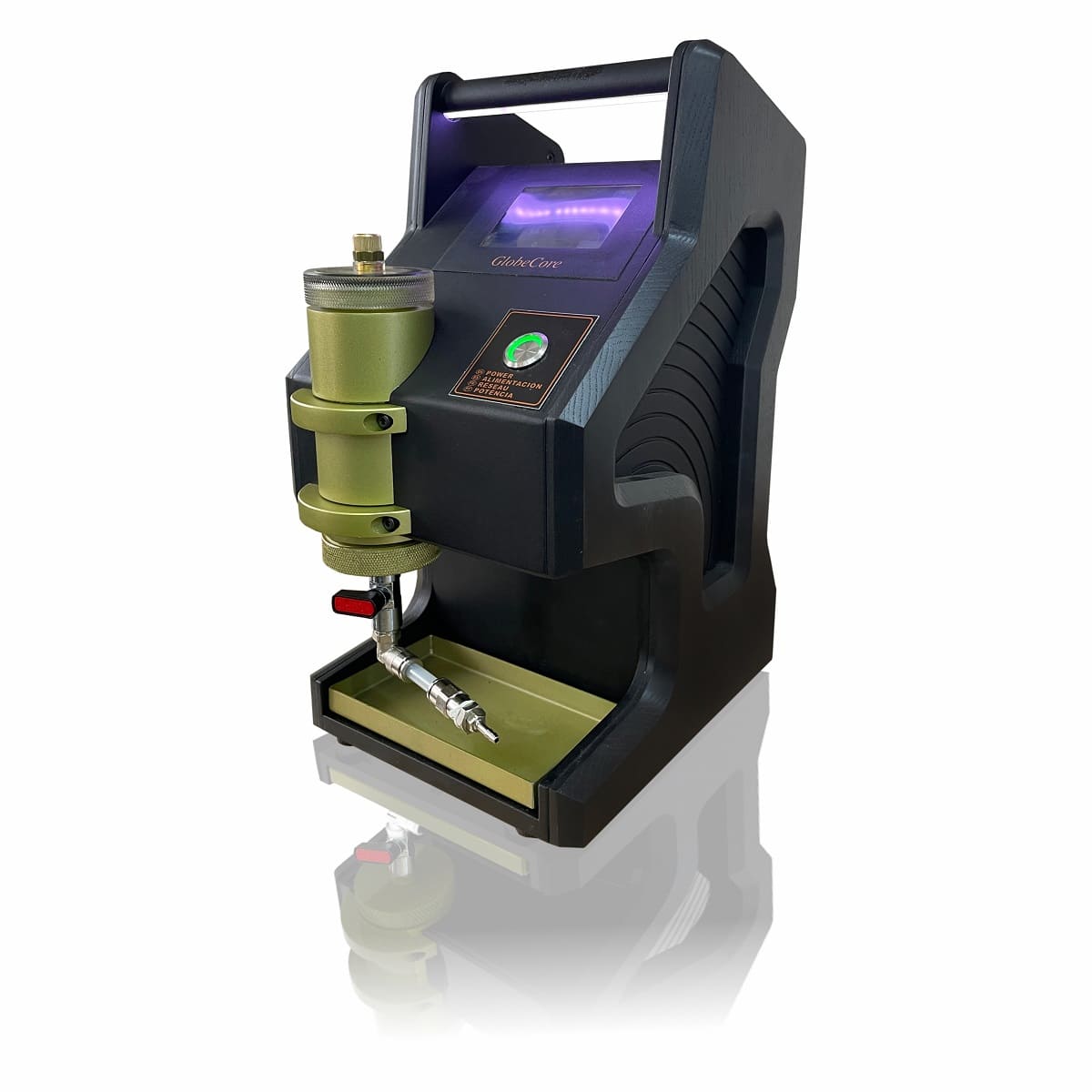
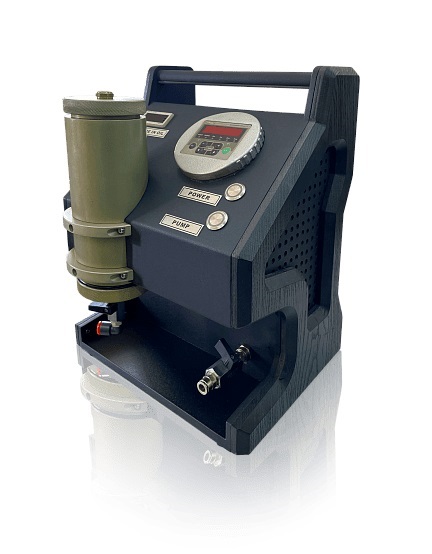
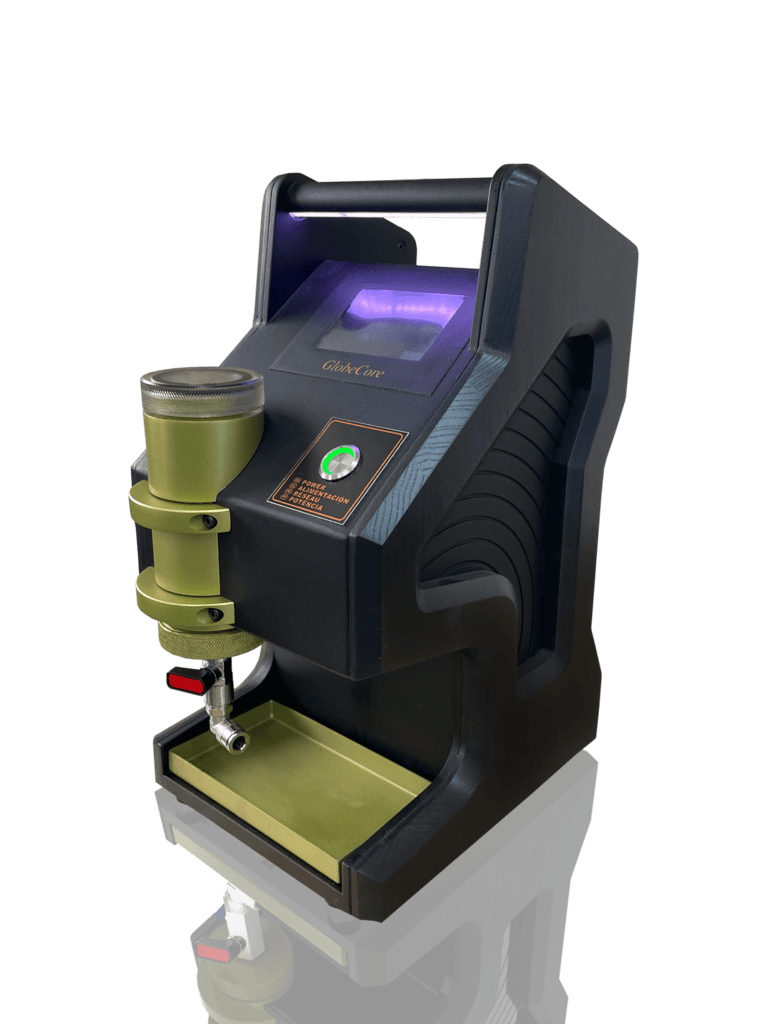
The cost of GlobeCore TOR-6 testers depends on configuration, but they help avoid high repair and downtime costs caused by contaminated hydraulic oil.
-
March 18, 2026 at 7:52 am by Craig Price
When discussing price, it’s also important to look beyond the initial cost of the device and consider the cost of delayed diagnostic evaluation. In hydraulic systems, even a small increase in contamination with moisture and particles can accelerate wear and lead to unplanned downtime, which is often far more expensive than the actual analyzer.
For this reason, many companies evaluate these devices not just as measuring instruments, but as part of a preventive maintenance strategy. A portable tester that can quickly measure both moisture (in ppm or as water activity) and contamination levels according to standards such as ISO 4406 allows operators to make immediate decisions on filtration or oil replacement directly on-site, without waiting for lab analysis.
In that context, the price for such equipment becomes easier to justify, since it helps avoid failures, extend oil service life, and maintain system reliability over time.
If you want to better understand what parameters these testers measure and how they are applied in practice, this article provides a clear technical overview: https://globecore.com/products/instruments/tor-6-transformer-oil-moisture-and-particles-tester/. -
March 18, 2026 at 8:01 am by Lucas Martins
You’re absolutely right — the sticker price is only part of the decision. For a portable on-site tester you want a unit that measures dissolved water (ppm or water activity) and provides particle counts expressed to industry standards such as ISO 4406 (and optionally NAS), with appropriate temperature/viscosity limits and sample-conditioning so readings from hydraulic fluids are valid. Keep in mind many compact analyzers are built for transformer insulating oil (examples include instruments that measure moisture, gases and particles) while portable filtration carts and polishing units address particulates (cartridge filtration) and other equipment handles moisture removal (vacuum dehydration), so confirm fluid compatibility and what corrective action you’ll take on the spot.
GlobeCore doesn’t publish list prices for these testers — costs vary by configuration, sensor options and flow/throughput — and are typically in the mid-range industrial equipment category depending on features. When you evaluate suppliers, compare total cost of ownership (purchase, consumables, calibration, training and service) against the avoided cost of unplanned downtime, premature component wear and oil replacement. Ask for demonstrations, specification sheets showing ppm and ISO 4406 ranges, calibration certificates, and references from users with hydraulic systems. If you’d like, I can help you draft a short vendor questionnaire or a simple ROI example to compare devices and justify the investment.