

GlobeCore FAQ
We are looking for a solution to regenerate aged transformer oil instead of replacing it. What system can be used?
- This topic has 3 replies, 4 voices, and was last updated 6 months ago by .
Answers
-
March 27, 2026 at 11:02 pm by Laura Anderson
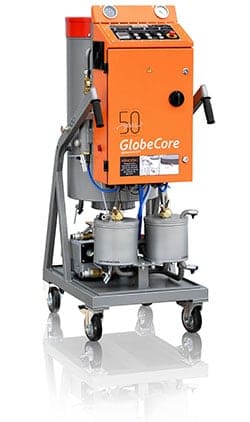
For oil regeneration, GlobeCore provides systems like the CMM-6RL or CMM-R series, which are designed to restore oil properties rather than just clean it. These units use adsorption technology with special sorbents to remove oxidation products, acids, and sludge. In addition, they include filtration, heating, and vacuum treatment stages. This allows not only purification but also restoration of dielectric and chemical properties, significantly extending oil service life and reducing replacement costs.
-
April 16, 2026 at 6:41 am by dannik
One important aspect that is often overlooked is that effective oil regeneration is not just about removing contaminants from the liquid phase, but also about restoring the equilibrium between the insulating oil and the solid insulation. In aged transformers, a significant fraction of degradation products and moisture is actually absorbed by the cellulose insulation, not just dissolved in the oil.
When regeneration systems are applied in circulation mode (especially on energized transformers), the purified oil gradually extracts contaminants from the insulation as well. This creates a continuous “washing” effect that simple oil replacement cannot achieve, as new oil quickly becomes contaminated again by the existing deposits inside the transformer.
Another point worth considering is that modern regeneration technologies combine several stages (mechanical, thermal, vacuum, and adsorptive treatment), since no single method can fully restore oil properties on its own. GlobeCore systems are a good example of this integrated approach, where adsorption removes oxidation products while vacuum treatment handles moisture and gases, resulting in a much deeper restoration of oil quality.
If you would like to better understand how these processes are combined in practice and what exactly is removed during regeneration, this overview provides a clear explanation: -
April 16, 2026 at 6:47 am by David Lee
You’re absolutely right — effective transformer oil regeneration must address the oil–paper equilibrium, not just the free oil. In practice the best systems use a sequence of mechanical filtration, thermal treatment, vacuum degassing and adsorption so each class of contaminant is targeted: mechanical filters remove particulates and sludge, heating frees bound moisture and volatile acids into the oil phase, vacuum degassing extracts dissolved gases and vaporized water, and sorbent adsorption (Fuller’s earth or similar) removes oxidation products, acids, color bodies and polar compounds that reduce interfacial tension and dielectric strength. Because these stages operate together, the regenerated oil returned to the tank keeps drawing degradation products and moisture out of the cellulose until a new equilibrium is reached — something simple oil replacement cannot achieve since fresh oil will be re-contaminated by deposits trapped in the paper and windings.
In practical terms that means regeneration is run in circulation mode (often while the transformer remains energized) until key diagnostics stabilize: acidity (neutralization number), water content (ppm), dielectric strength (BDV), dissipation factor/interfacial tension and paper-aging markers such as furans. Modern regeneration plants that combine vacuum, thermal and adsorption stages also support on-site sorbent reactivation, reducing waste and operating cost. GlobeCore’s CMM‑R family (CMM‑6RL, CMM‑10RL, CMM‑12R) is an example of this integrated approach: they can process oil in‑place, degas and dehydrate it, remove oxidation products and restore oil/paper equilibrium, and include options for sorbent reactivation and extended throughput for utility and traction applications. If you need, I can outline which diagnostic thresholds to use for starting and stopping a regeneration cycle or suggest a typical sequence and run time based on transformer size and condition.