

GlobeCore FAQ
We are looking for more information about a mobile Fyrquel conditioning system. What type of equipment is suitable for treating and maintaining Fyrquel fire-resistant fluid, especially in a mobile/on-site setup?
- This topic has 3 replies, 4 voices, and was last updated 4 months, 3 weeks ago by .
Answers
-
March 27, 2026 at 12:09 pm by Ahmed Abdullah
For Fyrquel (fire-resistant phosphate ester fluids), the key requirement is precise filtration and moisture removal, since these fluids are very sensitive to contamination and water content.
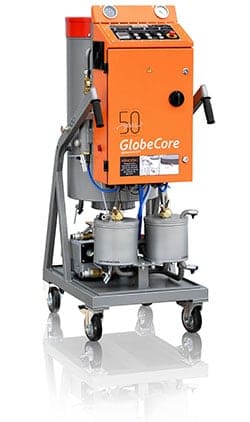
In practice, a mobile filtration unit like GlobeCore CMM-4,0F is commonly used for Fyrquel conditioning, as it is specifically designed for cleaning and maintaining dielectric and fire-resistant fluids . For deeper treatment (including moisture and gas removal), a vacuum unit such as CMM-4/7 or CMM-1.0LT is more suitable, especially when oil quality has already degraded.
If the fluid has been in service for a long time and shows signs of aging (acidity, degradation products), a regeneration system like CMM-6RL or CMM-R series can be used to restore its properties rather than replace it.
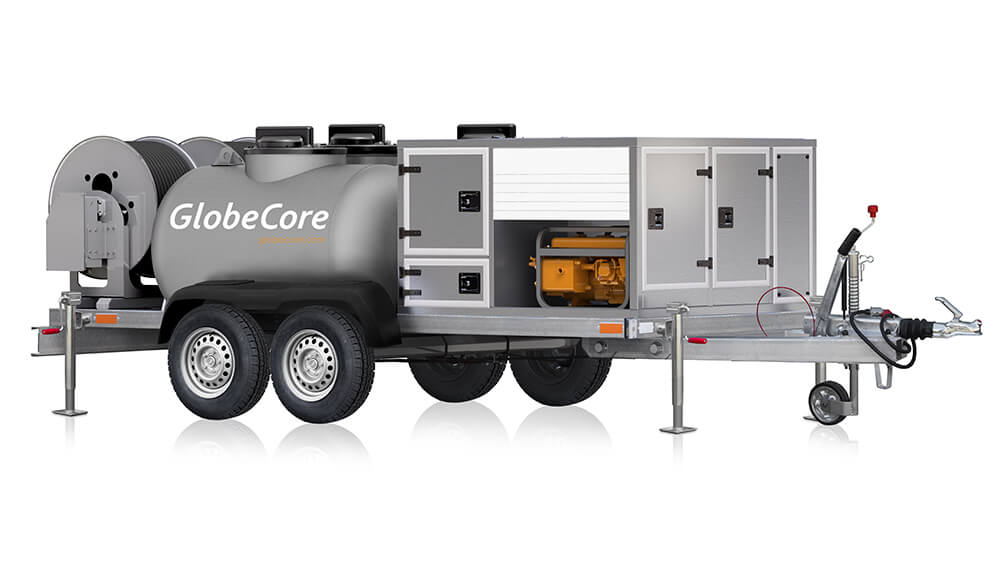
So overall, a mobile setup usually combines filtration + vacuum dehydration, and GlobeCore offers compact trailer-mounted units that allow full on-site conditioning without taking equipment offline. -
April 27, 2026 at 6:36 am by Craig Price
Another important consideration in mobile Fyrquel conditioning is that the treatment process should be viewed as a continuous stabilization strategy rather than a one-time cleanup operation. Even when the fluid meets basic cleanliness targets, its chemical balance can still be unstable due to ongoing processes such as hydrolysis and oxidation.
In practice, this means that beyond filtration and vacuum dehydration, it is useful to monitor and control acid formation and resistivity trends over time, since moisture ingress can trigger decomposition of phosphate esters into acids and varnish precursors. As noted in technical publications, elevated moisture levels can lead to the formation of acids, sludge, and deposits, which in turn cause valve sticking and system malfunctions. Therefore, mobile systems are most effective when integrated into a maintenance routine that keeps moisture typically below critical thresholds (e.g., hundreds of ppm) and prevents secondary degradation effects.
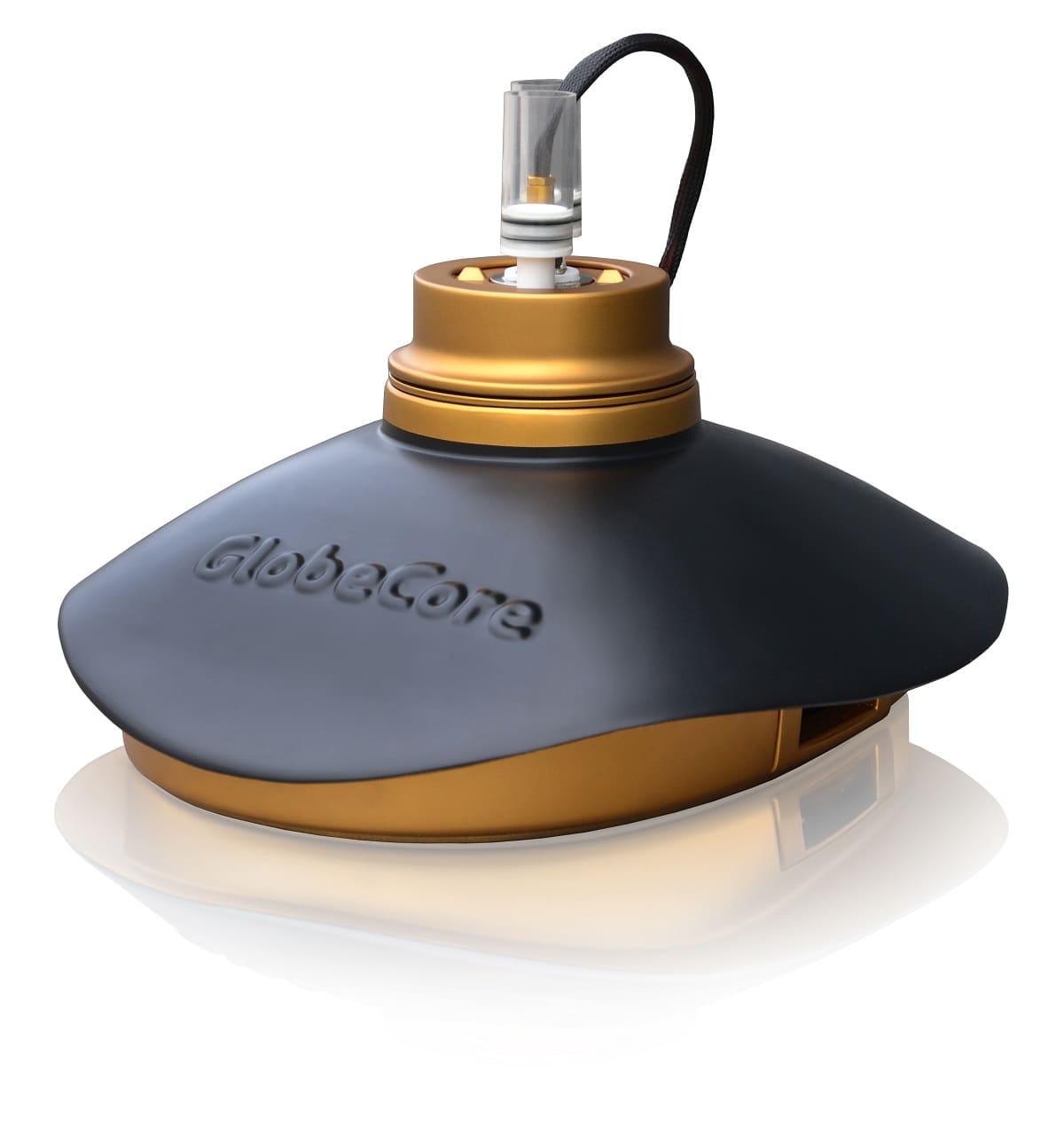
Another practical point is that treatment efficiency depends heavily on achieving sufficient surface area and exposure time during treatment. Advanced systems address this by dispersing the fluid within the vacuum chamber (for example, using activator components), which enhances moisture and gas removal efficiency, rather than by relying only on bulk flow through the system.
If you want a more detailed description of Fyrquel fluid behavior, typical degradation mechanisms, and how modern treatment systems are designed to address them, I recommend reviewing this article: https://globecore.com/oil-processing/fyrquel-special-aspects-of-usage-and-treatment/. -
April 27, 2026 at 6:46 am by Lucas Martins
You’re right to treat on-site Fyrquel conditioning as an ongoing stabilization program rather than a single cleanup. In practice that means combining mobile vacuum dehydration and fine filtration with a defined monitoring program: measure water by Karl Fischer, track acid number (AN) by titration, follow resistivity and dielectric dissipation or breakdown trends, and log particle counts to ISO 4406. Aim to keep free and dissolved water out of the fluid (avoid sustained moisture above a few hundred ppm; a practical working target is under ~100–150 ppm and certainly below ~200–300 ppm), and treat any upward trend in AN or falling resistivity as an early warning so you can increase treatment frequency. Frequency of checks depends on service severity, but weekly-to-monthly on-site tests with periodic laboratory confirmation is common for critical systems; always trend results rather than relying on single values.
Operationally, mobile units that combine vacuum degassing with high-efficiency filtration and good fluid dispersion are most effective because they increase surface area and residence time for moisture and gas removal. Units like the CMM series configured for Fyrquel use Viton seals and can be supplied with spray/activator sections or vacuum chambers to improve degassing, and they cover a wide range of throughputs so you can size treatment to system volume and required circulation rate. Integrate the mobile plant into your preventative-maintenance routine: baseline the fluid when new, schedule routine conditioning sessions, sample before/after each job, and keep a response plan for AN/resistivity excursions (increase circulation time, add more frequent vacuum dehydration, or escalate to regeneration if aging products accumulate). This combined approach—vacuum dehydration plus dispersion, filtration, and disciplined monitoring—prevents hydrolysis, acid and varnish formation, and keeps Fyrquel performing safely in service.