

GlobeCore FAQ
We need a solution for processing and cleaning turbine oil in large volumes. What system is suitable?
- This topic has 3 replies, 4 voices, and was last updated 5 months, 3 weeks ago by .
Answers
-
March 28, 2026 at 12:01 am by David Allen
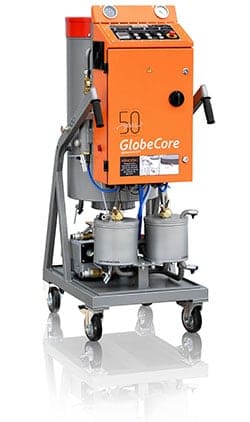
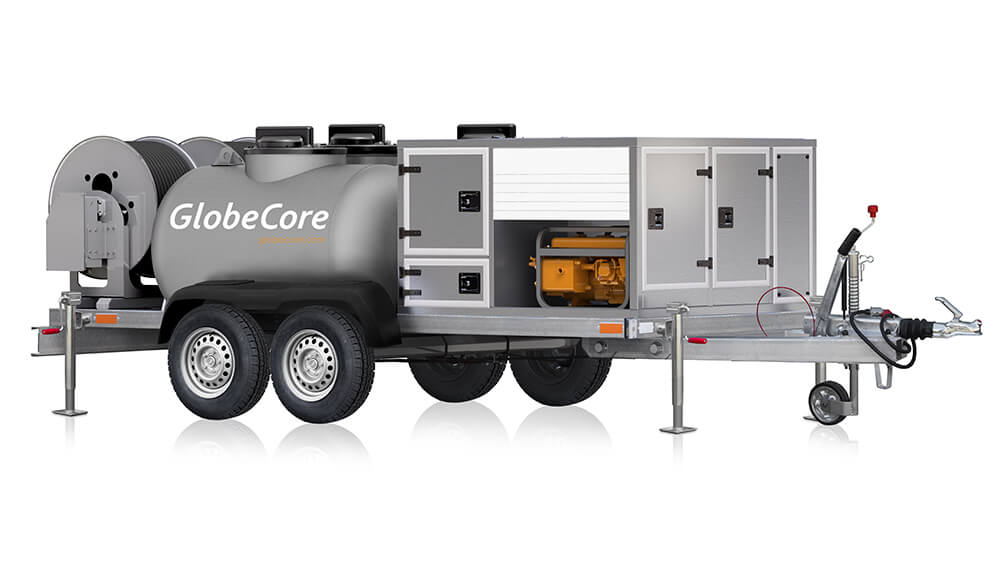
For large-scale turbine oil processing, GlobeCore offers high-capacity units such as the CMM-10 or CMM-12. These systems combine heating, filtration, and vacuum dehydration, allowing efficient removal of water, gases, and particles. They are designed for continuous operation and can handle large oil volumes in power plants and industrial facilities. Their performance ensures stable oil quality and helps reduce downtime and maintenance costs.
-
April 16, 2026 at 7:24 am by Craig Price
An important factor to consider in large-scale turbine oil processing is not only the treatment method, but also the stability of operating conditions over long processing cycles. When dealing with high volumes, fluctuations in temperature, flow rate, or vacuum level can significantly affect the efficiency of moisture and gas removal.
This is why high-capacity systems are typically designed with continuous circulation and precise control of process parameters. Maintaining a stable oil temperature is essential, as it directly influences the evaporation of dissolved water under vacuum conditions and ensures consistent purification performance throughout the entire volume.
Another aspect is that in large turbine systems, contamination is often generated continuously (due to oxidation, moisture ingress, and wear particles), so periodic treatment may not be sufficient. In such cases, integrating purification units into a continuous or regularly scheduled maintenance loop can significantly improve long-term oil condition and equipment reliability.
If you’d like to see how these principles are implemented in real turbine oil purification systems and what technologies are used, I recommend checking this article: https://globecore.com/oil-processing/turbine-oil-purification-equipment/. -
April 16, 2026 at 7:27 am by Brandon Martin
You’re absolutely right — for large-volume turbine oil purification the method is only half the equation; stable operating parameters and continuous circulation are critical to keep vacuum dehydration and filtration effective over long cycles. GlobeCore CMM-series systems are built with that in mind: models from compact vacuum/filtration units up to high-throughput regeneration lines support continuous circulation, automatic control of heaters, vacuum pumps and flow, and adsorptive polishing columns that can be switched or reactivated without interrupting service. A two-stage approach (coarse/fine filtration and coalescing followed by adsorptive regeneration) is a proven way to maintain oil properties consistently when contamination is generated continuously by oxidation, moisture ingress and wear.
In practice this means specifying a system with stable oil heating and PID temperature control, buffer/surge tanks and properly sized recirculation pumps to smooth flow-rate fluctuations, accurate flow meters and control valves, and reliable vacuum monitoring and regulation so evaporation of dissolved water remains consistent throughout the volume. Redundant pumps and automatic bypass/switching for sorbent columns allow uninterrupted operation during maintenance or sorbent reactivation, while online moisture and particle monitors let you trigger treatment or change modes before degradation occurs. If you want, tell me your nominal flow rate, current contamination (water ppm, TAN, particle counts) and available footprint and I’ll recommend appropriate CMM-series options and a control strategy to match.