

Oil bleaching
What adsorbents are used in the oil bleaching process?
- This topic has 5 replies, 5 voices, and was last updated 4 months, 2 weeks ago by .
Answers
-
October 7, 2024 at 4:59 pm by Christopher Hansen
Common adsorbents used in the oil bleaching process include bleaching earth, activated carbon, and silica. Bleaching earth is widely used for its effectiveness in removing pigments and impurities, while activated carbon is better for removing organic compounds and improving oil color.
-
March 24, 2026 at 8:46 am by Craig Price
A useful point to add is that, beyond the commonly mentioned adsorbents, the selection and combination of materials play a critical role in achieving the desired oil quality. In practice, adsorbents are often used not individually, but in carefully balanced blends. For example, activated carbon is rarely applied alone — it is typically combined with bleaching earth to enhance the removal of specific contaminants such as polycyclic aromatic hydrocarbons (PAHs) and trace metals, significantly increasing overall adsorption efficiency.
Another important consideration is that different adsorbents target different types of impurities. Silica-based adsorbents, for instance, are particularly effective for removing polar compounds such as phospholipids and soaps, while clay-based materials (like Fuller’s earth) are more versatile and widely used due to their combined adsorption, ion-exchange, and catalytic properties. For this reason, modern oil bleaching processes are often designed as multi-stage or hybrid systems, where each adsorbent contributes to a specific purification task.
If you’d like to see how Fuller’s earth and related adsorbents are applied in real industrial systems, including their role in continuous purification and regeneration processes, this article provides a detailed overview: https://globecore.com/oil-processing/oil-purification-with-fullers-earth/. -
March 24, 2026 at 8:54 am by Brian Allen
The primary adsorbents used in oil bleaching are bleaching earth (Fuller’s earth), zeolites, silica gel and, where needed, activated carbon. Fuller’s earth is the workhorse for decolorization and impurity removal and can be reactivated and reused in continuous base‑oil bleaching systems, while zeolites and silica gel are commonly used in cartridge‑type drying/adsorption stages. Cartridges and beds are routinely filled with one or more of these materials, so systems can be configured for drying, moisture removal and specific adsorption tasks.
Selection and combinations are critical: adsorbents are seldom used in isolation but as balanced blends or staged treatments. Silica‑based sorbents target polar contaminants such as phospholipids and residual soaps, clay‑based Fullers provide adsorption, ion‑exchange and catalytic action, and activated carbon is normally paired with bleaching earth to boost removal of organics like PAHs and certain trace metals. Modern bleaching lines are therefore designed as multi‑stage or hybrid processes with periodic sorbent regeneration or replacement to meet the required oil quality. If you want, I can recommend specific adsorbent blends or a stage sequence for your contaminant profile and equipment.
-
May 22, 2026 at 7:09 am by Craig Price
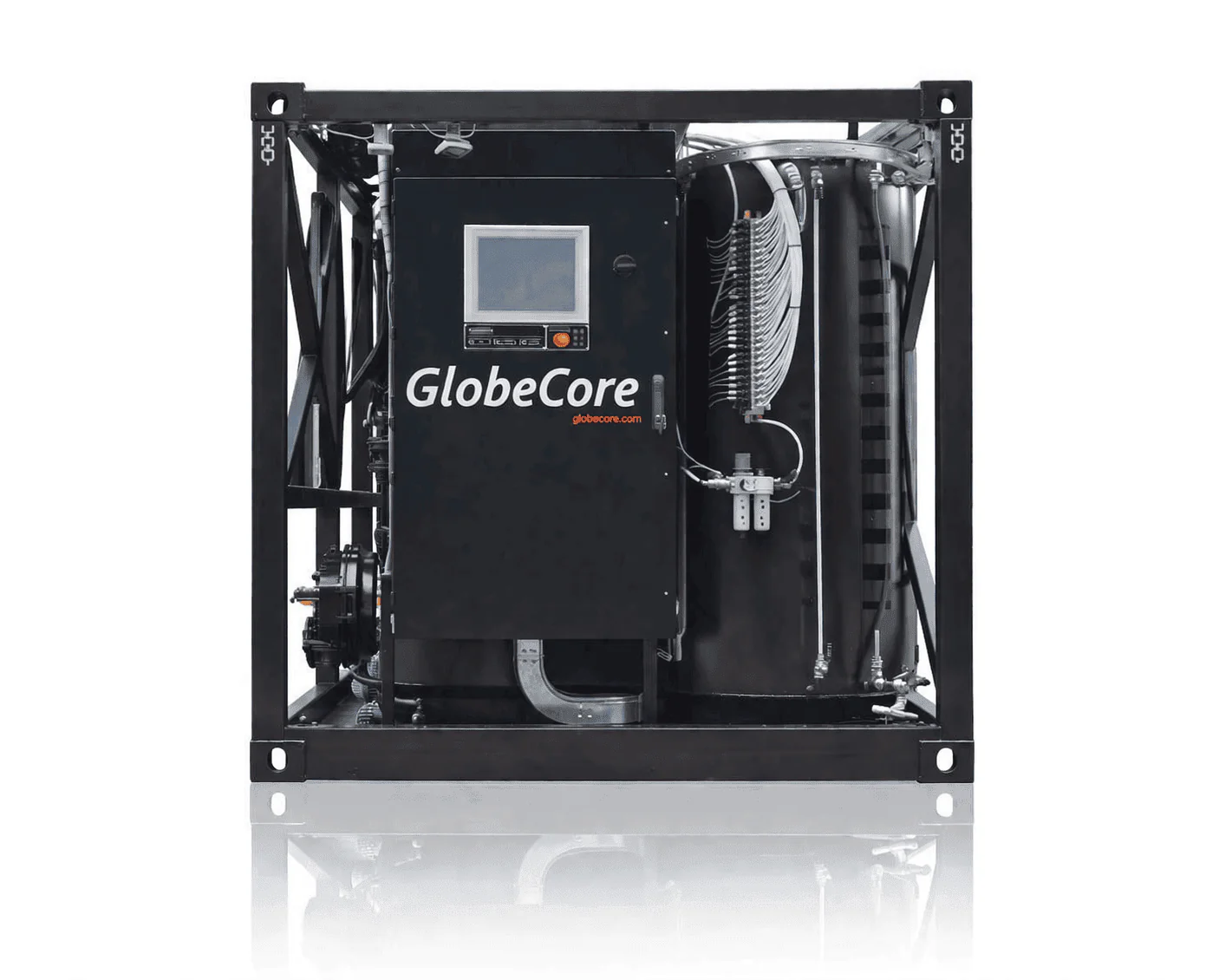
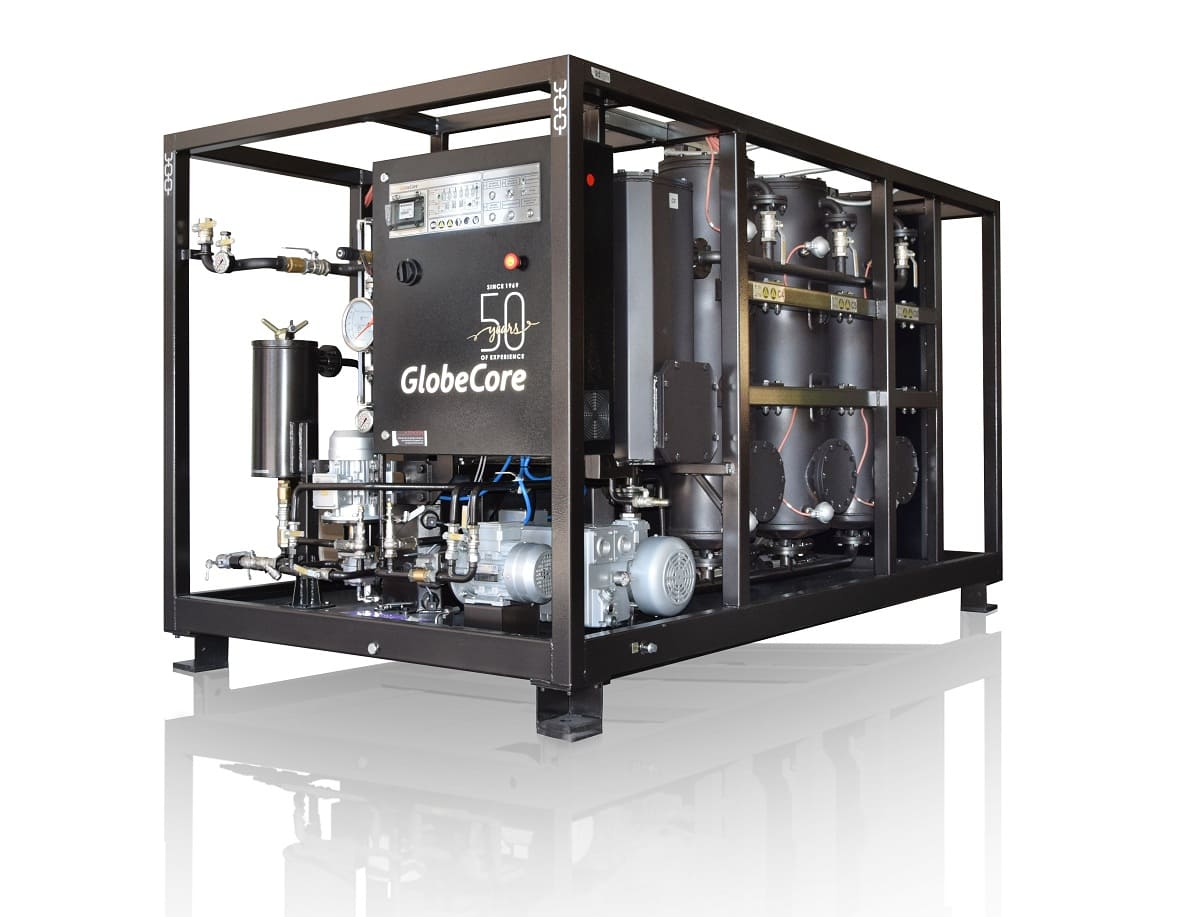
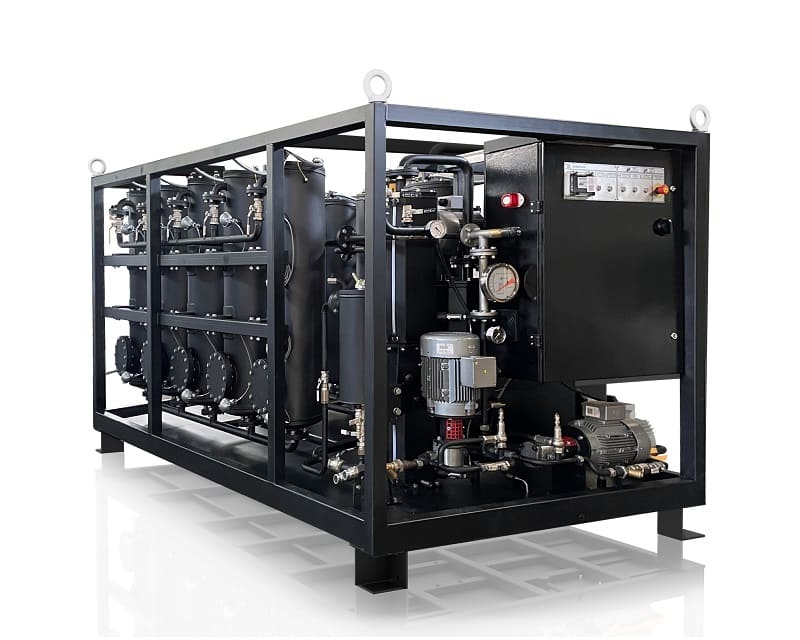
In addition to the typical adsorbents mentioned, modern oil bleaching systems such as the CMM-12R optimize the use of these materials through precise temperature control, vacuum operation, and continuous circulation. This ensures maximum removal of pigments, oxidation products, and other impurities, resulting in higher-quality oil. The image below illustrates the CMM-12R plant, giving a clear view of its compact design and field-ready functionality for effective oil bleaching.
Attachments:
-
May 22, 2026 at 7:13 am by Jason Taylor
That’s exactly right — modern skid-mounted plants like the CMM-12R pair proven adsorbents (Fuller’s earth/microporous sorbents, zeolites, silica gel and, when required, activated carbon) with process control — precise temperature, deep vacuum and continuous circulation — to maximize adsorption kinetics, moisture and gas removal, and overall decolorization/regeneration efficiency. Elevated temperature lowers oil viscosity and speeds mass transfer to sorbent surfaces, vacuum strips free and dissolved water and gases and prevents re-oxidation, and continuous circulation ensures repeated contact with fresh sorbent surface; combined with periodic sorbent reactivation (CMM‑12R systems support many reactivation cycles) this yields restored dielectric properties and lower acidity for transformer and base oils.
The photo you attached highlights the compact, field‑ready skid and piping/control layout typical of these units. For best results, couple the unit with a coarse prefilter to remove solids, monitor moisture (ppm), acidity and dielectric breakdown to time reactivations, and use staged or blended sorbents (clay + activated carbon for organics/PAHs, silica/zeolite for polar compounds and drying) to target specific contaminants. If you want, I can review the image in detail and suggest specific adsorbent blends or operating checks based on your oil type and contamination profile.