

Diesel bleaching
What are the latest advancements in diesel fuel polishing technology?
- This topic has 6 replies, 6 voices, and was last updated 1 month, 2 weeks ago by .
Answers
-
October 7, 2024 at 9:29 am by Tyler Hill
Recent advancements in diesel fuel polishing technology include automated systems with real-time monitoring, advanced multi-stage filtration, and mobile fuel polishing units. These innovations improve fuel quality, reduce downtime, and enhance system efficiency by providing continuous purification.
-
July 9, 2026 at 1:53 pm by Craig Price
The development of diesel fuel polishing systems is moving toward more efficient, automated, and adaptable solutions. In addition to improved filtration technologies, modern systems are increasingly designed for flexible operation in different environments — from fuel storage facilities and backup power stations to industrial equipment fleets.
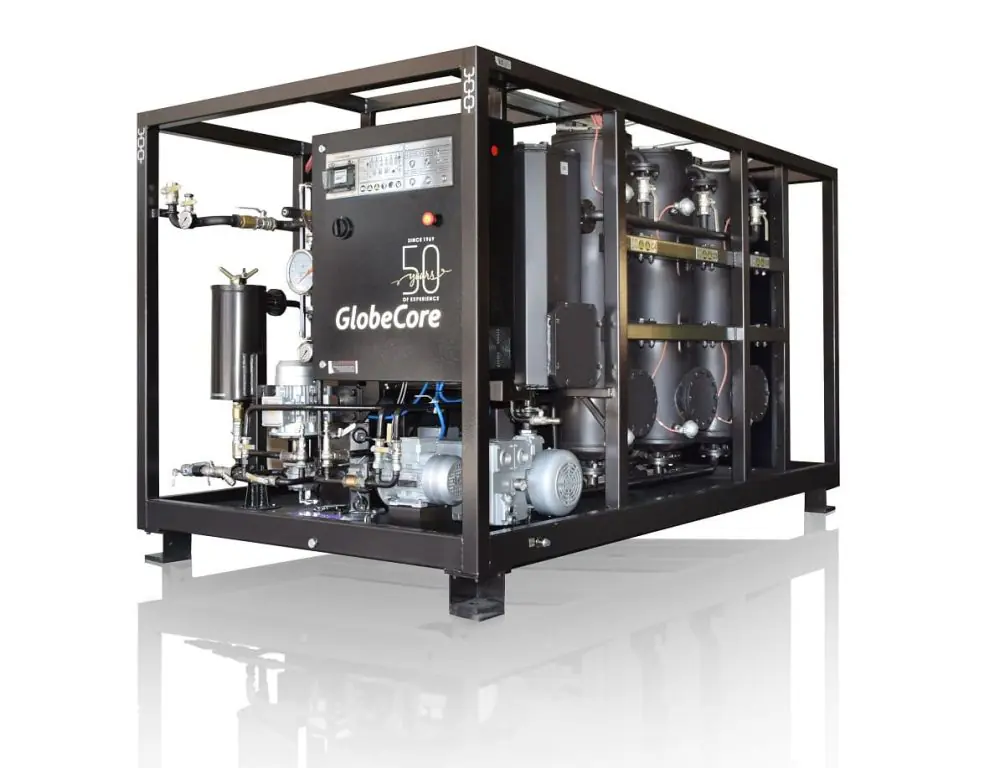
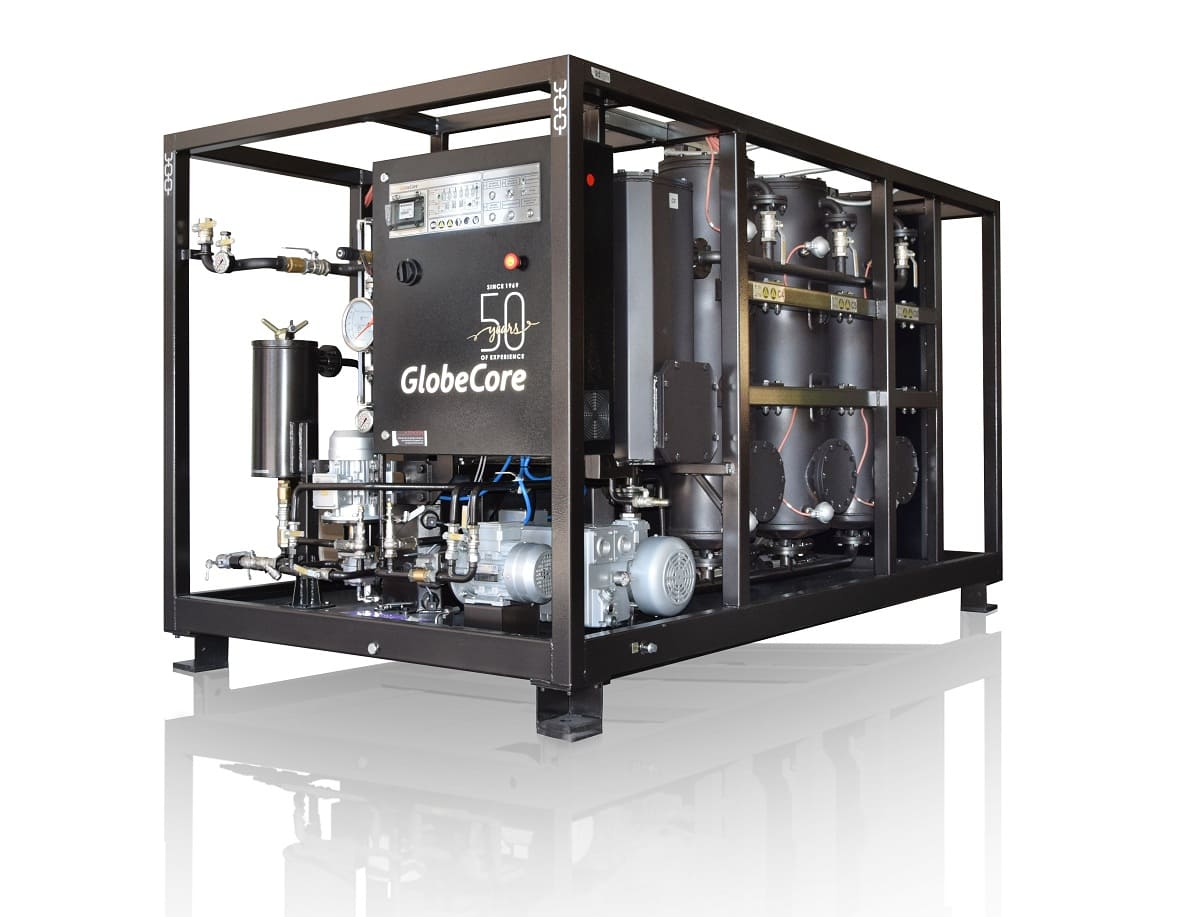
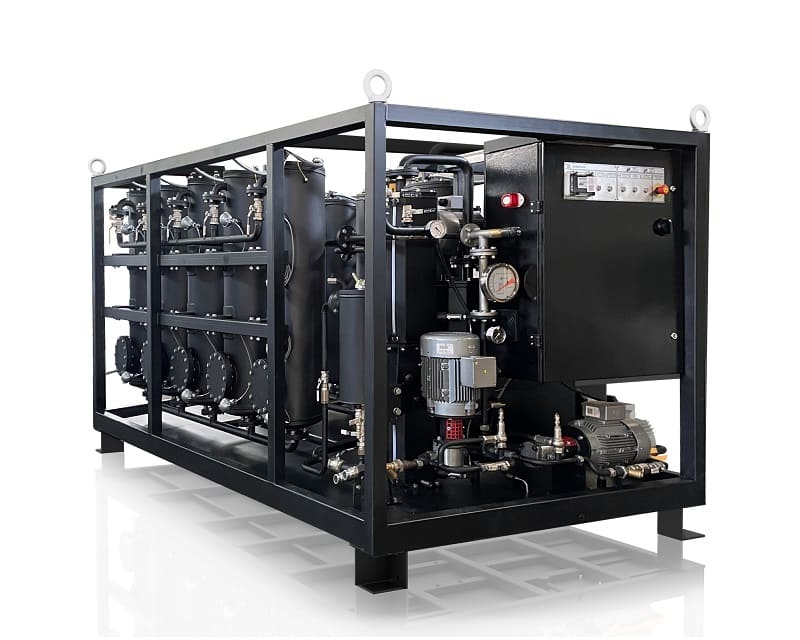
An important advantage of advanced polishing units is their ability to restore stored fuel quality without the need for complete tank draining or fuel replacement. The CMM-6RL diesel fuel polishing system demonstrates this approach by combining filtration and treatment technologies in a mobile configuration suitable for regular fuel maintenance and contamination control.Attachments:
-
July 9, 2026 at 2:08 pm by Plinio Arcos
Your summary is accurate: modern diesel fuel polishing is trending toward compact, mobile, automated systems that restore stored fuel quality in situ without tank draining. Systems like the CMM-6RL family use multi-column adsorption polishing (six adsorbent beds) to remove unsaturated/aromatic hydrocarbons, sulfur-, nitrogen- and acid-containing compounds, restoring color and combustion performance while operating as a mobile unit tied directly to storage tanks or fleet refueling points. Typical nominal throughput is around 45 m³/h with 380 V three‑phase power and touch‑panel automation for continuous polishing cycles, making them well suited for fuel storage facilities, backup generators and industrial fleets.
A key practical advancement is in-column sorbent reactivation: the adsorbent can be regenerated in place (hundreds of reactivation cycles), cutting consumable cost and downtime compared with throwaway sorbents. For best results, pair polishing with upstream pre-treatment (mechanical filtration and dehydration) to protect the adsorbent and maintain capacity, and rely on two‑stage neutralization (carbon filtration plus catalytic conversion) to control emissions from regeneration. In operation, schedule periodic polishing based on water and particulate monitoring, track sorbent reactivation cycles, and ensure proper combustion and emissions controls during reactivation to keep operations compliant and efficient.
-
August 17, 2026 at 9:38 am by Craig Price
Another important development is the shift toward extending the usable life of diesel fuel rather than simply replacing degraded stock. This is particularly relevant for strategic fuel reserves and standby power systems, where diesel may remain in storage for months or even years. Routine fuel conditioning can help prevent deposits and degradation products from reaching the fuel system components, thereby reducing the risk of clogged filters, unstable combustion, and unplanned generator downtime. It is also worth considering the economics of the entire fuel-management cycle. Technologies that allow the treatment media to be restored and reused can make periodic preventive polishing much more practical than waiting until fuel quality deteriorates to the point where disposal or replacement is required.
For a more detailed look at how adsorption-based polishing and sorbent reactivation are implemented in practice, this article provides a useful technical overview:
https://globecore.com/oil-processing/reactivation-clay-polishing-system-for-oils-and-fuels/. -
August 18, 2026 at 9:08 am by rost
How can routine fuel conditioning help reduce the risk of generator downtime and lower the overall cost of diesel fuel management?
-
August 18, 2026 at 9:16 am by Ashley Hall
Routine fuel conditioning directly lowers generator downtime and total fuel-management cost by preventing the root causes of fuel-system failures rather than reacting to them. Regular polishing removes free and emulsified water, particulates, gums and oxidation products and restores fuel chemistry so injectors, pumps and filters don’t clog or suffer from unstable combustion. Conditioning also suppresses microbial growth and removes polar/resinous degradation products that form during long storage, so you avoid frequent filter changes, injector repairs and unplanned generator outages. In-situ polishing lets you restore stored diesel without tank draining or wholesale replacement, minimizing operational interruption for standby or reserve fuel systems.
From an economic standpoint, using adsorption-based polishing with on‑column sorbent reactivation (so the media can be reused many hundreds of cycles) makes preventive conditioning affordable: consumable costs fall, disposal and replacement volumes drop, and preventive work replaces costly emergency overhauls. For best results integrate polishing into preventive maintenance: monitor water, particulates, TAN/color and fuel-test results; treat new deliveries before blending into storage; and schedule polishing at defined intervals or after any contamination event. Pair polishing with upstream mechanical filtration and dehydration to protect adsorbents and maximize throughput. The net effect is longer fuel life, fewer service interventions, higher generator availability and a lower total cost of ownership for diesel fuel management.