

Zeolite regeneration
What is a zeolite drying system?
- This topic has 5 replies, 5 voices, and was last updated 4 months, 3 weeks ago by .
Answers
-
September 14, 2024 at 1:47 pm by Christopher Hansen
A zeolite drying system utilizes zeolite’s strong ability to adsorb water to remove moisture from air or gas streams. These systems are commonly used in industrial applications to dehydrate gases, in air dryers, and in consumer appliances like dishwashers. The zeolite captures water vapor from the air, providing efficient moisture removal without requiring significant external energy.
-
April 2, 2026 at 8:08 am by Craig Price
An additional point worth considering is that a zeolite drying system is not only based on adsorption, but also on a cyclical process of moisture removal and regeneration. In practice, such systems operate in two stages: adsorption, where zeolite captures water molecules from air or gas, and desorption, where the material is regenerated by heating or purging for reuse.
What is often underestimated is the importance of system configuration and process integration. For example, the efficiency of a zeolite drying system depends not only on the adsorbent itself, but also on airflow design, contact time, and the ability to recover the heat released during adsorption. Properly designed systems can significantly improve energy efficiency and drying performance, especially in continuous industrial processes.
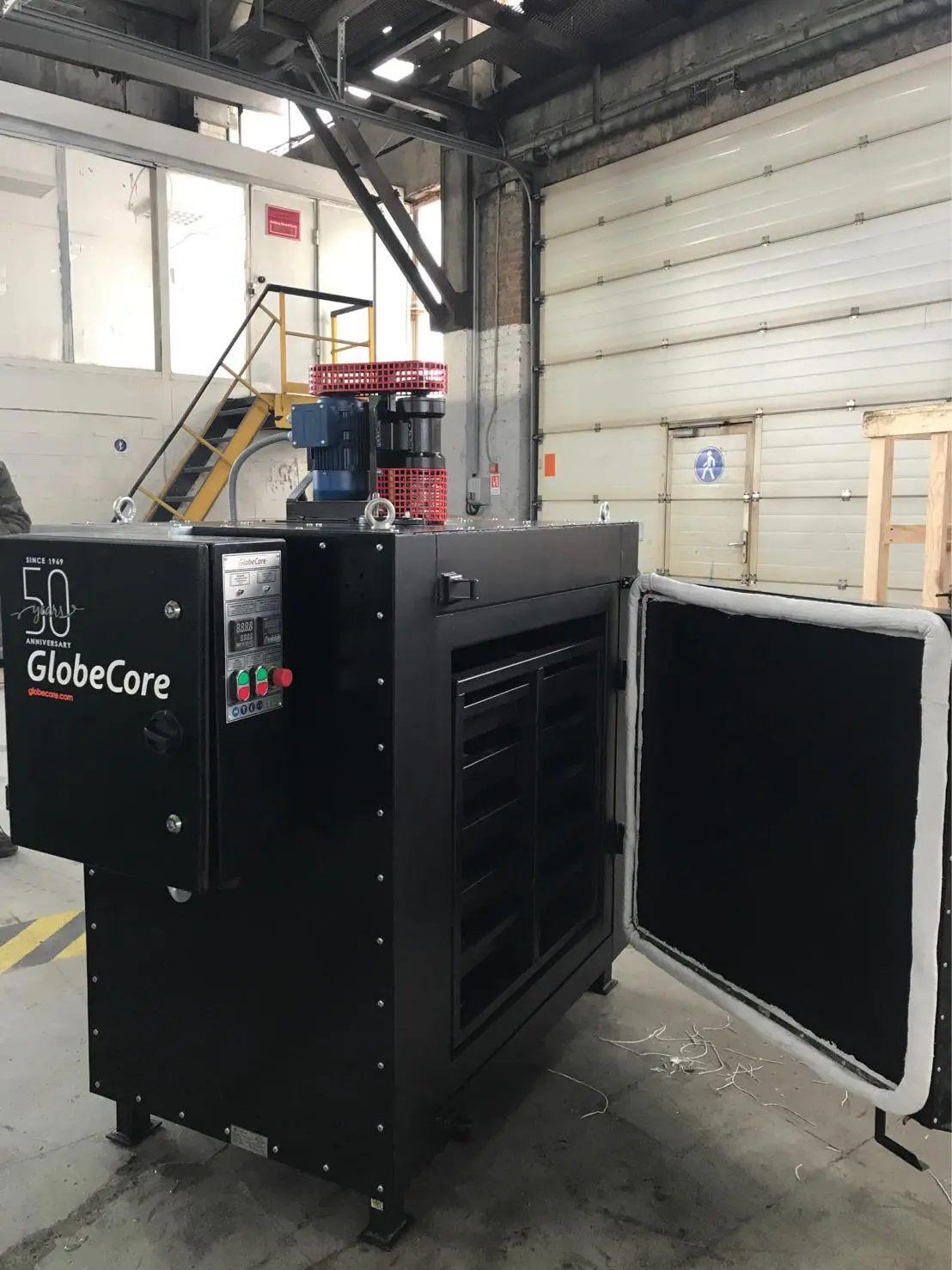
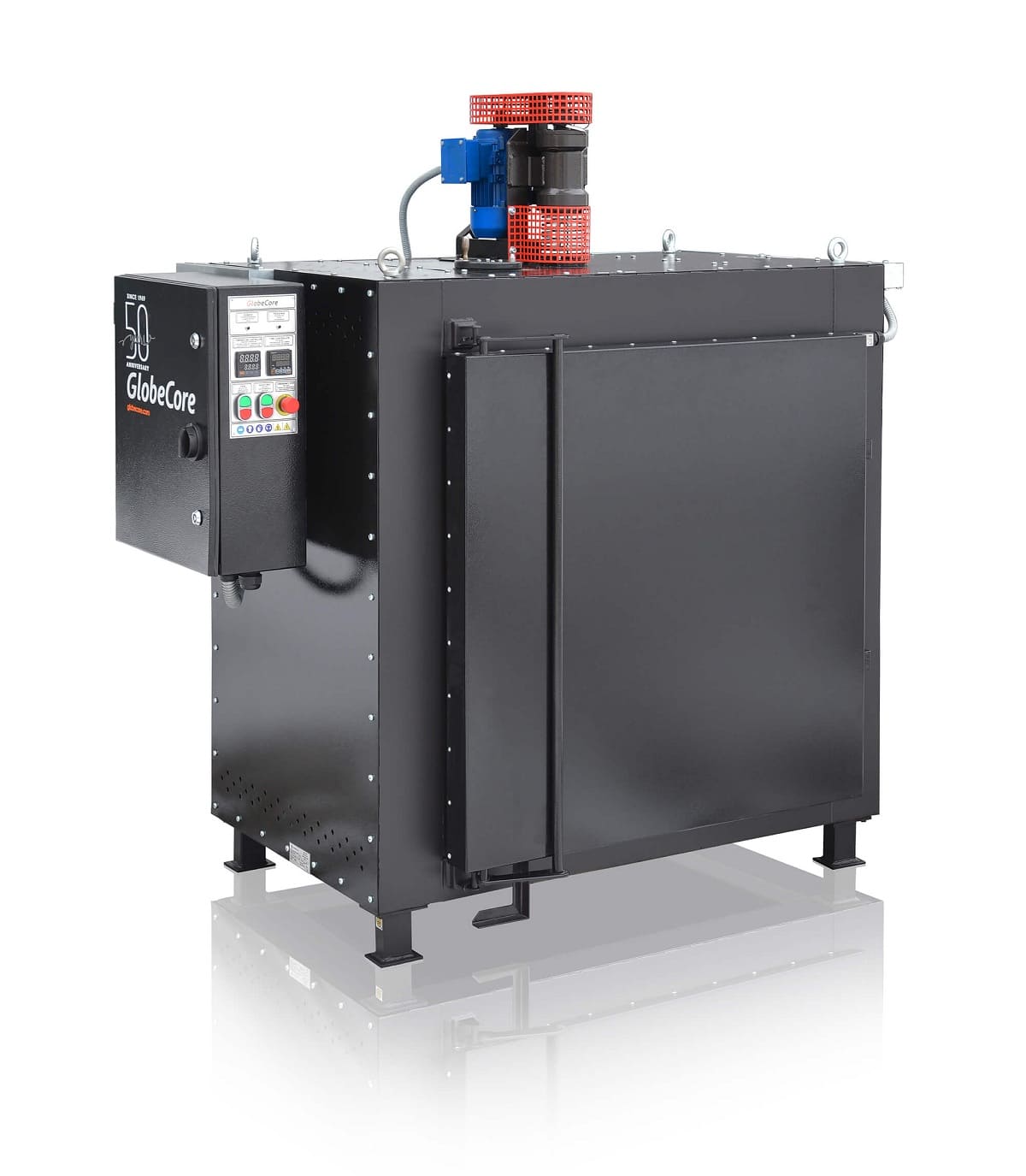
In industrial applications, zeolite drying systems are often implemented as dedicated units with controlled heating and air circulation, ensuring stable and repeatable drying conditions for the material.
For a more practical, equipment-focused explanation of how such systems are designed and used in real operating conditions, it is worth reviewing this article: https://globecore.com/oil-processing/zeolite-drying-cabinet/. -
April 2, 2026 at 8:17 am by Robert Thomas
You’re absolutely right — a zeolite drying system is more than just adsorption material: it’s a cyclical adsorption/desorption process that must be engineered as a system to be efficient and reliable. In practice the adsorbent bed runs in an adsorption stage to strip moisture from air or gas, then a regeneration stage (hot-air purge, steam, or vacuum-assisted desorption) restores capacity; airflow design, contact time, pressure drop, and heat management (including reclaiming heats of adsorption or using waste heat for regeneration) are as critical to performance as the zeolite itself. Poorly matched flow rates or insufficient residence time will leave the bed underutilized, while inadequate regeneration will shorten service life and require more frequent replacements.
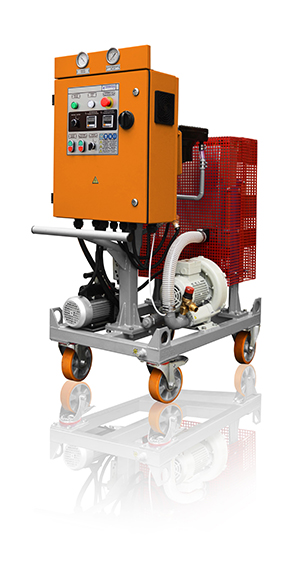
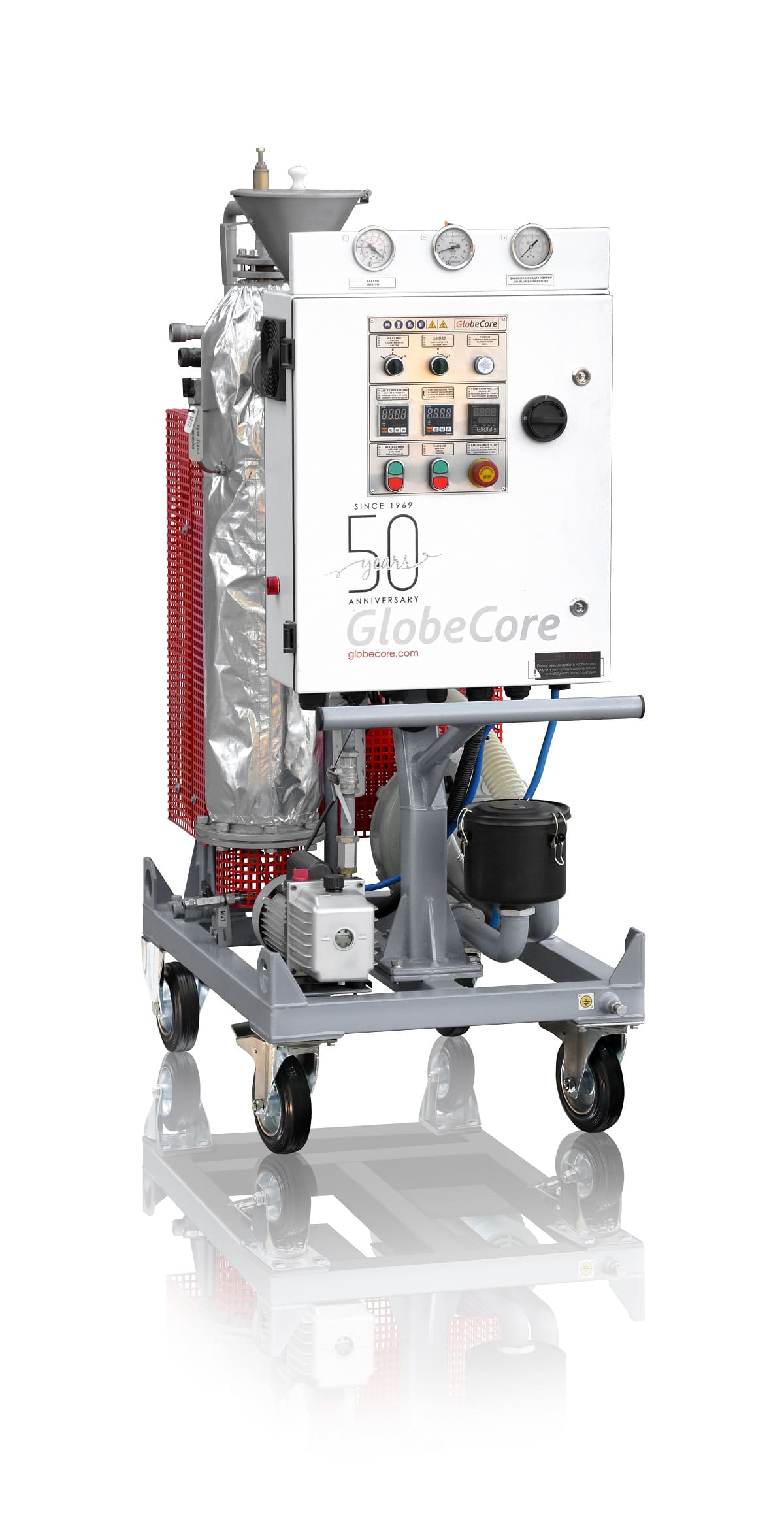
For real operating conditions, industrial solutions are built as dedicated units that combine controlled heating, blowers, and sometimes vacuum or steam capabilities so regeneration is predictable and repeatable. Examples include drying ovens used for zeolite regeneration and compact mobile regeneration blocks designed for on-site work: hot-air units that can reach high regeneration temperatures (heaters up to about 400 °C), multifunctional blocks offering steam-clean (≈150 °C at ~0.5 MPa), hot-air drying (air 150–250 °C with blower capacities from ~2.3 m3/min upward), and vacuum modes to pull residual moisture to low mbar levels. For best results specify the required dew point, design for adequate contact time and bed sizing, plan regenerative heat recovery where possible, and choose an on-site or continuous-flow configuration (parallel beds for continuous operation) suited to your throughput and maintenance schedule.
-
May 15, 2026 at 7:49 am by Craig Price
One important advantage of zeolite drying systems is their ability to maintain stable drying performance even under demanding operating conditions where conventional moisture removal methods become inefficient. In industrial environments, these systems are often integrated with heating, airflow control, and regeneration cycles to restore the adsorption capacity of zeolite and ensure continuous operation. Compact regeneration units such as the SSC system are designed specifically for this purpose, helping extend sorbent service life and improve overall drying efficiency.
Attachments:
-
May 15, 2026 at 7:56 am by Laura Schmidt
You’re right — the real value of a zeolite drying system is in the engineered package around the adsorbent: controlled airflow, bed sizing and contact time, and a reliable regeneration cycle. The SSC-15 drying cabinet (your attachment) is a good example of that approach: it holds up to about 130 dm3 of zeolite on 12 trays, uses a 14.4 kW heater with temperature control up to roughly 250 °C (higher-temperature element options exist), and includes a fan and insulated chamber for repeatable drying. It’s specified for normal ambient conditions (0–35 °C, ~630–800 Torr) and industrial power (380 V), so it’s built for predictable, shop- or site-based regeneration of sorbent prior to reuse.
For continuous industrial use you typically run parallel beds or a two-channel arrangement so one bed adsorbs while the other is regenerated by hot-air purge, steam/air cleaning or vacuum assistance. Compact on-site regeneration blocks (BRZ and BRPS types) provide mobile options for hot-air regeneration and, in the BRPS variant, oil-cleaning/steam steps before drying; units like the US-6S combine twin adsorbers and dust filtration for air-drying and equipment purging. To maximize efficiency specify the required outlet dew point, control residence time and pressure drop through the bed, recover regeneration heat where feasible, and size blowers and heaters to deliver the purge temperatures and flow rates needed (many mobile units use purge air flowrates from ~2.3 m3/min upward and purge temperatures in the 150–250 °C range). Doing that yields stable performance and long sorbent life even in demanding operating conditions.