

Wind turbine transformer oil
What is the process of dehydration in wind turbine transformer oil?
- This topic has 3 replies, 4 voices, and was last updated 4 months, 3 weeks ago by .
Answers
-
October 7, 2024 at 3:05 pm by 山本 修平
The dehydration process for wind turbine transformer oil involves removing moisture from the oil to prevent degradation of its insulating properties. Typically, a vacuum dehydration unit is used, where the oil is heated and passed through a vacuum chamber. The low pressure causes the moisture to evaporate and be extracted from the oil. This process ensures that the oil remains dry, preventing corrosion, oxidation, and other moisture-related issues within the transformer.
-
May 18, 2026 at 1:25 pm by Craig Price
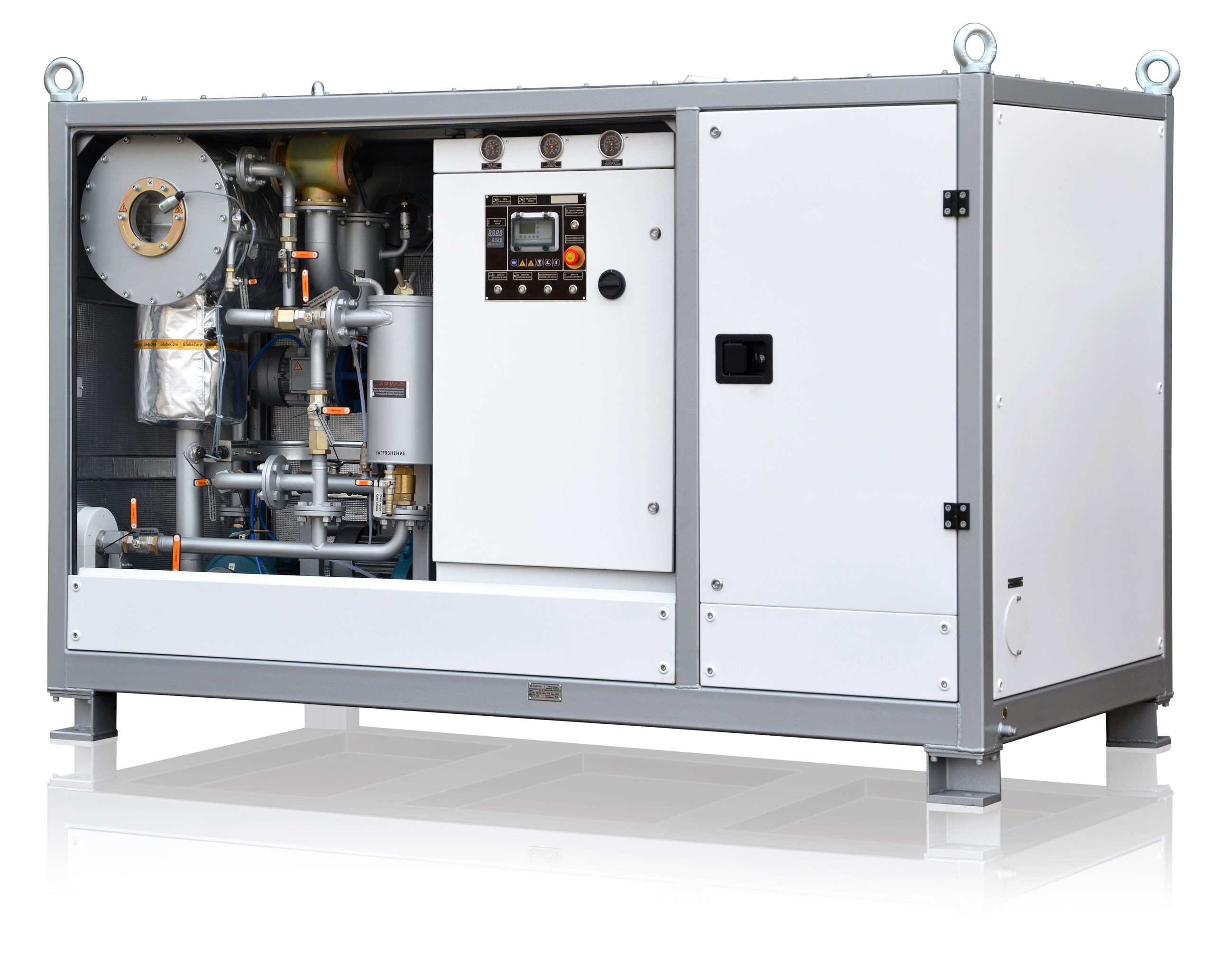
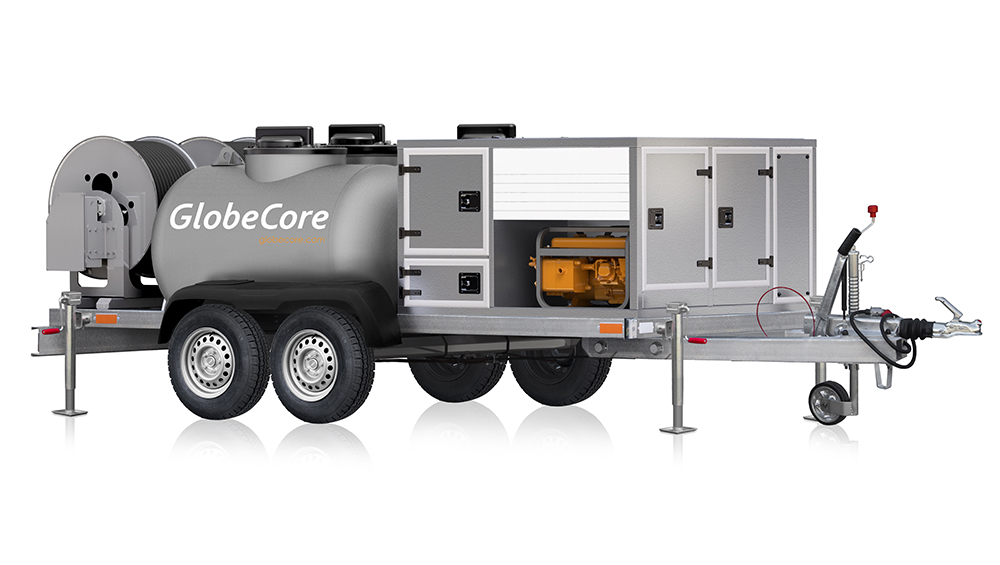
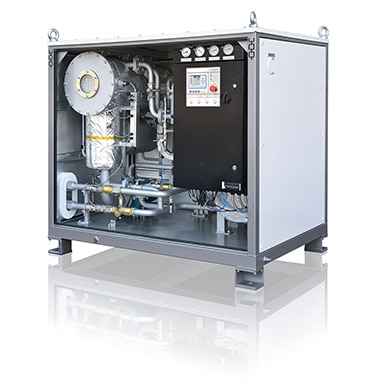
An important challenge with wind turbine transformers is that moisture accumulation often happens gradually due to constant temperature fluctuations and changing media inside the nacelle. For this particular reason, dehydration is usually most effective when performed as part of preventive maintenance rather than after severe contamination has already occurred. Mobile vacuum dehydration systems are widely used for this task, because they can be transported directly to the wind farm and connected on-site. The CMM-4/7 unit is one example of equipment designed for efficient transformer oil dehydration in field conditions.
Attachments:
-
May 18, 2026 at 1:32 pm by Daniel Walker
You’re right — because moisture in wind‑turbine transformers builds up slowly through repeated temperature cycling and ingress in the nacelle, vacuum dehydration is most effective as a preventive maintenance activity rather than a last‑resort fix. Mobile vacuum dehydration units such as the CMM‑4/7 are built for that use: oil is preheated, passed through coarse and fine filtration and then into a vacuum chamber created by a two‑stage pump train so dissolved water and gases evaporate and are removed. In typical field practice the oil‑processing vacuum is in the 1–3 mbar range (insulation dry‑out is deeper, around 0.2–0.5 mbar), and treated oil gas content can be reduced to about 0.1% by volume while achieving cleanliness levels around ISO 4406 16/14/12 (NAS 1638 class 6).
For practical deployment, bring the mobile unit to the nacelle, preheat the oil to lower viscosity, run simultaneous filtration and degassing and measure moisture/gas before and after with online meters to verify results. Optional safety/monitoring systems let you degas live transformers or continuously log TOR values; units can be trailer‑mounted and sized to your fleet needs (common processing rates range from roughly 1,000 to 17,000 L/h). Schedule periodic degassing based on trending of moisture and dissolved gases — if moisture or DGA levels are already very high, dehydration may not fully restore oil and full reclamation or replacement should be considered.