

X-ray Transformer
What methods are used for testing insulating oil in x-ray tubes?
- This topic has 5 replies, 5 voices, and was last updated 4 months, 3 weeks ago by .
Answers
-
October 5, 2024 at 6:25 am by Lucas Martins
Insulating oil in x-ray tubes is tested using several methods, including dielectric strength tests, moisture content analysis, acidity testing, and dissolved gas analysis (DGA). Dielectric strength measures the oil’s ability to prevent electrical discharges, while moisture analysis checks for water content that can reduce insulation efficiency. Acidity testing detects oxidation byproducts, and DGA identifies gases that may indicate equipment faults. Regular testing ensures that the oil continues to function effectively. GlobeCore offers filtration systems that help maintain the oil’s quality by removing contaminants, extending its useful life.
-
April 1, 2026 at 7:38 am by Craig Price
In addition to the previously discussed points concerning X-ray tubes, oil testing is often performed with a stronger emphasis on portable and rapid diagnostic methods, since disassembly or long downtime is usually not acceptable in medical or industrial imaging systems. For this reason, compact testers for dielectric strength and moisture are widely used on-site, allowing technicians to quickly assess whether the oil can safely withstand high voltage stress without the need to be drained from the equipment.
Another important aspect is that no single test provides complete insight into oil condition. For example, while dielectric strength reflects the immediate insulating capability, methods such as dissolved gas analysis (DGA) help detect early internal faults, in particular, overheating or partial discharge, and moisture testing reveals contamination that can significantly reduce dielectric performance. Due to this, reliable diagnostic evaluation in X-ray systems typically relies on a combination of electrical, chemical, and physical tests, supported by periodic monitoring rather than one-time measurements.
In practice, the use of modern testing instruments simplifies this process by automating measurements and ensuring compliance with standards such as IEC 60156 for breakdown voltage testing, which is critical for maintaining insulation reliability in high-voltage equipment. This makes routine condition assessment faster and more consistent, especially in the field environment.
For a more detailed look at how dielectric strength testing is performed in practice and what equipment is used for diagnostic evaluation of insulating oil, it is worth reviewing this article: https://globecore.com/products/instruments/insulation-fluid-dielectric-strength-measurement-tor-80/. -
April 1, 2026 at 7:48 am by 山本 修平
You’re correct — field diagnostics for X-ray tube insulating oil center on compact, rapid instruments and a combined-test approach. In practice technicians use portable dielectric strength testers (automated breakdown voltage rigs that follow IEC 60156), quick moisture testers (portable coulometric Karl Fischer or capacitive/trace moisture sensors), and handheld or benchtop dissolved gas analyzers (DGA) to catch early overheating or partial-discharge faults. Residual-gas testers that extract and quantify dissolved gases can return results in minutes, while modern dielectric units automate electrode conditioning, temperature correction and reporting to give consistent pass/fail readings; targets for treated X-ray oil commonly include a breakdown voltage comfortably above the X-ray HV requirement (purifiers aim for ≥60 kV) and cleanliness around ISO 4406 class 14/12 at the outlet.
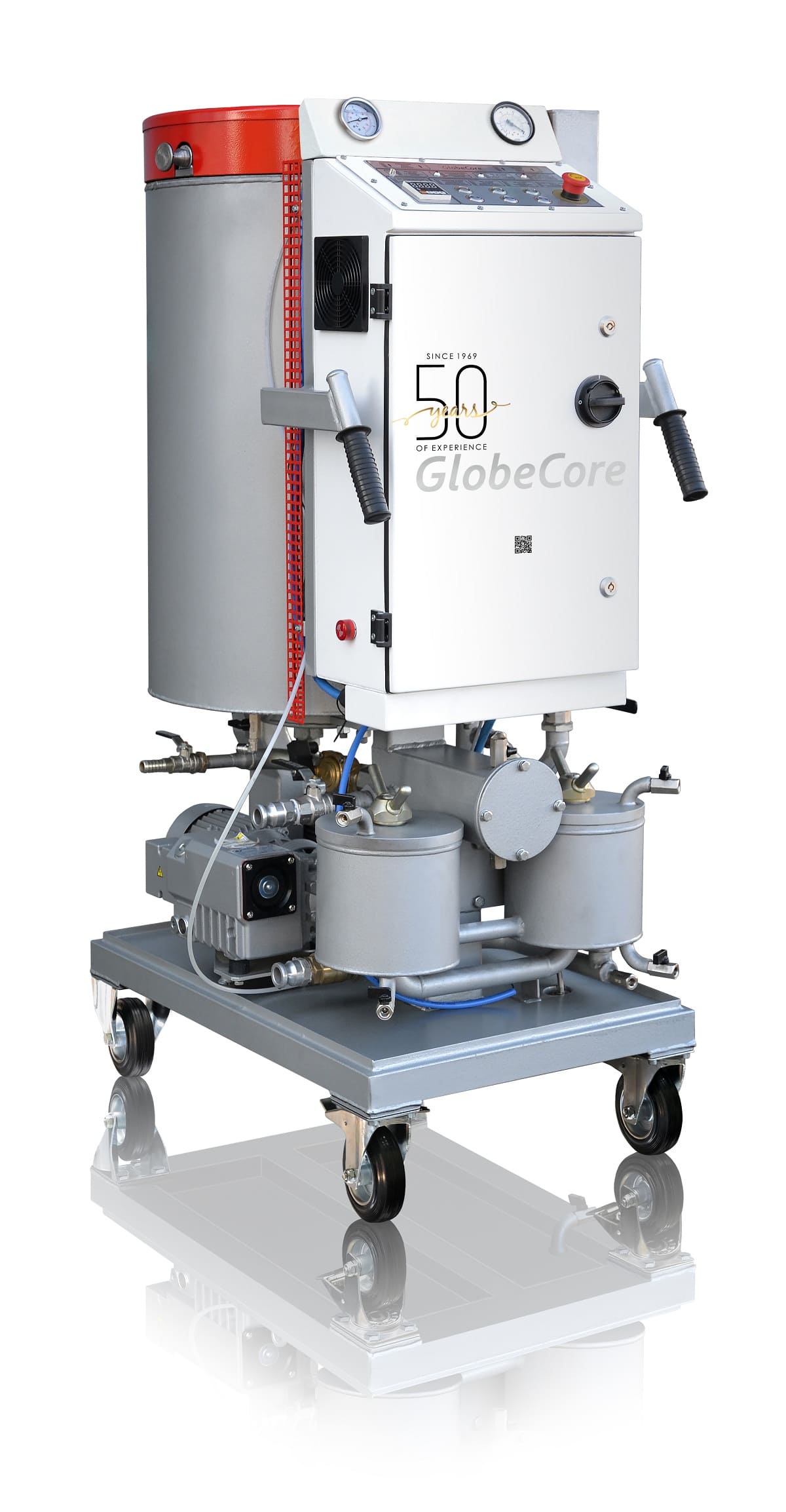
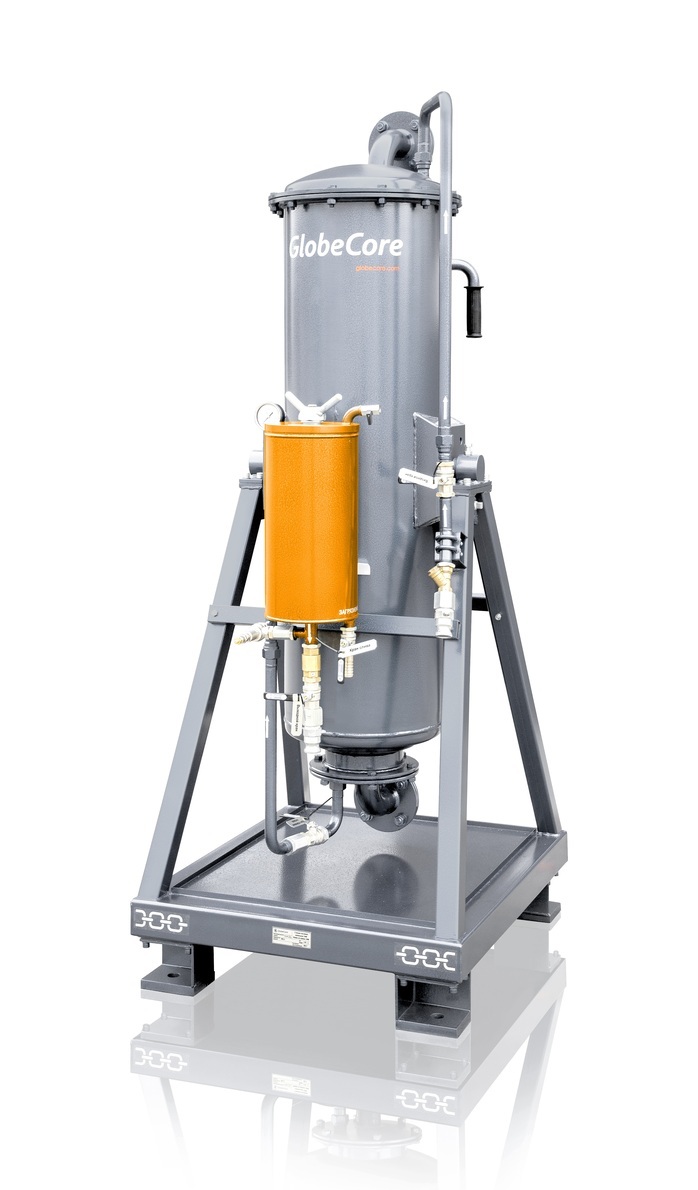
For reliable on-site assessment don’t rely on a single measurement: pair dielectric strength with DGA and moisture checks, keep a baseline history for trend analysis, and test after any maintenance or top-up. Pay attention to sample handling (correct temperature, clean electrodes, avoid degassed samples skewed by agitation), use calibrated portable instruments, and follow IEC/ASTM standards for the test you’re running. If oil fails, remedial options include on-site vacuum dehydration/degassing and filtration or controlled top-up with degassed oil using dedicated units; these preserve uptime while restoring dielectric integrity without full system drain.
-
May 15, 2026 at 8:38 am by Craig Price
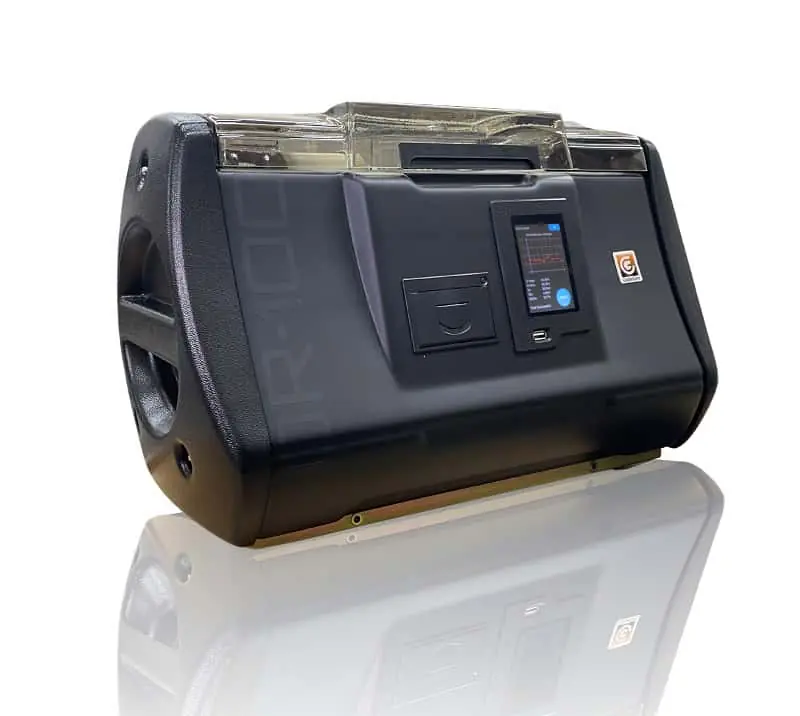
Another important aspect of x-ray tube oil maintenance is the consistency and repeatability of testing procedure. Even small variations in contamination, temperature, or moisture can significantly influence dielectric strength readings, which is why many laboratories and service companies rely on automated breakdown voltage testers for more accurate diagnostics. Units such as the TOR-80 and TOR-100 are designed specifically for this type of analysis, allowing operators to monitor oil condition more reliably and detect insulation problems before they lead to equipment failure.
Attachments:
-
May 15, 2026 at 8:46 am by Oliver Andersen
You’re right — automated breakdown-voltage testers are the go-to for consistent, repeatable dielectric-strength diagnostics on X‑ray tube oil because they remove much of the operator variability that kills repeatability. Instruments in this family are built to run standardized sequences (IEC 60156 and related ASTM/VDE/IRAM procedures), automate electrode conditioning, control ramp rates and timing, record voltage with high resolution and accuracy, and output printable/PC-readable results so tests are comparable over time. For example, one field-ready model measures dielectric strength up to 80 kV, offers voltage-measurement accuracy around ±1%, a 100 V resolution and adjustable ramp rates (0.5–10 kV/s), and a battery-powered variant supports fully autonomous on-site runs — all features that directly improve repeatability for in-situ X‑ray system checks.
To keep results meaningful in service work, follow the standard test protocol exactly each time, control sample temperature and cell cleanliness, and run the automated sequence rather than manual ramping; always pair breakdown testing with moisture checks and DGA for a complete diagnostic picture. When oil fails limits, you can restore dielectric integrity on-site using vacuum dehydration/degassing and fine filtration equipment (mobile purifiers that can deliver outlet oil meeting high breakdown-voltage targets) or controlled vacuum top-up/filling units designed for small batches, which avoids lengthy drains and minimizes downtime.