

Сutting oil
What techniques are used for effective cutting oil purification?
- This topic has 3 replies, 4 voices, and was last updated 6 months, 2 weeks ago by .
Answers
-
October 2, 2024 at 11:09 am by James Shepherd
Effective cutting oil purification employs a combination of techniques to address various contaminants. Mechanical filtration removes solid particles using filters of different micron ratings. Centrifugation separates tramp oils and fine particulates based on density differences. Magnetic filtration targets ferrous metal particles, enhancing overall contaminant removal. Ultrafiltration and nanofiltration use semi-permeable membranes to eliminate emulsified oils and microscopic contaminants. Vacuum dehydration removes water and dissolved gases by lowering the boiling point under vacuum conditions. Chemical treatments, such as coagulants and biocides, help in breaking down emulsions and controlling microbial growth. Integrating these techniques ensures comprehensive purification and extends the fluid’s effective life.
-
April 2, 2026 at 8:19 am by Craig Price
An important addition to this discussion is that the effectiveness of cutting oil purification is not only determined by the choice of methods, but also by their integration into a continuous or multi-stage system. In real machining environments, contaminants arise all the time, so single-pass treatment is often insufficient. Instead, continuous circulation with staged purification (for example, combining coarse filtration, fine filtration, and separation processes) ensures consistent fluid quality over time.
Another often overlooked factor is interaction with contaminants. For instance, the presence of water can accelerate oxidation and microbial growth, while fine particles can act as catalysts for chemical degradation of the oil. This means that removing just one type of contaminant is rarely enough, as effective purification requires a balanced approach that addresses solids, water, tramp oils, and degradation byproducts simultaneously. Maintaining this balance directly impacts tool service life, process stability, and overall production efficiency.
In industrial practice, this is why integrated purification systems are widely used, allowing continuous cleaning of the fluid without interrupting the machining operations, which significantly reduces equipment downtime and extends oil service life.
For a more practical, equipment-focused explanation of how cutting oil purification systems are implemented in real operating conditions, it is worth reviewing this article: https://globecore.com/oil-processing/cutting-oil-filtration/. -
April 2, 2026 at 8:25 am by Pasquale Scarponi
You’re absolutely right — effectiveness comes from system design and continuous operation as much as from individual methods. In practice you want a staged, continuous side‑stream loop rather than single‑pass treatment: coarse prefiltration or screening to remove large swarf, magnetic elements to catch ferrous fines, then a pre‑separator (centrifuge or hydrocyclone) when very fine chips or tramp oil loading is high, followed by fine depth filtration (cartridge or high‑capacity bag in the ~5–20 µm range, with options down to sub‑micron via crossflow/ultrafiltration for emulsified contaminants). Add skimming/coalescing for tramp oils and vacuum or air‑assisted dewatering for free and dissolved water. Because water, fines and biological activity interact to accelerate oxidation and breakdown, addressing solids, water, tramp oil and degradation byproducts together keeps coolant chemistry stable and protects tool life and process consistency.
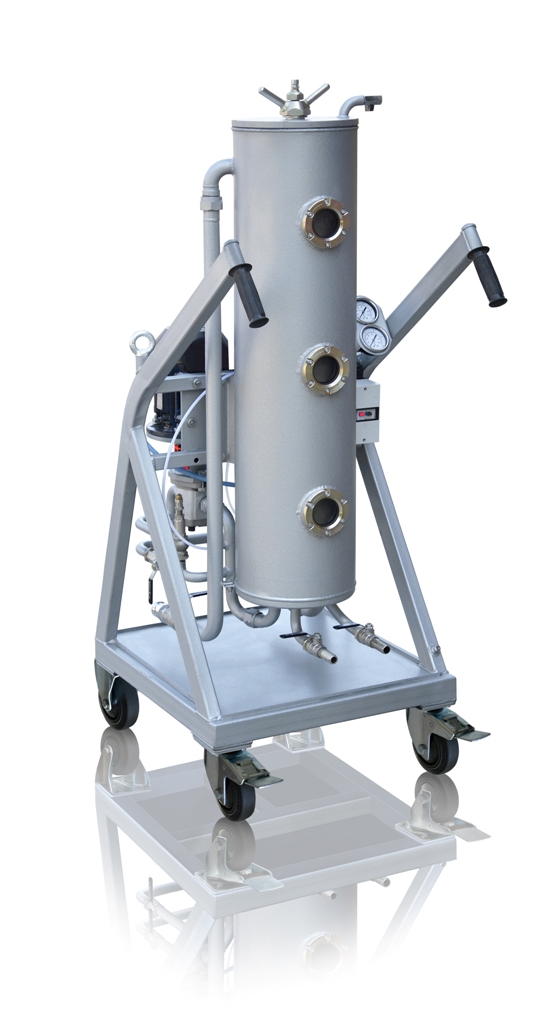
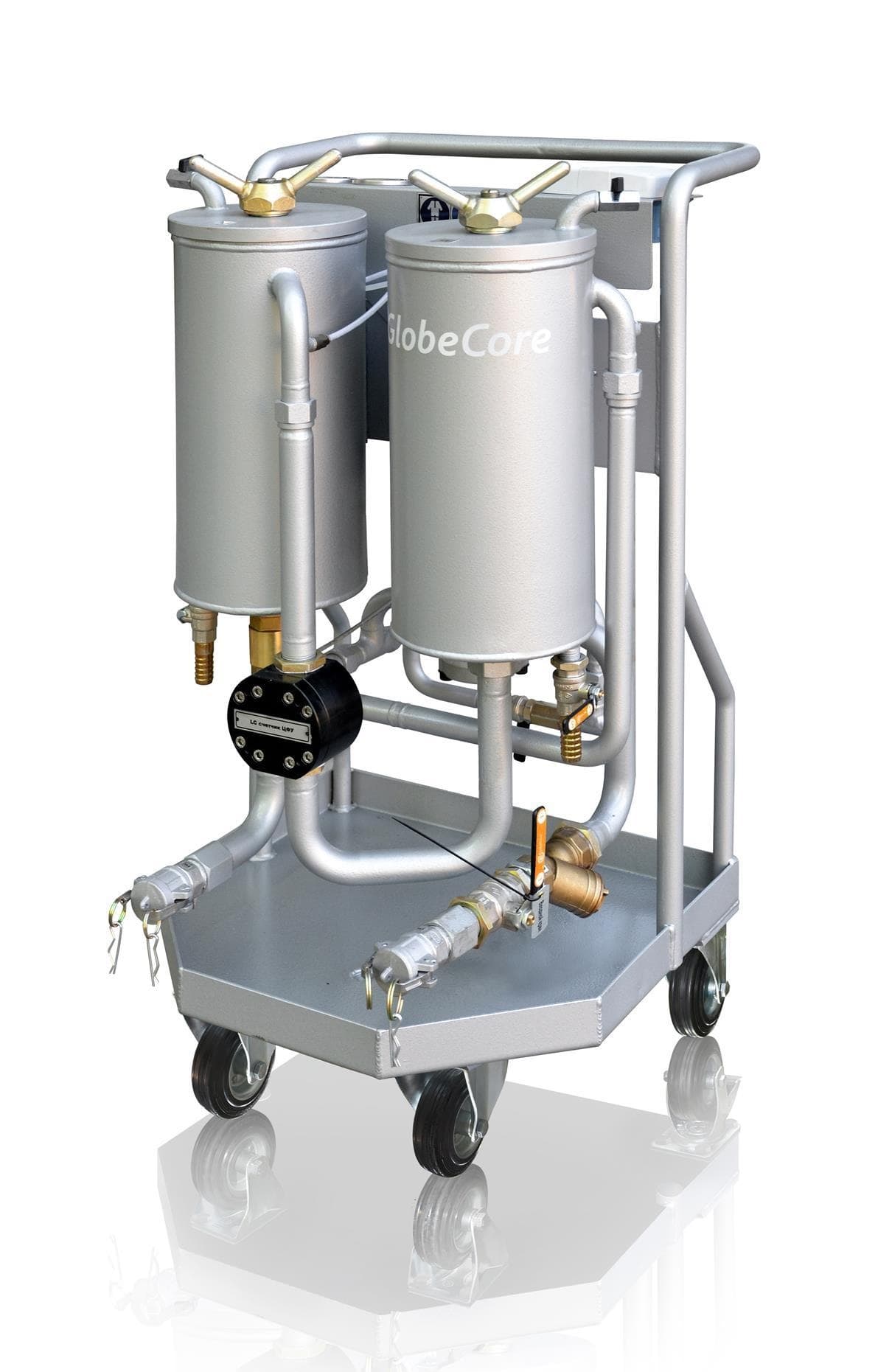
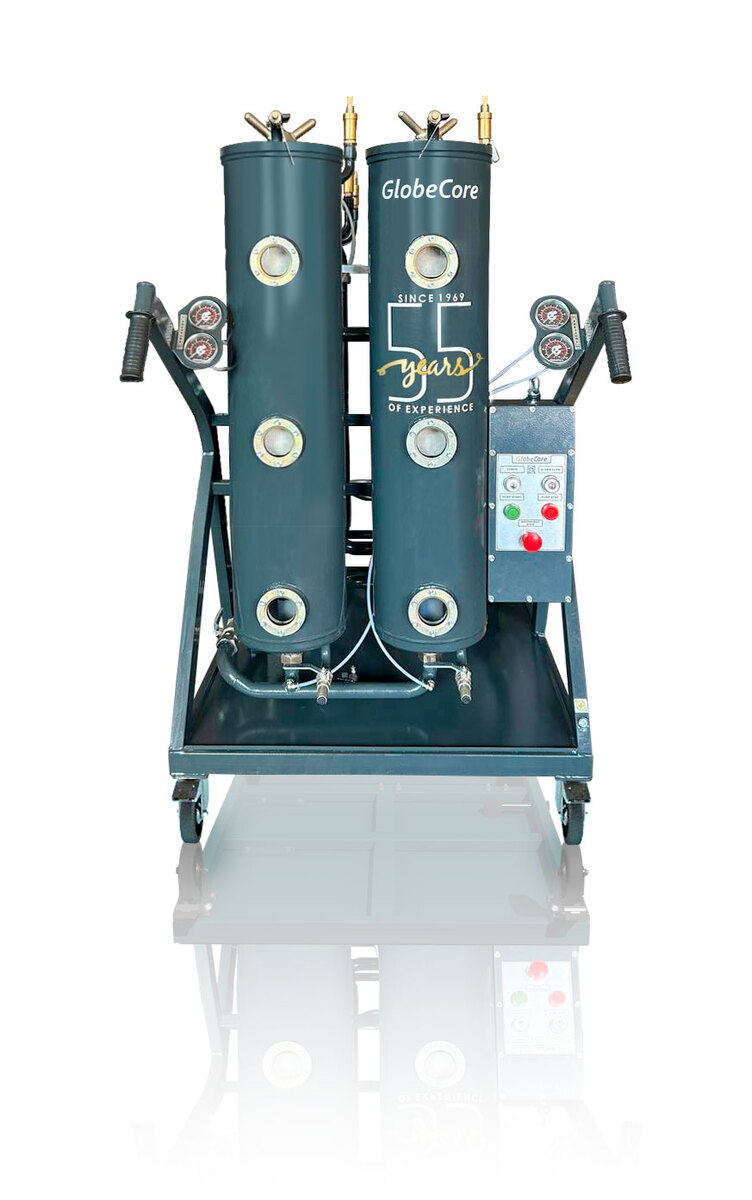
On the equipment side, implement this as a continuous side‑stream loop sized to turn over a portion of the sump flow rather than trying to process the entire volume at once. Modular, cart‑mounted filtration units that support tank‑to‑tank operation make it easy to run purification during production, simplify filter changes, and let you monitor differential pressure and clogging rates. Protect fine filters with a centrifugal/hydrocyclone ahead of them, tailor micron stages to your nozzle/tool sensitivity, and log particle counts, water content and tramp‑oil levels so you can proactively schedule maintenance. That integrated approach minimizes sump dumps and downtime, extends cutting oil life, and delivers more stable machining and longer tool service life.