

Oil breakdown voltage tester
Which device measures breakdown voltage in transformer oil?
- This topic has 3 replies, 4 voices, and was last updated 6 days, 8 hours ago by .
Answers
-
July 25, 2025 at 7:45 am by Laura Schmidt
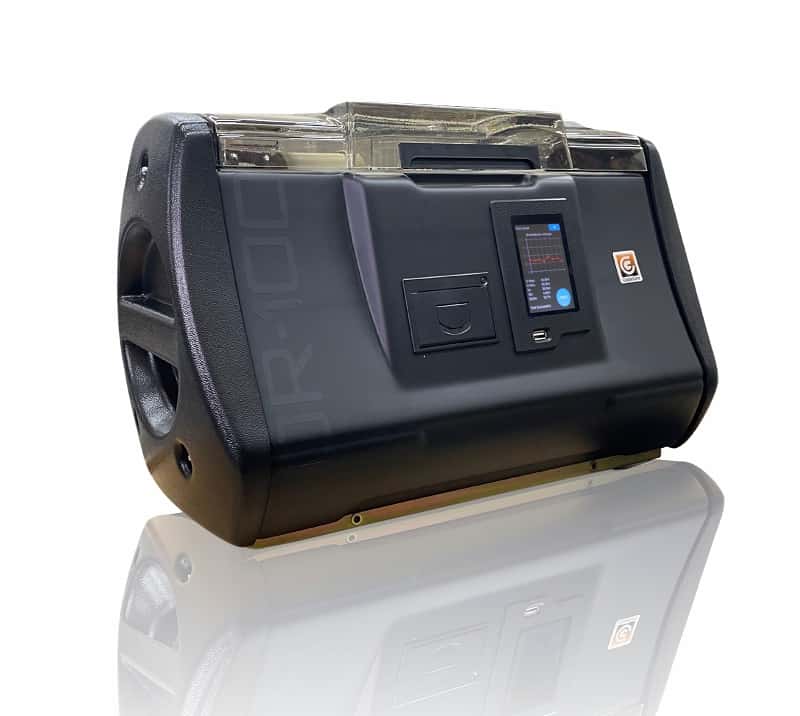
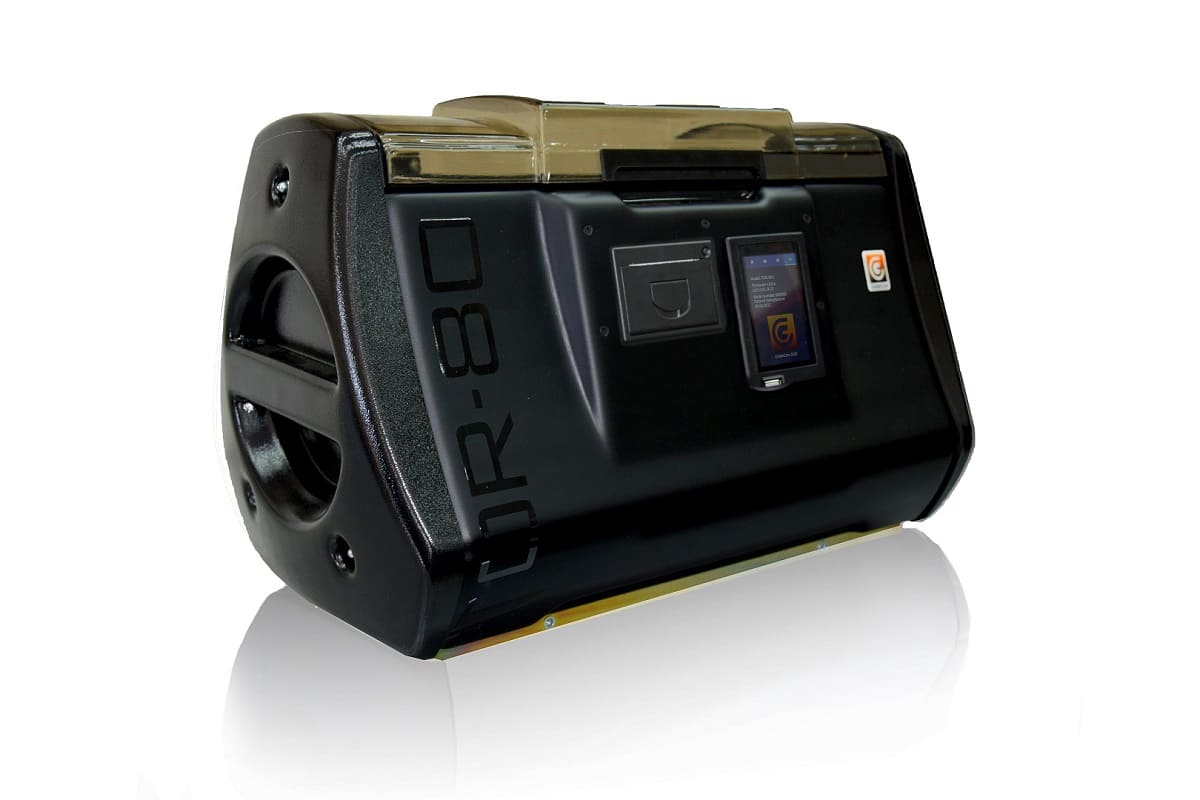
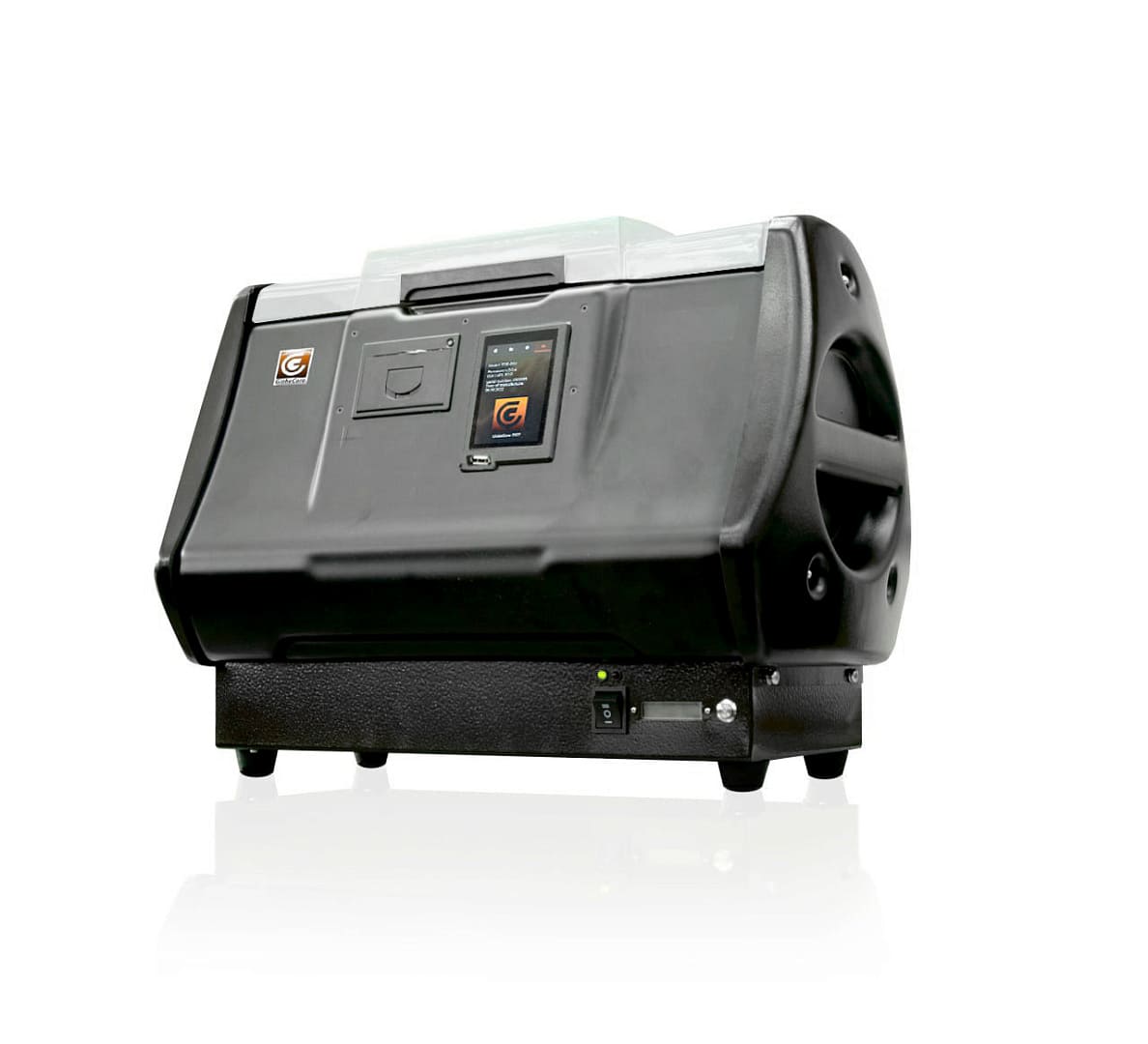
GlobeCore TOR-80 is a specialized device for measuring breakdown voltage in transformer oil, ensuring the insulation meets IEC and ASTM standards.
-
March 25, 2026 at 8:33 am by Craig Price
A useful addition to the discussion is that a device is only part of the measurement system — what really defines its effectiveness is how well it controls the entire testing process in accordance with standards.
A breakdown voltage tester (BDV tester) works by gradually increasing voltage across two electrodes immersed in the oil sample until an electrical breakdown occurs and recording that value. However, modern testers go further by automating critical parameters such as voltage ramp rate, number of test cycles, and automatic shutoff after breakdown to prevent additional oil contamination. These features significantly improve repeatability and reliability of results, especially in the field environment.
Another important point is data consistency and diagnostics over time. Advanced devices serve not only as measuring instruments, but also as tools for storing the results, which allow comparison between test cycles and help track degradation trends in transformer oil. This turns a simple measurement into a predictive maintenance tool rather than a one-time check.
In this context, the units such as GlobeCore TOR-80 testers are designed not only to measure breakdown voltage up to 80 kV, but also to ensure compliance with IEC and ASTM standards while enabling fully automated and repeatable testing procedures directly on-site .
If you’d like to better understand how these testers are designed and what features really matter in practice, this overview is worth exploring: https://globecore.com/products/instruments/insulation-fluid-dielectric-strength-measurement-tor-80/. -
March 25, 2026 at 8:43 am by Emily Jones
You’re absolutely right — the tester is only one part of the measurement system and what matters most is how well the unit controls the whole testing process to meet standards and produce repeatable, reliable results. A breakdown voltage tester raises voltage between two electrodes immersed in the oil until breakdown and records that value, but modern BDV testers automate the voltage ramp rate, test cycles and instant shutoff to prevent secondary damage or contamination, improving repeatability in the field. Look for units with fast trip response (some designs shut down in microseconds), automated procedures that follow IEC/ASTM methods, and the ability to run standard or custom test sequences.
Data handling and diagnostics are equally important — devices that log results, provide USB/printout options and support network/data transfer turn single measurements into trendable asset-health information for predictive maintenance. For on-site work you’ll also want battery-powered or portable models and an instrument rated to the voltage your samples require. Models are available that cover typical needs from routine mineral and silicone transformer oil testing up to higher-voltage work (battery-powered options for field use and integrated data export/printer options for archiving). If you tell me the voltage range you need, whether you’ll be testing in the workshop or on-site, and whether you need built-in data logging or printer/USB export, I can recommend the most suitable model.