


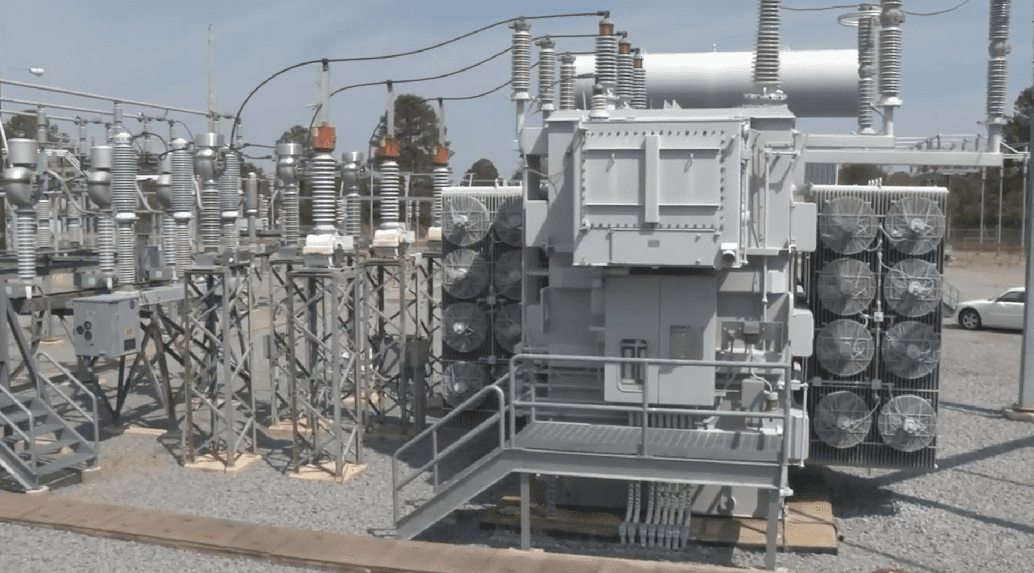
Power transformers play an indispensable role in the electrical energy distribution system, acting as gatekeepers, ensuring that electricity is transmitted efficiently and safely. One of the most critical aspects of maintaining a transformer’s optimal operation is the quality of its insulation, which can deteriorate over time due to various factors, particularly moisture ingress. Moisture compromises the dielectric strength of the insulation and can lead to transformer failures if not addressed. To counteract these issues, drying methods are employed. Among the drying techniques that have emerged over the years, low frequency heating of power transformers out of line due to its unique approach and efficacy. This article delves into the nuances of this method, comparing it with existing strategies.
Existing Methods of Drying Transformer Insulation
Power transformers are intricate devices, and their efficiency is often tied to the state of their insulation. This insulation, primarily made of oil and paper, is prone to moisture infiltration, which can reduce its dielectric strength and lead to potential malfunctions. To tackle this, various drying strategies have been devised over time, each with its mechanism and philosophy.
Historically, the industry has relied on methods such as hot air drying, which involves circulating hot air to evaporate moisture. Another common technique has been the combined use of heating and vacuuming. In this method, heat is applied while the transformer is subjected to a vacuum, intending to draw out moisture from the insulation. Yet another method, albeit less conventional, is the solvent vapor method. This process involves the use of chemical solvents that vaporize and then condense, carrying away moisture in the process.
Drawbacks of Transformer Drying Methods
Despite the diverse strategies available, each comes with its set of challenges. The hot air technique, while straightforward, may not uniformly dry the insulation. Uneven drying can lead to areas of accumulated moisture, which defeats the process’s purpose. Moreover, it’s energy-intensive and may result in escalated operational costs.
Vacuum drying, on the other hand, is effective in drawing out moisture. However, the method is not without its complications. Because of the need for specialized equipment, the risk of introducing air pockets, and the overall complexity of the process. Furthermore, it may not always achieve deep drying, leaving behind residual moisture in certain cases.
Lastly, the solvent vapor method, while innovative, has raised questions due to environmental concerns. The use of chemicals, their disposal, and the potential for residue can be detrimental both to the transformer and the environment.
In light of these challenges, the quest for a more effective, efficient, and environmentally friendly drying technique became imperative, paving the way for the advent of low-frequency heating.
Origins of the Low-Frequency Heating Method
The journey to innovating more efficient methods for drying transformer insulation is dotted with countless trials and explorations. Amid these, the concept of low frequency heating of power transformers began to take root. The method, also known as heating through low-frequency currents, is grounded in the principle that when electrical windings are subjected to low-frequency currents, they generate heat intrinsically. This internal heat source is advantageous because the heating originates from within, ensuring a more uniform and comprehensive drying process.
This insight came as a game-changer, offering a solution that overcame the limitations of many traditional methods. As research progressed, it became evident that by manipulating the frequency of electric currents, not only could heating be controlled and optimized, but it could also be utilized to target specific moisture-laden areas.
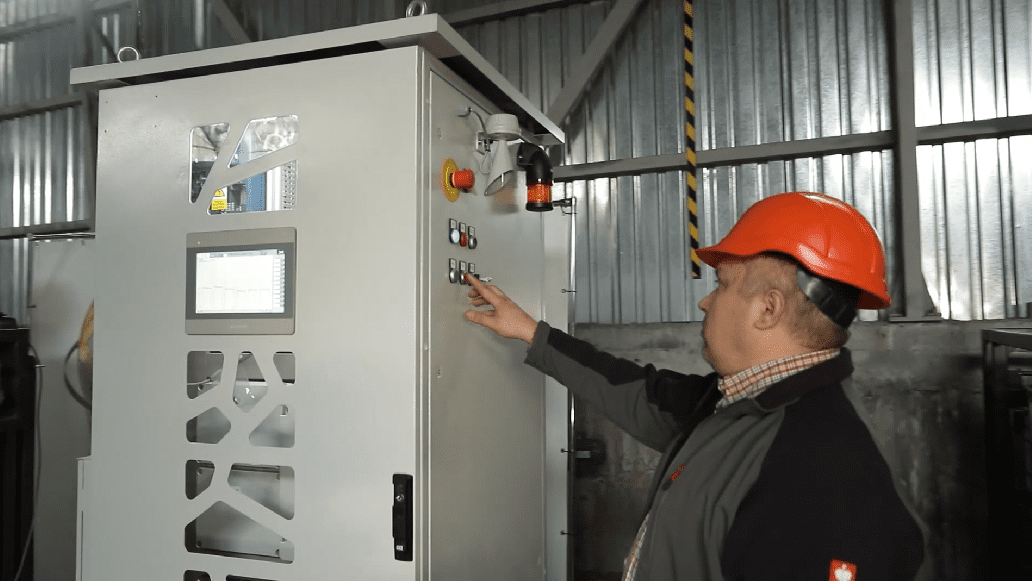
GlobeCore’s method of low frequency heating of power transformers
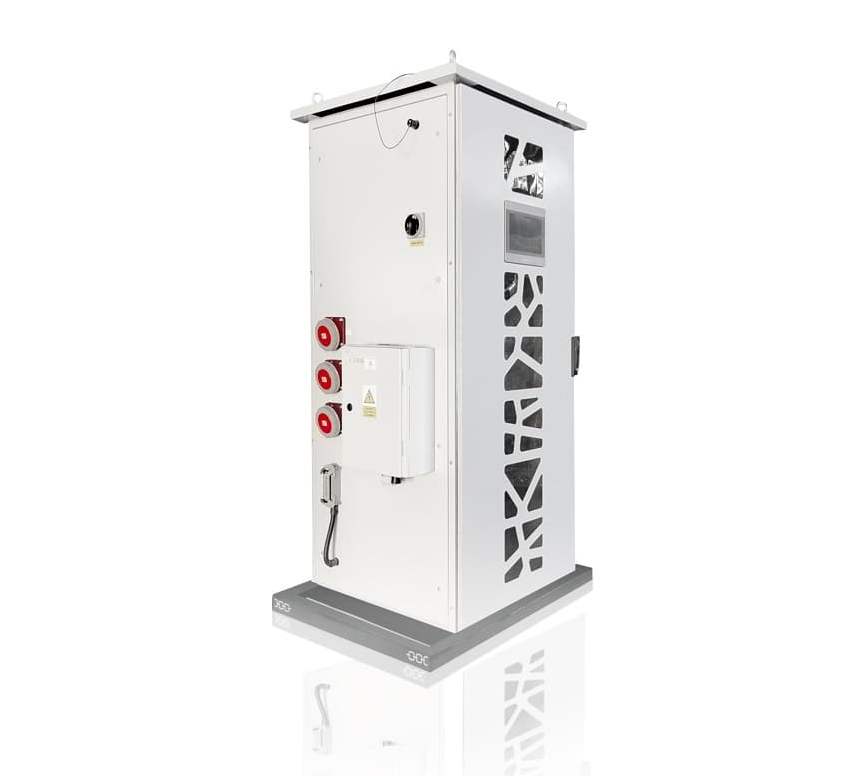 In the landscape of transformer maintenance and efficiency optimization, GlobeCore emerges particularly with its expertise in the equipment for maintenance of power transformers. The company’s dedicated endeavors have culminated in the creation of the Low Frequency Heating Device LFD, a piece of technology that epitomizes the finest in transformer drying methodologies.
The LFD device, meticulously designed, serves as a centerpiece in the heating and drying processes of transformer windings. Its function revolves around directing low-frequency electric currents meticulously through these windings. What’s noteworthy is the intrinsic nature of this heating mechanism: the windings themselves become the heat source. This method, therefore, inherently maximizes uniformity in heating, targeting the entire winding structure and ensuring an optimal drying temperature range between +75 to +120°C.
GlobeCore‘s approach to the low frequency heating of power transformers method is not an isolated system; it’s part of an integrated solution. Recognizing the multifaceted challenges in transformer maintenance, GlobeCore integrates the LFD device with other complementary technologies. For instance, when paired with the CMM thermal vacuum dryers, there’s a substantial enhancement in the efficiency of drying processes for oil-filled transformers. This amalgamation heralds a dual-process: while the windings undergo direct heating, there’s a simultaneous extraction of moisture that migrates from the windings to the oil. It’s a synchronous operation that targets moisture at multiple fronts, ensuring an impeccable drying process.
Beyond the oil-filled transformers, GlobeCore‘s strategic vision addresses scenarios where transformers might be devoid of oil. In such situations, the utility of the LFD device isn’t diminished. Instead, GlobeCore recommends a collaborative approach, suggesting the integration of the LFD device with other specialized units. Units such as BV, UVV, or the Mojave Heat are meticulously designed to manage and extract the moisture that transitions from the windings into the transformer tank. It’s a testament to GlobeCore‘s holistic strategy, where every scenario, every challenge in transformer maintenance is anticipated and addressed with a tailored solution.
Advantages of GlobeCore’s Low frequency heating of power transformers
Here are some of the distinctive advantages of the approach:
- Full Automation: The process requires minimal manual intervention, thus reducing human error and ensuring consistency.
- Intelligent Hardware: The LFD device boasts of smart technology, calibrated to provide optimal drying based on real-time feedback.
- Compact Size: GlobeCore’s design emphasizes efficiency without the bulk, ensuring that devices are easily transportable and adaptable to various work environments.
- Effective Drying of Transformer Windings: Unlike some traditional methods, this approach guarantees a comprehensive and even drying of windings.
- Windings Overheating Protection: Safety is paramount, and the LFD device is equipped with features that prevent the overheating of windings, thus ensuring the longevity of the transformer.

The low-frequency heating of power transformers, as advocated and refined by GlobeCore, reflects a deep commitment to excellence. It’s not just about introducing a new method, but about redefining the standards of transformer maintenance. By integrating multiple technologies, anticipating various challenges, and providing tailored solutions, GlobeCore stands as a beacon of innovation in the realm of transformer maintenance. Focus on creating a comprehensive, efficient, and sustainable system underlines the future direction for maintaining the longevity and efficiency of power transformers.