This article discusses the purification of natural ester-based transformer insulating fluids, the equipment used for their treatment, their operating characteristics, and the factors that affect their quality.
Reasons for the Emergence of Alternative Insulating Fluids
Petroleum-based insulating oils have been used in power transformers for decades. Although they provide effective electrical insulation and heat transfer, they also have certain disadvantages, particularly their flammability. This characteristic can present additional risks when transformers operate in environments with increased fire safety requirements, including underground mines, port facilities, oil refineries, natural gas terminals, and offshore drilling platforms. These considerations have contributed to the development and introduction of alternative insulating fluids.
One such alternative is natural ester-based transformer insulating fluid, a plant-derived dielectric liquid typically manufactured from refined vegetable oils and specially selected additives. Natural ester-based insulating fluids generally have significantly higher flash and fire points than conventional mineral transformer oils, making them suitable for electrical equipment applications requiring enhanced fire safety. Their use must comply with the applicable equipment specifications and safety requirements.
Characteristics of Natural Ester-Based Transformer Insulating Fluids
Compared with mineral transformer oils, natural ester-based insulating fluids generally have a higher moisture saturation limit and can influence the moisture distribution between the liquid and cellulose insulation. Under suitable conditions, they can facilitate the transfer of moisture from transformer insulation paper into the fluid. However, these fluids are also subject to moisture contamination, oxidation, and aging during operation. Therefore, regular condition monitoring and appropriate purification are necessary to maintain their dielectric properties and reliable transformer performance.
GlobeCore has developed a technology for purifying natural ester-based transformer insulating fluids through a combination of treatment methods, including three-stage filtration, high-vacuum treatment, and controlled heating. These processes are designed to remove solid particles, moisture, and dissolved gases from the fluid. Depending on the initial contamination level and operating conditions, the treatment process can achieve a cleanliness class of 16/14/12 according to ISO 4406.
Natural Ester-Based Transformer Insulating Fluid Purification Units
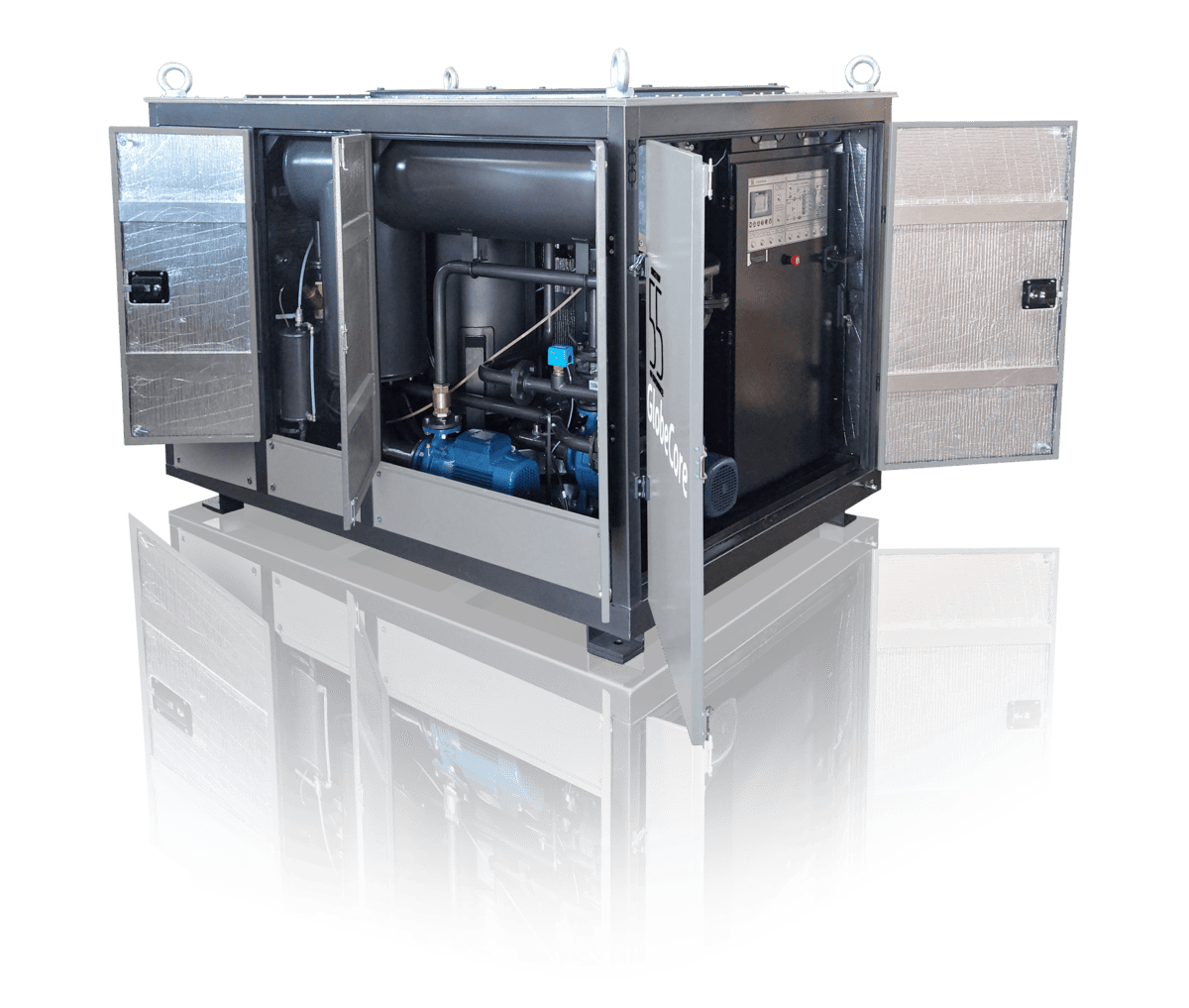
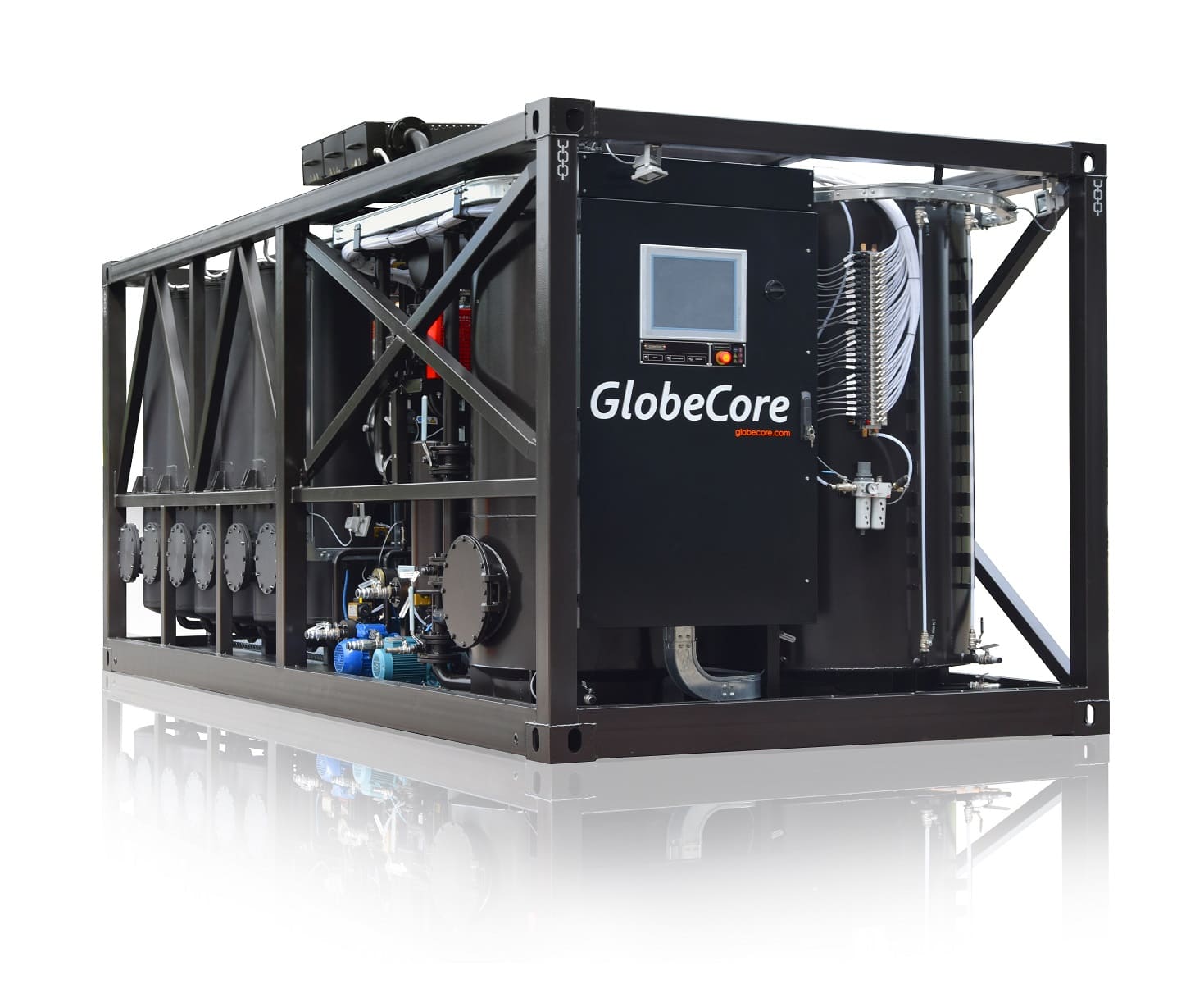
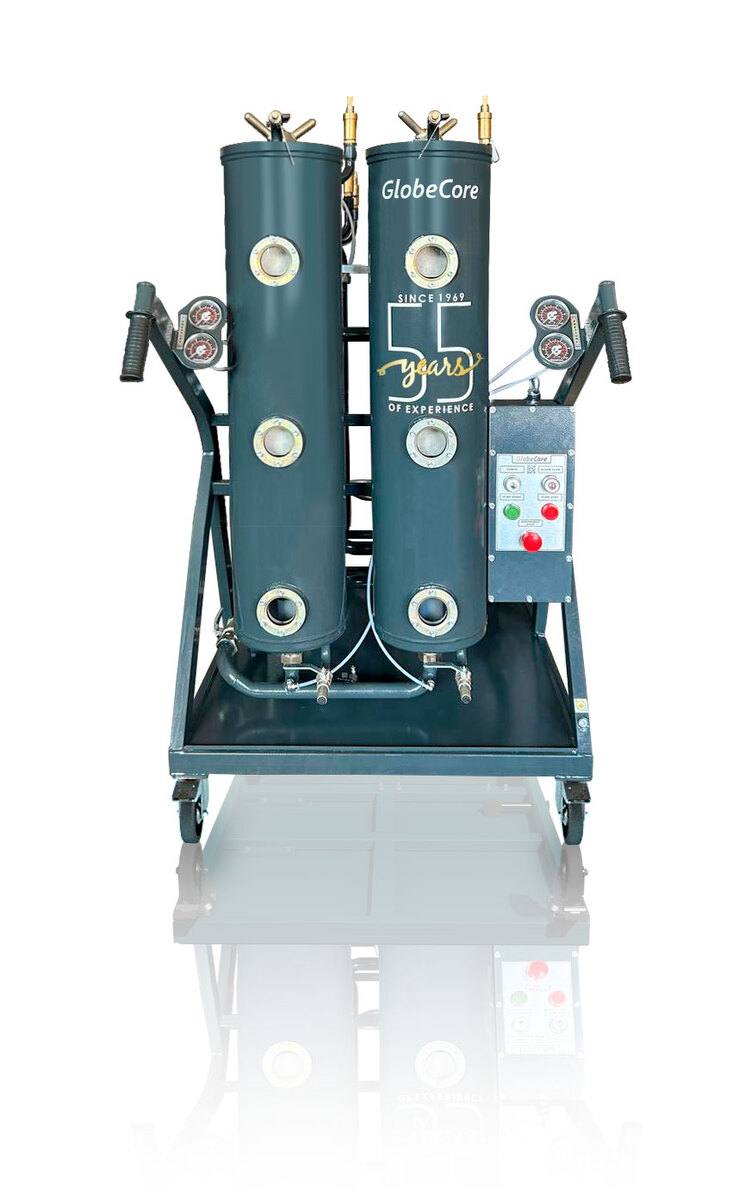
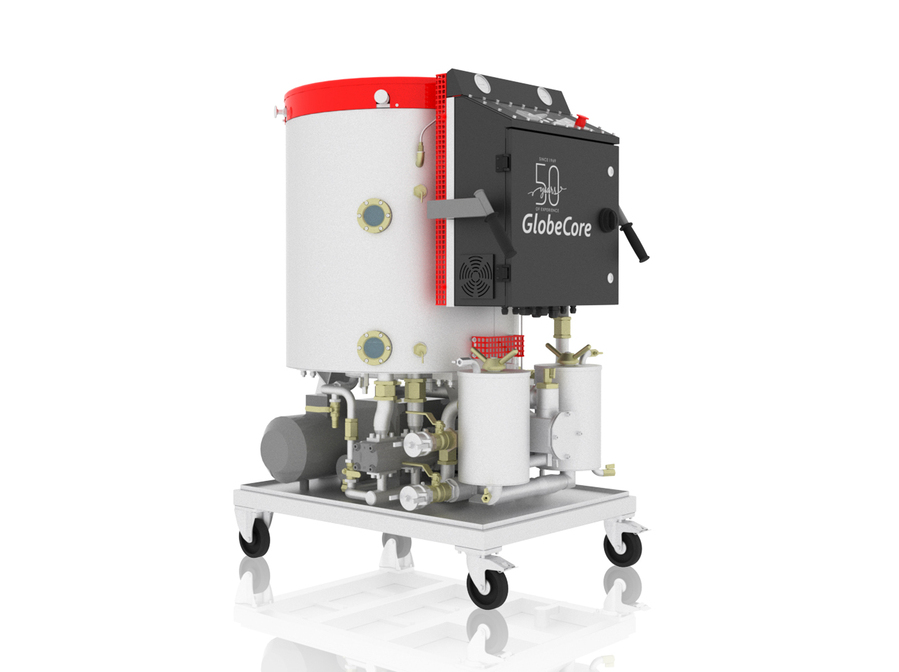
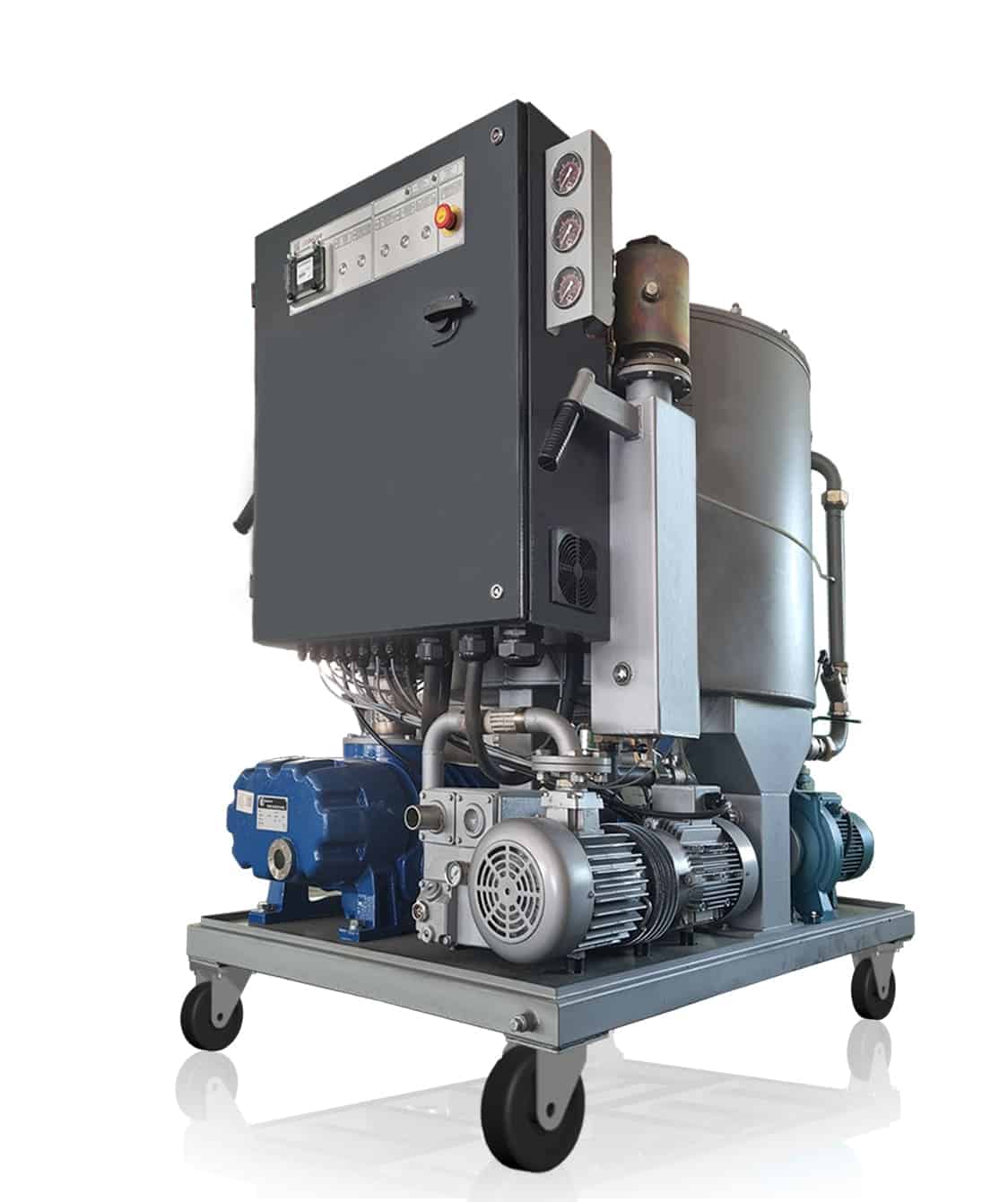
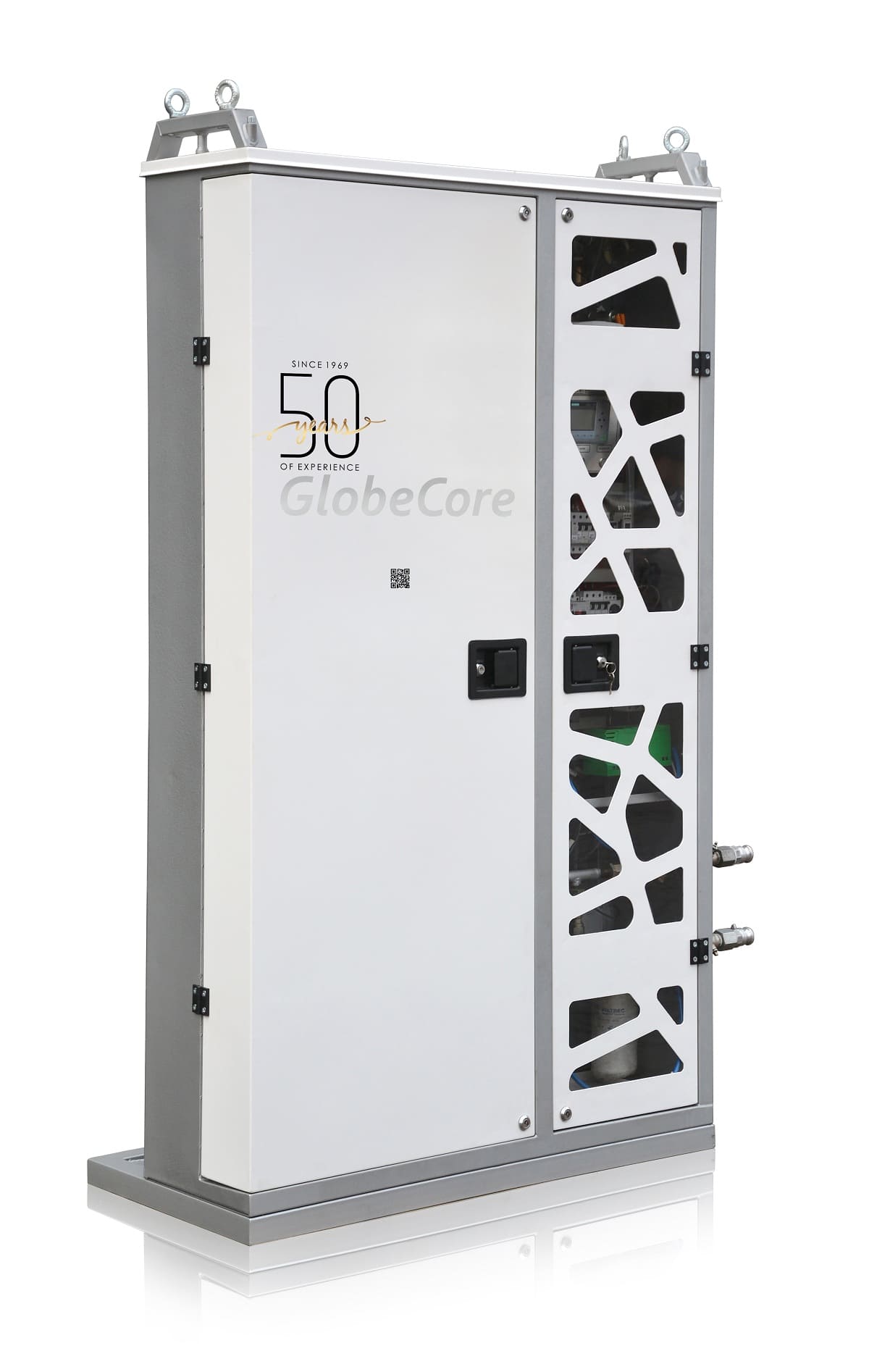
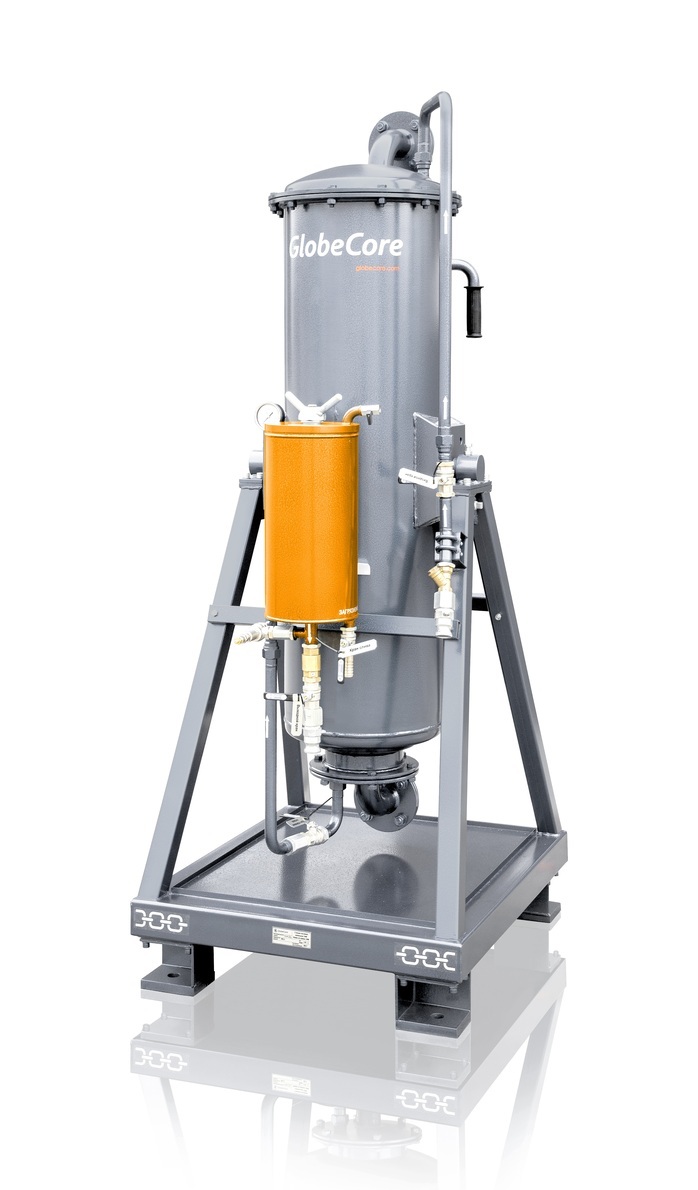
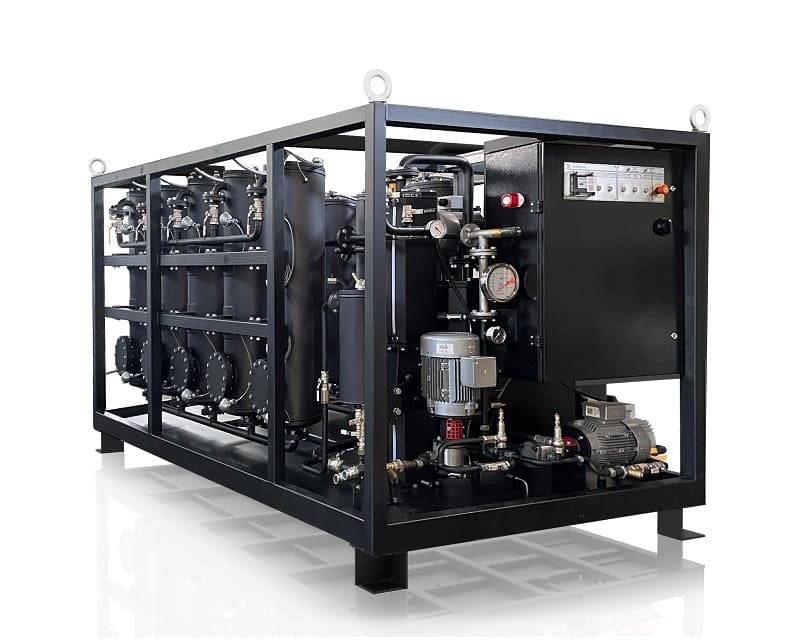
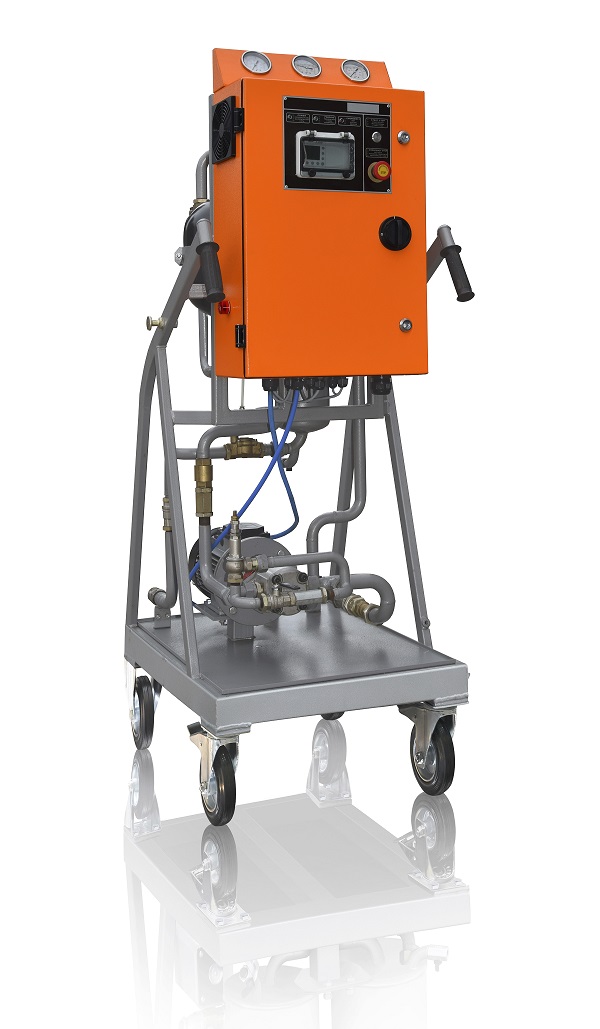
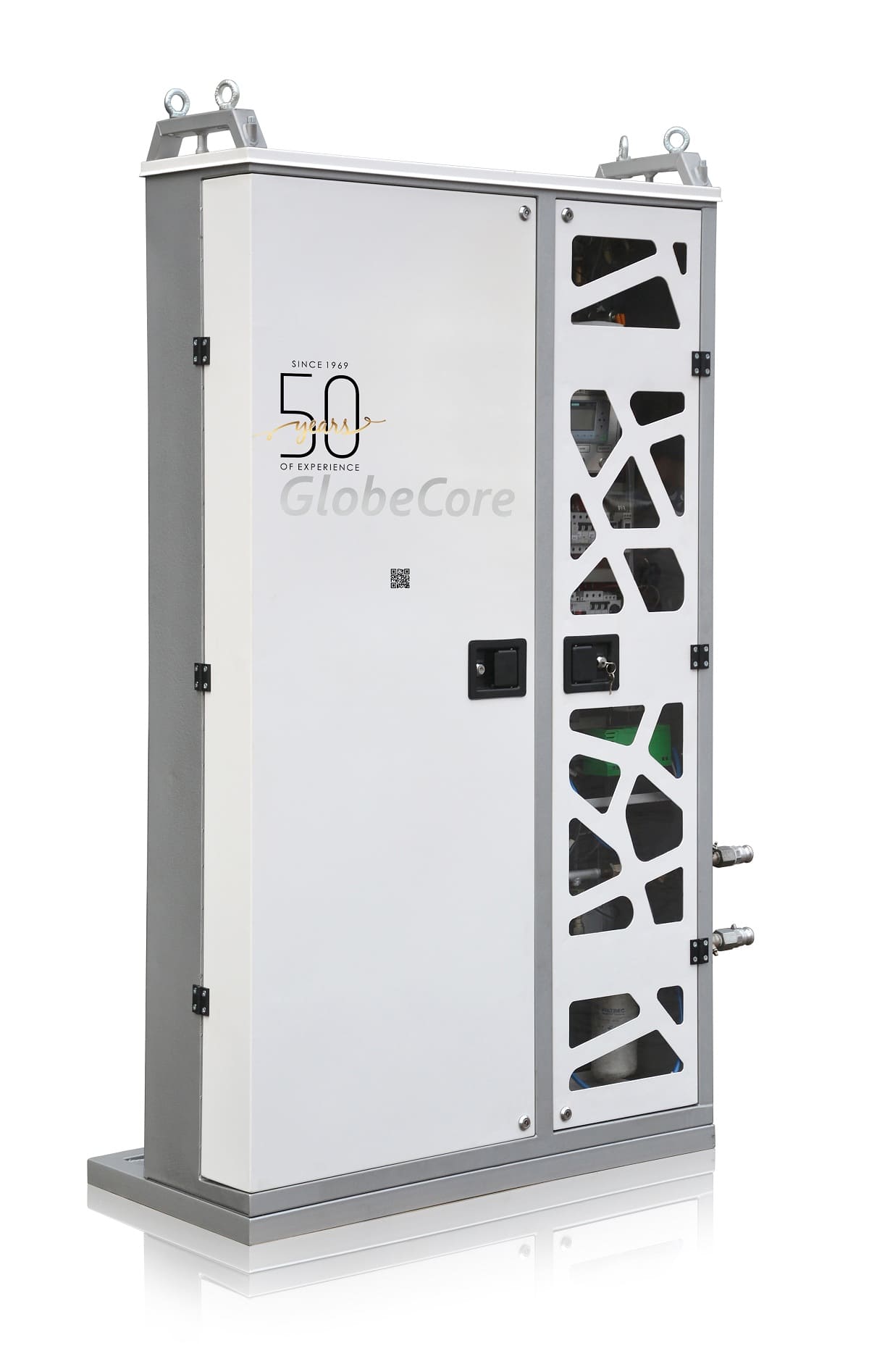
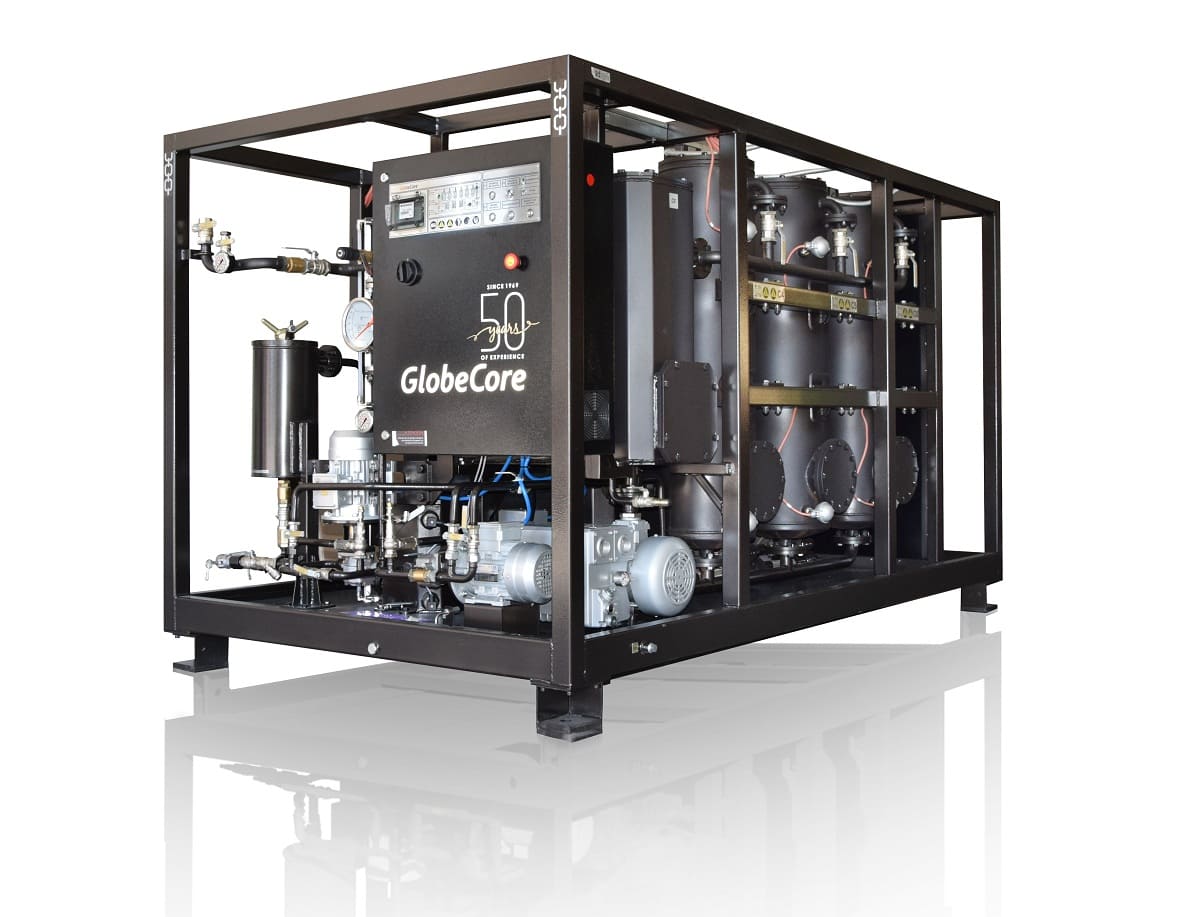
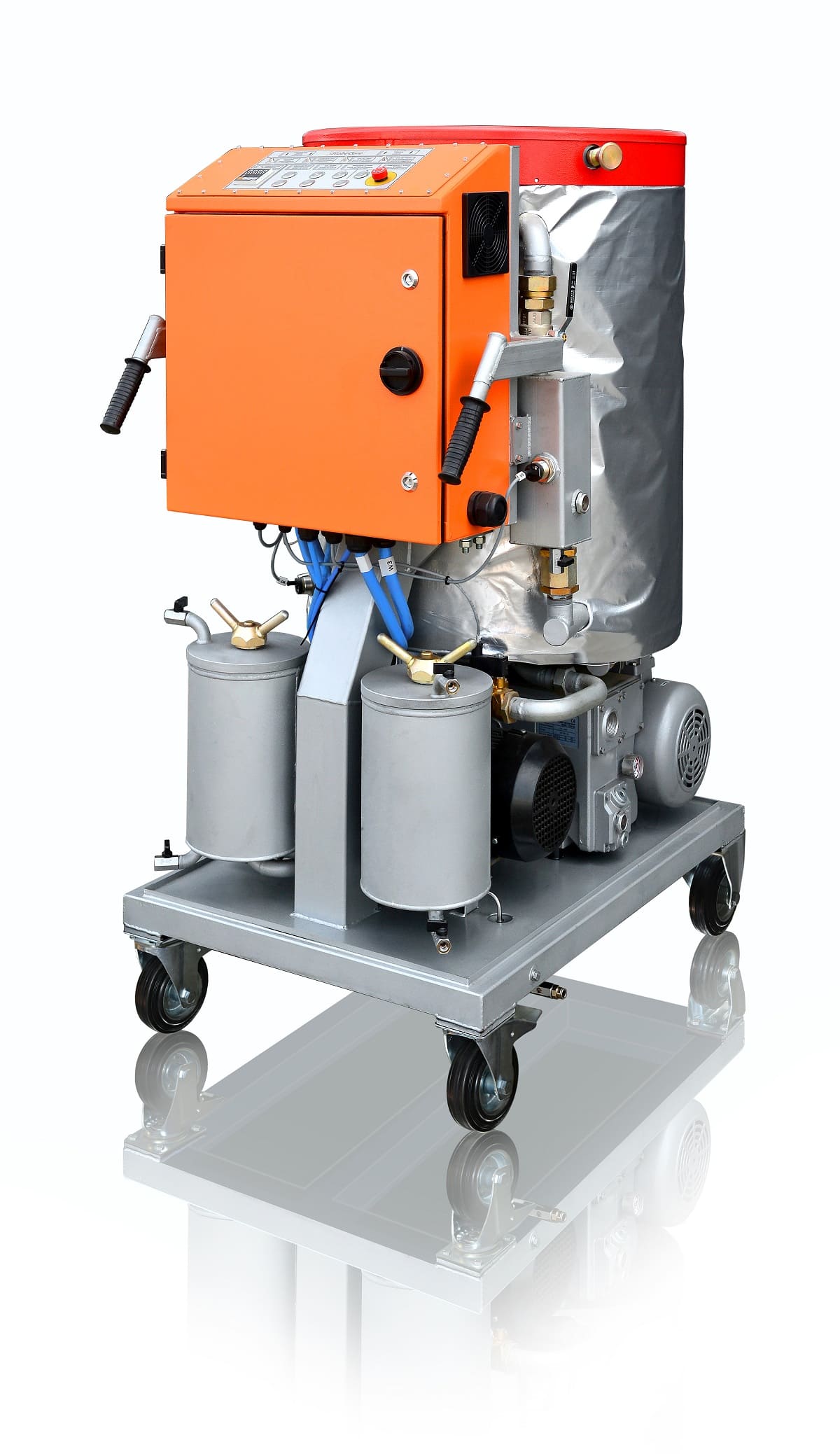
GlobeCore purification technology is implemented in CMM units that can be equipped with specially selected seals compatible with natural ester-based insulating fluids. These modifications help ensure reliable operation and prevent problems associated with the chemical compatibility of sealing materials. Depending on the selected model and configuration, the processing capacity of the equipment can reach 17,000 liters per hour.
One of these units was commissioned in 2015 on an offshore drilling platform near the coast of Nigeria, where it was used to process a natural ester-based transformer insulating fluid. The equipment was the CMM-4/7 Clean Marine unit.

Despite their high processing capacity, natural ester-based insulating fluid purification units are relatively compact. Depending on their configuration, they can be mounted on wheeled trailers for transportation to transformer maintenance sites or installed in containers for operation under different environmental conditions. The equipment can operate in automatic or semi-automatic modes, simplifying routine processing procedures and reducing the need for continuous operator intervention. Operators receive appropriate training to ensure safe and efficient equipment operation.
Natural ester-based insulating fluid purification units can be adapted to different operating conditions and treatment requirements, providing flexibility for transformer maintenance applications. Proper equipment configuration and selection of processing parameters help maintain fluid quality and extend its useful service life.
Do you use natural ester-based insulating fluids in your electrical equipment? If so, what challenges have you encountered during their operation and maintenance?